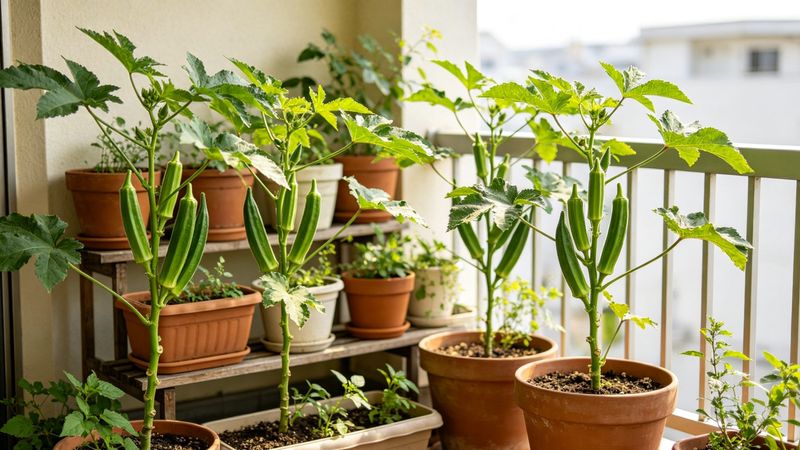
General information on the 1st big cherry
The cherries are the early-cooked fruit tree species of the north, unique among the many fruit trees with their early-cooked characteristics. It prefers a warm and well-lighted environment and is suitable for growth in areas where the average annual temperature is 10-13°c. Under the semi-humid climate of a warm temperate east asian monsoon-type continent, the average annual temperature is about 12 degrees, rainfall exceeds 700 mm and frostless periods of up to 250 days, which are extremely favourable to the cultivation of large cherries。
The main varieties suitable for cultivation include red light, morning fruit, early ruby, taekee, vanguard, miyuri, italian early red (moli), friendship, saami, rabins, etc., which provide diversified choices for fruit farmers. In addition, dwarf cherries and chinese cherries are suitable for planting in courtyards or sheds due to their small, early and long lifespan。
Campus 02 construction
Selection of the site
The selection of the horticultural site of the large cherries should focus on soil conditions. The ideal site should have a fertile, loose and well-watered sandy border. Such soil conditions ensure the healthy growth of cherry seedlings. At the same time, the location where the terrain is high, the backwind is sunward and air flows is one of the best options. In addition, accessibility is a factor that cannot be overlooked, facilitating day-to-day management and the sale of fruits for transport. If conditions permit, orchard sites can even be combined with tourist destinations to create specialty orchards that are seen and picked together to improve economic efficiency。
The whole place
In the case of flatland construction, the primary task is to clean up the uneven areas of the park. On this basis, the construction of field roads and canals also needs to be considered in an integrated manner for scientific planning. In the case of plantations, the land should be made up of three metres wide and the field should be levelled and the interior low, which would effectively prevent soil erosion and guarantee the normal growth of large cherries。
Varieties selection and planting
In the selection of cherry varieties, preference should be given to colourful, rigid and durable varieties, such as early rubies, early fruit, italian early red, red light, and samites. Not only do these varieties have good market acceptance, but they are also suitable for long-distance transport. The proportion of pollinating varieties in cherries grown on a scale should be no less than one quarter。
Cultivation density should be based on land-based conditions. In cases where the land is established under favourable conditions, the joed herring breeds grow and grow, where appropriate, and the mountain orchards or the less grown herds may be duly planted. A new cherries garden is recommended for planting density of 3 mx5m or 2 mx4m, with approximately 44-83 trees per 667 m2. In terms of planting methods, it is advisable to opt for a rectangular planting method, while the hill slopes are based on a pedestal equivalent。
03 manure water management
Soil management
The soil management of the large cherries is mainly achieved through deep-spreading, plowing of the pine and orchards. Deep-spreading begins at the edge of the plant and expands from year to year, or in alternate years, to dig up a ditch about 50 centimetres wide and 60 centimetres deep, until the two trees are connected to it deep. The depth of the pine fields to be cultivated needs to be kept at 5 cm to avoid damage to the coarse roots。
Rational fertilization
Fertilizer management is essential for improving the production and quality of large cherries. It is recommended that it be applied between september and october, mainly on organic fertilizers such as farm fats and pig and cow scavenging. Urea or fruit tree-specific fertilizers may be used when fertilizing before flowers, whereas velvet nitrogen fertilizer should be applied in soil when fertilizing during flowers, or fertilizer containing nitrogen, phosphorus, potassium, etc. Fertilization should also be pursued after harvest and during fallow periods to ensure the nutritional needs of cherry trees。
Water and drainage
The period of irrigation is determined on the basis of soil moisture and usually includes pre-flower water, hard core water, post-harvest water and four times frozen water. Water should be filled with pine soil and covered with straw, etc., in time to maintain soil moisture. In addition, when an orchard accumulates, the canals should be used quickly to drain and ensure the normal growth of the cherry trees。
04 orthopaedic cut
Tree type
The main tree shapes of the large cherries include free hammer shapes, long hammer shapes, high hammer shapes and strangulations, all of which are suitable for different cultivation conditions。
Free hammers are about 3 metres tall, dry and thick, and have a reasonable structure and are well suited for mechanized management. Long hammers increase yields by increasing the number of main branches, while high hammers further optimize tree structure to accommodate high density cultivation。
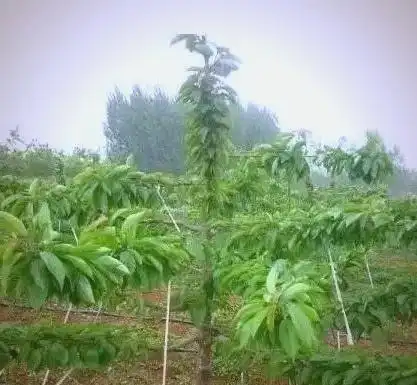
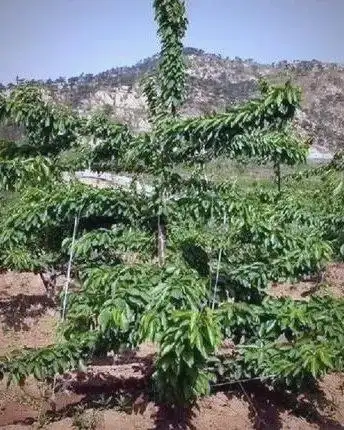
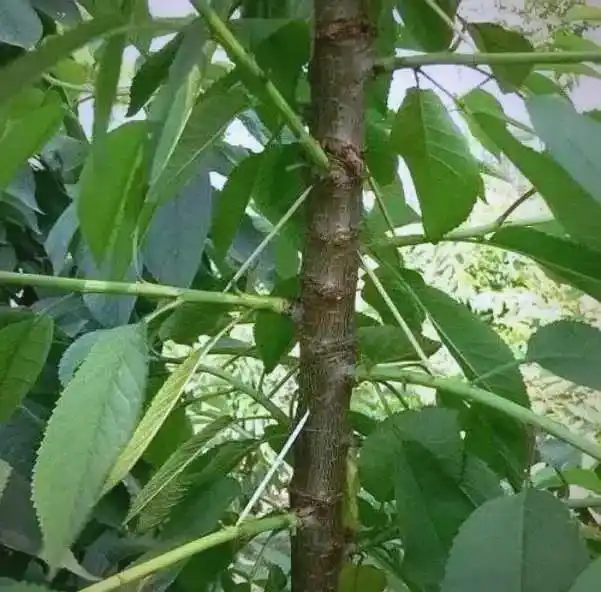
Shearing method
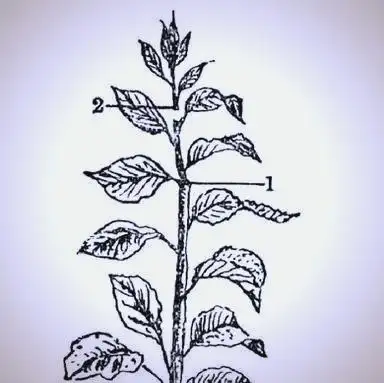
Cutting is an important part of the management of fruit, including germination, promotion of budding, adjustment of branch angles, twisting and heartening. On the centre drying, the parts that do not need to be sprouted are removed by embroiling, and germination is promoted。
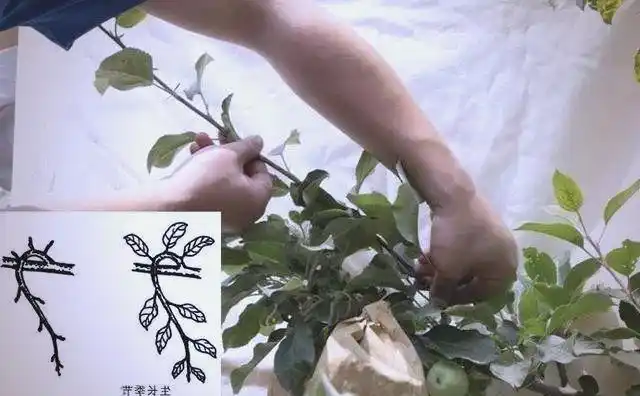
The angle of branches is adjusted by the use of little bamboo sticks to ensure good ventilation. In addition, when new growth occurs, the canopy canopy is manipulated and the result branch formation is facilitated by a combination of twisting and heartening。
05 fruit management and other care
Frozen prevention
The vulnerability of large cherries to cold night frost during the flower season requires close attention to weather forecasting and effective preventive measures, such as reducing frost damage through timely water injection and spraying。
Increased pollination and sitting rate
Through artificial pollination, the use of bees or bees for pollinating, etc., the sit-in rate of the large cherries and the degree of integrity of the fruits can be improved. At the same time, the rational application of cactinin and urea, among others, has also contributed to a significant increase in seating rates。
Plumbing and fibrosis prevention
Plumbing is a key measure for improving the quality of fruit. The flowering takes place mainly before the flower blooms and during the flowering seasons, while the berries take place after they have stabilized. Maintaining stable soil moisture is an important way of mitigating the fissures。
Bird control
In order to prevent bird damage, non-killing methods such as scarecrows and recording are promoted to deter birds and reduce their damage to large cherries。
06 pest control
Environmental health in orchards is maintained and proper application of pesticides can effectively control pests and pests. Pesticides are usually sprayed three to five times a year, especially five degrees of thiomers before spring sprouts, which provide integrated treatment of various types of fruit-tree pests. The fruit tree, where the disease has developed, should be treated in a timely manner to prevent the spread of the disease. In addition, for different types of pests, the use of targeted insecticides is recommended。