


With its charming look, its rich nutritional value and its unique taste of fruit, the cherry has won a great deal of love. Through greenhouse cultivation, large cherries can be produced throughout the year to ensure the continued supply of fruits。
Grand cherry species 01 and planting techniques
1. Selection of varieties
The selection of a backwinding and luminous site ensures that the ground is flat, fertile and permeable. At the same time, the site needs to be equipped with adequate irrigation and drainage systems to cope with natural conditions such as drought and flooding。
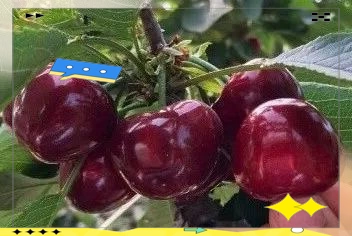
Premature: the fruit of this cherry variety presents a wide heart shape with an average individual fruit weight of about 11. 5 grams. When the fruit is fully mature, its colour changes from red to purple red, and turns to purple black, and its surface is bright and colourful. The fruit is soft, juicy and sweet. In addition, the early fruit is thick and short, the fruit is half nucleus, and the entire reproductive period lasts between 40 and 43 days。
Red light: the fruit of this cherries is renal in shape, red at first ripe, like a red lantern with a tree hanging, then gradually turned to purple and bright. The average fruit weight was 12. 2 g, full of juicy and sweet and red. In addition, the fruit handle of the red light cherries is thick and the fruit is half nucleus, which lasts 35 to 40 days。
Shamy beans: this species originates from canada and is a hybrid product of the vanguard and sam. The fruit is large and beautiful, with an average of 13 grams of single fruit, with a long heart, purple skin and bright colour. They're sour, they're sweet, they're good, they're good. At the same time, the sandy beans have a high level of fracturing and resistance to fissures, with fertility ranging from 50 to 55 days。
Ming jok: the fruit is heart-shaped and weighs 12. 3 grams on average, with light yellow on the background and bright red on the sun and attractive in colour. The fruit and meat are juicy and of excellent quality, ranging from 30 to 35 days。
The estate is red: the fruit, which is the seed of a red light, is equally heart-shaped and has an average of 13 grams of single fruit for 30 to 33 days. When they mature, the fruit is red, it is bright, it is thick, it is fat and juicy and it is sweet。
2. Arsenal selection
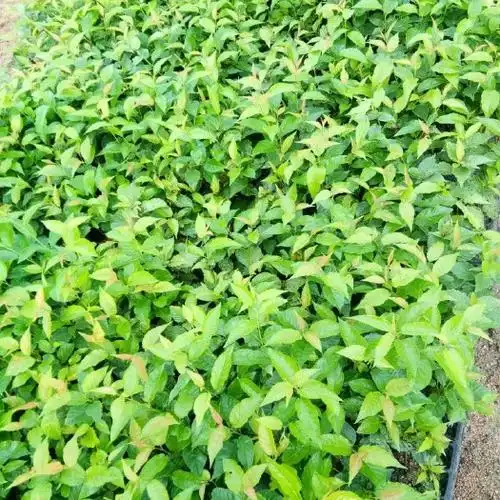
Great green leave: this wood, which originates from shandong smoke, is very friendly, fast-growing and productive. However, it is relatively less resistant to flooding and cold。
Malhali: the wood originated in europe and is also characterized by rapid growth and premature abundance。
Sakura: born in liaoningbun creek, which is of a general level and is slow to grow, but thin and resistant to cold. It is important to note that the causes of cancer are more serious。
Gisela: cultivated by the german institute of research, in the form of condensed logs. Currently, the main types of production are those of species 5 and 6. They are cold-resistant and productive early。
Sakura: this wood was introduced by japan and can be breeded through hard-wire plugs, with a high rate of activity and strong hand-in-hand. Its roots are well developed, its growth is strong and it displays anti-fluorinated properties。
Cultivation in sheds
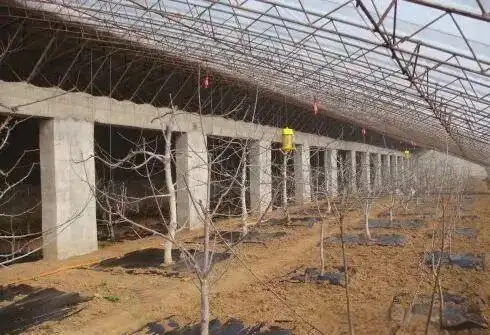
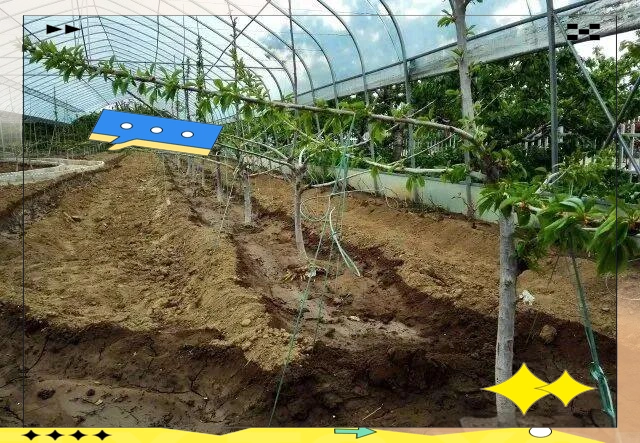
Cherry is planted in greenhouse sheds, usually using mature trees of 8 to 10 years' age. In order to ensure the transfer effect, planting is generally carried out in two or three rows, with a range of 4 metres x 4 metres or 3 metres x 4 metres, and for trees with larger canopy, with the option of single-line planting。
Before planting, it is necessary to ensure that trees have sufficient growth roots and that the wounds are trimmed and pacified, and that root tumors are removed and microbicide treated. When planted, sufficient water should be poured to ensure that trees are able to survive。
In order to promote the growth of trees and enhance their adaptive capacity, it is recommended that, prior to the gerontization and after the spread of leaves, an elf biostimulant application of 300 times the fluid be cast two to three times. Following the spread of leaves, two to three sea elf biostimulants were sprayed to improve the overall nutritional status of the tree。
4. Fertilizer water management
4. 1 fertilizer management
Base fertiliser: usually applied in late august, mainly using decomposed organic fertilizers and applied through radioactive ditches or loops, in conjunction with microcosm. Precipice and pre-flower fat: these fertilizers are mainly based on quick-effect nitrogen fertilizer and are applied in the form of sea elf biostimulants designed to raise the nutritional level of trees, increase sit-in rates and promote the expansion of juvenile fruit. (b) fertilizers: mainly phosphorus and potassium, aimed at further promoting the expansion of the juvenile fruit and improving the quality of the fruit. Fruit fertilizers: the application of balanced composite fertilizers after the harvest will restore both the tree position and the nutrients required to ensure the chrysanthemum. (c) key-stage foliage fattening: before, after, hard core, swelling, colouring, etc., the nutritional needs of trees are complemented by the application of fertilizers such as phosphorus potassium source banks, red banks, sea elf biostimulant foliage。
4. 2 water management
Water irrigation is a key component of cherry growth and needs to take place at different stages of growth. These include pouring water into the bud before heating, pouring water into the flower before flowering, pouring water into the flowering fruit, boosting the growth of the juvenile fruit after flowering, pouring water into the hard core to support the growth of the fruit, refilling the fruit during the swelling period, promoting the growth of the fruit and meat through pre-harvesting, and pouring water into the flowering to help to divide the buds. Water recharge should take place in the middle of the sun, with attention to ventilation and wetting. Water should be pumped under membrane, especially during ripening. At the same time, the use of well water for direct irrigation should be avoided in order to prevent the lowering of the temperature from affecting the roots of growth. It is recommended that reservoirs or plastic drums be built to tan and irrigate in order to ensure a moderate water temperature。
5. Orthopaedic and trim
5. 1 evacuation layers form
This tree shape requires a canopy height of between 3. 0 and 3. 5 metres, with a total of five to six branches. The distance between the first and second branches shall be 80 to 100 cm. The tree needs to have small and medium-sized branches of outcome on its back, while the secondary branches tend to grow on a single head, focusing on small branches of result。
5. 2 hammer shapes
The hammer canopy is maintained at a height of 2. 5 to 3. 0 metres, with 16 to 20 branches of the whole tree. These branches are grown by spiraling disks and are grown on a single head. Each branch is divided into small and medium-sized branches。
5. 3 happy
The height of the pompous tree canopy is also 2. 5 to 3. 0 metres, but the whole tree is divided into three to four branches, which grow in triangles or “tens”。
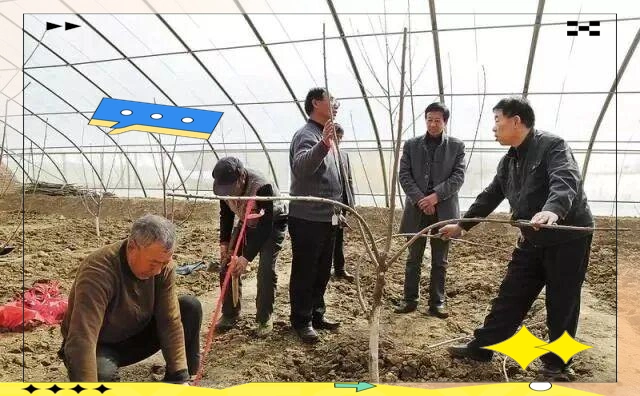
In greenhouses, the plastics and trims of cherries take place mainly during the growing season, while the hibernation period is dominated by light or no cutting. When the fluid begins to flow after heating and when the fruit is harvested, we need to pull the horns and reposition the main branch to ensure good light conditions while at the same time easing the position of the trees and promoting the growth of the short branches, thereby facilitating the formation of the flowers. Within six months of the flower, we strangled the growing branches. Point processing, with 8 to 10 leaves, while we keep 20 to 30 centimetres for graft after harvest. In addition, in order to restructure the tree, we need to remove the competition branches, the cross branches, the overlapping branches and the redundant branches. In the case of long branches, we retrench and further adjust the tree shape in conjunction with the pull. In doing so, we should be careful not to leave a stick to ensure that the wound is flattened in order to heal and that protective agents are painted to protect the wound。
6. Temperature management
During the hibernation period, large cherries need to meet certain low temperature conditions in order to sleep successfully. Usually, when the temperature ranges from 2. 4 to 7. 2°c, the cherries go into hibernation, compared with the cold hibernation periods of 600 to 1,200 hours required for different varieties. In order to facilitate early hibernation of the large cherries, 7-10 per cent of urea can be sprayed in mid-october, which not only contributes to the early fall of the leaves but also increases the nutrient accumulation of the trees. In addition, the temperature of the shed is regulated by coverings such as straw curtains or cotton, which are covered during the day and lifted at night, and when the temperature in the shed reaches the required low cold hibernation temperature, it is stopped. During the first half of november, plastic membranes could be covered pending heating, but during that period the soil would need to be fully hydrated, such as drying in the shed, and water should be filled in a timely manner。
In order to break the sprout of the sprout and promote its homogeneity, 50 per cent-70 times more liquid (between 7 and 10 days with thiophthalms) could be sprayed in the afternoon of the day before the warming in the greenhouse and the curtains could begin to warm the next day. During the week preceding the gestation, the temperature should be below 15°c during the day and 0-5°c at night. As the bud approaches, the temperature rises to 18-20°c during the day, at no less than 5-7°c at night, at 10°c and at 80% humidity. If the shed is wet enough to be low, additional moisture can be obtained by spraying to ensure that the flowers are fully flowered。
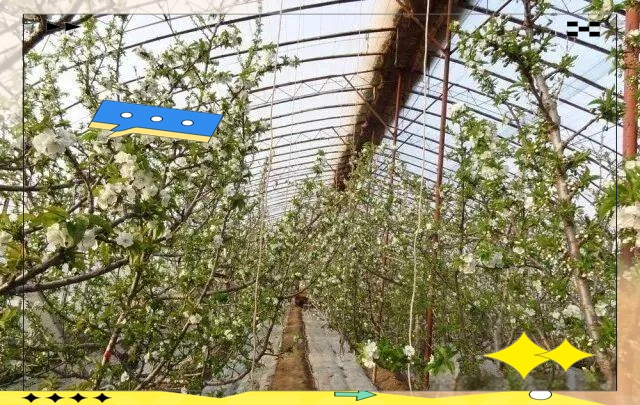
Upon entering the flowering period, when the first flower appears in the cherries in the shed, pbo 80 to 100 times the liquid or pp. 333 200 to 300 times the sedentary fruit can be sprayed. At this point, the temperature is at 16-18°c during the day, at 8-10°c at night, at 15-17°c and at 40-50% humidity. In addition, bee-laying or artificial pollination can be used to increase sit-in rates. It is important to note that the application of plant growth regulators should avoid the spraying of leaves and fresh ground and should take place at low temperatures in the evening to ensure that the fluid is fully absorbed。
7. Flower fruit management
Auxiliary pollination: in order to ensure the success of the pollination of the cherry tree, it is proposed to limit the ratio of pollination trees to the main plant species to 1:4. During the flowering of cherry trees, natural pollination of bees or bees may be introduced or artificially assisted。
Plumbing: when buds begin to swell, flowering should be carried out, mainly to remove thin and over-heated buds. When the amount of flowers is larger, adjustments can be made using pre-flower cuts. Scavenging usually takes place three weeks after the flower, when it is necessary to remove the cillary fruit, the double shoulder fruit, the deformation fruit and the fruit that lies below the branch to ensure a reasonable load and lower nutritional consumption, thereby promoting the growth of the larvae and the separation of the buds。
Pneumatic growth regulators and trace elements: 800 times more fertilizers and genie biostimulants can be sprayed from the beginning of the flower period, with a series of one to two times. During the flowering period, a continuous application of 50 mg/kg of red cactinin and 600 times the potassium phosphorus source bank is carried out every 10 days to increase the seating rate. The repeated application of 12 mg/l of cactinin and calcium fertilizer 25 days before the harvest is applied every 5-6 days, which can significantly reduce the incidence of fibrosis。
8. Disease control
Cherry trees may be exposed to a variety of diseases during their growth, such as adhesive disease, ashilosis and anthrax, which may affect the health of the tree and the quality of the fruit. At the same time, pests, such as salbaum, green blind leaf mites and so on, which eat leaves and fruits, further damage cherry trees. Therefore, there is a need for integrated preventive and control measures and sound scientific use of pesticides to ensure the healthy growth of cherry trees。



