Rural home-grown wood is an agricultural project suitable for family or small-scale entrepreneurship with low investment, short cycles and higher returns. The following is a detailed guide for rural self-earcasting, which helps you to acquire basic technology and management from scratch:
I. Basic conditions for wood farming
1. Environmental requirements
Temperature: mybs grow 20 - 28°c, sub-entity (mixed) grow 15 - 25°c, and temperature differential irritation is conducive to hearing。
Humidity: air humidity 60-70% during fungi and 80-90% during earring。
Light: the fungus phase avoids light, and the ear period needs to be dispersed (to avoid direct sunlight)。
Ventilation: maintain air flow to prevent carbon dioxide accumulation。
Site selection
Indoor (houses, empty rooms) or outdoor (under the forest, in the cold air)。
Simple shades can be built that are clean and far from the sources of pollution。
Ii. Molybdenum cultivation
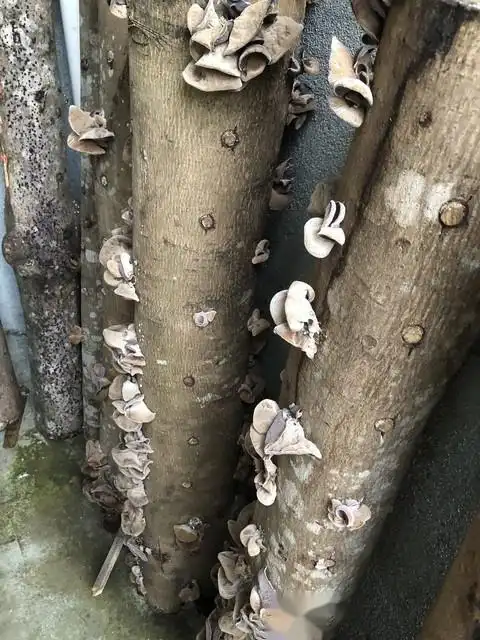
1. Part of wood cultivation (traditional methods)
The following tree species are applicable: zirconium trees, zirconium trees, yang trees, etc。
Steps:
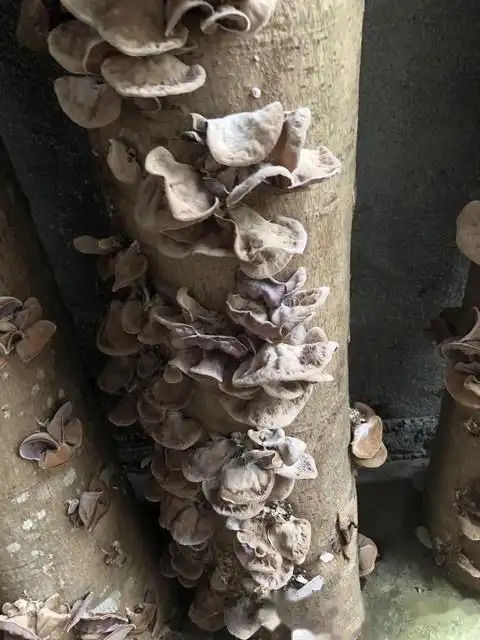
Logging and treatment: during the winter, trees are cut, sawn to 1-1. 2 metres of wood and dried up to about 40 per cent of the water content。
Vaccination: drills (2 cm deep, 8-10 cm apart) are filled with fungi, wax or wooden plugs。
Bacillus management: stacked wood sections, covered by thin membranes to keep warm and humid, regularly stacked。
Ear management: when the fungus matures, the wood is laid or laid, sprayed and wet。
Advantages: high-quality wood, good taste。
Disadvantages: long cycles (6-12 months) and heavy dependence on wood resources。
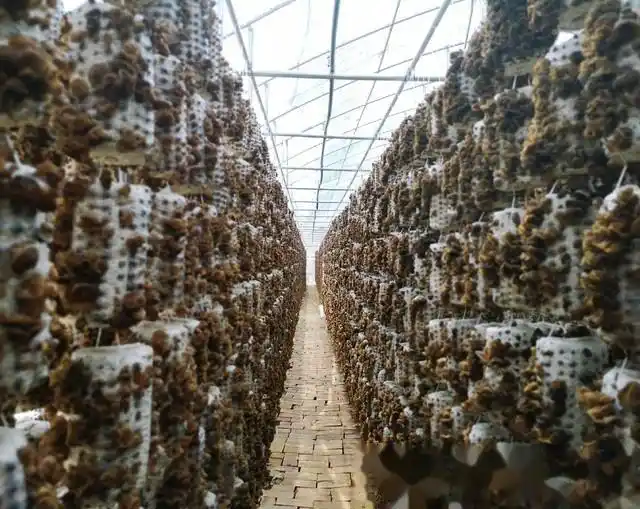
Substitute cultivation (modern mainstream)
Raw materials: wood crumbs (blank trees), cotton seedshells, corn cores, millet, etc。
Example of formulation:
80% wood crumb + 18% wheat thorium + 1% plaster + 1% sugar。
-50% corn core + 30% wood crumb + 18% wheat ion + 2% plaster。
Steps:
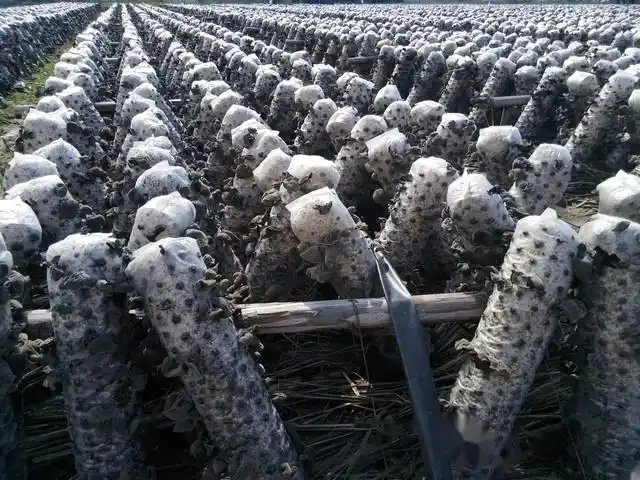
Fabrication in bags: mixed raw materials in bags (polypropylene bags), high-pressure or common-pressure vapours in bags (100°c maintained for 8-12 hours)。
Vaccination: access to bacterial species in sterile conditions after cooling。
Bacillus: luminous culture, temperature 22-26°c, regular detection of contamination。
Ear management: the fungus is full and bags are opened, the v-shaped mouth is stimulated and the humidity is maintained。
Advantages: short cycle (3-4 months), easy availability of raw materials, suitable for scale。
Key management techniques
1. Pest management
Common diseases: green mold, chain mold (control: strict sterilization, detection of contamination in a timely manner)。
Pests: mites, nematodes (the environment can be sprayed with lime water to avoid pesticide use)。
2. Water management
Spraying uses mist and avoids the direct brushing of ears。
Dry and wet alternation: ventilated drying after spraying to prevent high temperature and wetness from causing rotting ears。
Collection and processing
Timing of harvest: thinning, stretching on the edge of the earpiece, without ejecting the spores。
Method: take root and remove impurities。
Leaning: sunshine or dry at low temperatures, with water content reduced to less than 13 per cent in storage。
Cost and benefits
Initial investments (in the case of a proxy plant of 1,000 bags):
Bacillus bags, raw materials: around 2000 yuan; fungi species: 500 yuan; equipment (preventable pots, etc.): 2,000 yuan。
The cost is about $4,500。
Gains: 40-50 grams per bag of dry ear, at a market price of 40 yuan per pound, and 1,000 bags of income of approximately $3,200-4,000。
Two to three batches per year, with greater profit margins。
V. Notes
Bacteria need to be purchased from formal sources and selected to adapt to local climates (e. G. “black 29” “single 5”)。
Avoid the use of pine, typhus-bearing tree species, which affect the growth of mycelitis。
3. Take care to cool during high summer temperatures and keep the membranes warm during the winter。
Marketing channels suggest early contact: agricultural markets, dry stores, electric power platforms, etc。
Vi. Recommendations for outreach
Under-forest cultivation: use of orchards, forest space, site conservation and eco-friendly。
Recycle: waste-baskets can be used as organic fertilizer back in the field and wood crumbs can be reused。
Through scientific management and patient practice, rural home-grown wood-earths not only meet household food needs, but also develop into niche industries that contribute to increased enrichment. Small-scale seed testing is recommended at an early stage and will be scaled up after experience has been gained