


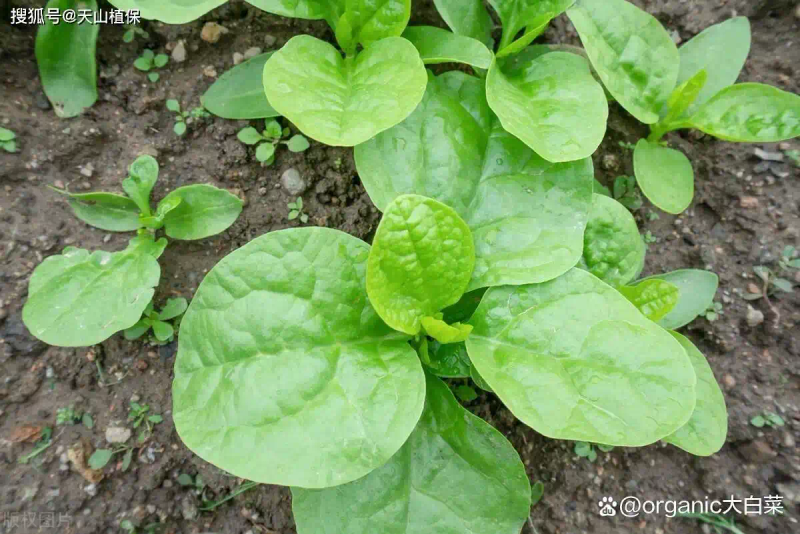
1 main planting techniques
1. 1 cross-cutting arrangements
The spring and summer season (early spring) was broadcast live in mid-february, and the harvest began in early april。
In early october, the harvest began。
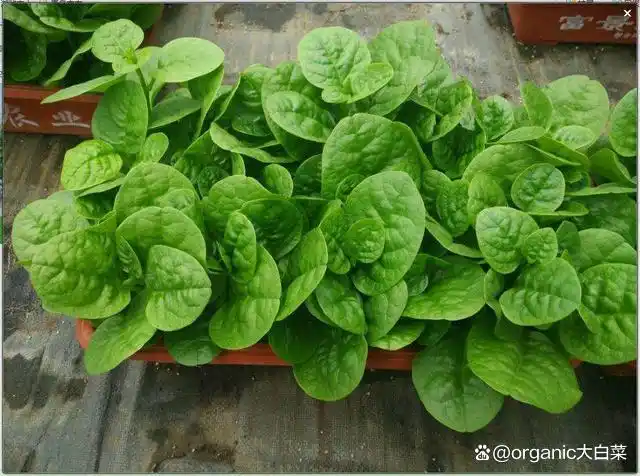
1. 2 feed preparation
1. 2. 1 choice of varieties。
1. 2. 2 seed treatment
(1) seed disinfection: seeds are placed in 50% mg. Or 1000 hmm solution leached 12-24h。
(2) drumbs: seeds are placed in hot water of 50°c ~ 55°c, mixed from 10 to 15 centimetres, extracted, placed in containers, covered with wet towels, then sprung under environmental conditions of 26°c ~ 28°c, washed with water one time a day, 70% of the seeds can sow。
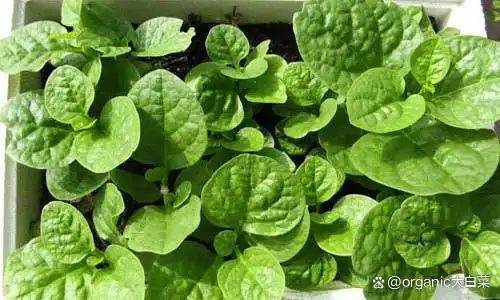
1. 2. 3 preparation for seeding
(1) springs and summers (early springs): 15d-20d before planting, shacks closed and room temperature raised。
(2) autumn and winter (autumn and late evening): 7-10d shacks before seeding, closed huts, high-temperature huts, killing some of the endemic bacteria and underground insect eggs. Sannon
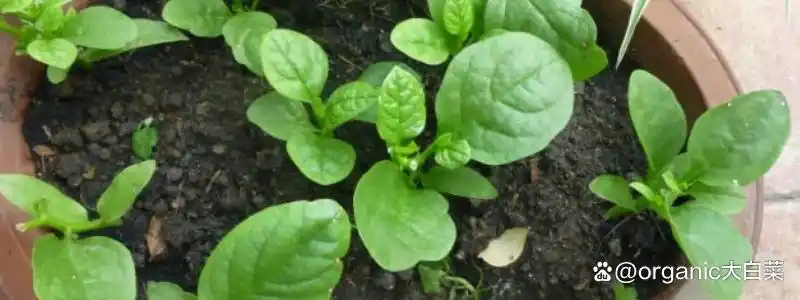
1. 2. 4 fertilizing the ground
Before landing, the surface of the ground will be spread from 5,000 to 6,000 kg/acre of decomposed quality organic fertilizer, followed by 20 kg/acre of phosphate, 15 kg/acre of urea and 10 kg/acre of potassium sulphate, which will be spread evenly on organic fertilizer, with a depth of 25 to 30 cm tillage and a full dredge。
1. 2. 5 complete
It's 1/2-1. 5 m wide, 30 cm wide, 15-20 cm tall, and it's flat。
1. 2. 6 greenhouse disinfection
Before planting, 1d closed greenhouses, fumigation disinfection, 30% bacillus fumes 200-300g/medical costs, 10% ipropyl 250-300g/acre intermingled fumigation with sawdust 24h, open the vent the next day until the smell is exhausted。
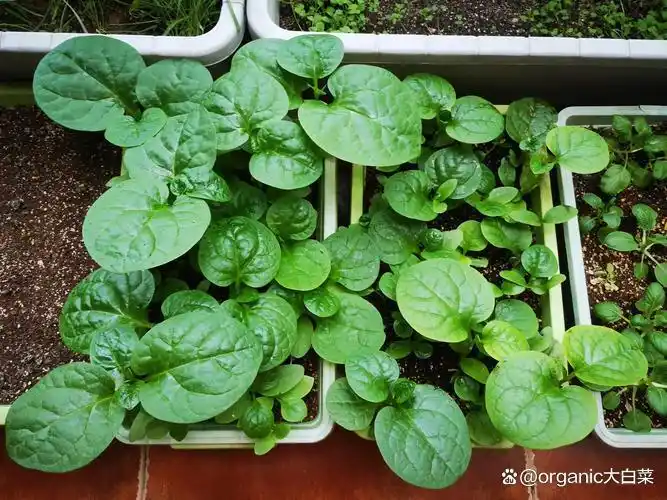
1. 3 seeding
The seeds are spread evenly into the ditches, covering 1. 5 to 2. 0 cm of soil, and then covering the membranes with temperature and humidity。

1. 4 field management
1. 4. 1 temperature
(1) springs and summers (early springs): the temperature is at 22°c ~ 25°c during the day, at 12°c ~ 14°c at night, at 26°c ~ 28°c at the day and at 13°c ~ 15°c at night, before seedlings。
(2) autumn and winter (autumn and late evenings): after seeding, care should be taken to keep the shade cooling down and to prevent long periods of seedlings. When the temperature is further reduced in the autumn, the cover of the warm cotton begins at night, with early exposure and cover, and the temperature is kept at 15 °c ~ 20 °c during the day and not less than 10 °c at night。
1. 4. 2 lights
Choosing a luminous film with light-transforming properties and always keeping the film clean; luminous eardrums planted in spring and summer, which open warm cotton during the day and maximize the lighting time; and luminous eardrums planted in autumn and winter, which properly cover the cooling of the sun, which enters the month of november, when snow temperatures fall sharply in the middle of the sun, need to be filled with light and warm cotton must be covered early and late。
1. 4. 3 sapling between
When a seedling grows to two to three leafs, when a seedling grows to four to five leafs, the seedling is set at a distance of 30 cm and the weeds are removed from the fields。
1. 4. 4 cultivated grass
Weeds are easily grown during the period of growth, and weeds should be grown in practice。
1. 4. 5 humidity
Reduced humidity through ventilation, air-refreight drainage, temperature regulation and the relative humidity of the air is appropriate at 70-80 per cent。
1. 4. 6 watering
Although warm and damp, mussels accumulate water, every time they are picked, and once water is poured. Water is not available throughout the reproductive period and the soil should be kept humid。
1. 4. 7 following fat
When the plant is 10 to 15 cm in length, the three-dollar compound fat (20-8-8) 10 to 15 kg/acre, then the three-dollar compound fat (20-8-8) 5 to 8 kg/acre, and then, depending on the size of the plant, the proper application of one or two per cent of the potassium leaf fat of phosphate to promote the emergence of new stalks and the fatting of leaves. In the case of seedlings grown after autumn, when the external temperature has fallen to 10°c ~ 12°c, they should be kept warm in time, and water should be poured once before the shack, after which the sum of three cents (20-8-8) 20-25 kg/acre, other methods of fatting are roughly the same。
1. 4. 8 roast chickens on board
With 1. 5 to 2. 0 m poles, each pole is placed into a “human word” frame, or a fence, and when the plant is 20 to 30 cm tall, the chicken is drawn up. This will improve ventilation and light conditions so that plants are distributed evenly and rationally in space。
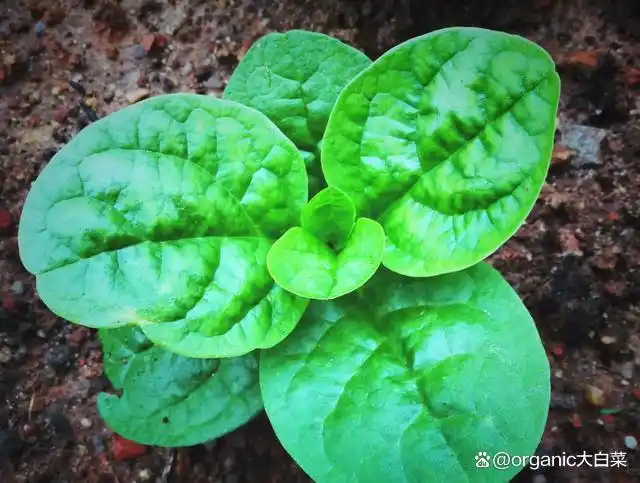
2 major pest control
2. 1 major diseases and pests
The main pests are brown spots, asympathies, aphids, etc。
Principles of prevention and treatment
Full application of the “preventive and integrated approach” approach to plant protection firmly establishes the concept of “public plant protection, green plant protection, scientific plant protection” and upholds the principle of non-hazardous chemical prevention and control supported by agricultural, physical and biological control。

2. 2 methods of response
2. 2. 1 agriculture control
Selection of disease-resistant and disease-resistant varieties, selection of disease-free seeds, implementation of 2-3 years of rotation, strengthening of cultivation management, timely ventilation, prevention of high-moisture weather rooms, implementation of balanced fertilization, increased resistance of plants, timely clean-up of pathological disabilities, burning or deep burying, removal of leaves, removal of weeds and reduction of pests。
2. 2. 2 physical control
(1) ventilation vents cover the 40-60 purpose insecticide-treated nets。
(2) using 30 cm x 20 cm yellowboards, baskets to trap aphids, white lice, cedars: the basket is 3:1, with a distance of 20 cm above the plant and 35 to 40 cm/acre。
2. 2. 3 biocontrol
Insects such as ladybugs, fly-eating flies and grasshoppers are protected and are artificially released, making full use of natural enemies to control aphids and white ticks。
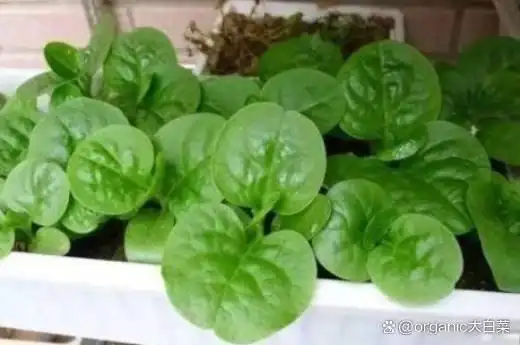
2. 2. 4 drug control
(1) brown plaster disease: 25% esters 1500 to 2,000 times liquid spray pre-incident. In the early stages of the disease, 47 per cent of garrinon's humid powder 800 times more liquid, or 75 per cent of the bacterial humid powder 800 times more liquid spray, and the pharmaceutical agent is used alternately, one or two times, and the above shall be used alternately, only one time for each drug. 5-7d before picking off drugs。
(2) grimble disease. Before the onset of the disease, 25% of the ethylene ester 1500 to 2000 was used for prevention. In the early stages of the disease, 50% of the fungus morbid powder (shawkling) was treated with 1000-1500 times more liquid, or 65% of the methadone humid powder 1000-1500 times liquid, or 25% of the ether pyrethrin (amisida) suspension 2500-3000 liquid spray control, substitution of the agent, 7-10d treatment, 1 treatment, 1 or 2 treatments, 5-7d treatments before extraction。
(3) aphids: when the quantity of aphids reaches 700 head, timely treatment is provided. Fifteen hundred times the liquid, or five per cent of pyrethroid emulsion 1,500 times the liquid, or 0. 3 per cent of indoctrinate emulsifiable cream 600-800 times the fluid, or 0. 3 per cent of bitter alkaline water agent 600-800 times the spray spray, 5-7d between 1 and 2 successive times. The agent is used interchangeably, only once for each. The first seven to ten d of the extraction stopped using drugs。



