In the context of the growing demand for black moot in the market, which is a common food item in our lives, the pace of economic development has been accelerating in recent years and the standard of living has been improving, requiring its growers to choose scientific cultivation techniques and to increase its production to meet actual demand. This paper begins with an analysis of the cultivation techniques of the black moor, with a view to assisting the persons concerned。
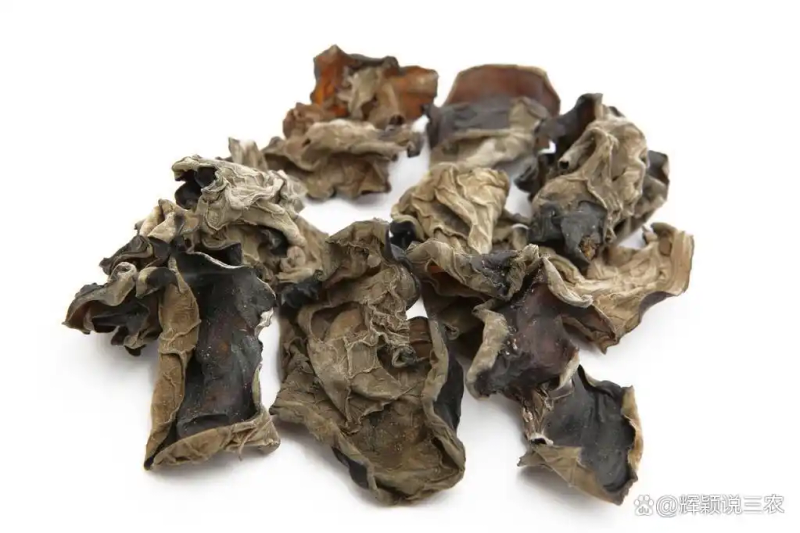
It is a fungus plant that is suitable for growth in a medium- and low-temperature environment, with an optimal growth temperature of about 17°c, and under these conditions it is deeper, thicker, of the best quality and the highest yield. When the growth environment of the wood is above 28°c, the colour of the wood is poor, the meat is thin and of low quality, and if the growth temperature of the wood is high, it is affected by other bacteria. Black moor is suitable for growing in areas with a mild climate, in particular to ensure sufficient sunlight and sufficient precipitation, in addition to a longer period of frostlessness. Only in such an environment can the consumption of bacteria grow better。
I. The time of the showing of the moore
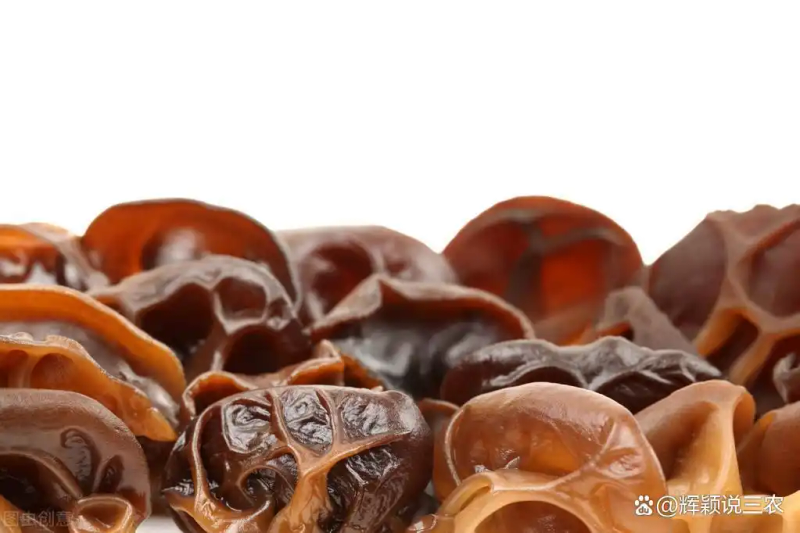
The growth of the black ear is generally avoided by the rainy season, which, combined with its low-temperature characteristics, tends to be suitable for its growth in the months of october to april of the second year, and its timing is approximately four months, with a total of about three picks taken, the first two of which were larger in quantity and quality and a larger share of the output. It is therefore essential that planting time be organized scientifically. In general, bags were made in late july and early august, puncture holes were made in october, and wood harvesting was completed before the rainy season。
Formulation and production of plant materials
1. Formulas for planting
The growth process of the black muir requires abundant nutrients and therefore must be properly matched with planting materials. In general, there are two formulations for black-mule planting. One, 78 per cent of wood crumbs, 12 per cent of wheat mills, with appropriate amounts of cotton seed shells, plaster, lime, and approximately 50 per cent of water. Twenty-five percent of wood crumbs, twenty-five percent of weed, ten percent of wheat, with cotton seed shells, plaster, lime, about 50 percent of water. In addition, the quality of the auxiliary material should be ensured and the preparation of the kits should be avoided using substandard materials。
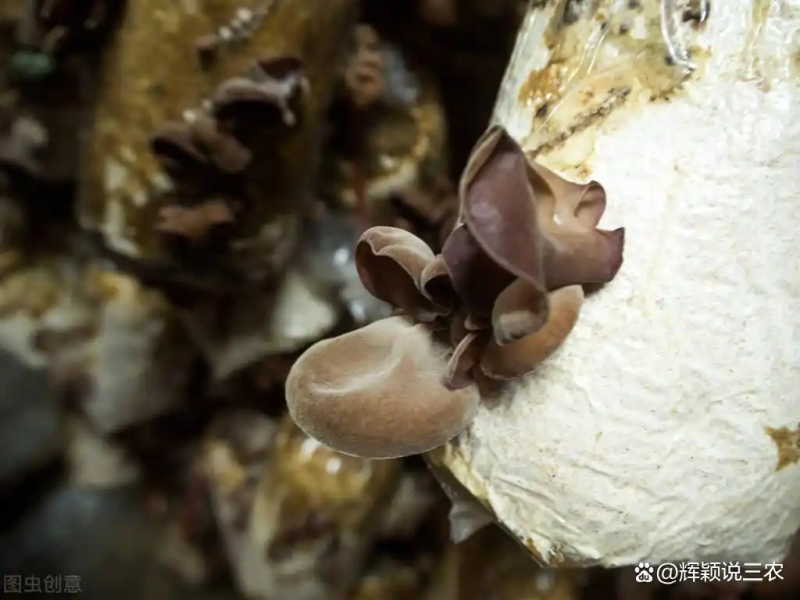
Production of plant materials
First, lime, wheat plaster, plaster and plaster are distributed according to scientific proportions and are mixed and mixed until evenly. The wood crumbs are then put into it, which is also to be evenly mixed, with a proper amount of water, a mix, a filtration, a hand-strangling, and water seepage, and the optimal amount of water when no drops fall. With the mixing of planting materials, managers are required to carry out bagging at the same time to avoid the acidization of planting materials, resulting in losses。

Iii. Inoculation phase
In practice, managers usually use vaccination kits for the relevant inoculations, and normally each fungus is vaccinated with three dens at the time of inoculation, when the bacteria in the fungus are in the best form or in the best form, with about 20 per 500 grams of fungi. When the bag is finished, you can leave the box. It is worth noting that, at the time of vaccination, the temperature of the material bag is consistent with the temperature suitable for the growth of the black wood ear. If the weather is clear, the vaccination time can be chosen at night. At the same time, in order to ensure the quality of the bacterial species, strict control of the duration of vaccinations, within 30 minutes, reasonable control of the humidity in the inoculation box, and in cases where thin film plastics are adhesive, indicating higher temperatures, it is not appropriate to carry out vaccinations。
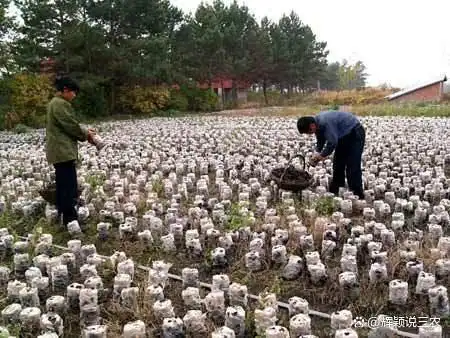
Iv. Pocket and fungi stage
The best time for puncture holes is when the fungus is full of tubes, the fungus is ripe, the diameter of the holes is around four millimetres, the depth of the holes is around five millimetres, and each bag is about one hundred and ninety holes. Upon completion of the piercing, the fungus are set according to a certain pattern, generally in the form of well fonts, with heights below six layers and two per layer, which facilitates heat dispersion, ventilation and light. Some six days after the piercing, the mycelium will appear in a fuzzy state, at which point the planters will be able to work on the ground floor. In microbreeding, the light intensity is reasonably controlled to promote rapid growth of mybs, thereby increasing the production of black wood。

V. Managing the delivery period
One, the whole bed
It is important to do the whole bed during blackwood ear cultivation. The height of the platinum is generally around 15 cm, and the width of the plume is generally around 2 m, depending on the circumstances of the situation。

Two, bags
First, the ear beds are watered and disinfected, usually by plastering. In addition, in order to avoid soil contamination, they are generally protected by covering the ground, with the fungus being placed around 13 centimetres apart from each square metre, in a sequence of 25 bags. Upon completion of the bag-laying work, dry straw curtains shall be placed on it, and the temperature shall be monitored to ensure proper temperature and ventilation。

3. Managing the base formation period
The tubes are placed for about six days, at which point the blackwood ear growers require water spraying to promote rapid ear growth, twice a day, usually once before the sun and once after sundown, with water sprayed for about 15 minutes, with no water sprayed during rain, and with an appropriate reduction of water spray time in the shade depending on the actual situation, about seven days before the headphone appears。

4. Management of growth and development
When ear-wires appear, black-mule growers are required to control the intensity of the spray and conduct water-jet operations depending on the temperature. In the middle of the day, water can also be sprayed twice, and the time of each spray is controlled at about 20 minutes, and when the earpiece is about three centimetres, it is again expected to increase the intensity of the spray and the length of the spray. When the earpieces have enough moisture, they can no longer spray。
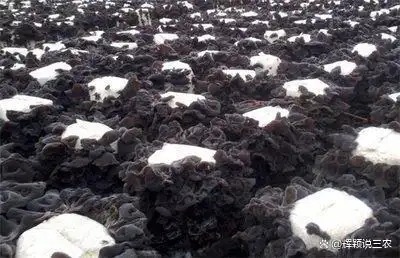
Collection
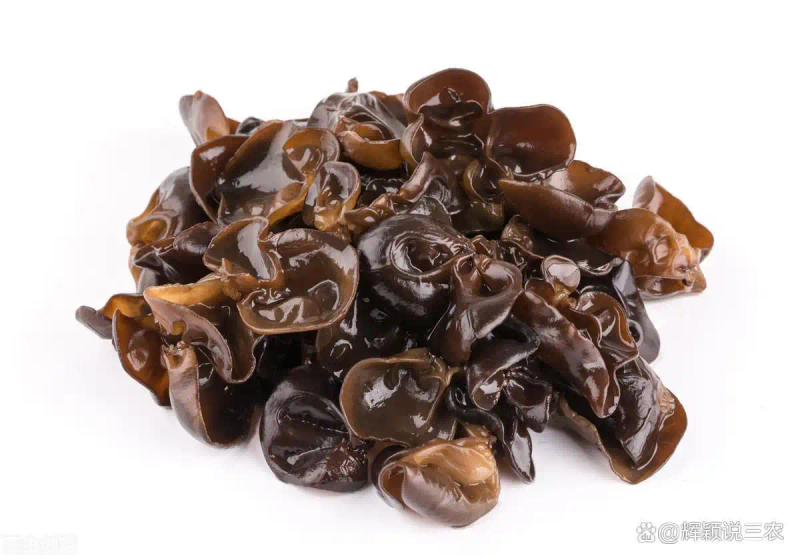
In general, eardrums grow for about 25 days and can be collected when the eardrum is four centimetres large. Small eardrums should be retained to avoid over-maturity. At the same time, the harvest should preferably be scheduled in the middle of the day in the middle of the morning, after the day when the spray has stopped。
In sum, black muir has become one of the most important ingredients in people's daily lives. As demand increases, it is necessary to strengthen its management by regulating planting techniques, increasing its production and improving its quality。