


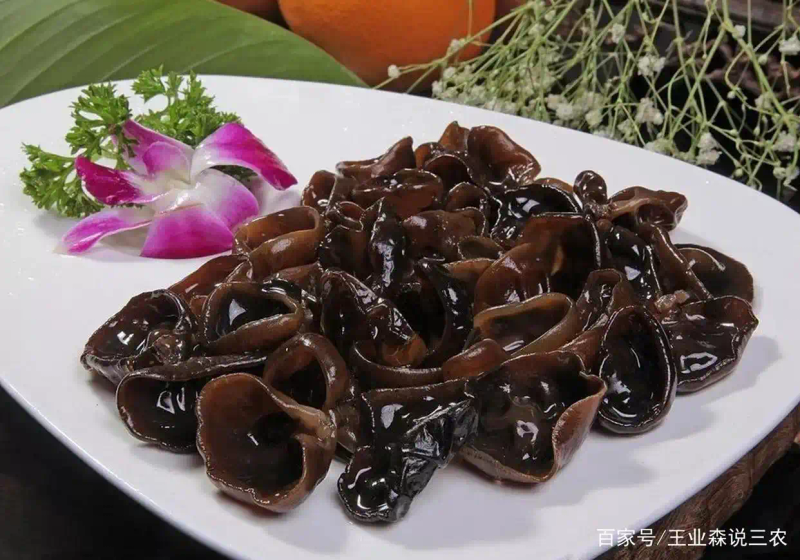
(i) ecological conditions
(1 nutrition: mainly from carbohydrates and nitrogen-containing substances. Cultivation consists mostly of sawdust, cotton shells, corn cores, soybean slurries, and a few more cane sugars or millets。
(2) temperature: a meso-temperature fungus with a maximum growth temperature of 22 ~ 28c; sub-entity formation and growth at 15 ~ 309c with a maximum temperature of 18 ~ 25c; euphoria temperature of 20 ~ 35c with a maximum temperature of 25 ~ 28c。
(3) water: the culture base contains 60% ~ 65% water, and the growth of indoor air should reach 85% ~ 90% relative humidity during the filament culture。
(4) light: the fungus filament of the black moor grows well in dark conditions and can also contribute to the emergence of a sub-entity during the filamental growth phase. However, the formation and development of sub-entity requires a large amount of dispersive light and a small amount of direct light in order to allow the earpiece to be fully extended and the flesh to be black。
(5) air: black moot requires indoor air circulation。
(6) alkylity: appropriate for ph 5. 0~6. 5。
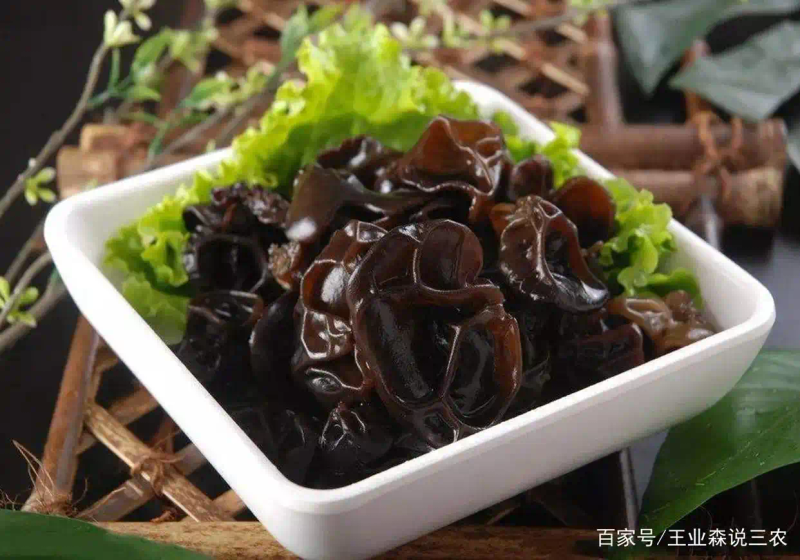
(ii) cultivation season
The black wood ear is a medium-temperature mushroom, and the sub-entity of north china grows in protected areas in april-june and 8-october, with two seasons per year. In the north-east, early-literate varieties are to be produced between spring and early march; late-literate varieties are to be produced between new year's and spring。
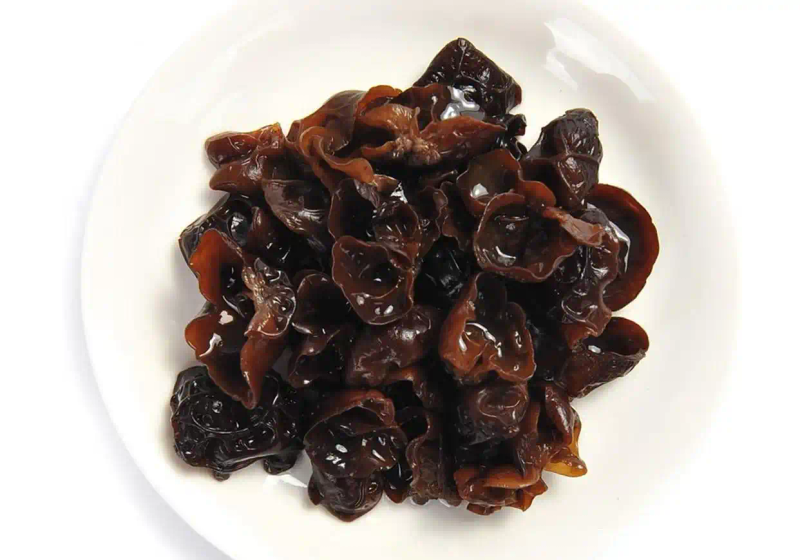
Plantation technology 1. Raw material and formula core flour 98 per cent, sugar 1 per cent, plaster 1 per cent, plus vitamin b2 microtons, fully modulated and watered, the humidity of which is appropriate to hold the water in a tight hand and dripping, mediating the acidity of ph 6. 5-7. 0. It is then made of 0. 03 ~ 0. 05 mm polyethylene plastic membrane (pvm) in a double bag with 33 cm long and 23 cm wide, with a round hole in its 2/3 section, with a normal aperture of 5 ~ 7 mm, a pore range of 40 ~ 55 mm, a 34 cm long outer bag, 24 cm wide and no punch。
2. Bagging sterilisation
The plattered materials will be placed in a double bag, with bamboo rings in the mouth, like a bottle, with a 3-storey newspaper on the mouth, a layer of oxen paper, a bottle of which will be taped tight and evaporated 8-12h at 100c high temperature。
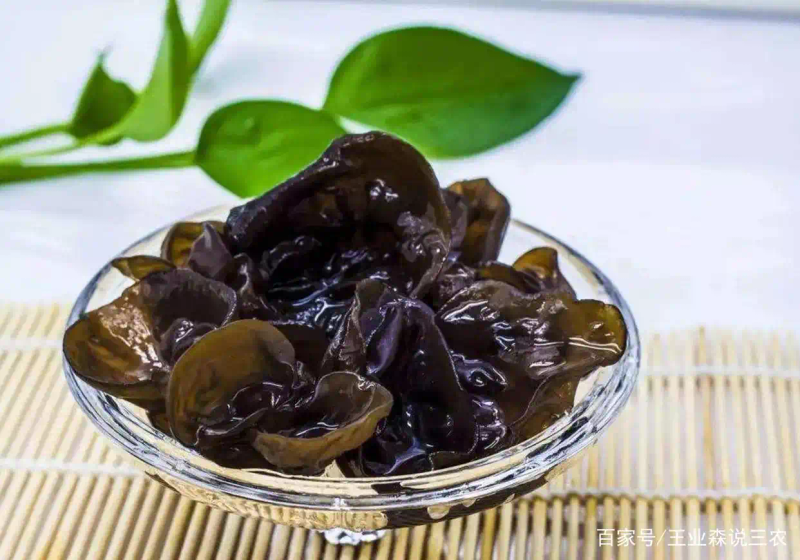
3. Vaccination training
Vaccination rooms, kits and other inoculation tools are prepared, and once they have been sterilised on a routine basis on the day before the vaccination, they are fed into the culture and then treated once more. At 18~28c, the culture temperature is 18~28c, opening the bag, putting a small wooden rod in the middle of a human bag, hitting a round hole, planting the fungus into the human hole and the surface of the pocket, and planting about 20 bags per bottle. The seal was removed from the paper, but a three-storey newspaper was sealed and then sent to the culture room where the disease had been eliminated. The culture room requires light or no light, room temperature is maintained at 23 ~ 24c and air is relatively wet at 55 ~ 60%. Under normal conditions, around 30d mycelium can be packed in bags and moved to the growth stage。

4. Cultivation management
The culture rooms shall be made up of incubators, many of which shall be tied to poles or wooden strips, and shall take due account of appropriate ventilation, light, manual work and space utilization. The floor is at a distance of 66 cm (2 feet) and is set at 4 floors from the top down. Before the bag is suspended, with the exception of sealing paper and bamboo rings, the end of the bag is tightened with a rope and the other end is attached to the culture shelf, carefully removed from the bag and protected against impurity. When the bag hangs, 3-5d does not water, until the fungus that were injured when the bag was taken off are brought back to life and water is sprayed three times a day. The relative humidity of the air remains at 85% ~ 95%, the dispersing light is sufficient and the temperature is not too high so that the black wood ear can grow。
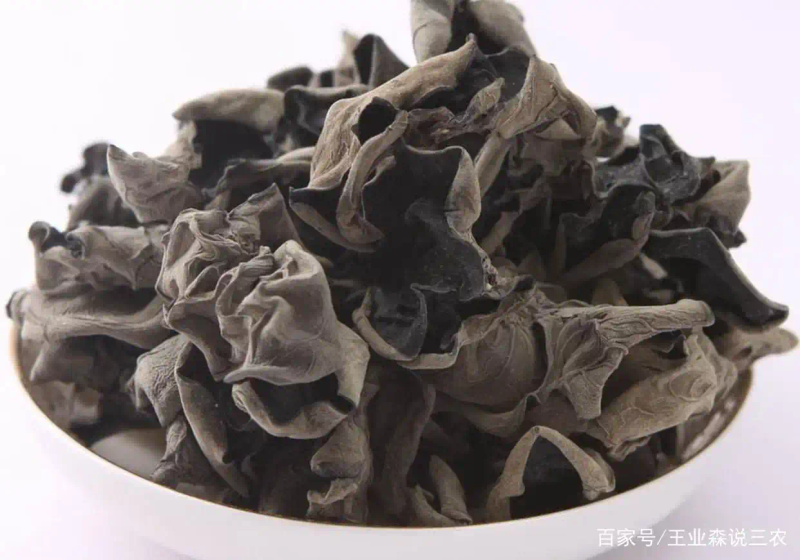
5. Technical aspects of land cover for black wood
At present, the mammoth is cultivated with the highest yield and of good quality。
(1) nutrient formulations
(a) 1 maize core of 88 per cent, gill skin of 5 per cent, corn powder of 5 per cent, plaster of 1 per cent, lime 0. 1 per cent and calcium phosphate of 0. 9 per cent
2 corn core powder 98%, plaster and sugar 1%。
The formulation method adds water to the above-mentioned formulations, bringing the water content to 65 per cent, ph to 6. 5 ~ 7. 0, and tightens the back of the bag, often crushing 8 ~ 12 h. Vaccination is carried out according to the usual method. (4) strip the dust: when mybs are full of bags, take the dust out. It requires mushroom sheds, which are bright, well-ventilated and easily drained. In the mushroom sheds, tungsten is 30 cm tall and 1 m wide, with turtle-shaped backs. The soil of the earth is better than the topsoil of the earth. The fungus bag, which is full of mysis, is broken with sharp blades and removed from the film bag, a barrel to the surface, covered immediately by wet soil of 1-2 cm and wetted by a film。
(5) after an ear management bag is removed, 2~3d, white mycelium begins to stretch into the soil and 10~20d ear buds are released, when the film is removed and water sprayed and sprayed with 1~2 per day. When the head mushrooms are taken, water is stopped and small arches of thin membranes continue to be built to restore mycelium to its growth, which is managed as above, with a view to harvesting the second mushroom, and so on。
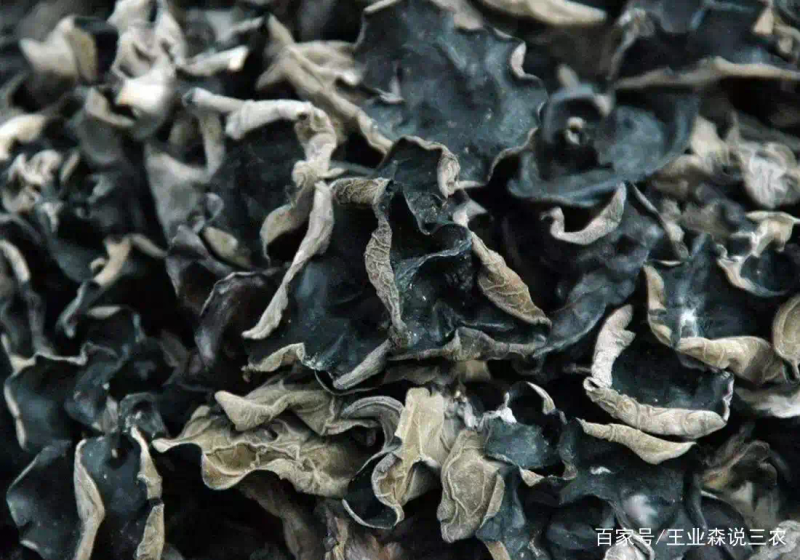
(iv) major pests and diseases and their main diseases: green fungus, rotting ears。
Method of prevention: 1 attention to sanitation; 2 maintenance of ventilation; 1 per cent of lime water every 3d after three ears; 4 timely harvesting。
Main pests: pseudo-walkers, parrots。
Method of prevention and treatment: in march-april, 200 times more dichlorvos was sprayed on the ground during winter insect activity。
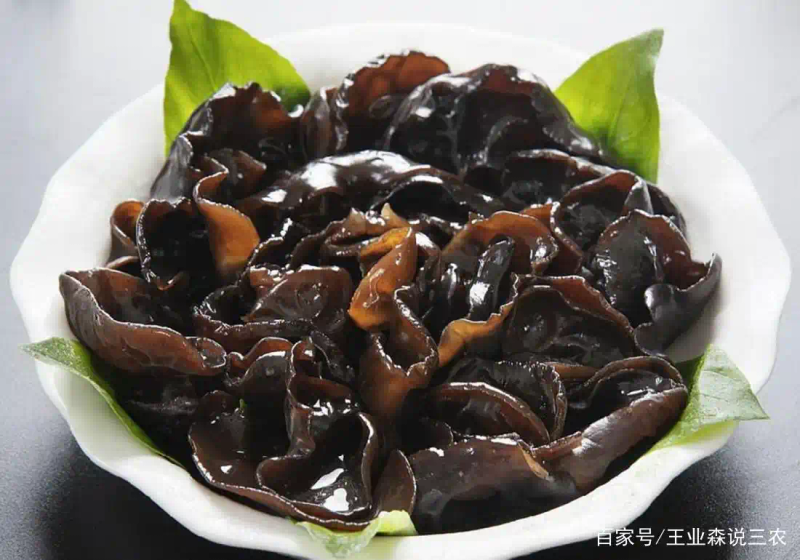
Wrap-up: the earpiece matures and can be picked up when it is softened, the inside of the edges and white spores appear on the abdomen. A knife was used to cut the ear from the bottom of the ear. The harvests are mature and small, with a collection of harvests, generally yielding 3-5 tides. Pick it and dry it。



