At present, the main source of global wood is mainly my country and japan. Wood can be made of delicious foods of high nutritional value. Wild picking and artificial cultivation are available and market-efficient。
As a major exporting country, we should vigorously develop artificial farming and contribute to industrial revitalization。
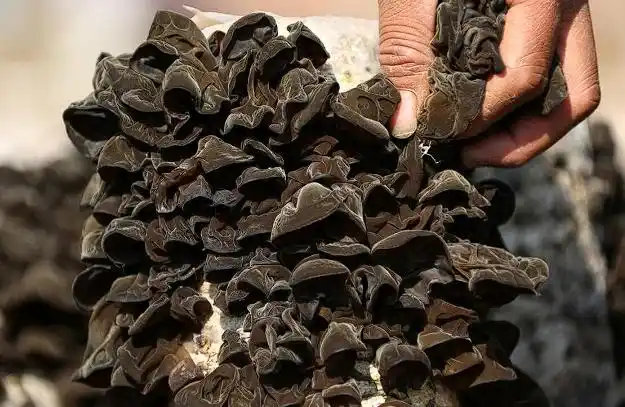
Although the cultivation of wood is currently developing on a large scale, its development is severely affected by the small number of wood and the increasing number of pests and diseases as a result of the variety of varieties and lack of scientific methods of cultivation。
What details should we all take into account if we want to be rich by planting wood
Kiki told us today how to be scientific and rational. Mooch
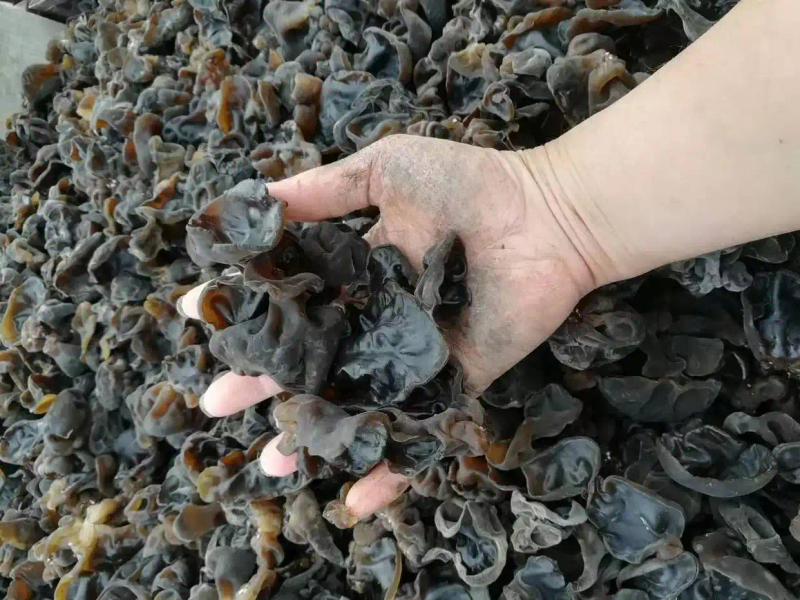
I. Cultivation methods
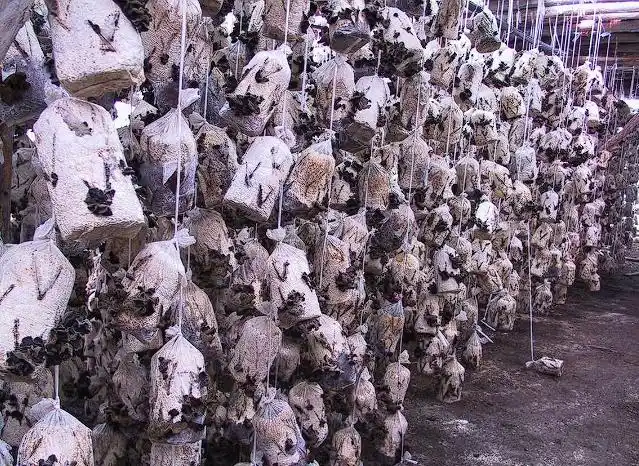
The level of production of mulls depends on the quality of their vaccinations. The traditional method of planting the wood is wood planting. The method of inoculation of wood crumbs is relatively simple and usually consists of three steps: the digging of a cave, followed by the injection of the fungus into the hole and, finally, the wearing of a bark hat。
Inoculations of the bacterium are made from lumbers, which are strictly required for the pores, which are consistent with the requirements of the crumb, and the diameter and depth of the inoculation are determined by the depth of the bacterium。
During vaccination, a small amount of wood crumb is placed in the inoculation hole, which is then taken out, which is then inserted into the inoculation hole, and is then struck with a hammer, which flattens the ear and branch surface。
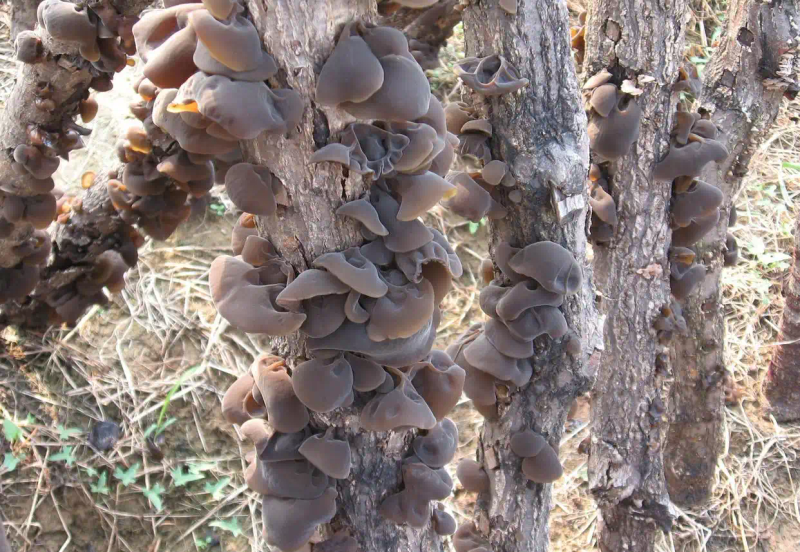
Bacteria infections caused by rain-fed water or by the drying of bacteria lead to decay, affect the amount of mushroom ears and keep branches and holes open。
Small basins and valleys where bacteria are grown are abundant, hydro-energy resources are abundant and suitable for wood ear cultivation, which can be cultivated at will. The main objective of this method of cultivation is to enable the rapid spread of myths in the wood, to facilitate the rapid transformation of the wood from nutritional to reproductive growth, to increase the quantity of the wood, and to increase the production capacity of mushrooms。
Ii. Field management
(i) field management measures
After the spring, the temperature has gradually recovered and is well suited for fungi growth, but in the spring there is more rain, more fungus and more pests. It is therefore necessary to strengthen field management in order to ensure the production of wood。
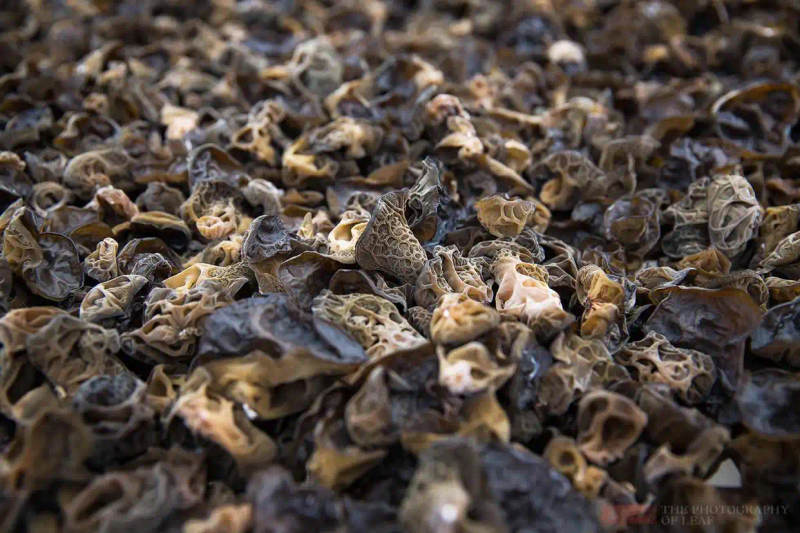
Good ventilation in the field of ears should be maintained during the wood-earing process. Because of the need to maintain dry and wet alternations in the outside environment during the growth of wood, the production of wood requires sufficient moisture, and in a dry environment the mybs must have sufficient oxygen to restore growth, store nutrients and increase disease resistance. So keep good ventilation。
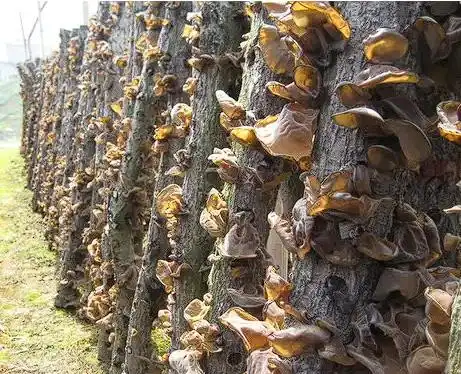
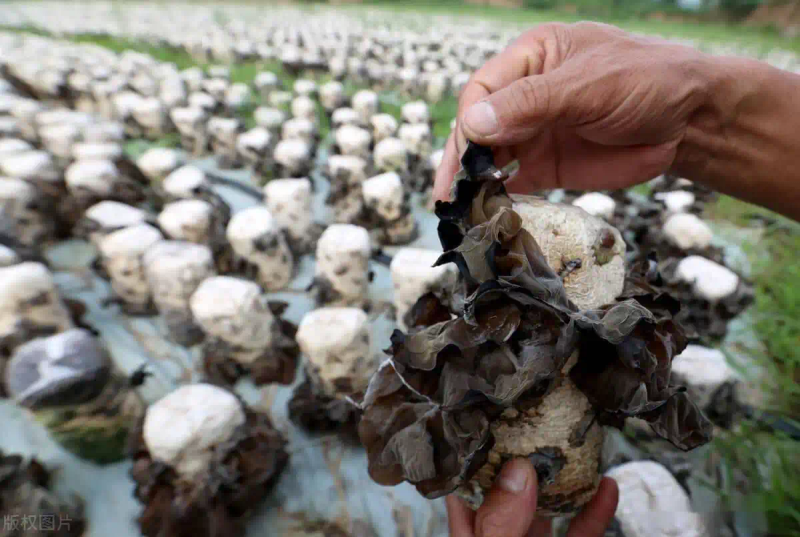
Mooches generally appear in march-may of each year, which is the spring of heavy rains, so that farmers pay timely attention to weather conditions and avoid the flow of ears caused by heavy rains. In order to harvest wood in time, harvesting methods can be large, small and avoid centralized harvesting。
In addition, temporary huts will be built and covered with film and rainproof measures if they are not picked in time. Keep some space while you're covering it。
Weed hazards seriously affect the production and quality of black wood. However, during the production of black wood, weeding with herbicides such as glycol is prohibited to avoid pesticide residues。
Iii. Supporting industrial revitalization
(1) improved application of science and technology
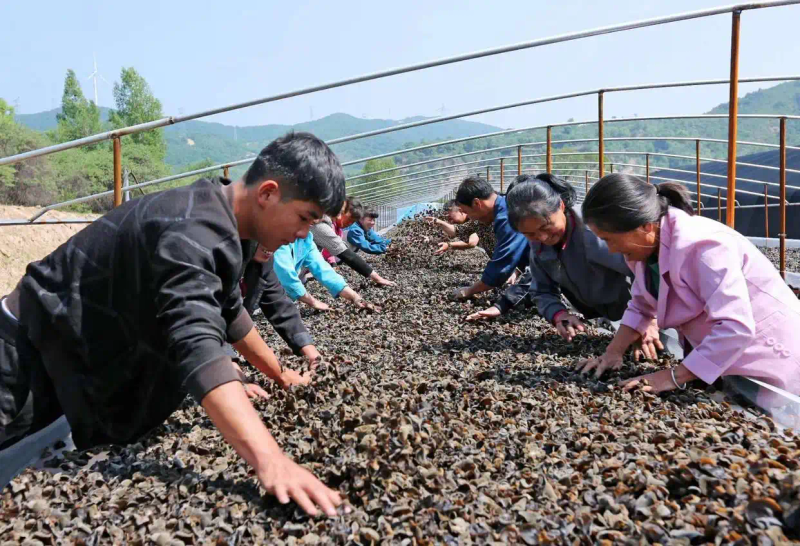
In the field of wood farming, the application of science and technology should be improved, the use of ear mining techniques should be enhanced, local farmers should be given an accurate combination of wood farming, and wood farming should be improved, with a gradual shift from traditional scale cultivation。
Development models provide for precision farming methods and scientific field management, selection of high-quality varieties, introduction of standardized farming techniques and enhanced mechanical use。
In addition, infrastructure and equipment in the wood-growing production areas should be strengthened, research and development bases established, quality varieties developed and effective preventive and control measures sought。
(2) fostering integrated applications
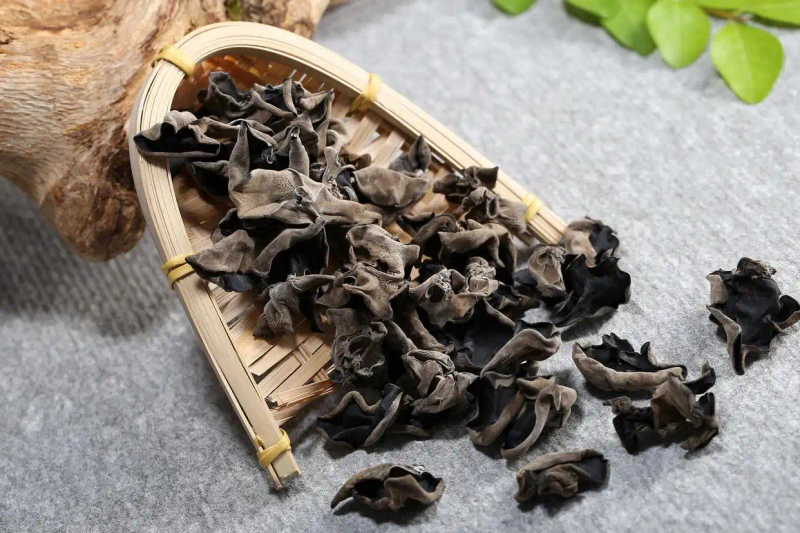
(b) strengthen the dissemination of skills in wood-growing techniques, adopt policies to attract foreign talent and support the return of talent for the development of the wood-growing industry. Farmers are encouraged to learn about wood technology, to open agricultural colleges, to offer courses in wood farming techniques and to develop a comprehensive and applied talent。
Organization of seminars and training courses on wood-earthing techniques, expansion of knowledge of wood-earth culture among farmers, enhancement of wood-earthing techniques among farmers, “one-on-one” service activities, reaching the grass-roots level and becoming a technology for the professionalization and scientificization of wood-earth cultivation。
(3) full title added and sold answer
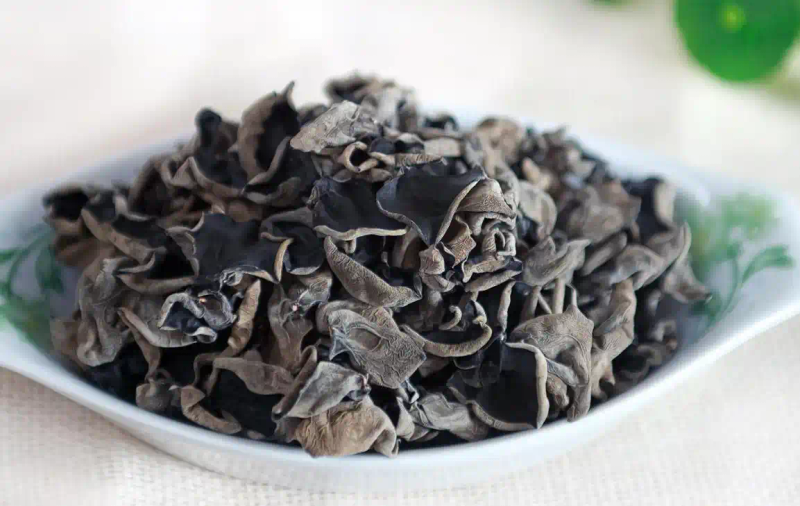
(c) to promote the image of the wooden ear brand, to create high-quality wooden ears, to raise brand visibility and, while ensuring their production, to improve their processing, store them and avoid morbidity。
Strengthening the use of web-based technologies and developing online and offline sales can be live, sold online or retail, with a comprehensive expansion of distribution channels and increased visibility。
Summary
As a country with a large volume of wood-exporting countries and a high demand for it, our vigorous development of wood-growing industries should be accompanied by a significant increase in wood-growing technologies, increased production and support, with a focus on the development of wood-based industries and the promotion of revitalized industries。