One, the secret secret behind the black moor
2. There are many problems with mushroom species, and why are the mushroom farmers repeatedly injured
3. The key elements of the open vaccination of mushroom rods cannot be ignored。
There's a lot of mistakes with mushroom sticks, so we need to look around。
6. The purchase of mushrooms is subject to six major traps to avoid deception。
7. The reasons for the reduction in the production of mushrooms and rods were revealed。
8. Beware of the “burn bags” of mushrooms and rods and promptly detect and treat them。
9. The cultivation of the sheep’s belly requires caution, risks and opportunities。
10. The prospects for mushroom cultivation are precarious, either in transition or in necessity。
Analysis of the effects of the outbreak on the impact of the edible bacteria industry。
12. The increase in the production of mushrooms and rods is alarming。
First-rate mushrooms are grown with caution to avoid losses caused by blind and wind wind。
14. The eight secrets and four effects of the consumption of the fungi benefit greatly from understanding。
If we don't make money when we have problems with mushrooms, are we really responsible for this
16. The mushrooms are good but not suitable for overdose, which may cause discomfort。
It's good for health
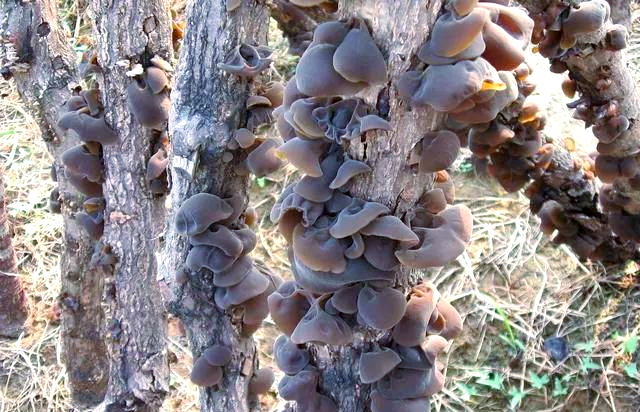
Blackwood is not only a direct guest of the table because of its delicious taste, but also a perfect match to a great variety of food products, creating all kinds of good food. Its nutrient-rich nature has won consumer preference, which has led to continued strong sales in the market, attracting an increasing number of growers. However, many challenges and problems remain in the blackwood ear cultivation process, which directly affect cultivation effectiveness and farmers ' gains. Therefore, in planting black wood, we must attach great importance to process management and work to improve its quality and production。
I. Selection of cultivation sites
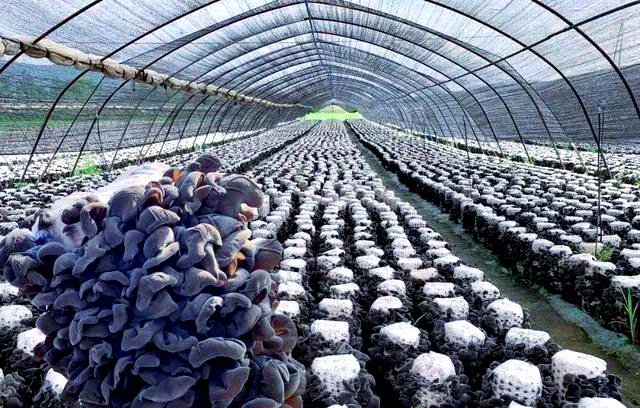
The selection of suitable planting sites is essential for the cultivation of the black moor. The principle of “one for two or three” should be followed in the selection of sites. Specifically, bacterial farms should be close to the power supply to ensure electricity availability; at the same time, sites should be located close to the flow of river water, mechanical wells or other clean sources to meet the water requirements during planting. In addition, there is a need to stay away from the contamination of major roads by dust and tail gas, from potential sources of pollution such as livestock farms and waste disposal sites, and from chemical sources such as pesticides。
In addition, flat, well-drained and unfeasible sites are preferred. The huts are usually constructed in a north-south direction, with doors at both ends, thus facilitating temperature and humidity control during planting。
Selection of varieties
Based on local climatic conditions, high-yielding, high-quality early, mid- and mid-late-cut black wood ear varieties are recommended. For example, quality varieties such as no. 5, no. 1, no. 1, and no. 916 are good options。
Iii. Presentation and complete
Prior to the planting of the black moor, the required raw materials and reasonable blending are required. This step is essential for the growth and production of the black moor。
Source selection
In the process of planting black wood, common raw materials include wood crumbs, skins, cotton seed shells and lime powder. In order to ensure a reasonable mix of raw materials and their scientific nature, they need to be mixed in an appropriate proportion. In particular, the addition of cotton seed shells to the culture base can significantly increase the production of black moor. Combination method
First, the dry mixing of skin, plaster and lime must ensure parity. Then, treated wood crumbs are added and fully mixed with previously mixed materials. Finally, they are mixed with pre-wetted cotton seed shells and are evenly mixed according to actual needs。
During the mixing process, water additions need to be adapted flexibly to the actual situation so that the water content of the culture media is maintained at about 55 per cent. After mixing, culture materials should be screened and impurities removed to ensure smooth follow-up and to prevent the puncture of bags。
Iv. Pocketing of planting materials
In the process of planting the black moor, the bagging of high-quality planting materials is essential, which directly affects its production and quality. Therefore, when selecting a bacterium bag, the controlled material and thickness must be strictly applied to ensure that it meets the planting requirements. Usually, we recommend the use of polyethylene angular bags because they have good air-transmission and durability. Once selected, the kits will be prepared in accordance with established standards, laying a solid foundation for high-yield quality cultivation of the black moor。
V. Elimination
In black-mule cultivation processes, bagmaking is usually concentrated on high-temperature time between july and september. Upon completion of bagging, sterilization must be performed immediately in order to prevent the acidity of culture materials due to high temperatures. The usual method of disinfection is typical of steam fumigation, with specific equipment selected on a case-by-case basis. Whatever equipment is used, it is necessary to ensure that the central temperature of the medium is 100°c and that it lasts for a sufficient period. In cases where the amount of sterilization is less than 5,000 bags, it is sufficient to stay 24 hours; if the amount is larger, the duration of sterilization will need to be extended accordingly。
Vi. Bacteria management
In the planting process of the black moor, the fungus component plays a significant role. The key to this phase lies in the careful management of the fungus, particularly the reasonable control of temperature in the shed, which directly determines the survival of the fungus. Therefore, high priority must be given to temperature control to ensure that the temperature in the shed is strictly in line with production standards. In addition, the placement of mysis is essential, and post-vaccinating rods should be placed with a “one word” wooden stake, with attention to the upwards of the scar and the two-way mark of the vaccination to both sides. At the same time, the uppermost rods will also need to be vaccinated on the side of the mouth in order to prevent the production of yellow water。
Vii. Electronic management
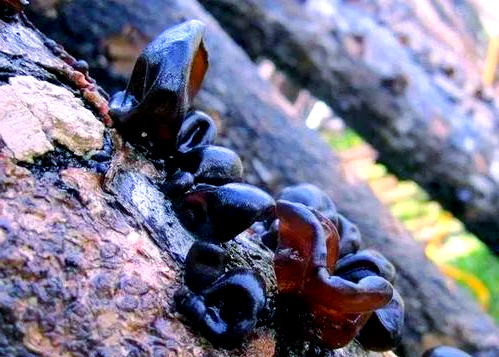
During the planting of the black ear, the earring was an important turning point in its growth and development. This phase of management involves three main areas: first, the formation and management of eardrums, which need to be ensured that eardrums are healthy and spread smoothly; secondly, the control of the humidity in the shed during the eardrum period, which can affect the normal growth of the eardrums when they are wet or too low; and lastly, the management of ventilation, which is conducive to healthy growth of the eardrums and the prevention of disease. Through these fine management measures, it is possible to ensure the smooth delivery of the black moor and high-quality harvest。
Breathe out
After approximately seven days of culture, the rods need to be sterilized, usually with potassium permanganate solutions. Immediately thereafter, about 200 vents were punctured around the fungus with specialized piercing tools to ensure good ventilation. During this period, indoor temperatures should be maintained at about 25°c for the smooth growth of the fungus ear. After approximately eight to nine days of careful management, the fungus can grow。
2. Water management
The growth of the black moor is sensitive to moisture conditions and therefore requires reasonable control of humidity. In the process of cultivation, dry and wet rotations should be used, accompanied by sprayed water to meet their growth needs. When the earpiece is produced, air moisture can be increased through sprayers or irrigation systems, with a modest irrigation of the ground to ensure healthy growth of the earpiece。
3. Steady temperature
In order to shorten the mature cycle of the black moor, some growers are artificially adjusting the temperature, which interferes with its natural growth rhythm, thus affecting quality and resistance. This approach is therefore inappropriate. In case of high-temperature weather, the frequency of water sprays should be appropriately reduced and 80-purpose shades should be installed at an altitude appropriate for 2 metres, so as to cover the sun while ensuring good ventilation。
Viii. Summary points
The appropriate methods and techniques are required for the extraction of black wood. Hold on to the wooden ear with one hand, and hold on to the underside of the ear, with a thumb and an index finger, 45 degrees, quickly and softly, to ensure that it is fully placed in the basket (barrel) and that residuals are avoided. During the extraction process, it is important to look at the hands and avoid excessive force and damage to the headsets. All bacteria with a length of more than 3 cm should be thoroughly harvested, and care should be taken to remove the fungus that are adhesived to the ears, but with care not to harm young ears and ear buds. After the extraction has been completed, the rod shall be rotated in the direction of the placement, replaced by the sun, and then returned to its original location. At the same time, ensure that the extraction of the same spraying area is completed within the same day in order to facilitate spray management. In sum, the cultivation and management of the black moor is essential, and the whole planting management process needs to be carefully controlled to achieve high-yield quality planting objectives, taking into account local climatic and environmental characteristics。