Chaming sing
Under normal conditions, it takes about 10 days for the sowing of beans to the first pair of real leaves, and seedlings should be identified when the underlying leaves appear。
Water
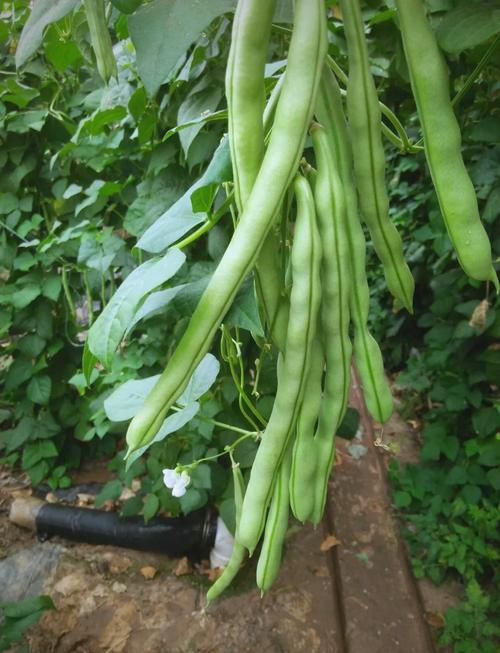
Water is one of the environmental conditions that is important for the growth and development of beans, but if water is not properly watered, it can easily produce a conflict of nutrients between the growth of the leaves and the flowering results, leading to the fall of flowers and lower yields. Water management should be based on the principle of “dry flowers and humid herbs” and should be based on nutrient growth, with water control, with two to three plantings and higher temperatures. After planting, the seedlings are poured down once, then the saplings are cultivated。
No water is watered at the beginning of the flowering season, when more water is available, which leads to nutrient growth and nutrient consumption, leaving the buds without adequate nutrition and without full growth or flowering, and causing flowers to fall and fall. If the soil and air are too dry, water is poured once before the flowers bloom, and if it's good, it's soaked up to its feet. Short-born beans grow fast and grow for short periods。
Following the tripod, the soybeans plant gradually entered a boom, with long leaves and flowering results requiring a lot of moisture and nutrients. Water starts when the calf is 3-4 cm long. The first five to seven days of water watering the acupuncture, and the subsequent increase in watering, stabilize the soil and maintain 60 to 70 per cent of the water held in the field。
I'll be back in a few minutes
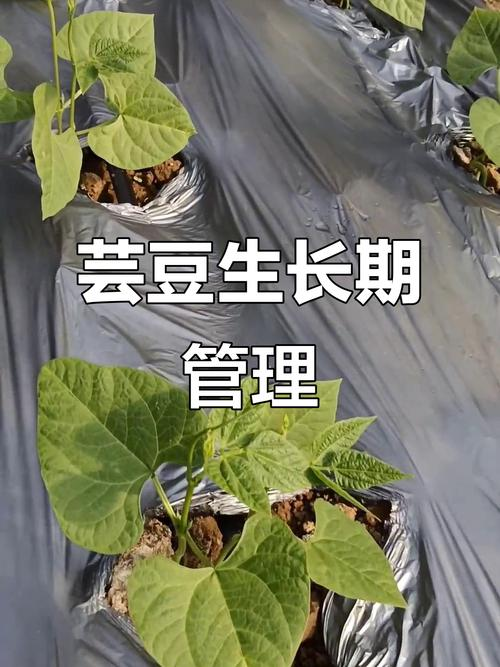
Absorption of nitrogen, phosphorus, potassium, calcium and so forth increases sequentially with the period of seedling, the beginning of flowering curds, and the period of harvest of young fertilizers. The guillotine season should be followed by two or three fertilisations, combined with nitrogen, phosphorus and potassium. At a time of gradual loss of nitrogen-fixing capacity due to late-stage root avalanche of beans, the lack of water defertilization results in the loss of the plant, and therefore the management of hydrofertilizers needs to be strengthened. The use of 0. 4 per cent of potassium phosphate or 0. 5 per cent of urea for external fatting and spraying is significant。
Collection
The spring soybeans are grown for 50 to 60 days, with a one-month harvest and 65 to 80 days for chickens, and can be collected for about two months. After flowering, beans mature over a period of 10 to 15 days, and the criteria for maturity are the coarseness of the bean, the colour of the bean becomes white and green, the grain of the bean is slightly visible and the bean is large and tender. Timely harvests can both ensure the quality of bean bean and reduce the burden of planting, encourage other flowers to collide, reduce fallows and extend harvest periods. The shears are collected one day before and two days after and one day after。
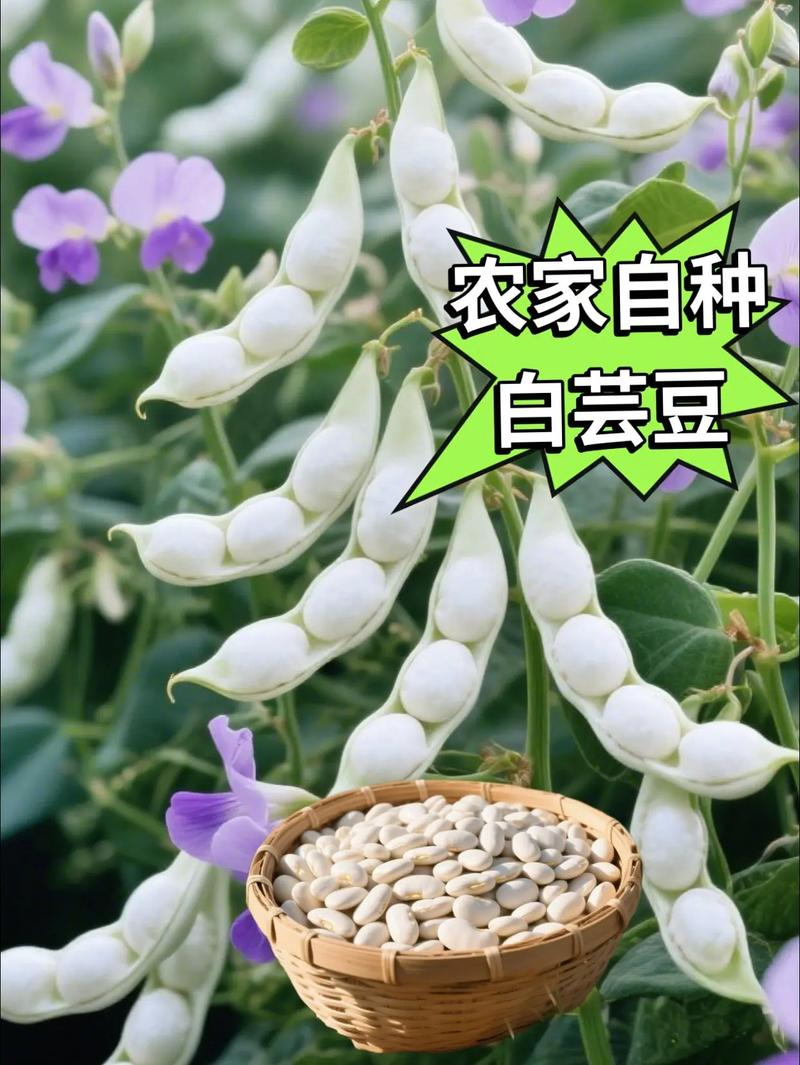
In the case of beans, the harvest begins when 80 per cent of the bean is green to yellow and seeds contain about 40 per cent of the water. Post-harvest seed grains should be dryed in a timely manner or mechanically. For newly harvested seeds, it is advisable to dry them manually, when the amount of seed grains is reduced to less than 18 per cent and then dry with dry machinery, reducing the amount of seed grains to less than 18 per cent. Because when the seed content is high, mechanical dryness causes the seed to wrinkle, the skin to break and the germinate rate to decline. If the seed grain contains more than 25% water, the dry temperature cannot be higher than 27°c; when the water content is low, the temperature may be higher, but not greater than 32°c. In addition, special attention should be paid to avoiding rain when harvesting white grains of beans, which are contaminated with rainfall seeds and made black and lightless, resulting in a marked decline in quality and a split harvest of chicken beans。
(according to the net)