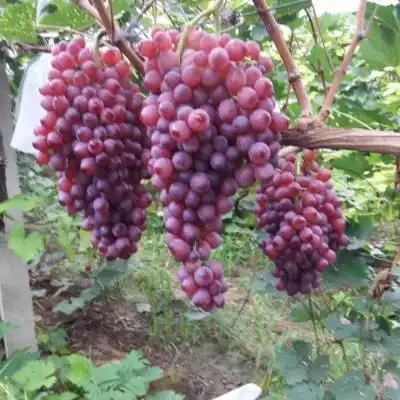
In june, we were about to enter a second-largest expansion of the great northern raisins, and there were a lot of problems and doubts for a large number of growers!
Examples include: severe sizes of raisins; how to combat raisin pests after secondary expansion; post-harvest garden management, etc。
During the flowering of grapes, part of them would fall apart under normal conditions. In general, a sequence can hold 30 per cent of the fruit, which can enrich the fruit and ensure production。
If the fruit drops so badly, the ears are thin and yields are reduced. It is time to find out why the flowers fall。
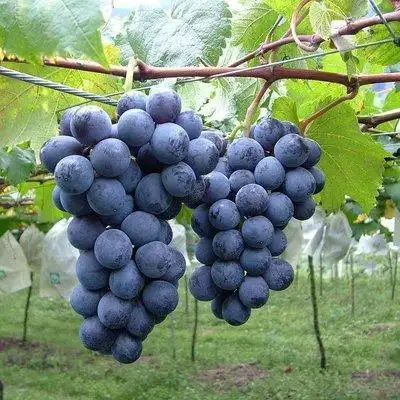
In general, the causes of falling fruit are generally the following:
(1) varieties
The degree to which different varieties fall in fruit varies. Female flower varieties, in the event of poor conditions for pollinating fertilisation, can result in severe flowering or seedless small fruit. The multi-chromosomal varieties, such as the four-plexed ones, the vanguards, the black olympires, etc., are seriously affected by the irregularity of the chromosomes, the irregularity of the formation and the abnormal fertilization。
(2) nutritional conditions
Undernourishment, weak growth or excessive growth, and overloading of plants can lead to falling fruit。
(3) unsatisfactory environmental conditions
In flowering periods, high temperatures, droughts, or cold or rainy weather are not conducive to pollination. Grape pollination requires appropriate temperature and humidity. High or low temperatures are not conducive to flowering and pollination, and temperatures above 33 °c render pollen unviable, temperatures below 20 °c, slow flowering and low budding rates. (a) wetness over high impact on the fragmentation of flowers and pollen transmission
The majestic plume is severe and the size is severe!
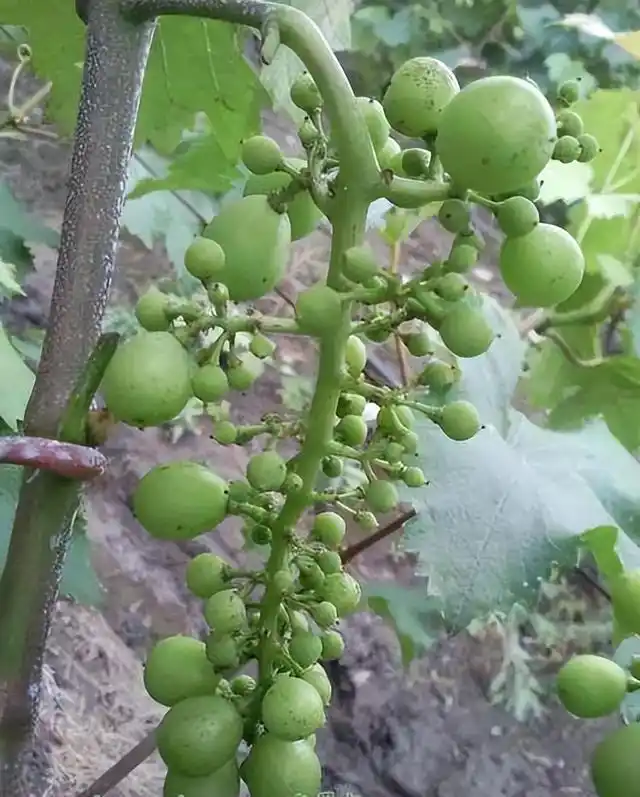
What's the serious reason for the bouquet
1. Incomplete flowers
There are two reasons for the abnormality of the colossal grape embryos: first, the reason for genetics; and second, the poor development of lauder after the onset, and the incomplete application of fertilization after the flower。
Inadequate or excessive nutrition
Undernutrition affects flower development and pollination. Jumei grapes are very sensitive to nutrients, which can lead to severe fruit. If the nitrogen content is too high, the division of the larvae is also detrimental。
3. Inadequate distribution of tree nutrition
When grapes are given, the nutrients of vines are an important factor in providing fruit shells。
Large mountain peaks are strong and new feet are easily grown, which, influenced by the influence of ordinary flowers and polls, can exacerbate the fall in the fruit of giant grapes. Inadequate cultivation technology and excessive nitrogen fertilizer can easily lead to new and prosperous growth and decline。
4. External environmental impacts
Peak grapes are full prostitutes, the main pollen and female is normal and pollination is natural fertilization. If external conditions are poor, such as heavy rainfall, dryness, high winds, high temperatures and low temperatures. It will significantly affect the fertilization of giant peaks and the fruit of seats。
5. Infected with gray fungus
Grape grey molds are mainly infected and fruits and fruits will mature. The pathology is that influenza is inundated and then dry, dry and fall。
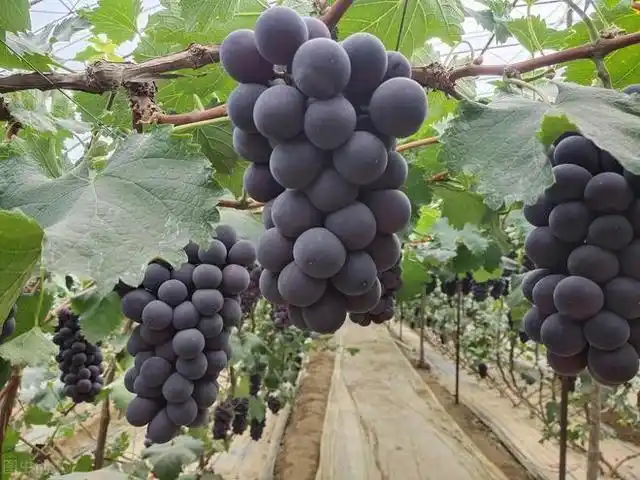
Before grape blossoms, if many occur under cold and thin conditions, they can easily lead to devastating effects from flower and young fruit. Grape grey molds are found in the main grape feeding areas of the country, and one of the major diseases of the grape fruit。
The solution of the raisin figs:
1. Avoiding excessive application of nitrogen fertilizer, resulting in excessive use of the tree at the end of the year and sufficient use of the sprouts。
When 2 sprouts, remove the strongest and weakest sprouts and leave the mediocre sprouts!
Three for 10 days, depending on the size of the tree, with hormones controlled, two or three days later, with six leaves left on the flowers. If you don't use hormones, the trees use three leaves on the flowers!
4 in order to improve the omelet, before flowering until flowering, the leaf was sprayed three times with a liquid boron fertiliser. Three times sugarol zinc-resistant particles were sprayed on the back of the flower until the first expansion。
Water is strictly prohibited during the flowering period to avoid the exacerbation of the flowering fruit。
This year, due to the high incidence of fragrance frosting, which led to the partial loss of grapes in the five northern provinces, the following is an indication of the large number of growers: three days after the flowering of the 5-7 smallpox, venom is used to combat venomosis。
Treatment of hormonal fruit in real time avoids treatment at high temperatures and increases in concentrations。
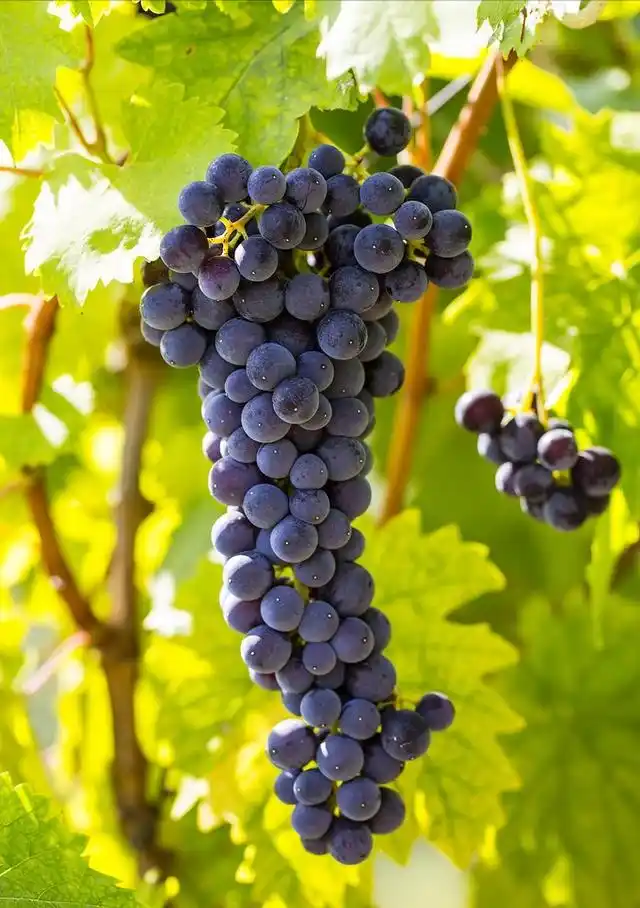
Be careful when you expand and harvest!
In order to fully contribute to the expansion of fruit and to prevent fibrous gas and the whiteness, as well as the ash, acid and so forth, we should recognize that:
Grapes enter the second stage of berries expansion, which is also the period when the fruits begin to mature slowly, and the management of this period tends to be characterized by paralysing, poor or neglected management measures to improve the quality of the fruits, resulting in lower yields of grapes and severe fibrosis。
The second period of berries expansion is an important period in relation to the quality of grapes, from the beginning of the colouring of the fruit to its maturity, which is the critical period for the prevention of fissures, the improvement of sugar content in the fruit and the prevention of disease。
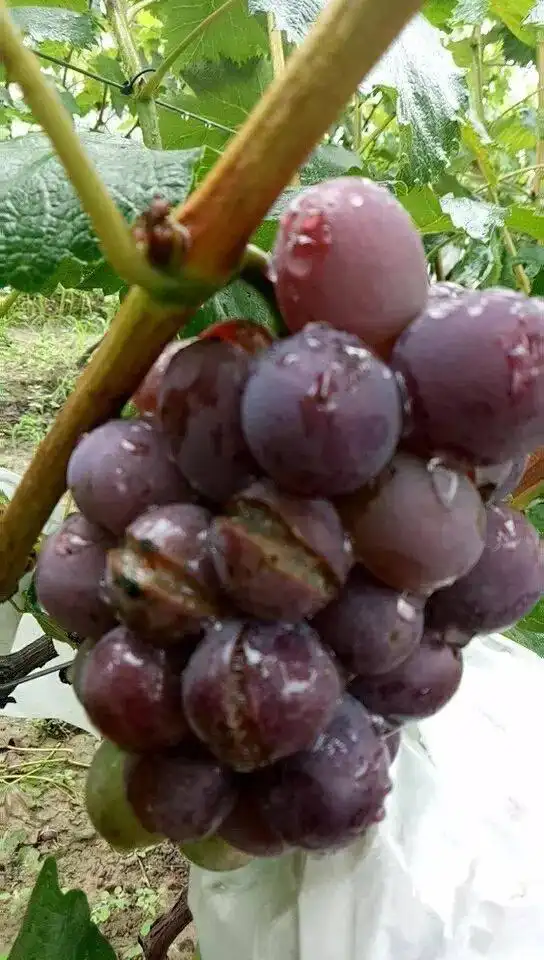
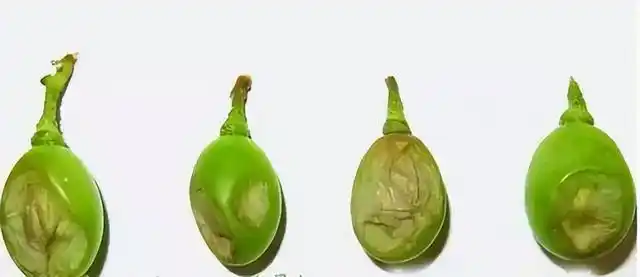
1. Beware of fissures
When the fruit goes into the second expansion, we pay special attention to the fissures of the fruit, the cause of the fissures
This was mainly due to water shortages in the soil during the preceding period, followed by the rainy season, when heavy water intake by the fruits resulted in the cracking of the bark。
Calcium deficiency, resulting in fissures: many growers neglect calcium fertilizer applications, supplement only leaves and ignore kishi. In grape management, calcium should be used as a large number of elements。
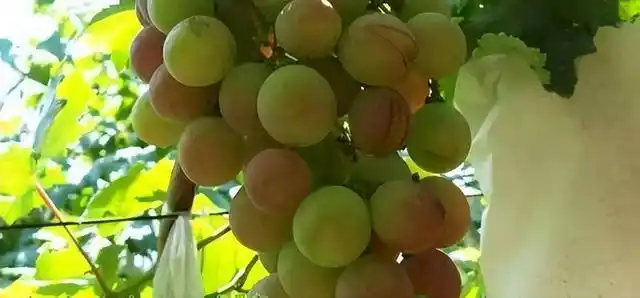
Calcium fibrosis
Gravuls fibrosis is one of the most important diseases affecting the quality and yield of grapes, which occur to varying degrees every year, and the heavier the phenomenon of the big fibrosis, which enters the second expansion period, the best time to prevent it。
The prevention of fibrosis begins in three ways:
(1) to balance soil water
That is to say, before the rainy season comes, it is necessary to keep the soil warm and dry。
In the months of june, july and august, heavy rainfall will increase in some areas, and while soil should not be too dry in the run-up, drainage must be done after the rainy season, as the high amount of water in the soil, in addition to creating fissures, can cause the root of grapes to rot。
(2) properly laid
Pre-summer trims, with stricter controls over new sites, and post-spills before the second fruit boom。
It's mostly too hard not to pick up the new steps, but to take off a small tip so that these leaves can absorb a portion of the moisture, i. E., to compete with the fruit, and the fruit will reduce the water to absorb and mitigate the fissure。
Lightening the heart is to leave more leaves to choke off the rolls, and another advantage is to effectively prevent sunburning from the fruits as they mature。
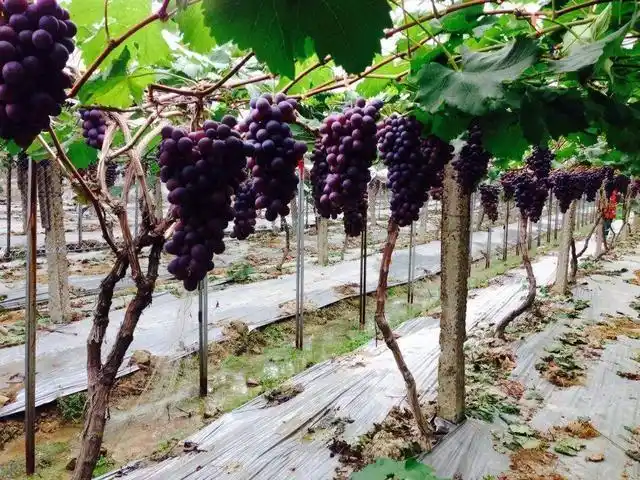
(3) increased calcium fertilizer
The function of calcium fat increases the resilience of the cell, and the strength of the cell rises, and the skin has a certain degree of resilience, which in some ways reduces the occurrence of the fibrosis。
Cutts of fruit should be removed in a timely manner so as not to affect other fruits in the ears. Gravuls berries enter the second bulge and the demand for fertilizers will increase, especially for phosphate fertilizers, which promote the colouring of fruit and increase sugar content。
It is therefore necessary to apply 100-200 grams of potassium phosphate per tree during this period, as well as high-quality root fat. At a distance of 20 cm from the root of the tree, a small ditch of one foot (30 cm), 10 cm wide and 5 cm deep is opened, and the phosphorous potassium fertilizer is spread evenly。
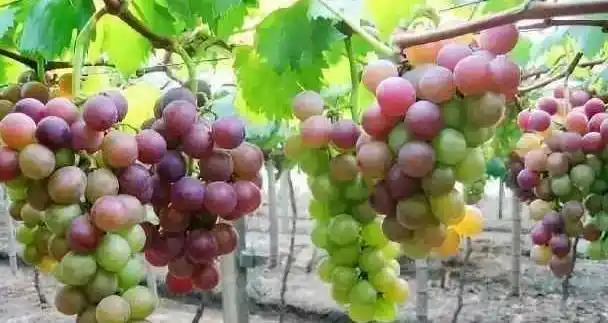
2. Appropriate use of potassium phosphate fertilizer
Grapes enter the second bulge and, in order to promote the colouring of fruit and to increase sugar content, farmers are applying phosphorous potassium fertilizer. However, due to excessive potassium use, which affects the absorption of thorium, care must be taken in the second-stage fertilisation period: a combination of nutrient supplementation, based mainly on potassium nitrogen。
3. Many farming households are seeking to expand their diet with a high use of potassium nitrate (acute potassium) to supplement their nutrients at a faster rate, but potassium nitrate is acute potassium, and the fruit can easily expand too fast and cause severe fissures。
A large number of farmers only had their first saplings during the second boom and at noon. It's too late to sew, to consume nutrients, to expand fruit, to work too much, and to trim the pollen!
Grape varieties, which are closely grown in fruit grains, tend to agglomerate in front of the flower, and then in the event of the fruit being so big as soybeans, can also be sprayed with cacinin from 45 ppm for 7 to 10 days in front of the fruit ear, with the aim of stretching the convulsion。
And when high-temperature eugenics cause injury, i. E., easily contagious and water-deficit, the effect is greater!
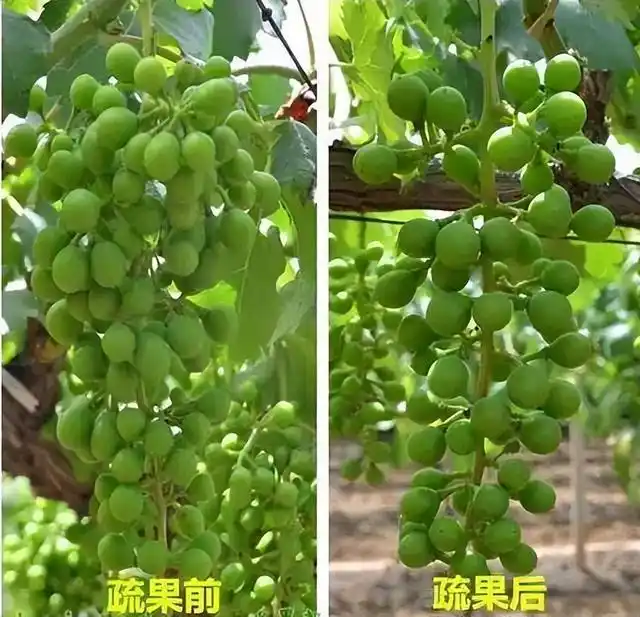
In order to prevent fissures, water management needs to be managed with small water effort to maintain a relatively stable soil content. Avoiding flooding, which causes soil weight, root suffocation, acutely high temperatures and temporary insufficiency of nutrients, has a strong impact and even fissures。
When the weather is dry, the vineyards are watered with small and hard water. It is also possible to cover land membranes between rows as soon as grapes mature, both in terms of drought and drainage, and to prevent the reproduction of post-rainfall bacteria. Or under the grapes to plant grass to stabilize soil moisture。
Many farmers watered in the morning, and water was pouring in, and exposed to high noon temperatures, causing evaporation or refractive light damage, particularly severe burns。
It is recommended that water be poured after 5 p. M。
6. Properly cut the branches and leave enough leaves and fruits! Timely patching to avoid nutrient depletion! Newly growing branches under the roots of the trees are repaired in time。
7. When the grapes are turned, it is recommended that potassium fattening + root agent + biobacterizers can be effective against fibrosis. At this point, the water must not stop。
In order to prevent infestation in bags, it is recommended that, during the oscillation period, the whole garden be sprayed once with fentanyl + furamide + carbacterium to prevent froste, albinosis, as well as as as to reduce the base number of outbreaks of fungi and prevent a major outbreak of raisin pests in bags caused by fibros。
In actual production, farmers have used a large amount of powder in pursuit of costs, resulting in contamination of the face of the fruit, affecting the pollen! Worse, because of the fall of the powder, high temperatures have caused fruit damage!
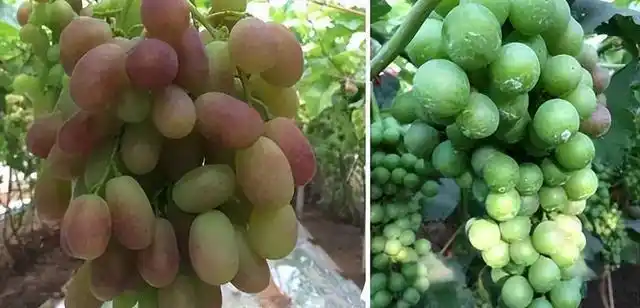
Contamination of the face with the powder using the suspension
In front of the bag, the grape pack is used in combination with the swelling agent. However, the use of small businesses or unlicensed products is avoided, so that hormonal harm does not occur, and the potion is ready for enzymes。
To grow high-quality, high-priced, high-yielding “three-high” grapes, it must not be easy to manage the vineyards. The period between the flowering of grapes and the post-sitting period, during which the chickens, leaves, flowers and fruit grow rapidly, where the nutrients grow at the same time as the reproductive growth, and where life activities, such as flowering and fresh growth, are rapid, is critical。