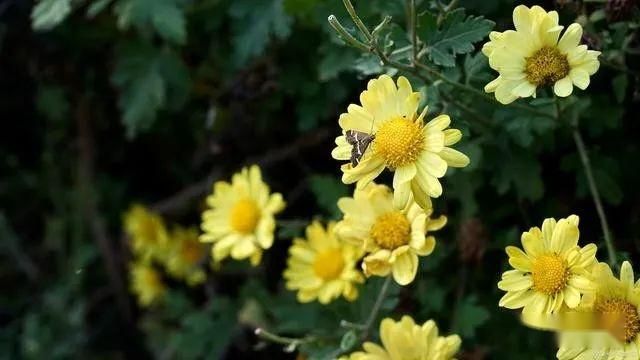
The pristine plant is a large family, with more than 200 of them, 25000-30000 of them, and more than 200 of them in china, and more than 2,000 of them, together with the mallan chrysanthemum, which is a very popular plant species of chinese people, and many of the horticulturally cultivated as well as a beautiful one。
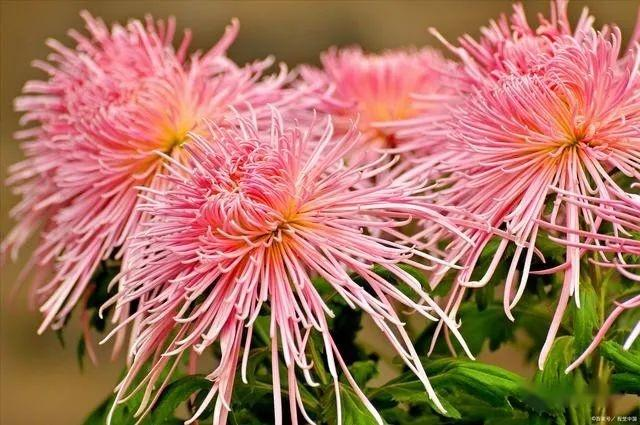
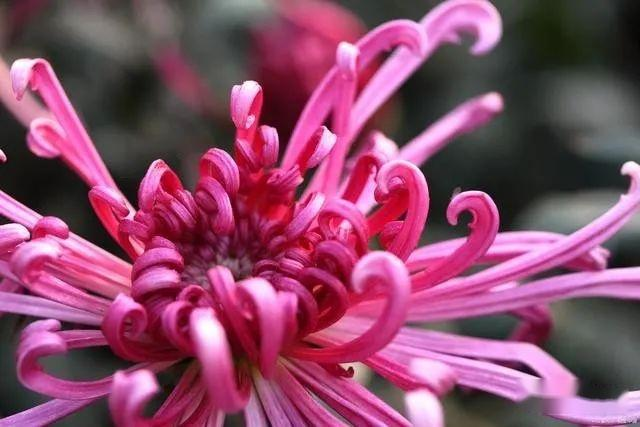

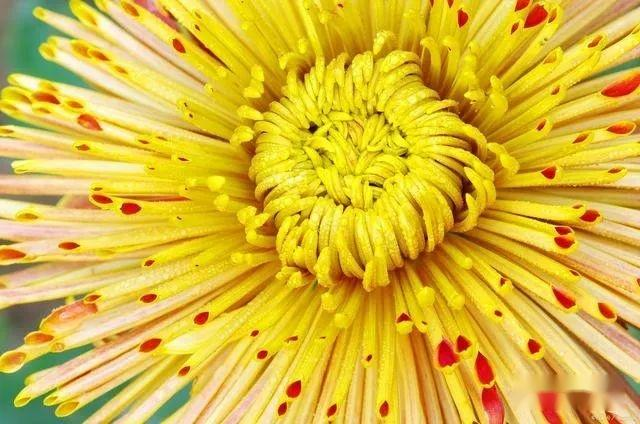
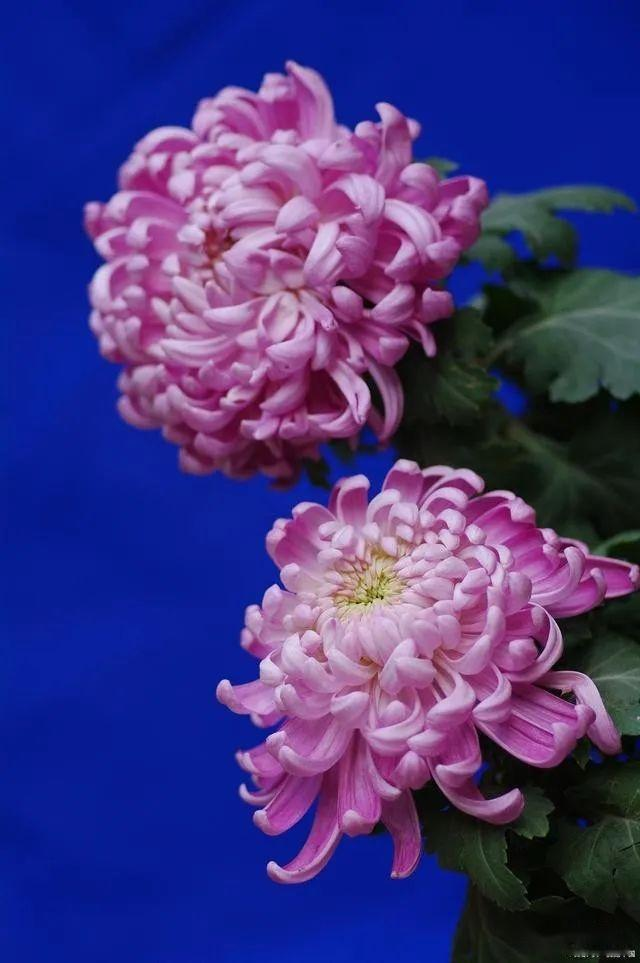
As a result, it is difficult to identify the pyres, and today we share with you only three of them, which are similar and easily confused: the three types of plants, glycerine, gymnasium and daisy, are largely similar to flowers, have a similar name and are all pyrenics, and are easily confused by the multiplicity of local names. Today, we try to distinguish between at least three of those。
I. Giangi
Ling et shih or chrysanthemum lavandulifolium (fischer ex trautvetter) makino, commonly known as guacamole or guano daisy, mausoleum, etc., are located in most parts of the country and are distributed on hill slopes, rocks, banks, wastelands, yellow hills, etc. The next group, gymnasium, was filmed in early october 2022 in the unattended wild state of the beijing national botanical garden。
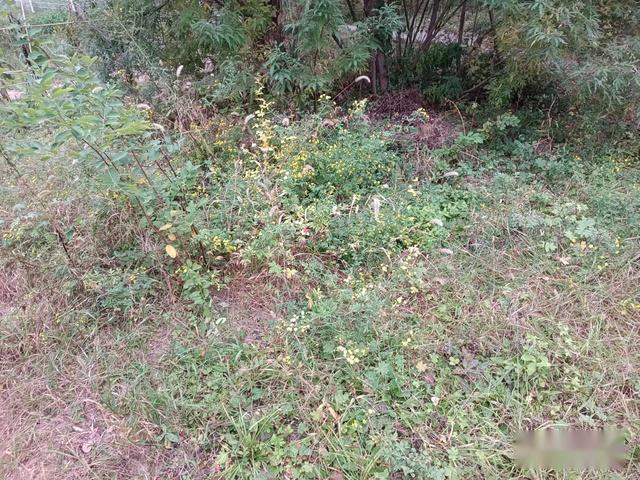
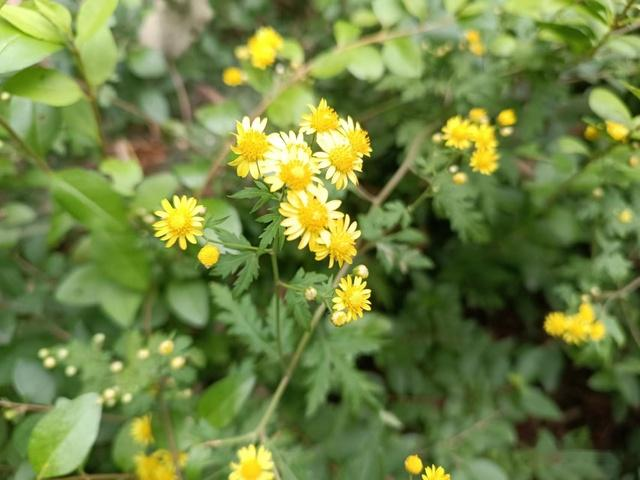
Giangi
Main identifying characteristics of glyphosma:
1. Tube: hair on the trachea, which is thick and thin or non-existent。
2. Leaves: there are two kinds of leaves: one torn leaves and two torn leaves. Most of the leaves closest to the flowers are full-blown leaves, while most of the leaves far from the flowers are two-bracked leaves。
3. Flowers: larvae (outside petals) yellow, 5-7 mm length. Citigroup june-november。
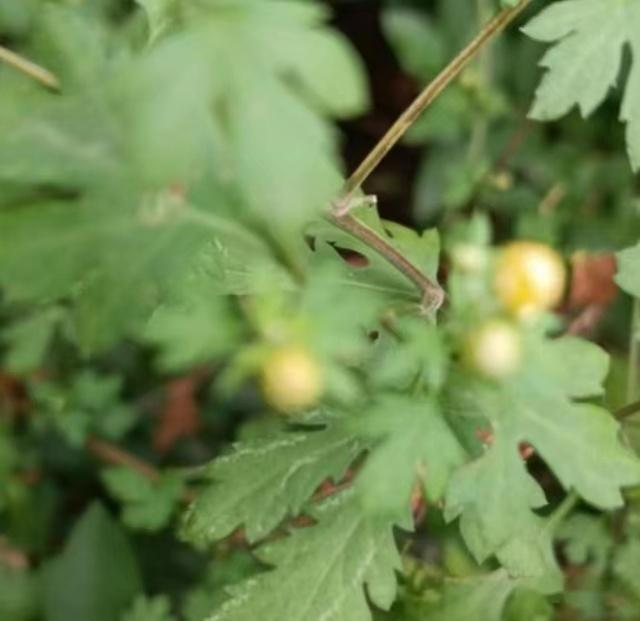
There's fuzzy on the mantle
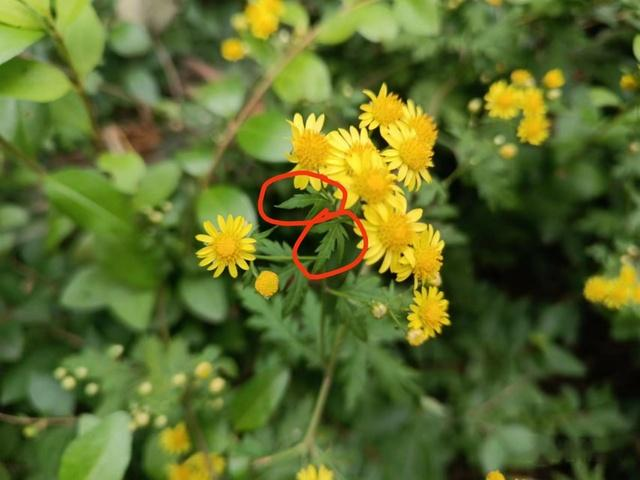
One deep crack
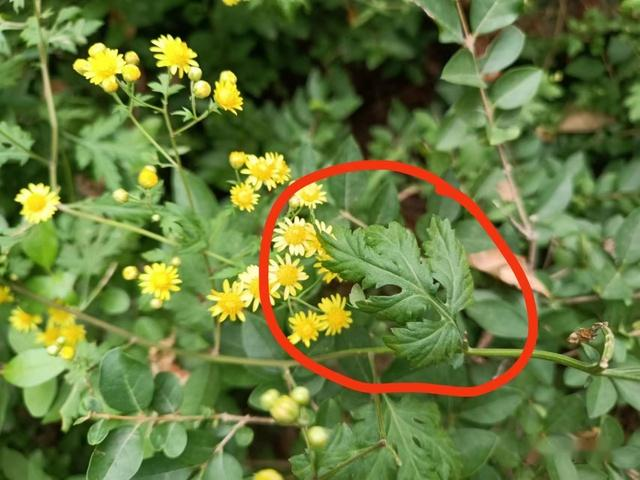
Two shallow split leaves
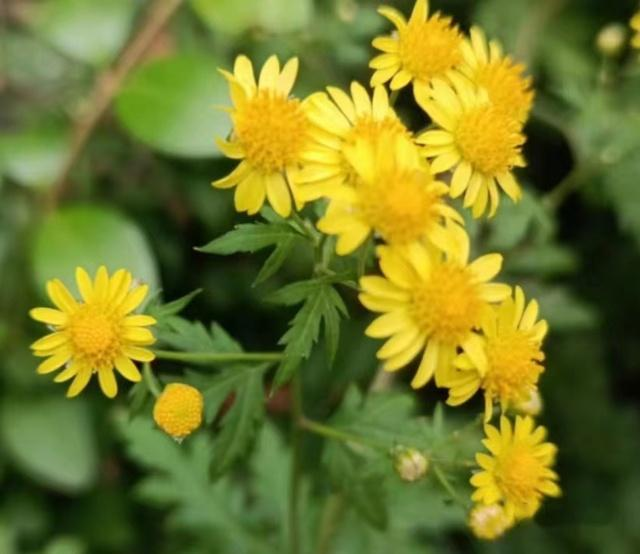
The outer petals are yellow. They're 5-7mm long
Ii. Gymnasium
It's a big difference when you have one more word for it than it is for it. It's not in a small circle. It's in a mare. It's called matricaria chamomilla l., and it's commonly written in matricaria recutital. Under science, botanical names are all called "names" + "species" + "namers" and we speak "plant names," mostly in chinese. In the case of glyceria, the name of matricaria in front, the name of chamomilla in the back, the name of an expert named after the plant。
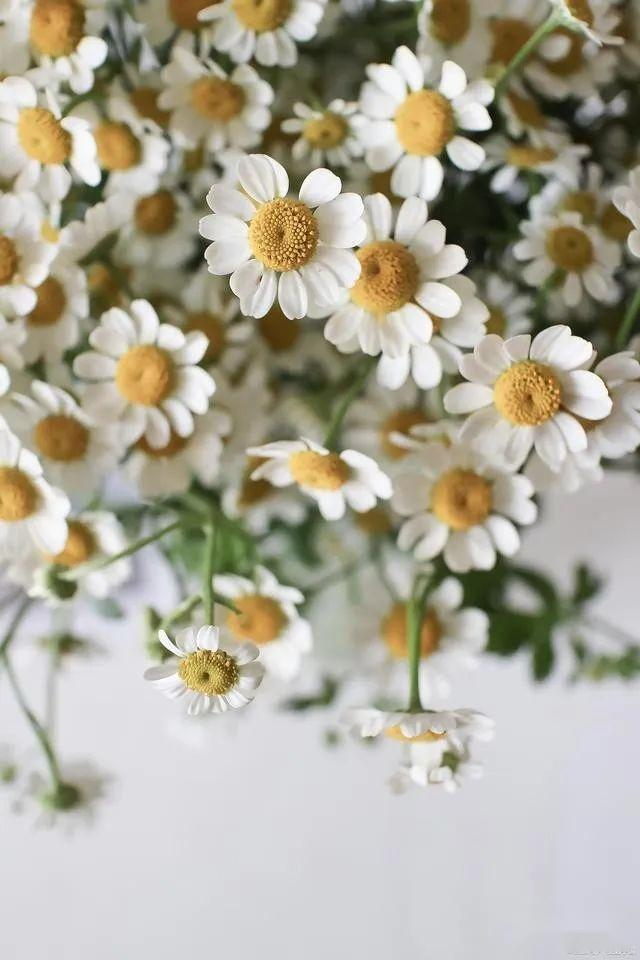
Gymnasium is a common name, and its chinese name is mammy. The wild area of gymnasium is relatively narrow, mainly in the north and west of xinjiang, where it is seen in parks. For may-july, only spring and summer can see it。
Main identifying characteristics of glycol:
1. Tube: no hair on the tubing of glycerine。
2. Leaf: the pyres are two plumes full of cracks and look much smaller than the pyres。
3. Flowers: the outer petals of the glycerine are white, with the periods of 6 to november and yellow, with the periods of 5 to 7 months, which makes it easy to distinguish。
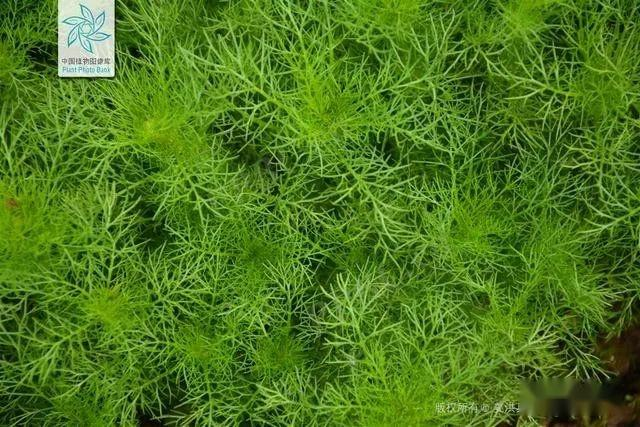
Gymnasium leaf (from web map)
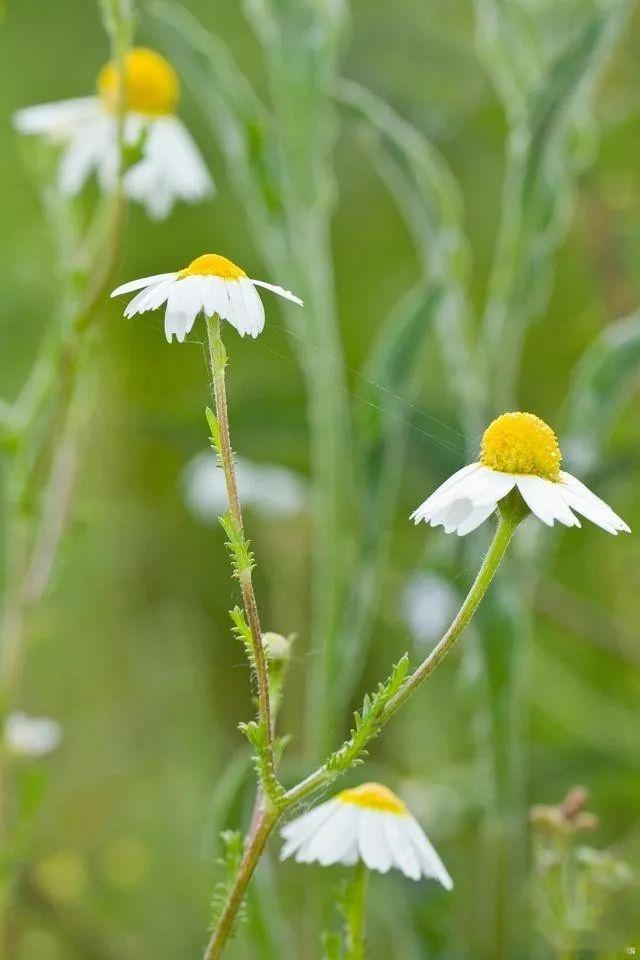
The flower of the glycerine
Gymnasium can be drugged to make tea and can be cited as a good liver for people in the belly。
Iii. Bias
The daisies are also a small flower, one with a head close to the daisies and the daisies. It's called chrysanthemum indicum. By name, you know, it's one of the ones that's related to gamma. The range of wild daisies is also wide, with grasslands on hill slopes, bushes, river-side wetlands, seaside salines, fields and roadside areas all distributed, ranging from 6 to november, and close to the mausoleum, so they combine to produce new species。