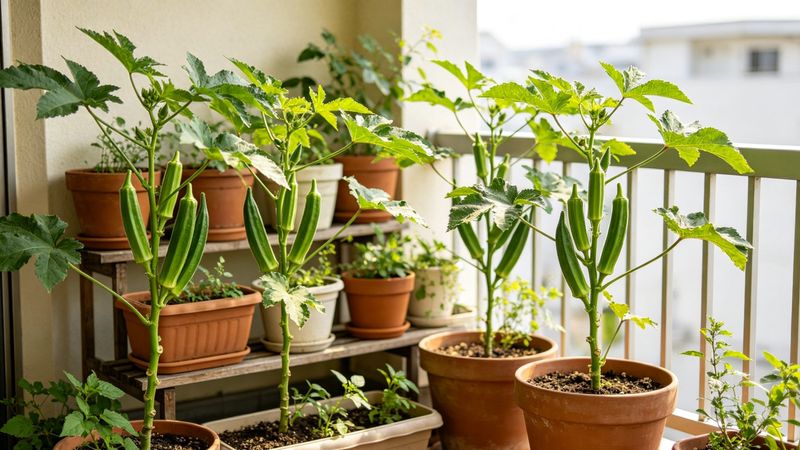
A brief description of the zero-one
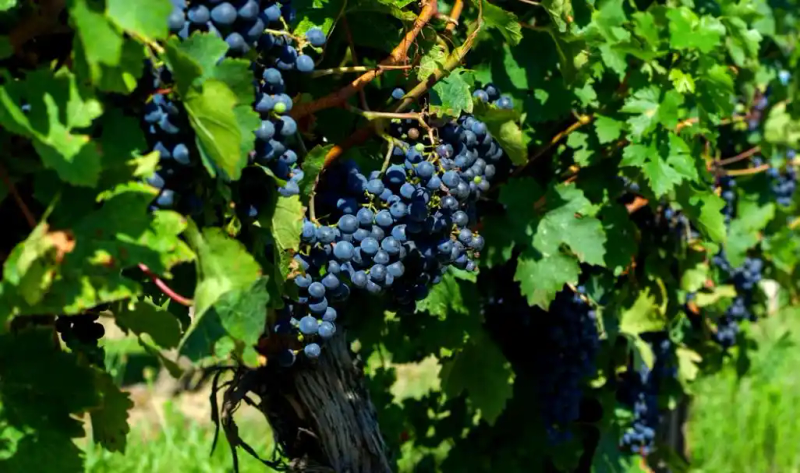
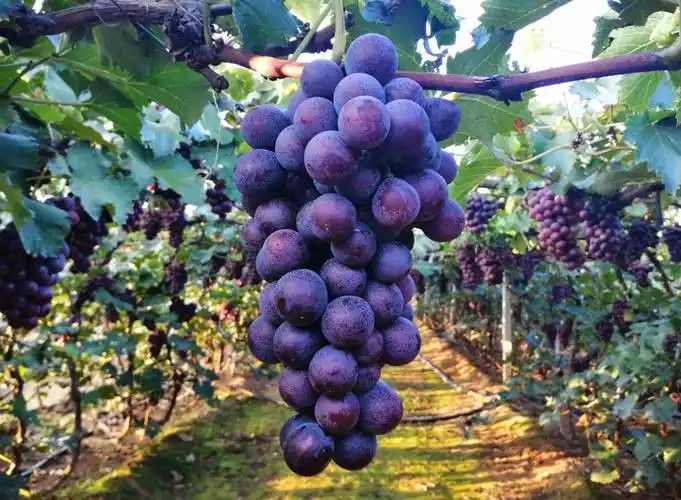
Great peak grapes, this medium, four-fold variety, which originates from mixed european and american trades, can be traced back to japan. In 1937, otsei succeeded in breeding this species through a mix of ishihara and moritani. Peak grapes are not only adaptable, but also have excellent resistance to disease and cold, while at the same time fertilizing water. The fruit is large, with an average ear value of 400-600 grams and an average of about 12 grams of fruit grains, with a maximum of 20 grams. In late august each year, when the giant grapes matured, they presented the glamour of purple and black velvet, the thick skin of fruit, the abundance of pollen, the soft and juicy fruit, and the smell of strawberry in sweetness. More easily, their skin, meat and seeds can be easily separated and contain up to 16 per cent sugar。
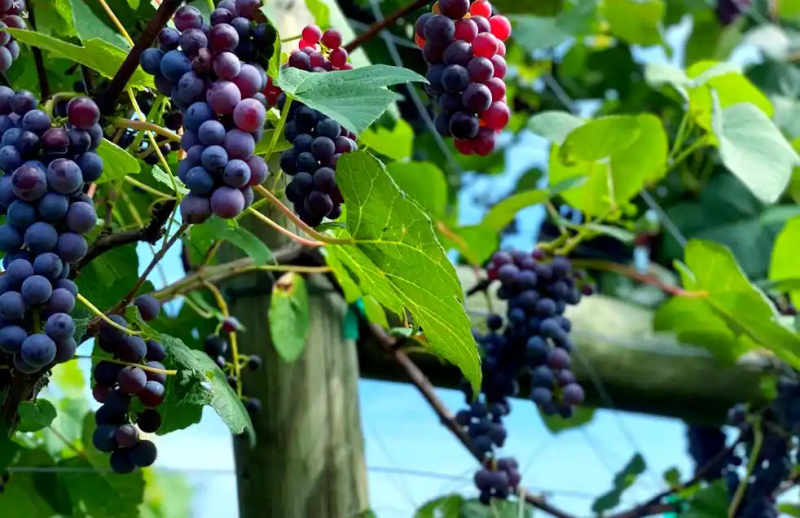
Technology for rain-shield farming
1. 1 construction of sheds
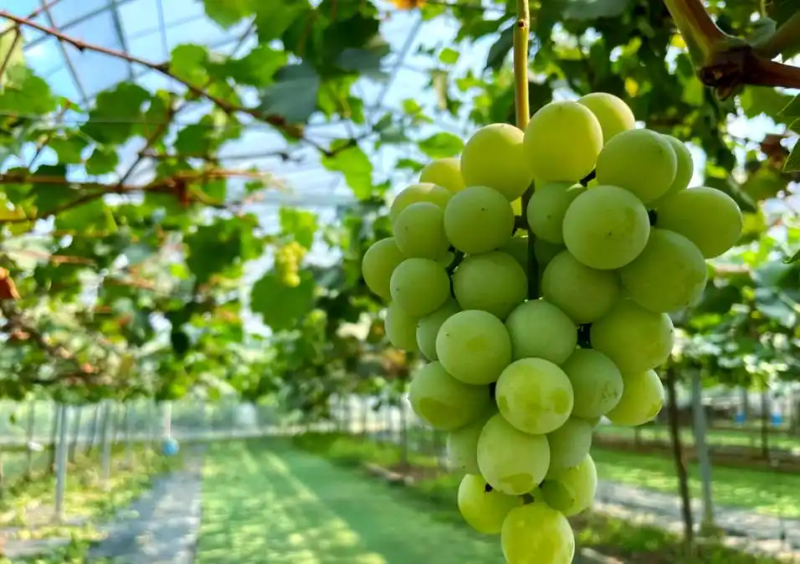
In the rain-shielding facilities of the giant raisins, the construction of the huts is crucial. As a rule, the farmers choose either bamboo or steel tents as the main material, while the better-economic conditions may lead to the use of more ventilated steel shelves. Whatever material is chosen, the building direction of the huts must follow a north-south orientation to ensure maximum light and ventilation. At the same time, the ventilation windows should be rationalized to facilitate air circulation. For contours, the width of each stand should be around 5 metres, which is easy to manage and ensures the demand for grapes。
1. 2 cutting techniques
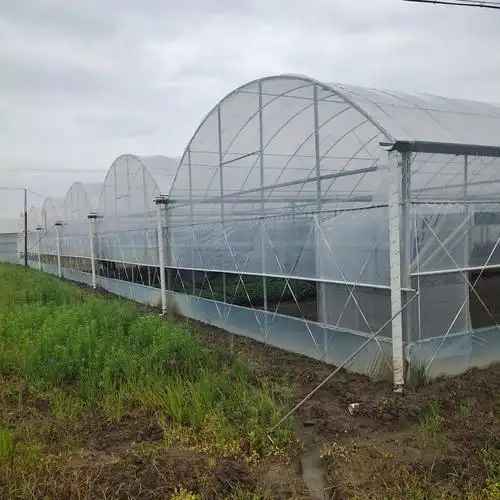
For vine branch trims, they are usually concentrated in the winter, one month after the fall of the leaves and january of the following year. In the process of trimping, we need only retain a new dome as the backbone and select four dots as the result branches, the rest of which can be cut off. It is worth noting that the twigs of the great peaks are highly divided, resulting in a higher proportion of branches, and are relatively simple to trim。
1. 3 increased growth rate
Lime carbon and hot water immersed and ooze are unique methods that not only effectively increase the gestation rate of plants but also increase the concentration of gestation periods. This method is widely used in rain-shield techniques for grapes and is an important means of increasing yields。
1. 4 erasing and stationary
During the period of new grapes growing from 2 to 4 cm, unnecessary buds need to be removed in a timely manner and continuously monitored and surplus vines removed to ensure rational distribution of nutrients. When it grows up to about 40 cm, and the lumber is the strongest, it shall be fixed on a wire for subsequent growth and firmness. This technology needs to be implemented on a regular basis to ensure the health and high productivity of grapes。
1. 5 plastic film use
The cover and timing of the removal of the plastic film in the sheds need to be carefully managed. Based on the experience of rain-shield cultivation of giant pines, we suggest that coverage be provided when local temperatures rise steadily to above 15 degrees celsius, where temperatures are conducive to grape growth. The best timing for the removal of plastic membranes is usually in late may, and when grapes start to bloom, the timing needs to be determined according to the local acne。
1. 6 temperature control
The application of plastic membranes plays a crucial role in the rain-shielding of large-peak grapes. The main function of the front period (pre-emergence) is to keep temperature and provide suitable environmental conditions for the growth of grapes, which lasts approximately 40 days. However, with the budding of grapes, the role of plastic membranes has gradually been transformed into one of rainproofing, while at the end of the spring there is a need to balance cold prevention with other special periods. In order to ensure that the temperature in the shed is between 20 and 25 degrees and that humidity is within a reasonable range of 60 to 70 per cent, we need to be flexible in regulating the cover and lifting of the plastic film in the light of weather conditions, with periodic ventilation in the shed。
1. 7 sequence and fruit processing
This relates to three core steps: varnishing, ingesting and swelling. Scrolling is designed to remove those that are stunted or problematic in order to ensure the healthy growth of grapes. The subsequent reformation of the fruit is similar to the removal of those that are underdeveloped or deformed, further improving the quality of the grapes. Finally, the development of grapes and the increase of fruit grains can be further promoted through the processing of swelling。
1. 8 fertilizer management
Fertilizing water management is a vital component of rain-shielding facilities for large-peak grapes. Both the ratio of piston grapes to fatty water and the demand for potassium nitrogen phosphorus are quite stringent. Due to their strong growth, the application of nitrogen fertilizer should be reduced appropriately during growth, while increasing the proportion of potassium phosphate. Winter is a good time for inorganic fertilizer. The “summer black” grapes, as an improved species of mega-peaks, have similar needs for fatty water and are more focused on organic fertilizers. Conservation should be based primarily on organic fertilizers, while nitrogen fertilizer should be applied in appropriate quantities in the spring and in periods of fruit expansion to promote growth and maturity. As for potassium fertilizer, the demand is relatively low and can only be applied once before the fruit matures. In addition, there is a high demand for water for grapes, which farmers are required to regularly water according to soil moisture。
1. 9 pest management
In grape growth, pest control is a continuous task and needs to be targeted at different targets at different stages of growth. The early spring of winter is an important time to stop the origin of pests and pathogens. With the advent of spring, everything has recovered and pests and pathogens have become active, starting to breed and spread in large numbers. It is therefore important to seize this opportunity to take steps to eliminate pests and diseases in their infancy. At this point, the vineyards can be sprayed with a whole range of non-fatal thiomers to prevent and kill juvenile eggs. It is noteworthy that plant cultivation has changed the natural growing environment of grapes, which has also led to changes in the type and stage of development of pests and pests. In facilities, asymptomosis is a common disease, mainly due to the chronic wet fever in the shed. In order to eradicate the problem, there was a need to reduce the humidity of the huts and enhance ventilation。
Grapes are at the budding stage, and we need to pay special attention to the safety of the sequence in order to guarantee their normal development and results. During this period, 1,000 times more than 1,000 times more acne or 50 per cent more metamine is recommended for spraying to prevent and control pests. And when grapes enter the fruit season, our first task is to protect the fruit from pests and diseases. The mastery and skilled application of these key technologies are essential for the production of high-quality and high-yielding grapes。