Hello, fellow farmers. Welcome to the lodge. In the current period, the technology of nuclear-free expansion of the great grapes of the old agricultural community has been learned and can be achieved in that year and managed reasonably. Before that, the old farmers shared the technique of growing rose grapes three times a year, and their friends had a strong reaction, so they could watch me if they wanted to learn. All right, let's get to the point。

1. Selection of healthy species and seedlings
The advantage of choosing the type of large, fresh grapes that are suitable for cultivation, with the early ripening of peaks, 8601, is that it is very early, large, sugary and tasteful. We'll be able to do it in the year。

2. Plantation techniques
One chooses a sapling
Choose a year of seedlings, 10-12 mm dry, with 8-10 full buds, more than 5 meat roots, 25 cm long and more, and a full seedling。
Two early mornings
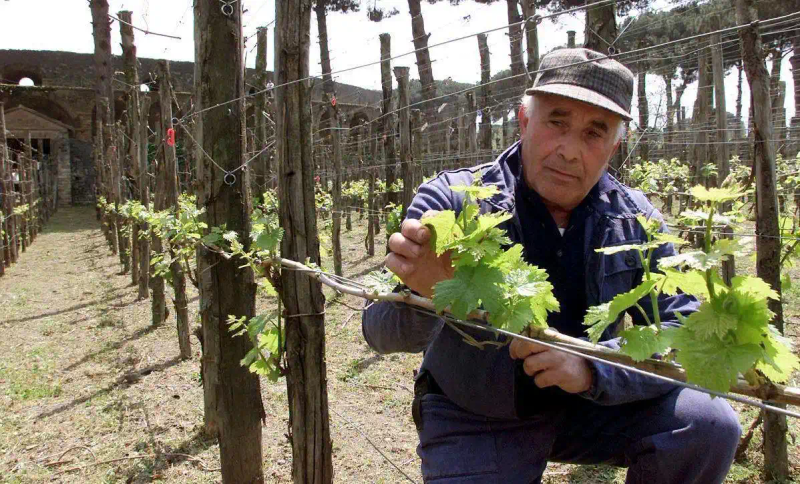
In january, a ditch was dug at a distance of 0. 5 x 1. 5 metres, with 5,000 kg of rotting organic fat per acre, and the above-selected seedlings were buried together with the chickens in the wet soil. To reduce water evaporation, discourage the early onset of budding and promote early rooting. In mid-march, seedlings were extracted and flatted on the ground, at a time when almost all the budding eyes were able to squirt, until the new 10-20 centimetres were not visible, and each of the selected 2-4 large bouquets were removed from the fruitless developmental branches and small bouquets. In the summer season, they are trimmed in a timely manner, such as graft, swab, etc。
Three to go
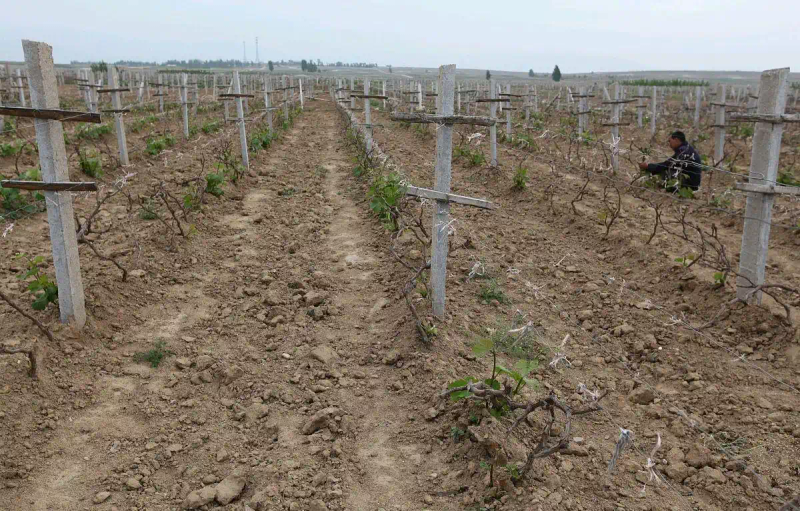
With bamboo poles and barbed wire, the first wire is 50 centimetres from the ground, the second barbed wire is 110 centimeters from the ground, and the result is a female branch fixed on the first barbed wire. As a result, the branches were attached to the second barbed wire。
Four-leaf fat
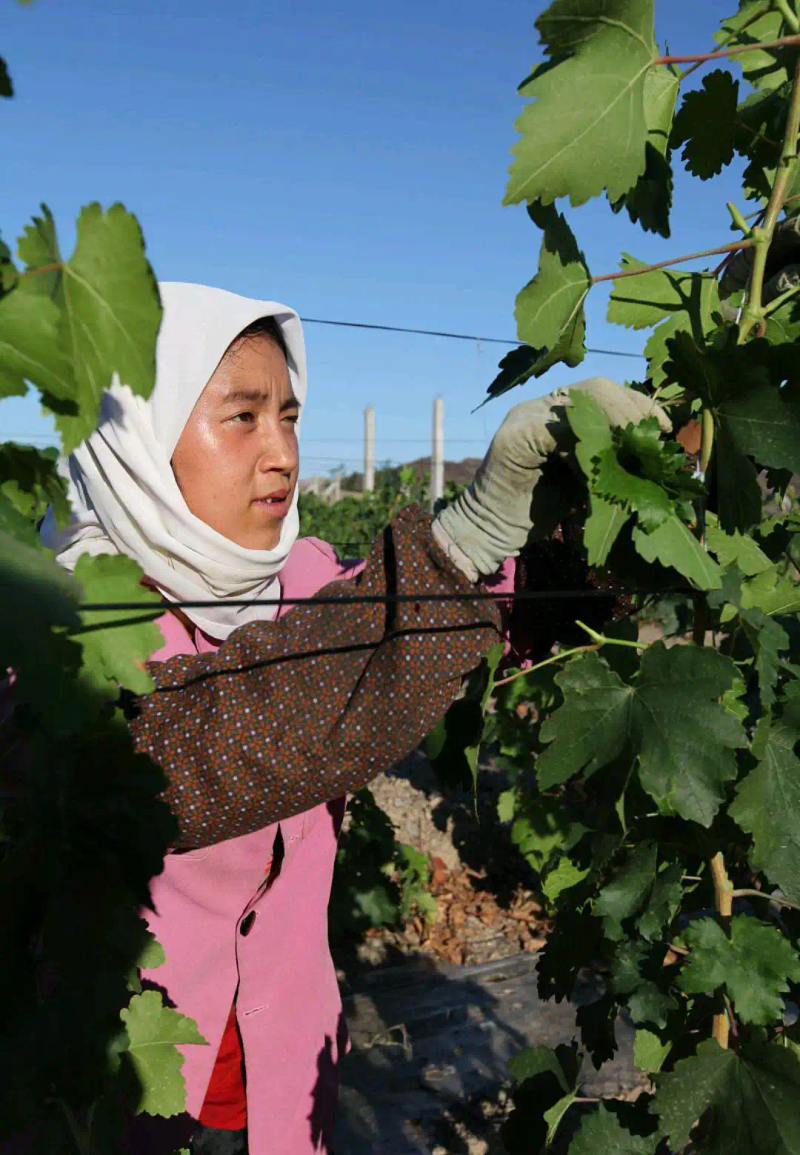
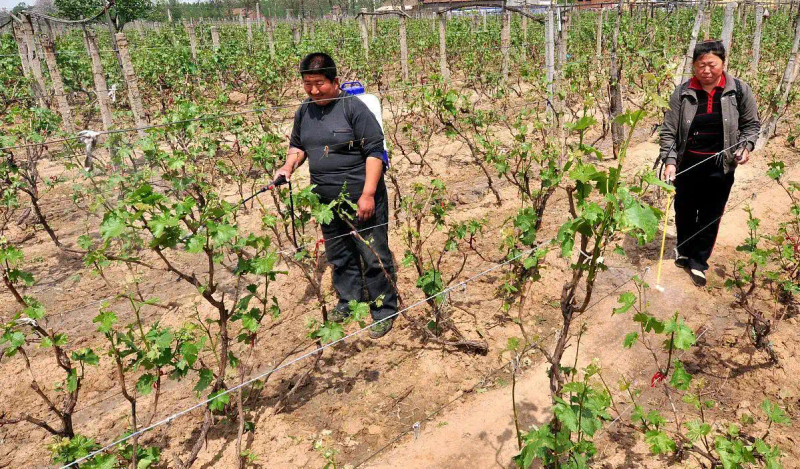
When grapes bloom, when flowers fall, and when young fruit swells, there are three external fat pursuits. The first was sprayed on the front of the leaves with a mixture of 0. 2 per cent concentration of boron sand, urea and potassium dihydrophosphate, and the third stage of the precipitous bulge, with an acre of 0. 2 per cent of potassium dihydrophosphate at 550 kg, added to the 5 ml mix of sprayed beverages, spread the wet side and back evenly from morning and evening。
5 weeding
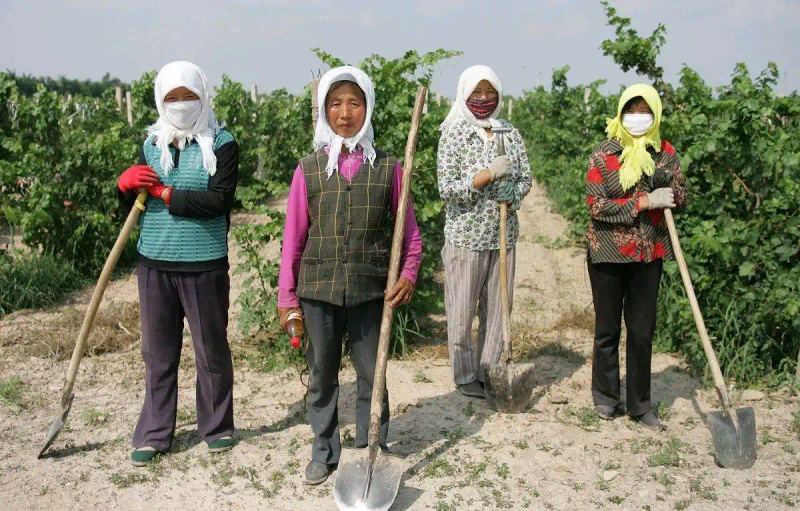
This can be done by combining chemical and artificial weeding. For herbicides, 10 per cent of glyphos-methyl is used, 40 times the water, to kill one year and many years of weed, and 5-7 days after spraying. The dose per acre was 0. 5 kg. Herbicides are sprayed with care not to be sprayed on grapes in order to protect them from the effects of the disease, and weeds from the root of the grape are artificially removed。
3. Grapes denuclearization and large granularization technologies
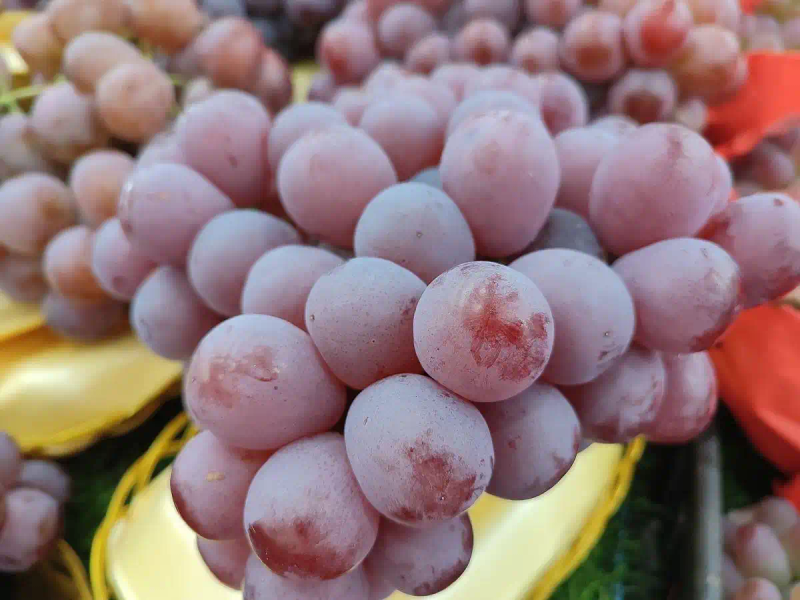
Nucleic grapes are treated through cactin, turning them into seedless grapes known as denuclearization. Nucleus-free grape varieties are treated with cactin, which increases their fruit grains, known as large granulation. The treatment of nucleus pyroacin with premature precipice 8601, with a induction rate of over 95 per cent, also prevents the flowering, increases the fruit rate and binds the grains and reduces the fallout. The berries are well coloured and have a high sugar content and ensure early marketing. Not only would it increase production but it would also increase economic efficiency through denuclearization or large particleization。
Pharmaceutical formulation:
Accomin is a biological formulation that is easily disabled and should be readily available. When formulated, 1 gram of cactin is added to 10 ml of alcohol, fully oscillated, dissolved (no sedimentation), then added to the clean water required, with full and balanced mixing。
1 non-nuclear treatment of nuclear grapes:
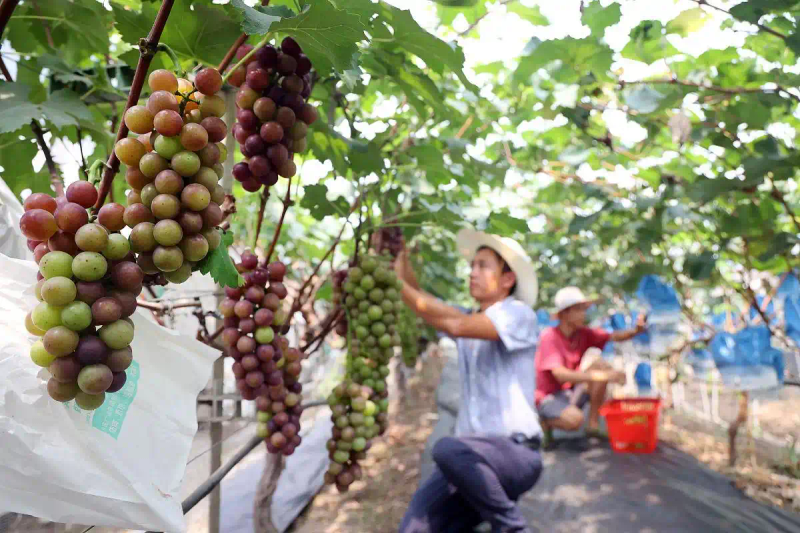
Two non-nuclear treatments are required, one during the grape bouquet period and, in the event of large cultivation, 50 per cent at flowering. 25 ppm pharmacies are placed in containers so that the plumes are fully immersed. The medicine should be exhausted within five days. After the first treatment, 10 days, a second immersion was performed, the pharmaceutical concentration was the same as the first。
2 large granulation treatment of non-nuclear grapes:
In the early stages of larvae after flowering, you'll be able to impregnate the ear with 25 ppm。
Summary:
We often buy porcelain grapes on the market, produce huge quantities, and we eat grapes without seeds. If properly managed, plumb grapes are cut off in the process of planting, the result is preserved, and water fattening is reasonably arranged, and the result can be productive. I hope i can help you。