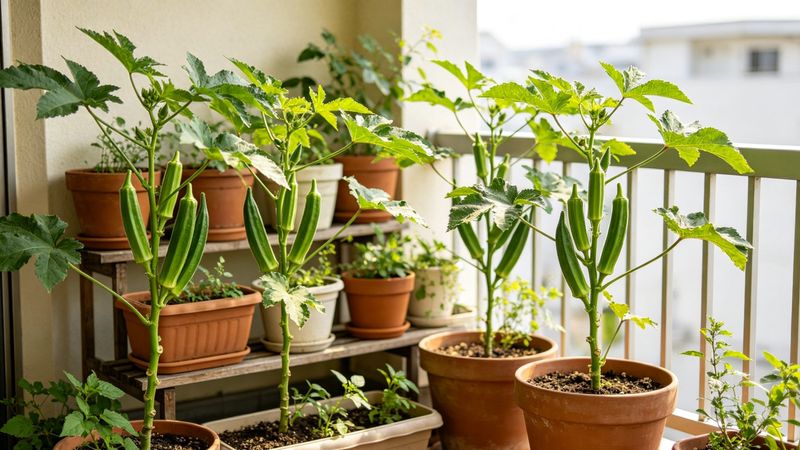
I. Main species of akills
Autumn (abelmoschus esculentus) can be divided into different types, according to different classification criteria, suitable for different cultivation needs and application scenarios:
1. Classification by purpose
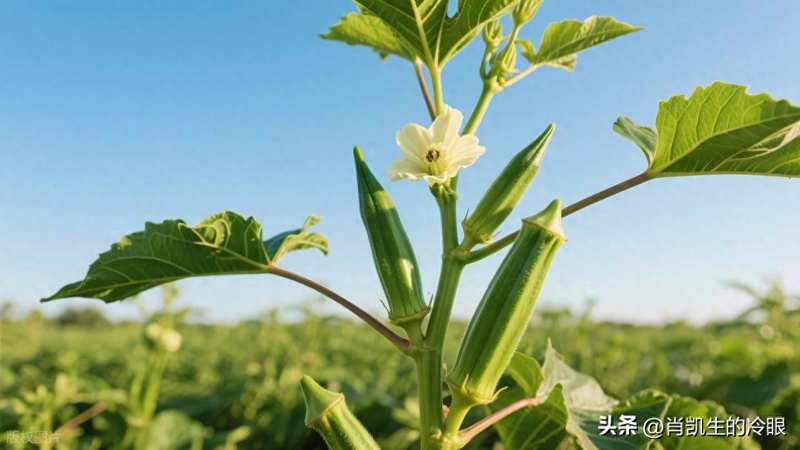
Aoi
2. Classification by growth habits 3. Classification by fruit colour/shape (1) by colour (2)
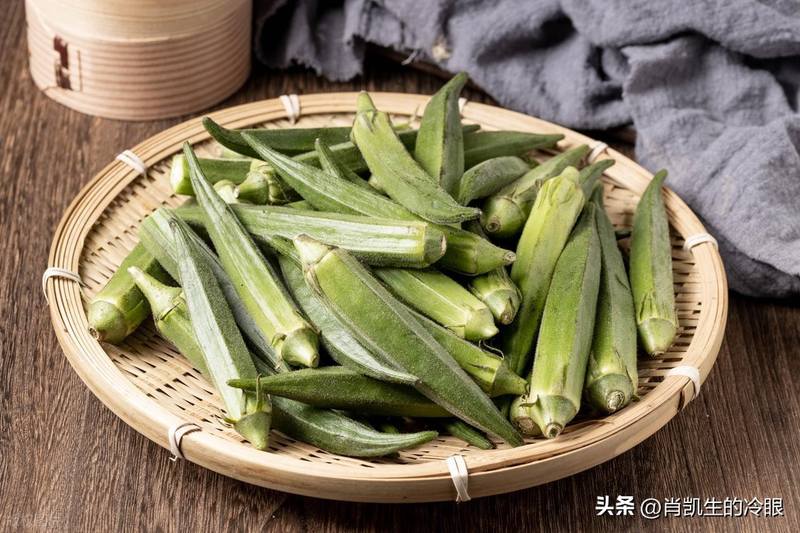
Picking aces
Ii. Autumn species suitable for cultivation throughout china
Autumn cultivation requires precise selection of species according to their geographical climatic characteristics, with a focus on the disease resistance, temperature resistance and long-term suitability of varieties, as recommended by the regions:
North china (beijing, tianjin, hebei, shanxi, etc.)
Climate characteristics: seasons are clear, summers are hot and rainy, winters are cold and dry and spring temperatures are rising slowly
Suitable species: field-planting of the first of the beijing yellow autumn emeralds (premature, heat-resistant, stable sit-in fruit); large-house cultivation recommends "taiwan five-four" (suffering from cold and weak light, suitable for counter-season production)
South china (gangdong, guangxi, fujian, hainan, etc.)
Climate characteristics: high temperature and humidity, long rainy season, multiple typhoons, heavy rains, pests and diseases fan
Suitable species: outland planting of the autumn 1 "summer 5" (anti-fatal, flood-resilient, non-fatable fruit); autumn and post-autumn studio cultivation recommends "premature five point" (resilient storage, good commodities)
Northwest territories (xinjiang, gansu, ningxia, qinghai, etc.)
Climatic characteristics: sufficient and high-intensity light, high-temperature, dry and low rainfall, soil salinization in some areas
Suitable species: "green dragon in the west" (dry, saline, light efficiency); "gin autumn" (quality fresh food, fruit quality) recommended by solar greenhouses
South-west region (sichuan, chongqing, yunnan, guizhou, etc.)
Climatic characteristics: heavy rain weather, insufficient light, cool summer and high day and night temperatures in some mountain regions
Suitable varieties: field planting of the "autumn 3" "autumn against autumn" (suffering from weak light and foliage); high mountain anti-season planting of the "creaming autumn" (fracking fruit, adapted to cold environments)
North-east region (liaoin, jilin, heilong river, etc.)
Climate characteristics: short frostfree period (100-150 days), cold summer, cold winter and limited growth cycle
Suitable varieties: estudio no. 1 "little autumn " (prematured varieties, 55-60 days from planting to harvest, strong cold resistance); "bei-su" recommended by large-scale planting (low temperature, high productivity)
Iii. Core techniques for planting methods
Core tip: the key to autumn cultivation lies in "breeding seedlings + water fattening in the field + conservation fruit" , which requires three main elements of controlled temperature (25-30°c suitable for growth), light (8 hours per day) and soil moisture (60-70%)。
(i) cultivation phase (basic growth) 1
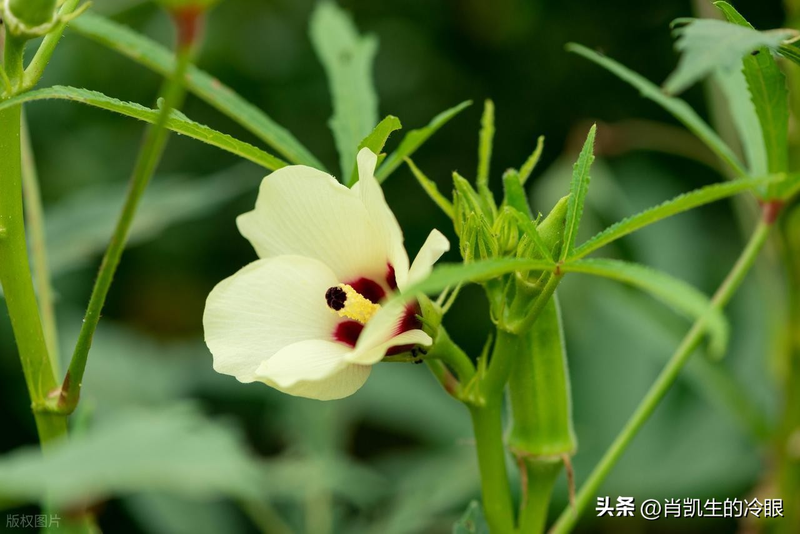
Autumn flowers
(ii) plantation and field management 1. Soil and planting readiness 2
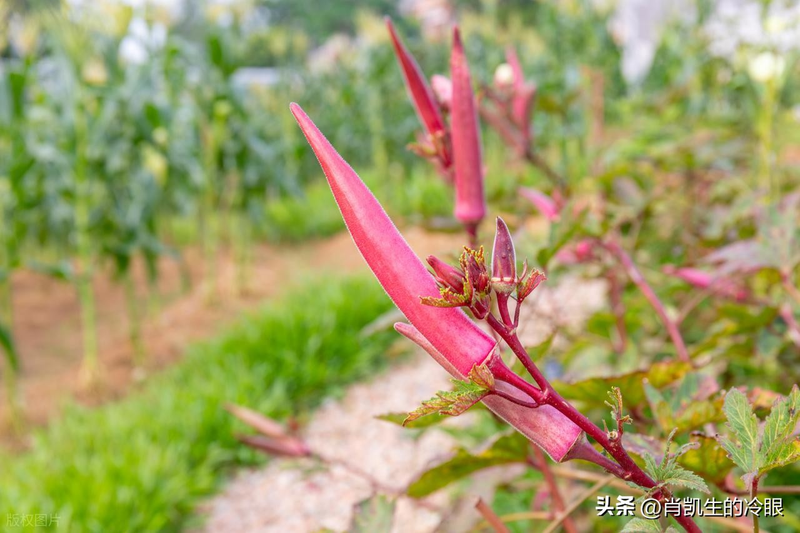
Autumn
4. Fertilizer management
After planting, water is poured to promote slow seedlings, followed by control of water saplings (approximately 10-15 days), inhibition of gerontism and promotion of graft separation; and maintenance of 60-70 per cent soil moisture after flowering, avoiding damp and damp fruit。
Fertilizer pursuit follows the principle of "frequent re-appliance, expansion and diligence": 10 kg per acre of high potassium compound fat, followed by 15 days per acre after the oxidation; and 0. 2 per cent potassium phosphate + calcium fertilizer sprayed during the oxen period in conjunction with the leaf。
(iii) precious nuts
Autumn flower periods encounter high temperatures (>35°c) or low temperatures (<15°c) easy to fall fruit in time for intervention:
Iv. Pest prevention and control
In line with the principle of "prevention and integrated management", priority is given to agricultural and biological control, reducing the use of chemical pesticides and ensuring product safety:
1. Prevention of major diseases
Disease
Symptoms: water stains on the leaves are dark and green, spreading and decomposed; the fruits become softer and decomposed, and the skin of the disease in a damp environment gives rise to white aroma。
Method of prevention: rotation with non-egar crops for more than two years; pre-incipal spraying of bordeaux fluids; early use of mercuric zinc or corrosive spray at intervals of 7 to 10 days, 2 to 3 consecutive times。
Viruses
Symptoms: leaf wrinkled, greened, yellow, shrunk, slow-growing, small and deformed。
Prevention and treatment methods: focus on aphids (tox vectors); pre-plant spraying of mushrooms for sugar or hydrochloric acid prevention; timely removal of strains to avoid transmission。
The root disease
Symptoms: roots form tumours of different sizes, roots rot, strain atrophy, recovery sooner or later, and the whole strain dies。
Prevention and treatment methods: 2-3kg granular agent of avimectin per acre per acre to be applied to the ground; rotation with non-host crops such as onions and garlic for more than three years; soil fumigation can be used for large-scale cultivation。
2. Major pest control
Aphids
Hazards: insects and insects suck on leaves, flowers and juices, leading to foliage and the spread of viral diseases。
Methods of prevention: cedar baiting in the field (20-30 pieces per acre); biocontrol can release aphids, grasshoppers; chemical control can spray aphids or aphids at intervals of 7-10 days。
Spongebee
Hazard: the larvae eats fruit, causing the fruit to break, rot and lose its value。
Method of prevention: manual removal of vermin fruit and its removal from the field for destruction; larvae application of chlorobenzo-amide or fungi (bt) and better application in the evening。
Ribra
Hazard: endangering flowers and young fruit, leading to the fall of petals, rough skins of young fruit and the formation of deformity。
The method of prevention and treatment is: the thonyws wait one day and come out of the night and are administered in the evening; the ethylidosterics or esters are selected for spray spray, the main sprayer and the young fruit, with a break of 5-7 days and two-3 consecutive times。
Autumn leaves
Key measures to increase production; technical aspects of different cultivation patterns; (i) large-scale open cultivation (scale production); (ii) large-shed cultivation (anti-season cultivation); (iii) landless cultivation (hydration/general training, high-end cultivation); (iv) household cultivation (pros and cons analysis and recommended models of cropping (pros and cons)
A reasonable combination of seeding can increase land use rates, subject to the avoidance of competitive risks between crops and insects and pests, as follows:
Autumn + corn
Advantages: corn is high enough to cover the sun for acorns (lower field temperature in the summer and avoid sunburn) and soil organicity can be increased by the return of maize straws after harvest。
Risks: maize and autumn compete for nutrients and light and require increased fertilization; maize cultivation should not be too dense (one line of corn for every three lines)。
2. Autumn+beans (caucasium, beans)
Advantages: the root tumours of pulse crops fix nitrogen and improve soil fertility; the pulses are shallow and complementary to the autumn (deep roots) and take full advantage of soil resources。
Risks: aphids are easily fed by pulses that may be transferred to akills and need to be monitored and treated in a timely manner。
Autumn + garlic/shells
Advantages: volatile odours of garlic, cauliflower can eschew pests such as aphids and parrots, reduce the occurrence of acorns and reduce pesticide use。
Risk: over-density competes for moisture and requires control of the length of the strain (20 cm for garlic/cranium and 30 cm for aluminum)。
Autumn is not suitable for or associated with eggplant crops such as eggplants, peppers and tomatoes, which are prone to co-infection (e. G. Disease, dysentery)。
Market trends and key indicators 1. Market trends 2. Key indicators
Through precision seeding, scientific management and model adaptation, acreage can be grown up to 2000-3000 kg, or 3000-4,500 kg in large sheds or unearthed acreage, meeting the economic benefits of scale production, as well as home gardening, and being an adaptable and promising vegetable variety。