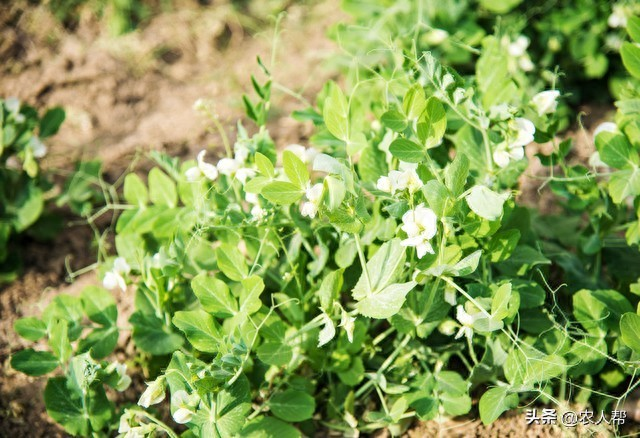
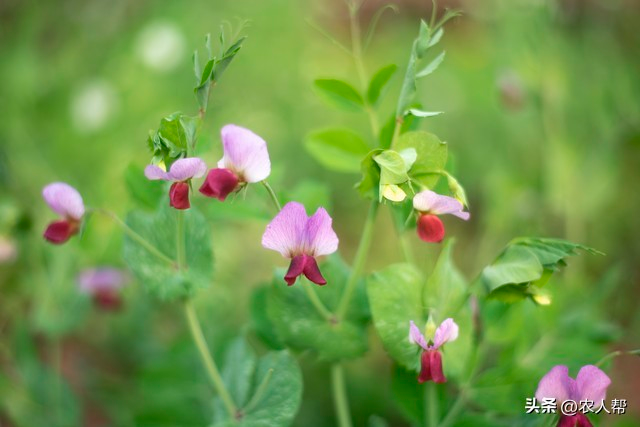
This pea thing, the color and the color of the seeds, is quite different because of the variety. Some produce white flowers, and the seeds are white, yellow and green; and if the varieties of beans are eaten, most of them are purple, and the seeds are dark brown. There are two kinds of beans, hard and soft. In order for peas to be productive and productive, when they grow, and when they are managed, attention must be paid to these places:
1. Land selection
The root of the peas is deep, so it is slightly drought-resistant, but it is not less demanding for the land. First, the earth shall be levelled, and not the pits shall be low, or when water is poured or drained, there shall be little or no room. Second, the earth is drained, and peas need water, but they can't get out of the water, and they can rot easily. In addition, the soil is preferably acidic so that the roots of peas are comfortable and can absorb nutrients better. And one important thing, this land has grown other bean crops in the last year, like soybeans and green beans. Because soybean crops are easy to use the same insects, have the same disease, and eat the same nutrients in the earth, and in other words, less sick pests and more nutrients in the earth。
2. Timing
When you grow peas, it depends on where you are. The climate is different from place to place and the timing of planting is different. In the spring, the north is usually from march to april, when the day is warm and the soil is frozen, and the temperature is right for peas to sprout and grow. The south can grow early, but we have to avoid spring cold and not freeze the seedlings. In autumn, the pre-maturized varieties would have to be selected, almost in early september, so that they could grow and be collected before late november, when it was cold and cold. If it's late, it's too cold, peas don't grow well, and we don't have enough to build, the production will be low。
3. Selection of varieties
What kind of peas is directly related to the amount of money that can be collected. It's up to you. In general, species that are not susceptible to disease (e. G., not easy to get powdered, aphids) are selected, regardless of whether the heat of the day is cold, the tide points are long and the demand for soil is low. If they are planted for sale or processing, they have to choose the type that is suitable for processing, so that they can be collected and processed. Taking these into account, the selection of a high-yield, high-quality and good-quality species can provide the basis for more results。
4. How to sow
Peas are usually on-demand in one line, so that each seedling has a long spot and is not crowded. Specifically, the distance between rows is 10 to 20 centimetres, about 5 centimetres between seedlings in a row, and between 2 and 6 seeds in each pit. Such density would not be too crowded for nutrients and sunlight, but would ensure that an acre would have enough seedlings — about 60,000 to 65,000 seeds, using about 10 to 15 kilograms. When seeding, it's not too thick, three to four centimeters. It's too thick. It's too shallow to dry。
5. Field management
Weeding and fertilizing: when the peas grow, they grow slowly, they grow easily in the earth, and the grass grabs nutrients and water from the peas in time. Weeds take the earth loose so it can breathe. When the seed comes out, an acre can pour around 1,000 kilograms of human and animal urine to feed the seedling and make it grow fast。
Plumbing: peas like a high-tide environment but afraid of drying and flooding. If the seed is dry, it has to be watered quickly and the earth has to be fluent so that the seed can germinate and the seed can grow. And when we start to fertilise, we need plenty of water, and we have to keep up, and we have enough water and we have enough to grow. In addition, peas grown in the autumn winter must be watered, so that the soil is not too dry, but the water evaporates and is too dry. The peas that grow in the spring have to open well in advance, the spring rains are so heavy that they can drain out the excess water and not flood the roots。
6. When will it be collected
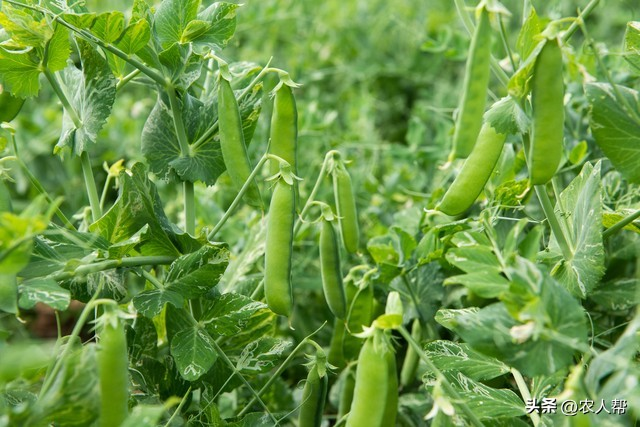
Eat the peas from the bean. You have to watch the time. It's usually full of beans, but the beans are collected when they're not fully grown up, when the beans taste good. Peas blooming and sprouts are not always good, they come from a batch, so they have to collect a batch. After the first harvest, pull out the old yellow leaves of the land, and then put some more fat on it, so that it can continue to sew and collect more。
In addition to what we've said, we have to be careful with pests. Peas are prone to dust, rust and aphids. Precaution is desirable, for example, by shifting fields, choosing varieties that are not susceptible to disease, managing the conditions in the field and minimizing the occurrence of pests and diseases. If there's one, use a safe pesticide. The breeders have to be flexible in the light of their own realities so that the peas can grow well, collect much more and be of good quality。