


It's forbidden. Everyone's responsible
The spring blooms and everything recovers
It's the time when the poppy is born
As a drug plant
Most of us have heard of the dangers of opium poppy
What does it look like? Everyone knows it。
What is a drug plant
Drug-based plants are those that can be used to extract, process and manufacture drug raw materials, mainly opium poppy, cannabis and coca。
Cyclops
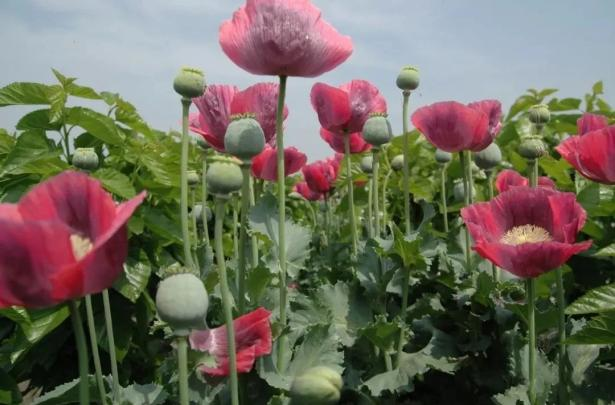
Poppy alias:
The twigs, the avron, the rice, the corn, the rice, the pellets, the twig。
Form:
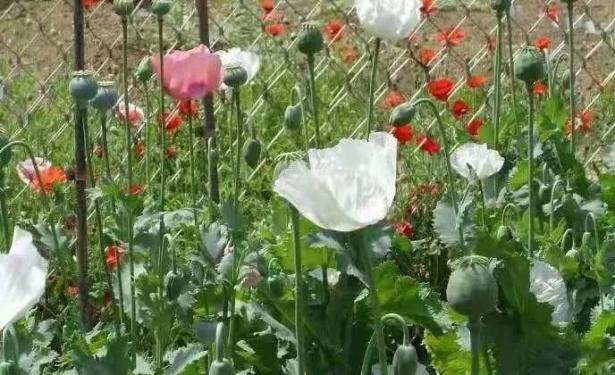
Poppy is either one or two years old and is 60-100 cm tall. Roofs smooth, being powdered. Leaves are born of each other, grey, green, with no power, arms, ellipses. The buds are always down, single-born, standing up, flowering and beautiful, with two slices, green, early fall; and four petals, coloured, white, yellow, pink or purple, are very beautiful. A long ellipse or a kettle, yellow or light brown, smooth, long stripes. Most of the seeds are very much like undead seeds, small, kidney-shaped, with a four-to-five-month period and a six-to-eight-month period。
Hazard:
Poppy is the main drug-sourced plant for the extraction of drug heroin, with long-term consumption prone to addiction, chronic poisoning, serious physical harm and becoming what is commonly referred to as a “smoker”. It's not easy to breathe。
Oma
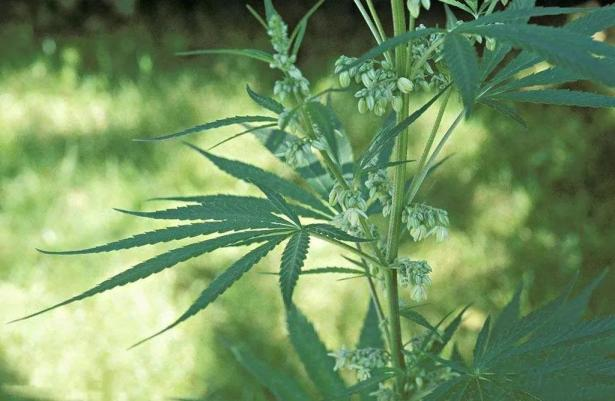
Cannabis, a one-year herb plant, 1-3 metres high and a female-to-male strain, originated in central asia and is now global in scope, wild and cultivated. Cannabis was one of the first plants to be cultivated by humans. Cannabis is produced in fibres and in rods, and oil is extracted from seeds, the main component of which is tetrahydrocannabinol. Cannabis is highly variable, and cannabis used as a drug is mainly a variant of small, multi-segregated cannabis。
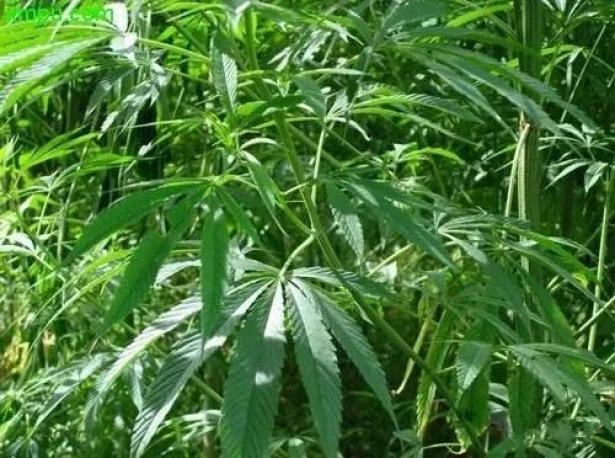
Classification of cannabis-type drugs:
Plant drying: made of cannabis plant or partially dryed, commonly known as cannabis smoke, with a tetrahydrocannabinol content of about 0. 5-5 per cent。
Cannabis resin: made of resins that seep the fruit of cannabis and the flower ceilings, also called cannabis resin, containing approximately 2-10 per cent tetrahydrocannabinol。
Cannabis oils: liquid substances extracted from cannabis plants or from cannabis seeds, resins, containing about 10 to 60 per cent tetrahydrocannabinol。
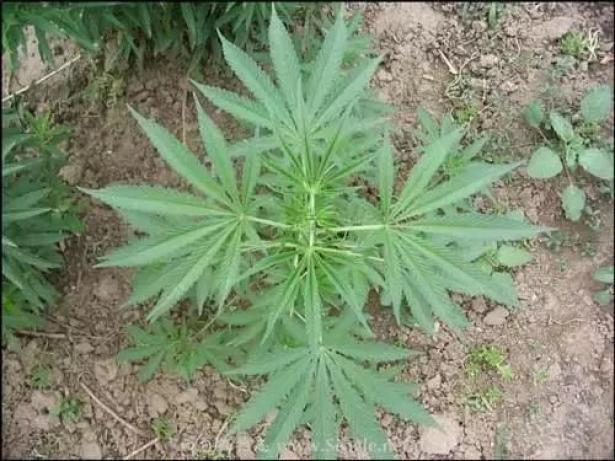
The extensive or prolonged use of cannabis causes serious harm to human health:
1. Nervous disorders. Overdose can result in unconsciousness, anxiety, depression, etc., hostile impulses to people or a willingness to commit suicide. Long-term cannabis use can induce mental disorders, paranoia and delusions。
2. Damage caused by memory and conduct. The abuse of cannabis can reduce brain memory and attention, calculus and judgment, leading to retardation, mundaneity and confusion. Long-term ingestion can also cause degenerative brain disease。
3. Impact on the immune system. The use of cannabis can undermine the immune system of the organism, resulting in low cytology and fluid immunisation and vulnerability to viruses and bacterial infections。
Cannabis use can cause diseases such as bronchitis, oscillitis, asthma and edema. The lung function is 10 times more affected by smoking a cigarette than by smoking a cigarette。
5. Impact movement coordination. Overdoses of cannabis can impair the co-ordination of muscle movements, resulting in a stand-up balance disorder, hand shaking, loss of complex operational capabilities and ability to drive motor vehicles。
How to identify opium poppy
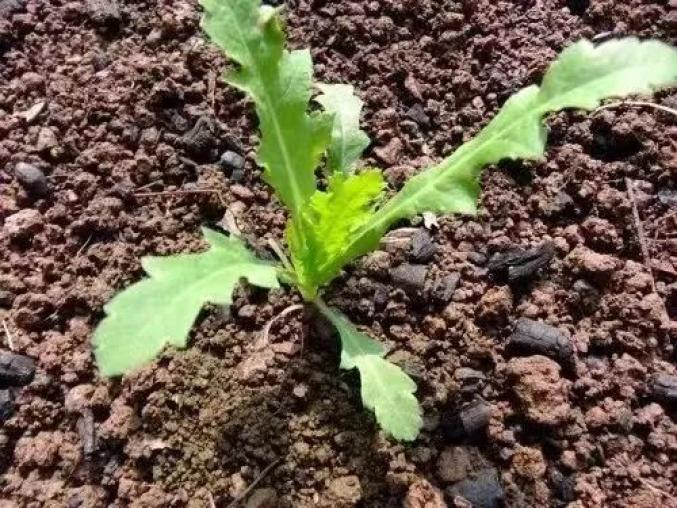
Opium poppy seedlings
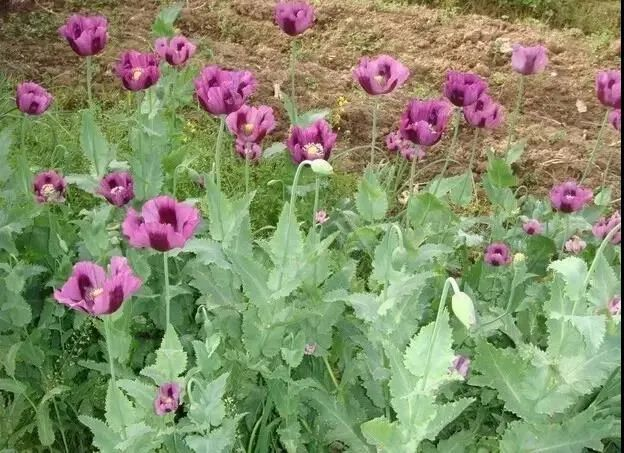
Poppy
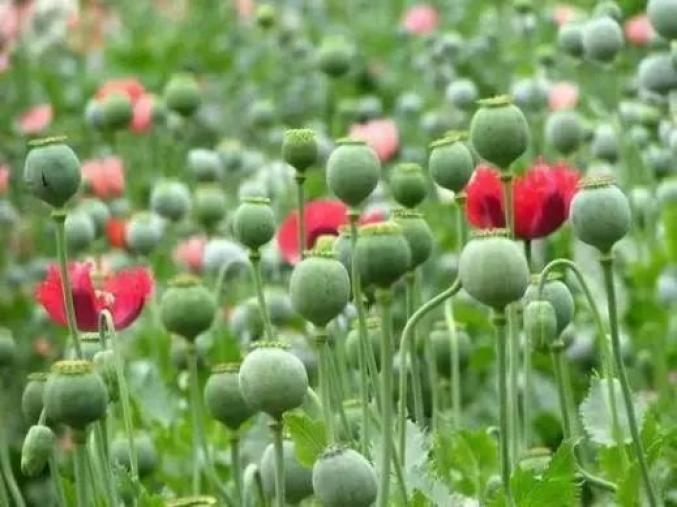
Poppy fruit
When april-june was the result of opium poppy, the fruit was visible, rounded or elliptical, easily identifiable and very different from other crops; the colour of the poppy peel was similar to that of winter melon, with a large amount of seeds, white in fresh fruit, tanned poppy shells, and dark soil yellow in fruit。
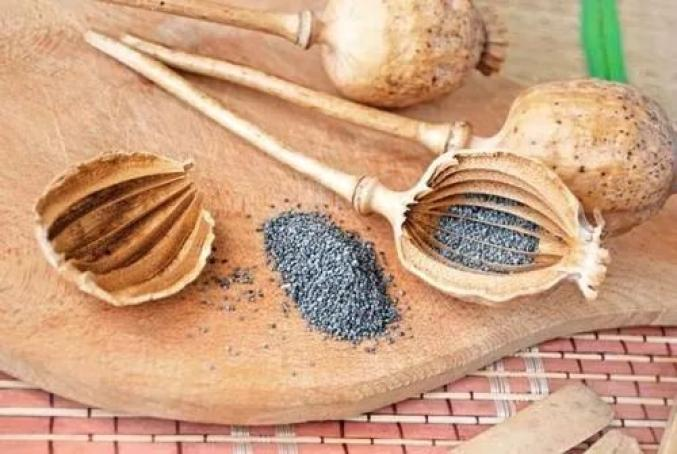
Poppy shells
Poppy blossoms are more than 10 days behind, produce egg nuts, cut on ripe berries, seep white slurry, dry and turned into brown, commonly known as “smoking” or “smoking opium”, which is the main raw material for the production of opium, while extracts are also a source of various sedatives, such as morphine, tibaine, codeine, poppy alkaline and nacotine. Poppy blossoms are pitiful, but beauty cannot be ignored. Poppy is the main drug plant for the extraction of opium, with long-term applications prone to addiction, chronic poisoning and serious physical harm。
The danger of opium poppy consumption
Both poppy seedlings and poppy shells contain bioalkalis, such as morphine, which can make humans dependent and addictive, with some toxic effects on human liver and heart. Long-term consumption of food containing opium poppy hulls can be characterized by cold, sweaty sweating, inactivity, yellow skin thinness and incapacitation, and can cause serious damage to the nervous system, digestive system, psychosis, hallucinations and even death。
Legal consequences of the illicit cultivation of narcotic plants
Article 351 of the criminal law of the people's republic of china
The illicit cultivation of narcotic plants such as opium poppy and cannabis is enforced. A term of imprisonment of up to five years, detention or control and a fine shall be imposed if:
(i) the cultivation of more than 500 opium poppy plants and less than 3,000 or larger quantities of other drugs
(ii) growed after treatment by public security organs
(iii) resistance to eradication。
The illicit cultivation of more than 3,000 opium poppy or other drug plants is punishable by a term of imprisonment of more than five years and a fine or confiscation of property。
The illicit cultivation of opium poppy or other narcotic plants, which is automatically eradicated before harvest, is exempt from punishment。
Article 71 of the law on administrative penalties for security
Any person who:
(i) illicit cultivation of less than 500 or other small quantities of narcotic plants
(ii) illicit trade in, transport, carry and hold small amounts of raw drug plant seeds, such as raw opium poppy, or seedlings
(iii) the illicit transport, trade, storage and use of small quantities of opium poppy shells。
The first act in the preceding paragraph shall not be punishable if it is self-destructed before maturity。



