Introduction
Garlic, commonly known as the garlic plant, plays an indispensable role in the daily diet. It has a long history of applications, not only as a spice we are familiar with. In addition, garlic is referred to as a “natural antibiotics” whose multiple effects of anti-pathogen microorganisms, anti-cancer resistance and antioxidation make it important in people's health services and diets。
The benefits of garlic are numerous, yet high-yielding cultivation requires some skill. Next, we'll look into how to get your garlic growing to a healthy and productive target。
High-yielding planting steps
Choose a variety
In selecting garlic varieties, the following principles should be observed: if the harvesting of garlic is targeted, the high-yielding varieties should be selected; if the early ripening and durable storage characteristics of garlic are emphasized, the corresponding varieties should be selected; and if the cultivation of garlic is targeted, preference should be given to those with lower fibre content and green leaves. The selection of garlic varieties suitable for the purpose of planting and environmental conditions achieves a high productive purpose through shifting of varieties and breeding of pure strength。
There are two ways to achieve this: first, by trying to change varieties from one place to another and introducing high-yield varieties in different regions; and second, by choosing high-quality varieties that have been bred into pure and reinforced varieties to ensure their effectiveness。
The ground and fertilizer
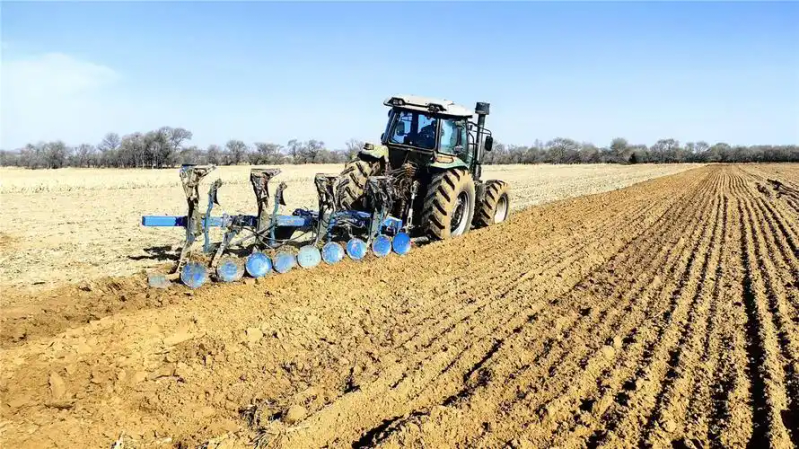
The preparation of the soil is essential before the planting of garlic. To ensure that organic fertilizers are sufficiently decomposed to prevent garlic maggots. Careful and balanced fertilization is the basis for the healthy growth of garlic, ensuring soil laxity, ph suitability and pest control. A solid foundation for the healthy growth of garlic is laid through careful and rational fertilization。
The preparation of the soil is an indispensable link before the cultivation of garlic begins. Each acre shall be applied to organic fertilizer of 3 to 5 cubic metres, together with 40 kg of ammonium phosphate and 50 kg of potassium sulphate compound fertilizer, to ensure nutritional balance. The ground as a whole will require a deep 40-centimetre roll, which will be nuanced and eventually formed into a four-square shape to provide an ideal soil environment for garlic growth。
Garlic ready
First, we need to select the full, intact and disease-free garlic to ensure its health and vitality. Second, garlic needs to be carefully stripped from the dry tubing, which not only helps the garlic to better absorb moisture and germinate roots, but also effectively prevents the subsequent rooting of the garlic from being lifted out of the ground and affecting growth. Choose healthy garlic petals to ensure that garlic is good and increases survival and growth。
When the garlic petals are graded by size, small petals are suitable for garlic seedlings. Based on the demand for cultivation, an appropriate crop size of approximately 150 kg per acre is determined, and the petal weight is in the range of 4. 5-5. 0g。
Sowing technology
It is recommended to sow between late september and early october, thus ensuring that garlic seedlings grow between four and five leaves before winter. Early or late seeding can lead to excessive or too small garlic seedlings, which may affect their ability to withstand colds, thereby increasing the risk of death in winter。
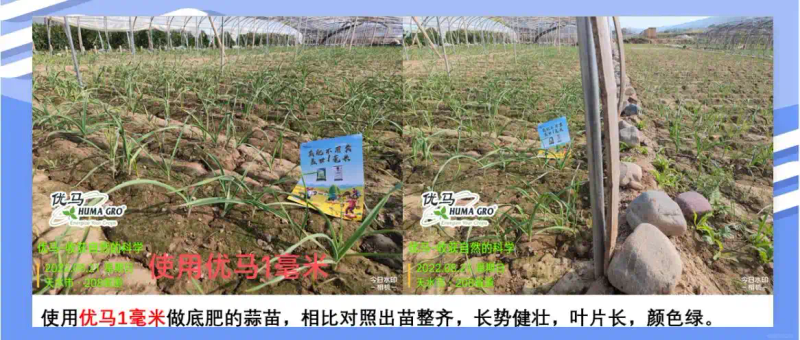
Before seeding, agents are used to plant pests to prevent potential pests. In addition, the incorporation of euma restorations can further promote roots, seedlings and increased resistance to freezing. The sowing is at a depth of 3-4 cm and it is recommended that the soil be humid with a covering film。
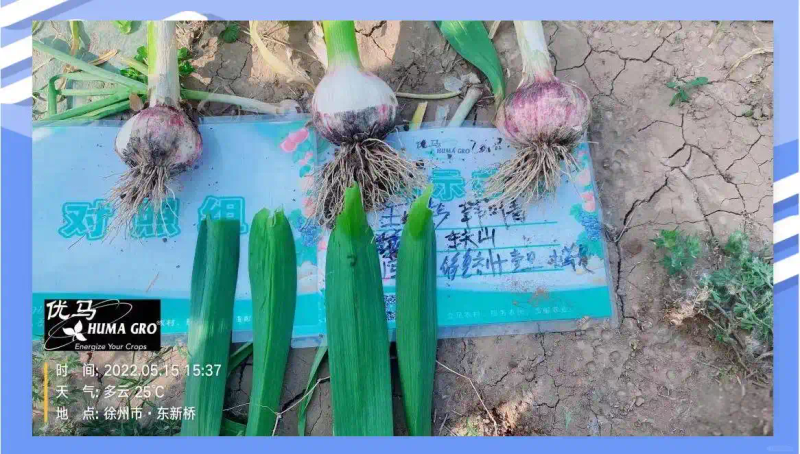
The seeding direction needs to ensure that abdomen are connected to the direction. In terms of sowing density, it is proposed to limit line spacing to 20-23 centimetres with a distance of approximately 12 centimetres, so that approximately 27,000 units per acre can be sowed. Once seeding has been completed, herbicides are sprayed and film sheeting is covered in time to maintain the wetting of the cheeks。
Double dust cover
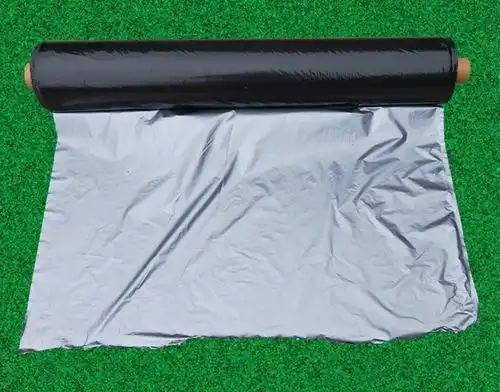
Covering with a double-coloured membrane can significantly increase the temperature and preserve the suitability of the soil. Increase temperature and seedling rates through double-coloured membranes, promote garlic growth and increase anti-frozen capacity. This technology allows garlic to grow earlier, with higher rates and higher growth rates。
Shrimp management
During the seeding phase, it is necessary to break the film in time to avoid the burning of the baby. Timely defilm, rational watering, clean-up of oscillations to provide a good environment for garlic growth. After winter, sufficient frozen water should be poured into the early days of the freeze in order to ensure the safe passage of garlic; the early spring seasons, that is, before and after the start-up, must be prepared for the subsequent growth of garlic. When you return to youth, the application of yoma will promote their healthy growth。
The budding season
After the festival, garlic entered the budding period, when a “yellow tip” of one to four leaves was observed, which was a normal physiological reaction, without fear. Sufficient nutrients are required during this period to observe the “yellow point” phenomenon as a normal physiological reaction。
It's a big boom
Water and fatting should be done immediately after harvesting, after harvesting, in a timely manner, and before garlic is harvested, water should be stopped in order to increase storage tolerance. It is primarily nitrogen fat and ensures that water is fully watered once. Garlic needs to stop watering seven days before harvesting to ensure that it is moderately dry and improves its sustainability。
Collection management
When garlic is white, it's a good time to harvest. As a rule, garlic per acre can produce 150 to 500 kg. The timing of harvests is determined by the state of garlic and ponture, which ensures production and quality。
Within 20 to 30 days of the pick-up of garlic, the changes in the penis should be followed closely. When the mantle becomes soft and 50 to 70 per cent of the upper plant is yellow leaves, it is the best time to harvest it。
Summary
The high and steady production of garlic is dependent on careful cultivation management. The following steps are critical to achieving a healthy production of garlic: first, the selection of high-yielding and high-yielding varieties; secondly, ensuring that the seedlings are well grown and managed through graded seeding, timely membranes and pest control; secondly, rational fertilizer, scientific control of water, and appropriate planting density; and finally, harvesting at the right time to prevent the fragmentation of garlic。