


Kawakawa is a chinese medicinal plant that is often used in the form of live blood, and which is used to combat the pain by wind. It is produced in yunnan, guizhou, guangxi, hubei, jiangxi, zhejiang, sichuan shui county, etc. The following is a major study of the techniques used to grow the plant in kagawa。
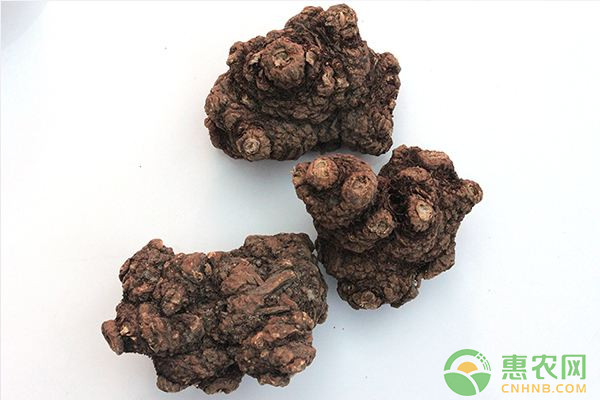
1. Land selection
It is not appropriate to plant cold sand and slurry, white slurry, low-wetting fields, etc., in areas such as sunward, deep, well-watered, more fertile, neutral or micro-acid soils. Weeds will be purified before planting, the grass will be fertilized into carbon, and the ground will be levelled. Based on terrain and drainage conditions, it is made to be 1. 6 to 1. 8 metres wide。
2. Cultivation in due time
In mid-august or so, on the well-established surfaces, a ditch was planted at a distance of 33 x 20 centimetres and 2-3 centimetres deep. At the same time, each line of 6 to 10 lines is designed to produce a single line of larvae for replanting. They must plant them shallowly, flatten their ditches and sow them upwards into the soil. They are exposed to both soil and partially exposed。
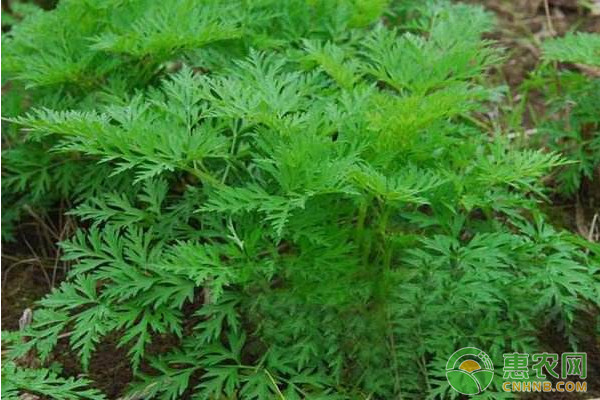
3. Cultivation
After planting, the sifting compost or dung cover the platinum, and after planting for about half a month, the seedlings are lifted to cover the grass, and every 20 days or so. The seedlings combine with chinese tillage for replanting and last tillage for weeding, and produce soil around the roots to protect them from winter。
4. Reasonable pursuit of fat
After two months of planting, kawasumi concentrated three times, once every 20 days, with the last request for application before the fall of the frost. Fertilization per acre was 1. 2 tons of farm fat, 30 kg of oil cake, 100 kg of grasswood ash, 25 kg of ammonium sulphate, 40 kg of calcium perphosphate and 10 kg of potassium sulphate. When spring leaves grow rapidly, fattening is pursued again, with the same fertilization。
5. Pest management
5. 1 death from leaf
Most of them occurred in may-july, when the leaves produced brown, irregular spots, which spread to the entire leaf, killing the entire leaf. In the early stages of the disease, 65 per cent of the dyssey zinc 500 times the fluid, or 50 per cent of the fungus 1,000 times the fluid, or 1:1:100 bort. Once every 10 days, 3-4 consecutive times。
5. 2 powder disease
From late june until late july, when the heat and humidity were high, the disease was severe, starting with a disease in the lower leaves, a white white powder appeared on the leaves and troughs, and then gradually spread upwards, with a small black spot in the post-disease, causing the leaves to die yellowly. After the harvest, the fields were cleared and the residual leaves were burned. In the early stages of the disease, 25 per cent of the powdered lint 1,500 times the fluid, or 50 per cent of the tobles 1,000 times the fluid, were sprayed once every 10 days and two to three times in a row。
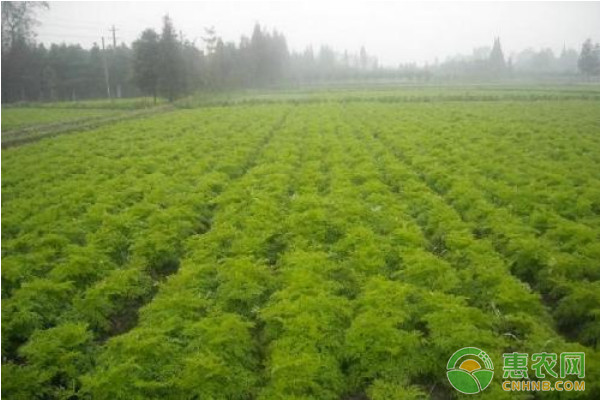
5. 3 decomposition
The roots of the disease are rotted into tan, watery, odoured, softly decomposed, and part of the land is gradually yellowed out after a long period of suffering. Immediately after the incident, the strain was removed and burned in a concentrated manner to prevent its spread. Pay attention to drainage, especially during the rainy season, which is characterized by excessive rainfall, poor drainage and severe disease. In receiving and selecting seeds, sick “touching” and decomposed “tips” are removed。
5. 4 moths
Kawagi moths use 80% of trichlorfon 100-150 times water solution spray during fertilisation, with a focus on the first generation of pre-age larvae, with a total of 5:100 cigarette bands, marmalade leaves and water, and a total of 12-24 hours of filamentation。
6. Timely collection
The following year, in late may, was the most suitable year for digging. Early excavation, the root of the ground is not fully mature and yields are low. Too late to dig, the roots are ripe for decay. It is good to pick the sun, dig up the whole body, plow down the earth on the roots, remove the leaves from the roots, bake them with a microflammation, and shake in the cages, and remove the soil and the roots。
These are all the points that have been made with regard to the growing of the kawadoku dome, and it is hoped that the farmers who need it will have more access to learning and help。
You may be interested in and welcome the content of the following recommendations。



