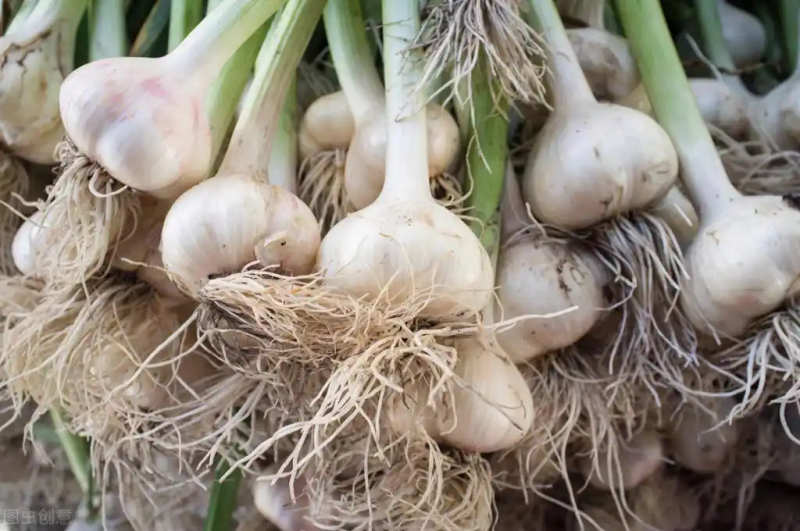
Garlic. Garlic has been growing in taiwan for over 300 years. While garlic is an old crop, in our cooking arts, it is always one of the important internal and external vegetables to be marketed by steam, cooking, fried, fried, salted, stewed, halogenated and collars。
I) selection
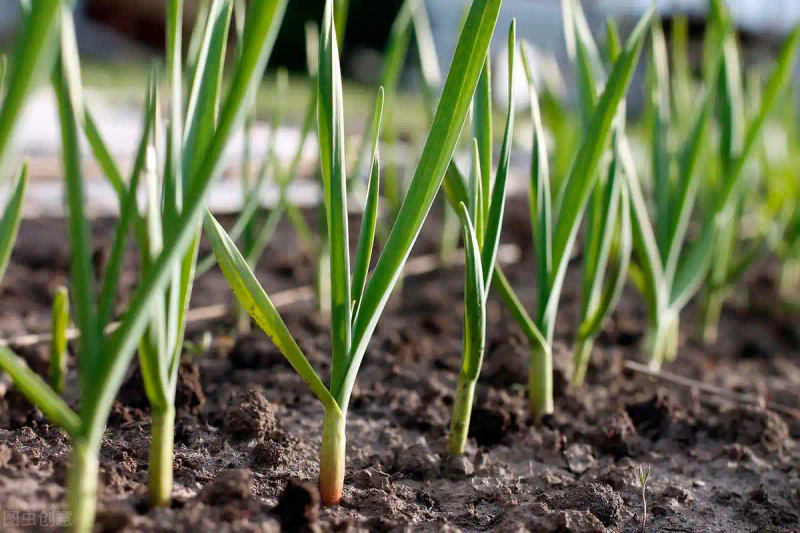
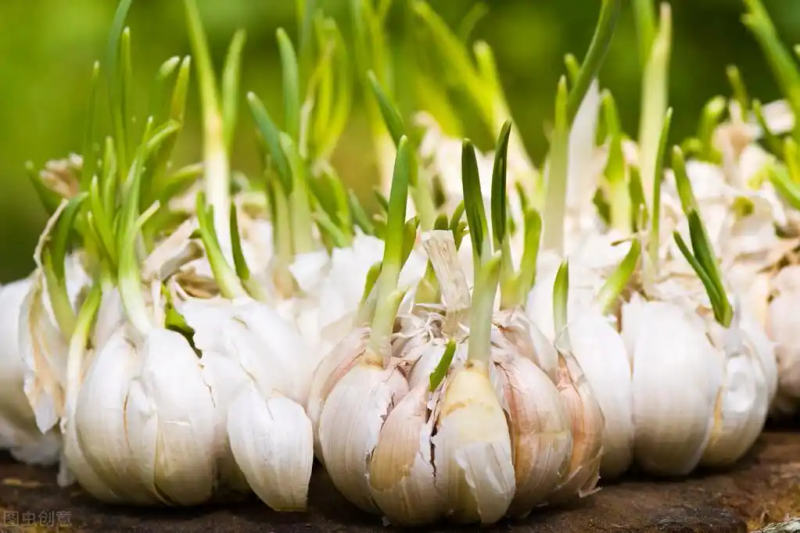
The common garlic ball is highly susceptible to nematode and viral diseases and, if planted with the disease, it is not only less developed but also less productive, so it is strictly recognized that garlic is grown. Garlic balls are selected for higher balls, with garlic petals and small petals... Well-structured, solid, insect-free, no rinse. Garlic is growing fast, harvesting early and producing high。
(ii) land as a whole
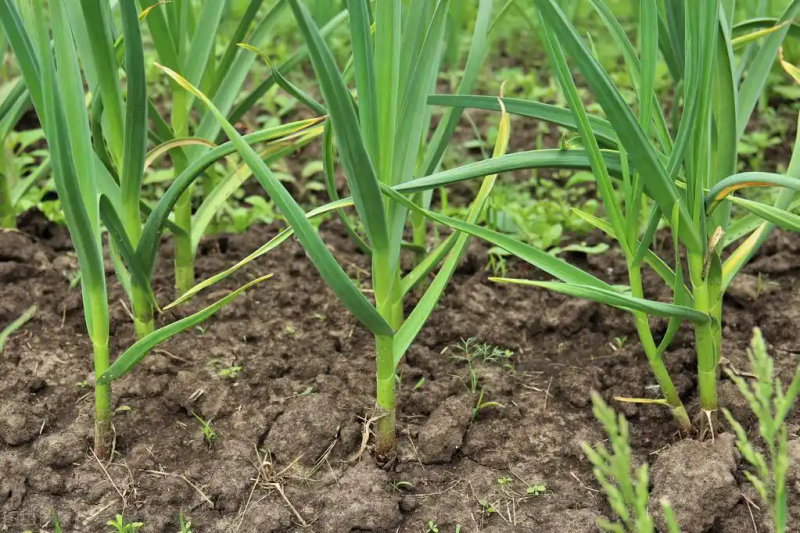
As garlic is a shallow crop with very high distances, it is desirable that the land be fully cultivated and, if planted after the harvesting of rice, the roots and soil should be broken as soon as possible, and the soil separated, and then made into high-level saplings to facilitate water drainage and drainage。
(iii) broadcast
1. Planting period
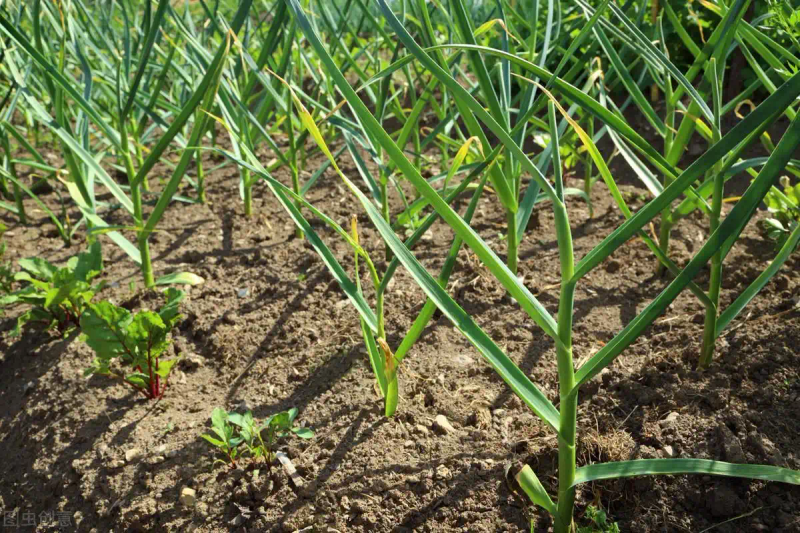
From early september until late december, all parts of taiwan could be broadcast. The most suitable period for planting is in the centre-north between late september and early november, and in the south between early october and late november. Among the local varieties, hardbone species are more heat resistant and should be sowed by late 11th; carbone species, which are less heat resistant, should be sowed after mid-october。
2. Planting methods
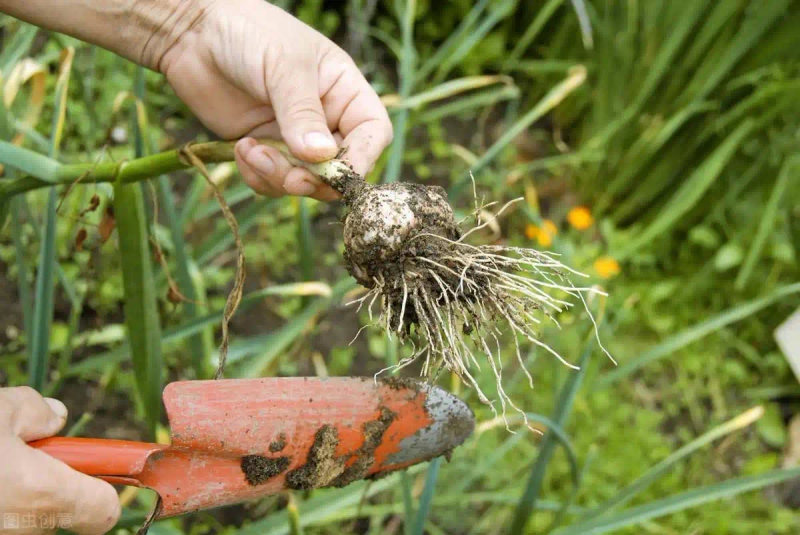
Garlic petals are grown vertically into the soil at a distance of about 3 cm deep and moderate to the level of the top of the garlic。
3. The planting methods are as follows:
(1) zirconium 60 cm wide, with 2 rows cut, with a distance of 8-10 cm。
(ii) 120 cm wide, with 4 rows cut, with a distance of 8-10 cm, and with a limit of up to 8-10 cm, the garlic plant can be planted in a maximum amount at its discretion. (3) 150 cm wide, 6 rows, 10-12 cm long, with pre-harvest vegetables。
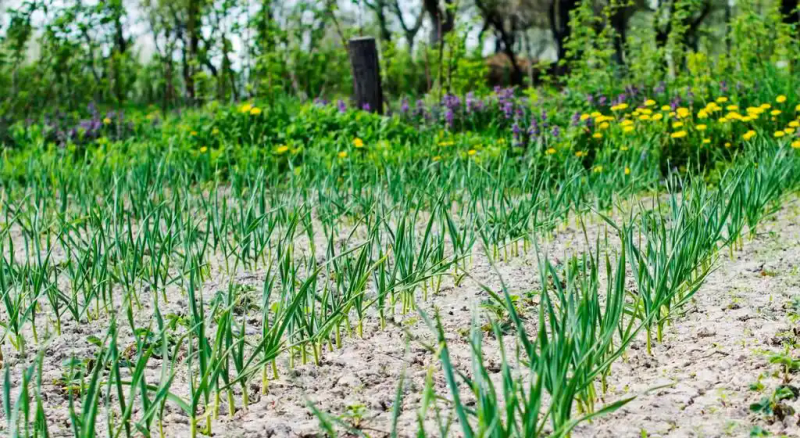
(4) 180 cm wide, short-stretched, 10 cm long. (5) in the field of sugar cane, two rows per cane, 10 cm apart。
4. Plantation
The amount of garlic is associated with planting density, varieties, planting periods and the size of garlic. In general, there are about 40,000 pre-cooked varieties per 0. 1 hectare, 36,000 late-cooked varieties and approximately 100 to 150 kilograms of garlic。
(iv) fertilisation
As garlic is long-lived and is highly fertile, full fertilization is required, as well as more organic fertilizers with longer fertilization to maintain soil fertility。
1. Fertilizer types
Compost can contribute to the development of garlic as well as improve the physical nature of the soil, so that the soil is well ventilated, so as to prevent it from being too dry and to balance various nutrients. Among the three elements of fertilizer, nitrogen fertilizer is most likely to contribute to early and medium-term leaf growth, with the most significant effects, but should be applied less late in childbearing, otherwise it may affect the maturity and abundance of garlic balls and be prone to fissure and disease (e. G. Black spots and rust). Phosphorus fertilizer contributes to early rooting and increases the maturity of garlic balls, which may be usefully combined with compost. Potassium fat increases the quality of garlic and increases resistance. Acid soils can be neutralized by applying lime。
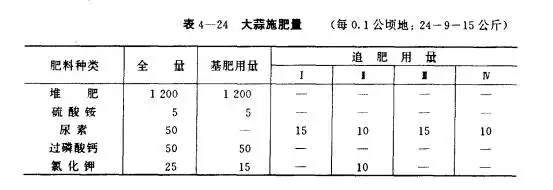
2. Fertilization (tables 2-24)
Fertilization methods
It sows it on the earth before planting, and it is fully mixed into the earth, bludgeoned and sowing. In order to promote early growth, garlic users collect early harvests, and catch fat as far as the summer is concerned, three times within 50 days of sowing; in the autumn, the flat production is appropriate for three times within 70 days of sowing; and in the case of garlic and late-hot varieties, three to four times in about 80 to 90 days before the ball is fat。
(v) chinese farming, weeding
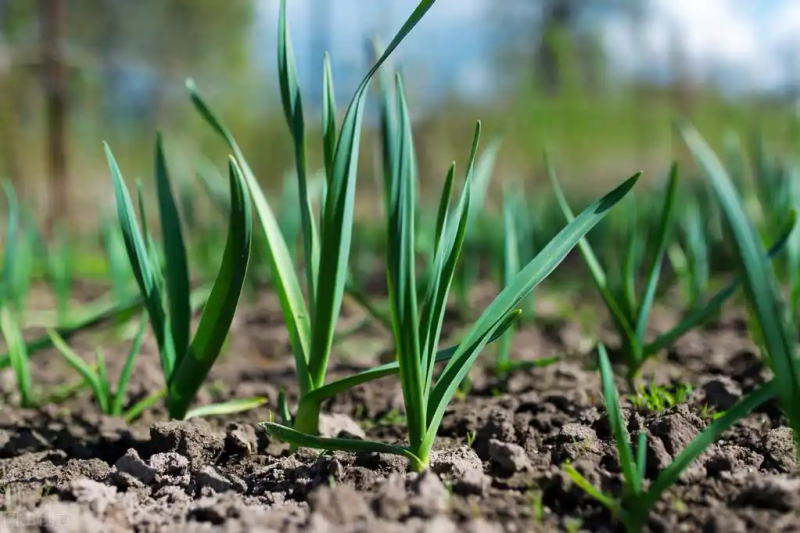
Weeding must be done, and china must not be too deep. Weeding by china should be combined with the pursuit of fattening, and the results of the experiments on weeding using herbicides are very effective and are being promoted as follows:
1. Romrod 65% wp. The application of 10 kg per hectare is followed by the planting of the agent, which is distributed across the whole range and is protected against weeds such as cattle grafts, hairy moths, goose intestines and horse teeth。
2. Dacthal 75 per cent wp. 8-10 kg/ha, where the plant is sowed that the agent is sprayed in the garden and protected against weeds such as grazes, goose intestines, horse larvae, maggot and oxen weeds。
3. Goal, 23. 5% ec. 1 kg/ha, sowing a full-scale application of the agent to the nursery, to protect against weeds such as freckles, goose intestines, starfish, horse larvae, turquoises, etc。
4. Stomp, 31. 5% ec. 8. 5 kg/ha, sowing the agent and spreading it to the nursery to prevent the so-called weeds。
Onecide 35% ec. 1. 5 kg/ha, after seeding the weeds at 3 to 6 inches, to protect against the herb。
(vi) irrigation and drainage
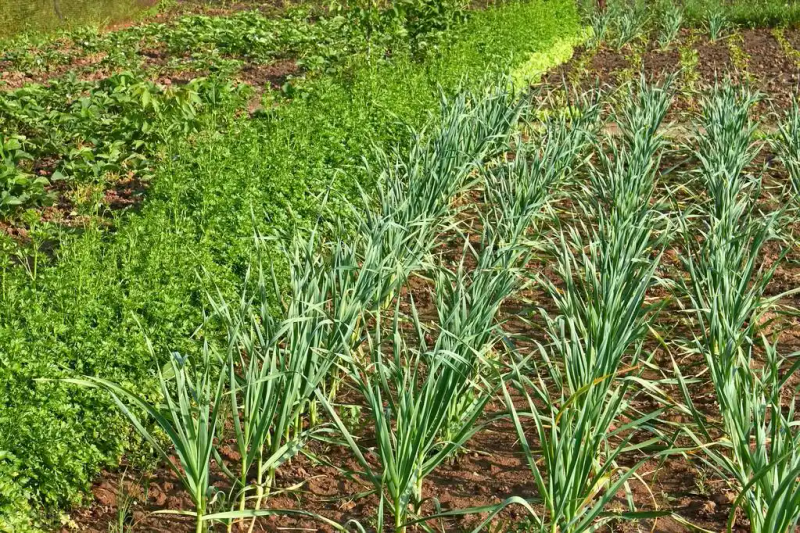
Garlic harvesting should be fully watered. After maturing (in early march), the harvesting of garlic is required to manage water and promote the maturity of garlic in order not to affect the quality and storage of garlic. Garlic roots are not wet-resistant, so when it rains, care is taken to drain. The irrigation should be implemented in the morning. The roots are not developed at the initial stage (within 40 days of seeding), every 5-7 days, and at the mid-term (40 - 80 days), approximately 10 - 15 days after birth; at the end of the reproductive period (80 - 120 days), the roots are developed, drought-resilient, once every 30 days, but they must be stopped 20 days before harvest。
(vii) detached and removed
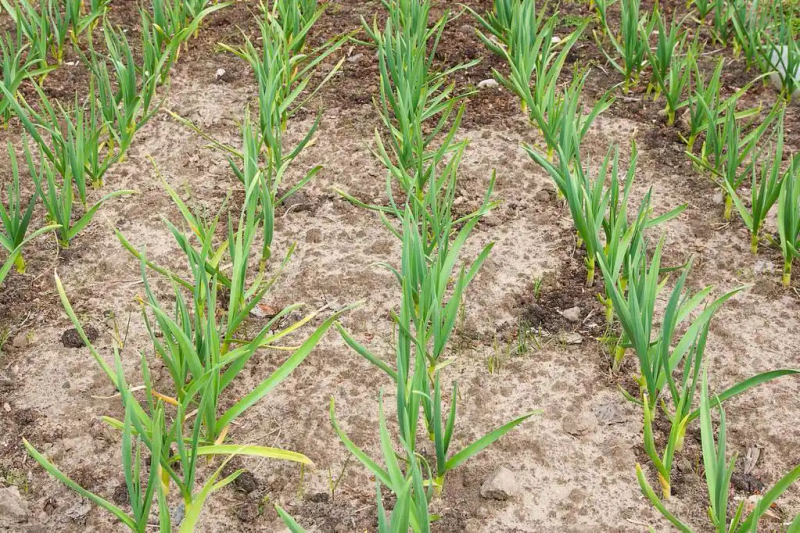
If separate strains are found during growth, the thinner strains of the leaves shall be removed at an early stage in order to preserve the growth of the main plant and the ball. In the later stages of the child's life, if a plant is used, it should also be removed so as to prevent the growth of the flower, the consumption of nutrients and the weight of garlic。
Collection
(i) timing of harvest
Garlic is divided into garlic and garlic balls. Garlic is due 80 to 100 days after planting. The amount of garlic per 0. 1 hectare is 300 to 4,000 kg. Garlic balls are harvested on the top of the ground when they are fully mature. The harvest period is approximately five months after the planting and can be picked up one month earlier if there is a cryogenic treatment before the planting. For every 0. 1 ha of garlic balls, the hard bone breed is about 1,000 1,400 kg and the cartilage range about 800 ~ 1,000 kg。