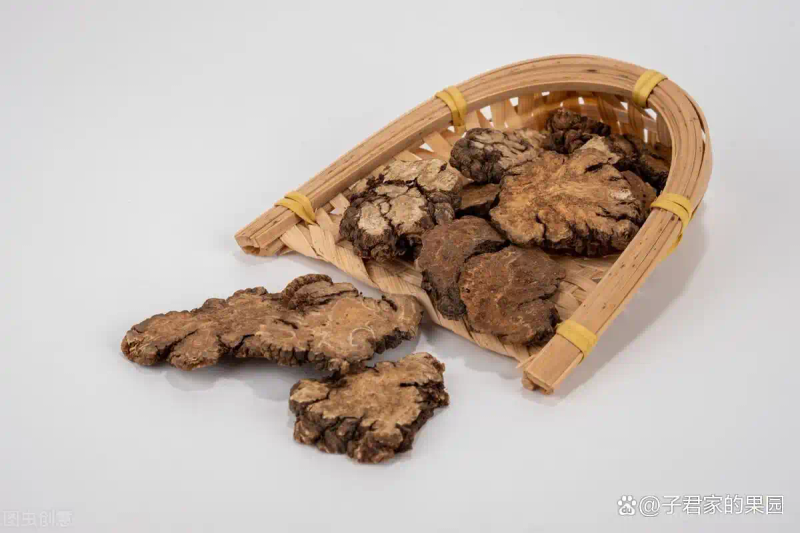
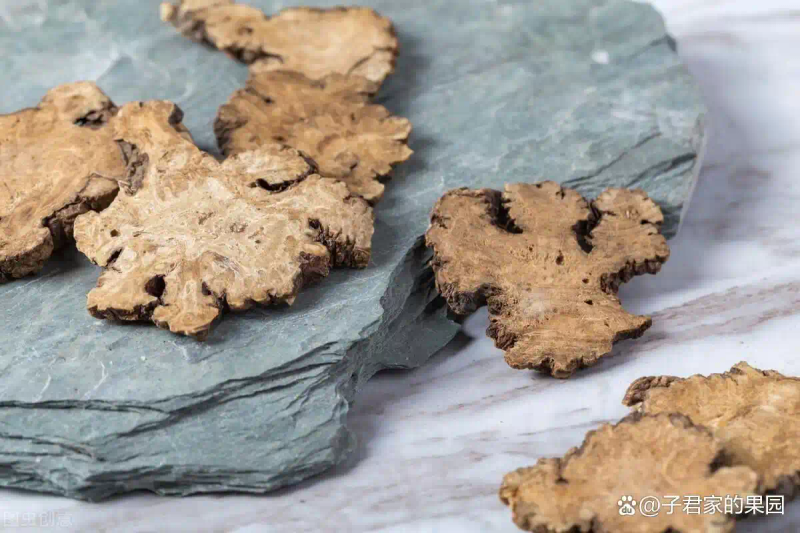
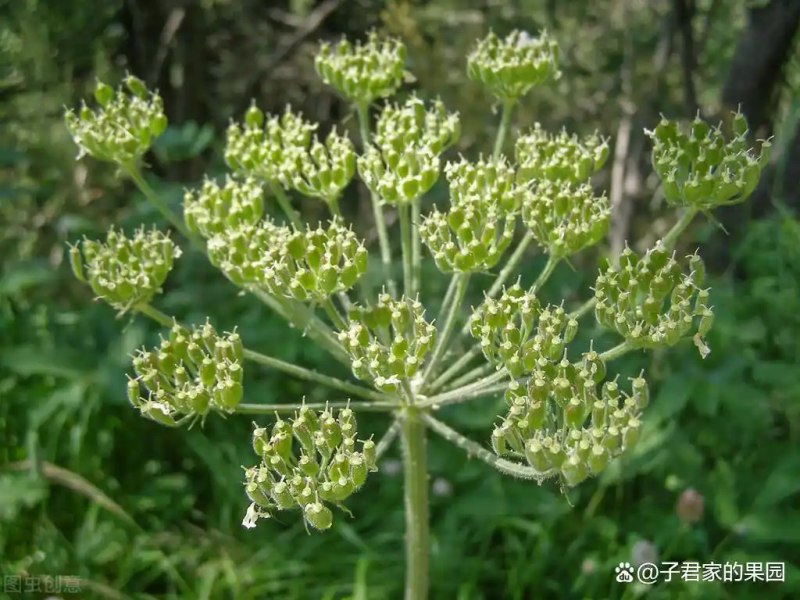
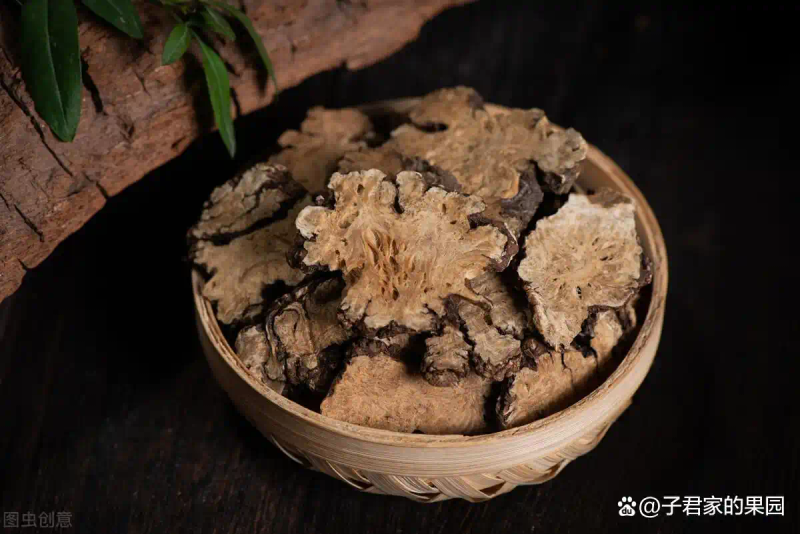
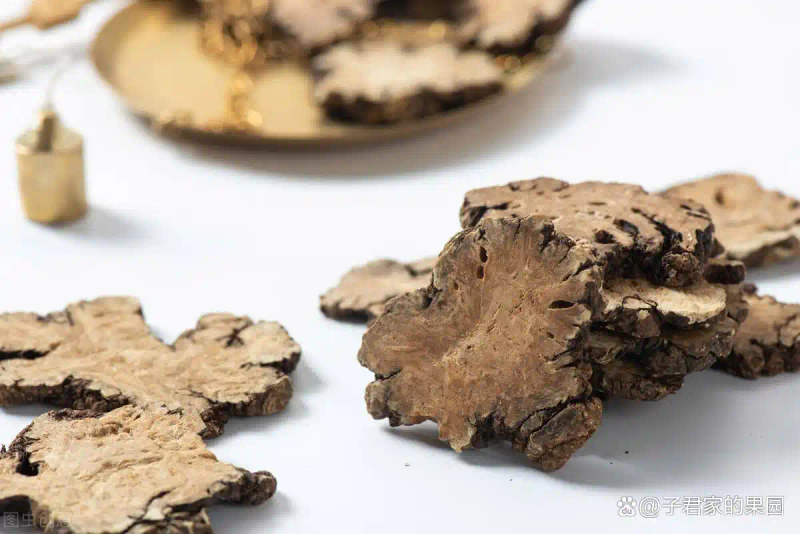
Kawakawa's alias: the medicine. Medication of the root underground root of ligusticum wallichii franch. It has the effect of painkilling, living blood, catalytic birth, etc. The treatment of headaches, abdominal pains, pulses, rheumatisms, injuries, anesthesia, women's constrictions, headaches, etc. It's mainly sichuan, and we've been successful in seeding and putting it into production. The river is warm, cool, wet, cold, and afraid of the cold, of the floods, and the seedlings fear the heat of the sun. Precedence is given to loose, fertile, well drained sandy, black and yellow, neutral or micro-acid soil. Coarse sand and lowlands are not suitable for cultivation. Unrecoverable. Fertilisation of whole areas: choosing spring fields, winning them, then planting spring corn or wheat fields, harvesting wheat, tilling 5-6 inches deep, dredgeing and flatting, making 3. 2 feet wide, 8 inches wide, with 2. 4 feet wide, with more than 10,000 manure per acre before planting, with bean cakes or 5406 fungus fattening, spreading inside, subduing, mixing the fertilizer with the soil, dredgeing and tailoring。
Plantation
Reproduction is mainly carried out with a broth plate (i. E., tarts). When i used to harvest kawakawa in a large part of the province, i used the shears cut to plant them. Before "summer" to "summer" (after "summer" in the southwest of our province, before "summer" in the east coast), when the pole is nearing the gestation, a pest-free pole is chosen to cut off the plant. Some of the straws, although not vermin-infested, have been gnawed or gnawed through the heartworms, and if they are used as seed plants, they die as long as 3-5 inches. Some have been bitten by maggots and die of disease for a long period of time, and care should be taken to remove them. The roots have rotted, and the straw has become less usable in red. In addition, the noose on the pole has sprung out of the distillation, and the nozzle is not visible (commonly known as a bare stick) and is not suitable for seeding. A strong, fat and solid pole should be chosen. When they are planted, the leaves are removed from the head down, the young part of the head is cut, and the four or five pallets of the centre are cut. In order to kill the pests, the selected acoustics are cut off with a sharp knife close to the three to five minutes of the palette, each of which is a plant, separated by thick size and placed in leachate. The usual method is smoked water immersed in seed, 2-3 kg smoked, 100 kg of water added, one day of bubbles filled in the barrel, smoked out, immersed in a cask, immersed for an hour, recovered and dryed。
Daunted seed, 50 per cent of which was 1 inch of fear, 800 in water, 15 minutes of immersion and drying. Teach the beetle leaching, using 90 per cent of the infestation and 400 per cent of the water, soak for half an hour and dry it. And plant them by the size of the gust. The treated vermins are small, fully bred and grow consistently. As the young seedlings are afraid of the sun, they grow corn in the sun, and when they grow it they grow it up to a height of one to two feet. The harvest of corn and peas before and after the autumn break was used to increase the land use rate and to achieve a double harvest of food and medicine. The “summer” to “summer” periods are most appropriate. (b) choosing the dark sky or planting after 4 p. M. “since planting” is one of the keys to the cultivation of the river's plume, with the planting of deep, long-dwelling trees affecting the growth of the tubers. Based on our experience, it is better to use the “deepness before light” method, i. E. To have a line of six inches on the right surface, to plant a line of four inches each, to flatten the ground, then to plough the earth between the lines, to bury the plume in the ground 1. 5-2 inches, and then to pour water into the gutter. Then, with water and pine soil, the earth which was bred flattened, and the plume of the river was slightly exposed. A part of the plant is planted on the head of the plume so as to supplement the seedling in the event of a shortage in the future。
Field management
The seedlings are grown about 10 days after they are planted, as if they were not rain-free, and each morning or evening they are watered with wells that keep them wet and cool. No water can be poured during the heat of noon. When the seedlings come out of the soil, water is poured early in the morning, and water is drained during the extraction. When the seedlings are ready, they are carefully examined, filled with seedlings when the seedlings are not available, planted with soil to ensure survival and full seedlings. When the seedlings grow to 2-3 inches high, they pine soil for weeding. Before the winter is set, weeds are removed from the ground three times, and the ground must be shallow and not too deep to cause injury to the roots. Each acre follows the decrepit corrosive weight of 2,000 pounds, plus a bean cake of 100 pounds, blends into appropriate quantities of pesticides, mixes them up in the rows, then runs them down with a small crotch, mixing the soil and fat, and then waters them. It may also be filled with decomposed human urine, diluted with water, and then fattening the soil. Before the winter rises, the winter rises and the water becomes impervious. Otherwise, the water will suddenly cool and the ground freezes, causing extensive death. After winter, to protect the underground root, it may cover a layer of rotting oxen and horse dung or corset, which, if it is not oxen and horse dung, may be used to produce between one and two inches of soil on the root。
When the soil is unfrozen in the following spring and the seedlings come out of the ground, the covered dung or earth will be taken to the side of the winning side, the lids will be flatened and the winning side will be repaired, and the root of the river will be slightly exposed to the ground so that the earth will not grow, and the root will be affected. Water is watered when the soil is dry when the face is cleaned. When the tubing is long enough to be five inches high, it is like the plume is too strong and too dense, and some of its weak parts are properly removed, cut from the root, and its surroundings are unscathed. The selection of seedlings takes place in the clear sky and cannot be immediately watered so that the water is not immersed in unhealed wounds and causes rotting roots. The seedlings return to the pine ground, watch out for the shallows, so that they do not hurt the seedlings, so that the grass will grow and the soil within them will remain loose and free of weeds. After light, 100 pounds of bean cake or sesame cake per acre, or 500 pounds of decomposed humans, trim and mix appropriate quantities of pesticides, make small pits next to the plant, remove them into the pit and water them after the soil is covered. The month of may and june was a booming period, with higher water demand, and during drought watering, which led to the planting of plants, followed by heavy rains and drainage to prevent decay。
3. Combating pests and diseases
The disease is dusty and has serious symptoms at high temperatures and humidity. The method of prevention, choice of ice-free land for cultivation, lack of water in the ground, such as detection of strains, timely extraction and burning, prevention of infection and spraying of 0. 3 degrees of thirate。
The borer, who is capable of harm throughout his life, drills from the heap into the base and bites the diet. The method of prevention is to kill trichlorfon by seduction or spraying of trichlorfon. The control of larvae can spray 50 per cent of the malathion with an equivalent of 40 per cent of the lactation of olegosium by 800 times. In the afternoon。
Combat tiger, kill with trichlorfon bait. The sticky worms (commonly known as the five colored bugs) drill into the soil during the day and climb up and eat leaves at night. Before the larvae are three years old, 2. 5% trichlorfon powder or 5% ddt or adhesive infestation can be sprayed in the evening. The maggots (fly larvae) are the root of the ground and die in severe conditions. The method of prevention is to spray 50 per cent of the 800-fold dichlorvos, every 10 days, several times, with some effect, and to treat both drilled heartworms。
4. Harvest processing
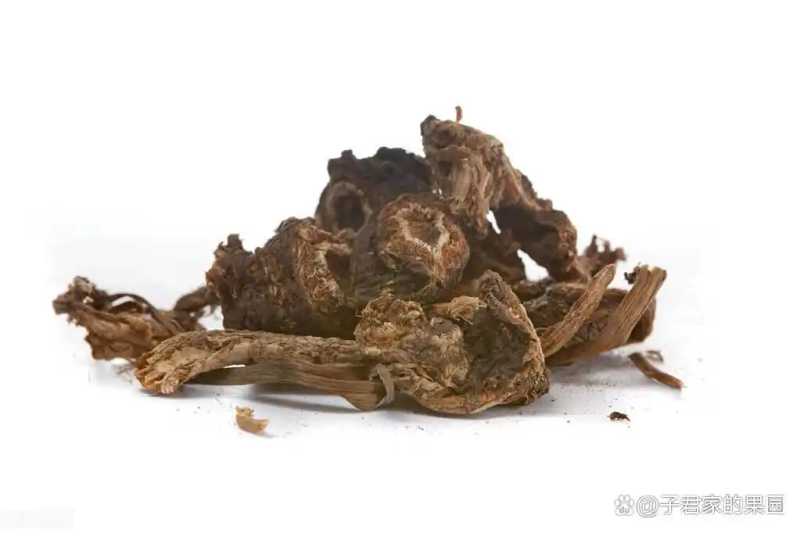
Before the summer to the summer, the roots grew and the harvest was possible. When harvesting, the stem is removed from the ground, the root of the ground is dug out, the earth is cut off, the earth is purified, the soil is dried and the brush and the root of the mustache is purified, i. E., medically available. According to the experiment, the sun-dried tungsten is light and tasteless, and production is lower than drying (3-5 pounds less per 100 pounds). It would therefore be preferable to use drying to place the roots on a drying room or on a firecracker, to bake at about 60°c, to flip several times a day, to dry half, to net one or two days, and to tan all. Be careful not to baking with high temperatures so as not to volatilize and affect quality. For those who are strong, rich and oily。