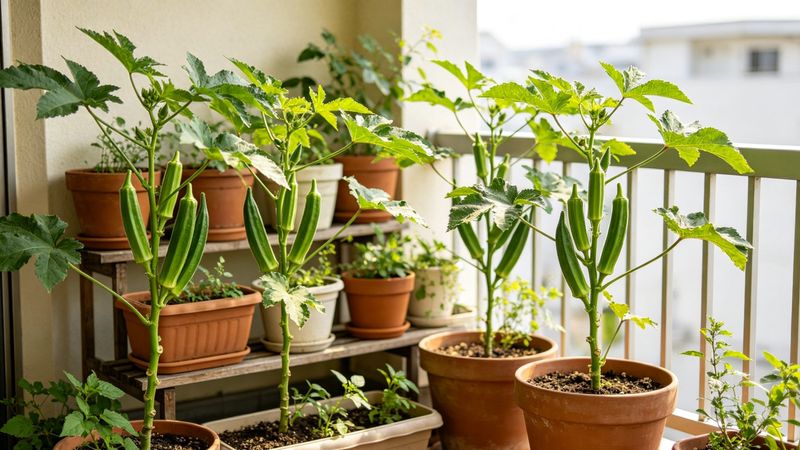
The planting methods and techniques of kawagi involve several links, and the following are detailed steps and attention:
I. Holding and holding
Soil selection: the ph value of soil ph is appropriate for planting in deep, thin and fertile sandy soils with good drainage. Avoid planting in adhesive soils or poorly drained low-lying plots. The terrain requires that it be planted in a sun-like and wind-shielding location, which is conducive to the growth of the river. Whole area fertilisation: before planting, the land was rocked deep, 3000-500 kg of rotting organic fertilizer per acre, 50-60 kg of compound fertilization and 120 kg of phosphorus fertilization. When the dredges are leveled, it is made into a luminum of 1. 5 to 1. 8 metres wide, a gutter of 30 centimetres wide and 25 centimetres deep。
Ii. Reproduction and planting
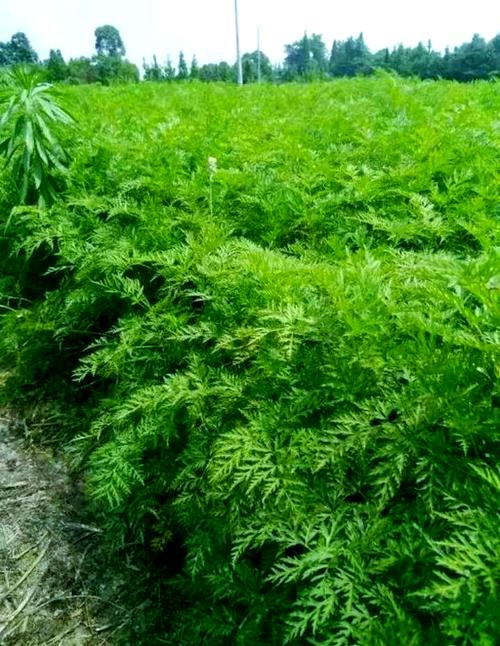
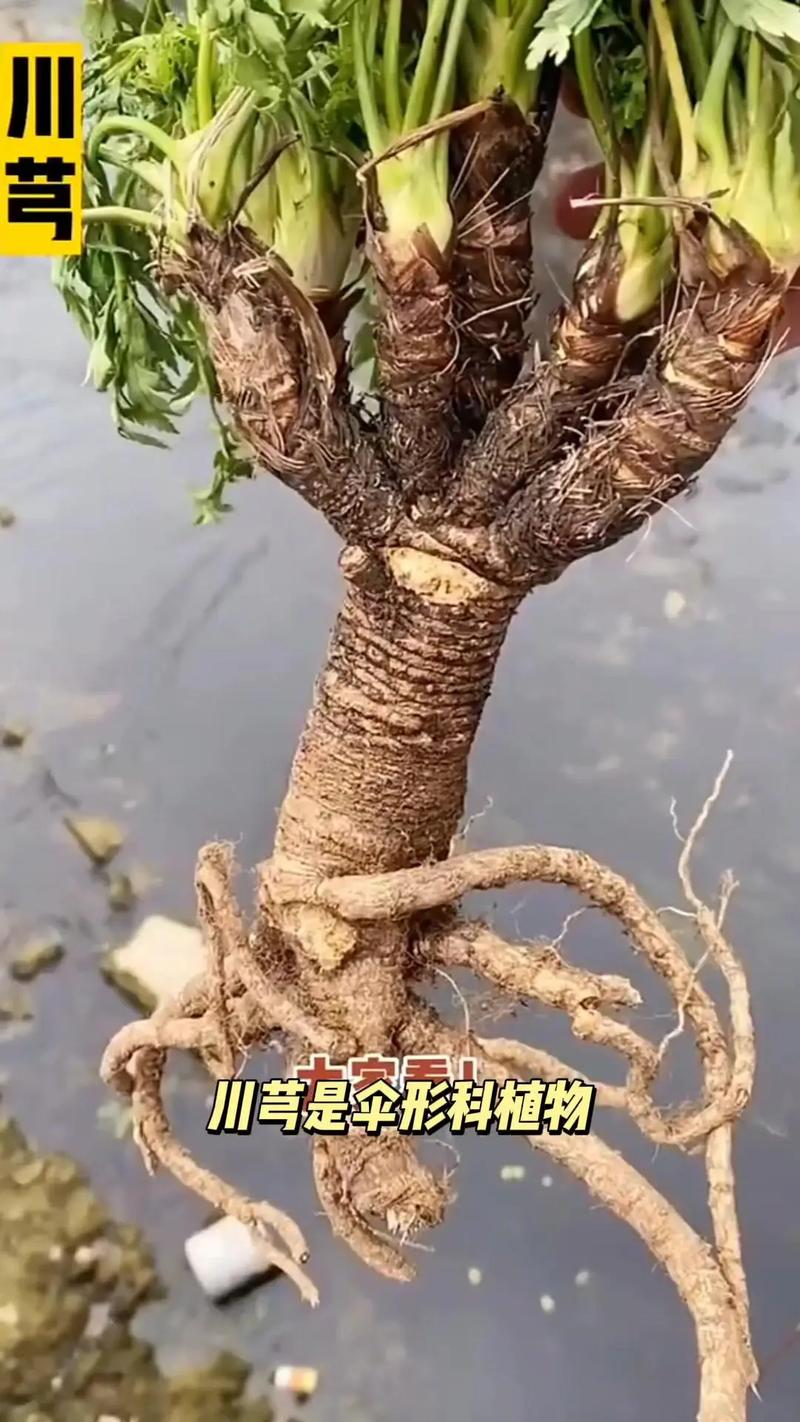
Reproduction methods: kawakawa mainly uses non-sexist reproduction, with breeding material used as the upper part of the earth, commonly known as “tips” or “tips”. (b) pyramid selection and treatment: selection of healthy, disease- and pest-free tectonic species, with a fraction of about 3 cm with nozzles. Injecting with multibactrin 1000 times, or with 25% wettable 150 times thionphos-methyl, or with 1:10 garlic juice, to combat underground pests. They are then stacked and covered with sacks, which can be planted after 3-5 days when white sprouts come out of the palette. Cultivation time: cultivation usually takes place before or after the autumn, not later than the end of august. Premature planting is prone to the atrophy of seedlings under the influence of high temperatures; it is too late and temperatures have declined to the detriment of root growth. Cultivation density: 3040 cm by line, 1720 cm by pit and 37 cm deep. One to two seedlings per lavender, with the buds leaning up, and the ground around 3 cm. Acres are 3040 kilograms per acre。
Iii. Field management
Weeding in china: during the growth of the river, weeds should be cleared in time to avoid a competition between weeds and weeds for nutrients. When weeding, care is taken not to harm the roots of kawasumi, generally using manual extraction or soft mechanical weeding. When the seedlings are 7 cm high, the first weeding takes place and then the pine soil is cut every month or so. The seedlings combine chinese cultivation for seedlings and the last medium for weeding, and produce soil around the roots to protect them from winter. Reasonable pursuit of fertilizers: foot bottom fertilisation should be applied before planting and 2-3 times during growth。
Irrigation: the water needs of the atolls are high, especially during boom and dry seasons, and the soil needs to be moist. Irrigation can be used either by spraying or drip irrigation to avoid heavy flooding leading to soil sheeting and root decay。
Iv. Pest management
The management of diseases and pests in kawagi should be guided by the principle of “prevention, integrated management”。
Diseases: the most common diseases are one of corruption, foliage, powder, etc。
Pests: the main pests are aphids, rodent moths, etc. 10% cypermethrin emulsion 3,000 times the liquid and 80% trichlorfon 1000-1500 the liquid。
Collection and processing
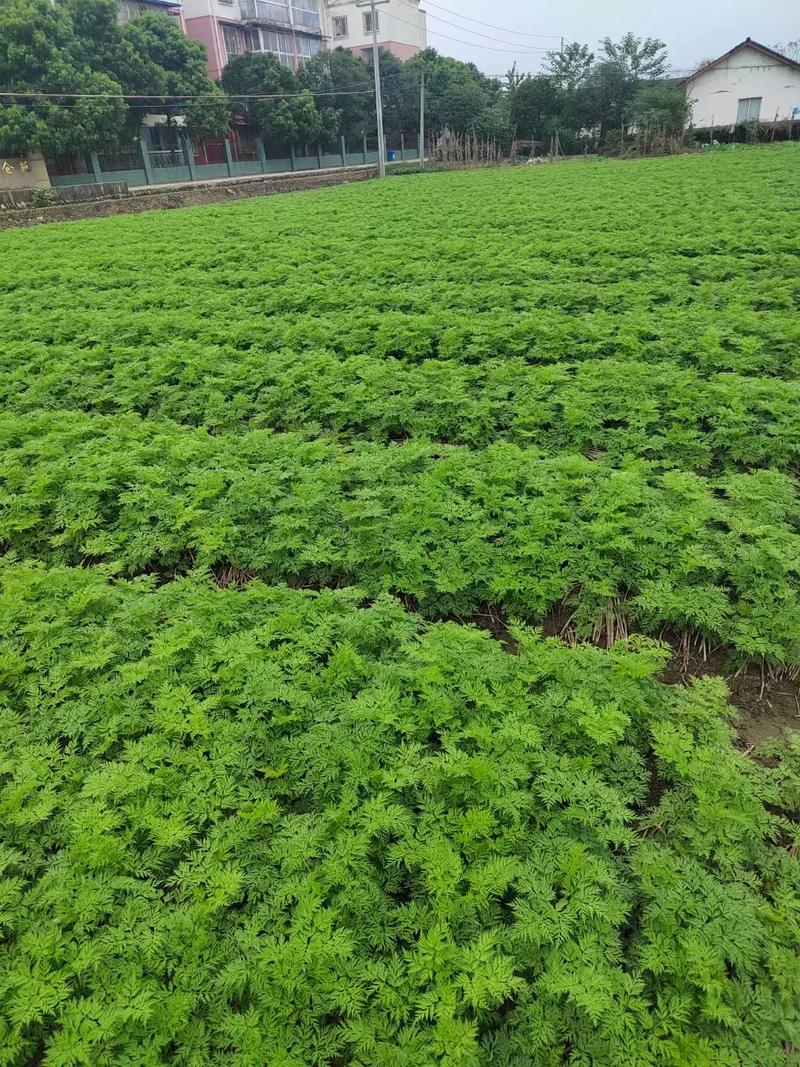
The harvest time: kawasaka generally harvests from the summer to the morning of the second year after planting, and premature harvesting of underground roots is not full and yields are low; too late harvesting, roots are ripe and perishable underground. The harvest should be carried out in the clear weather, partially removed from the river's top floor, excavated from the ground, shook away from the soil and transported back for processing. Method of processing: put the swarms in the ventilator and remove the impurities and be packaged according to size. In the event of a rainy day, they may be dried without firewood。
Plantation of seed stocks
Before planting, seedlings need to be properly stored. The stock should be kept dry and well ventilated to avoid diseases caused by damp and high temperatures。
These steps and attention can be effective in improving the production and quality of kawagi. In practice, farmers also need to adapt flexibly to local climatic conditions, soil characteristics, etc。