


In october of kim autumn, in the swallow hill nursery base of shibuya village, a water spill in takeyama county, hubei province, lumber saplings were lifted, maple seedlings spread their leaves, staff carried out orderly maintenance operations such as foliage triming, water fattening, etc., and made every effort to ensure tree growth. The nursery is a typical practice for the construction of provincial guarantee nurseries to produce rich people in an ecologically sound manner。
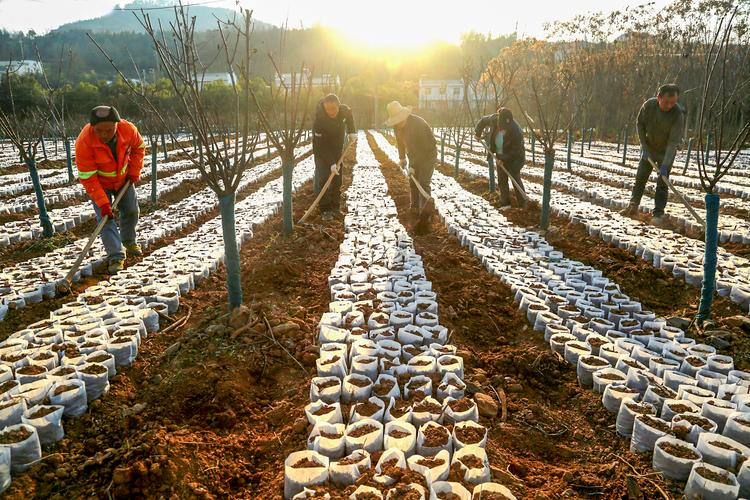
In recent years, a major ecological rehabilitation project and a demonstration project for the greening of the country's territory in takeyama county have been designed with seedling demand, guided by “ecological priorities, industrial empowerment”, to build a system of small, standardized, scientifically and technically based seedlings. In the core areas of pofu town and water spill, which are easily accessible and well-watered, the primary role of the company is to consolidate the resources of the eastern river nursery and four state-owned plantations。
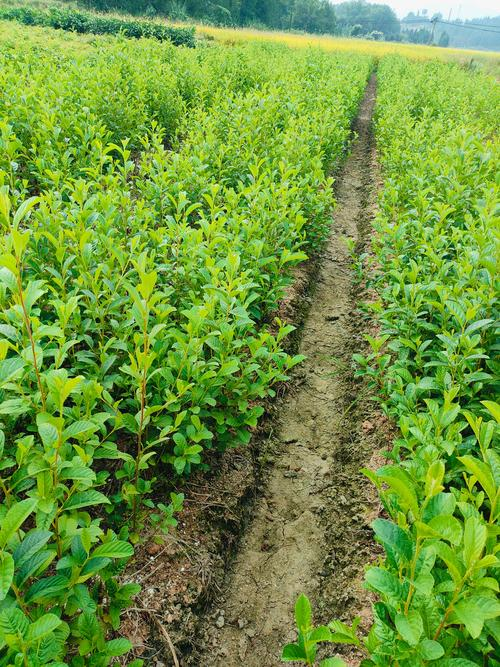
Technology is the key to breeding seed quality. Advanced technologies such as light-based containers, dentage containers and tissue culture are being fully promoted at the base to solve the difficulties of low-life and long-lived traditional breeding. In the field of seedlings, the county of takeyama adheres to the idea of “rurally owned, rarely supported and industrially integrated”: it focuses on the cultivation of native forested species such as bamboo, scabs and cinnamon, which are suitable for local ecology, and on the construction of a “root base” for the land; it simultaneously nurtures rare species such as red bean sprouts, nanwood and horse sorghum and preserves biodiversity; and it expands the “green and flourishing” path of the population by vigorously developing special forest species, such as beaks, butter, tea and goats。
In order to ensure that seedlings are well aligned with the demand for them, takeyama county has introduced an innovative “order production, integration of seedlings, near-near seedlings, targeted supply” model, establishing a chain-wide regulatory system from seedlings, production to transfer, and securing supplies. Each batch of trees is tailored to the needs of the project to guarantee the quality of seedlings for national ecological engineering, while reducing transport costs and supply cycles. To date, the county has developed a multi-tree, multi-spectrum capacity to produce more than 12 million trees of good quality each year, providing stable tree security for local and surrounding ecological restoration, and bringing more than 600 people into close employment。
As a next step, the county will continue to deepen the standardization of nurseries, expand the integrated development path of “breeding + afforestation + industry” and promote the emergence of trees as ecological conservation “guardians” and rural revitalization “rich seedlings” to contribute to quality development. (linvin)



