


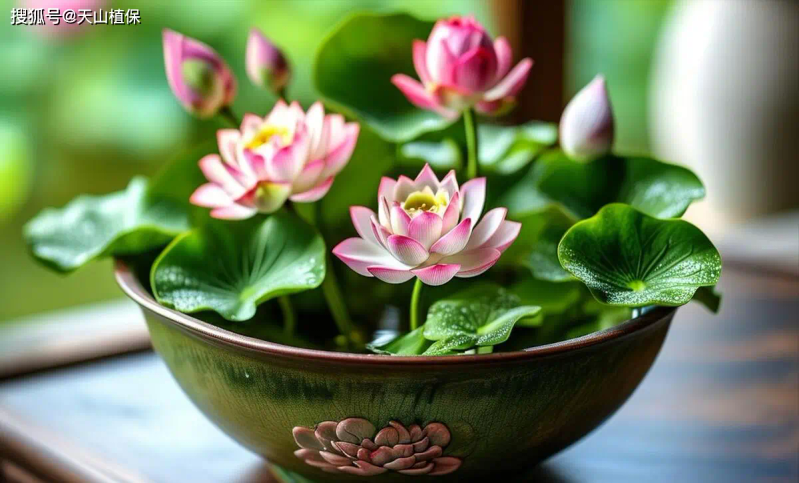
Waterbreeding a bowl of horticulture as an elegant and unique form of horticulture has won the favor of many horticultural enthusiasts in a fresh and unconventional manner. Not only can it decorate the home environment and add a green touch, but it can also bring a ray of coolness to the hot summer. Here, we will look at the whole process of water-planting the seeds and help you to develop your own。
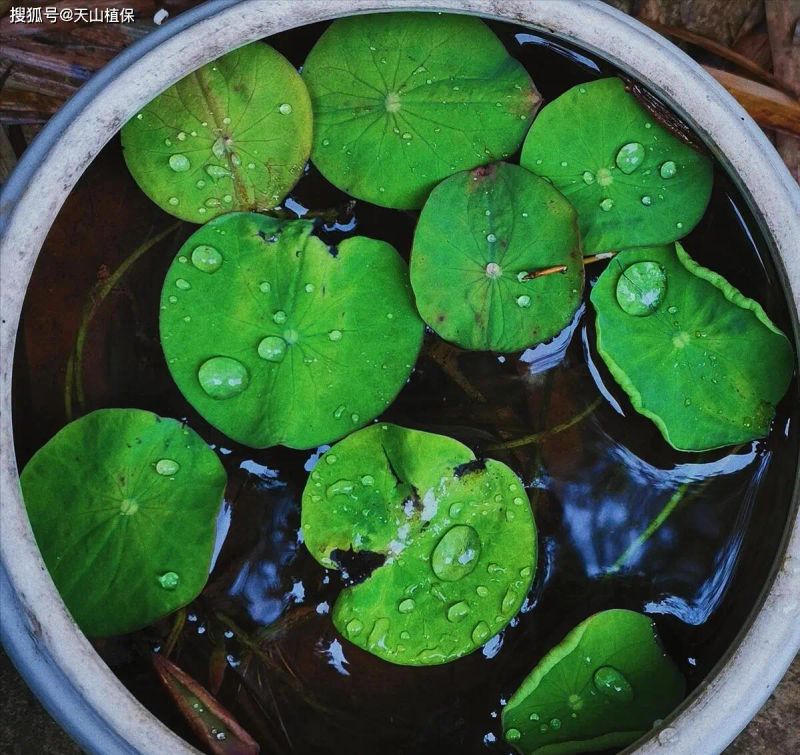
I. Selection of high-quality seeds
First, the key to successful planting is the choice of high-quality seed bowls. There are a wide variety of different types of land in the market, such as river red, summer and jade. In choosing, priority should be given to those species that are environmentally adaptable and easily germinate in water. In addition, seeds should be full, disease-free, full and fresh, avoiding the selection of expired or damaged seeds。
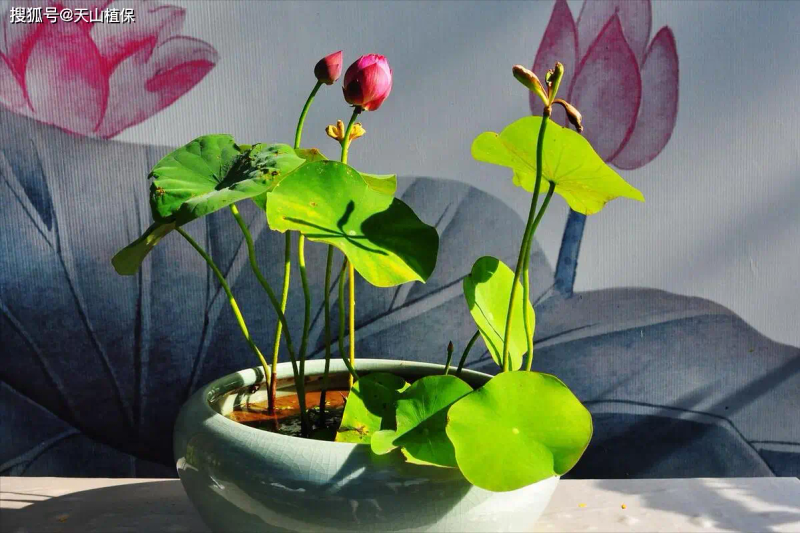
Pre-treatment of seeds
The skin of the seed is relatively hard and it is difficult to break it directly. Seeds therefore need to be pretreated before planting. A common method is to place a dented end of the seed on the ground with a light friction or to remove it with a knife, but with care not to damage the albino inside the seed. This would make it easier for treated seeds to absorb moisture and promote seeding。
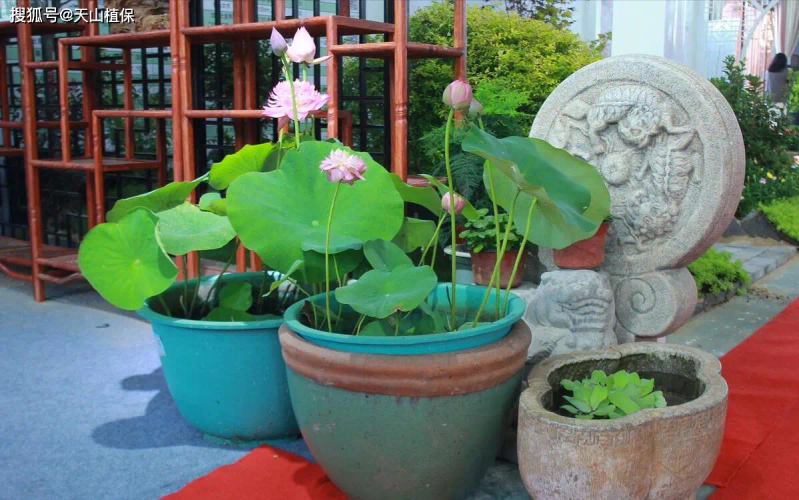
Iii. Leaching sprouts
The treated seeds are then placed in warm water for leaching sprouts. Water temperatures should be kept between 20 and 40°c to avoid excessive or low effects. The use of water that is detached, distilled or filtered is recommended to reduce the impact of harmful substances in water on seeds. During immersion, warm water needs to be replaced once a day to maintain clean water quality and appropriate temperature. In general, seeds begin to germinate after immersion of between three and five days, with small sprouts。
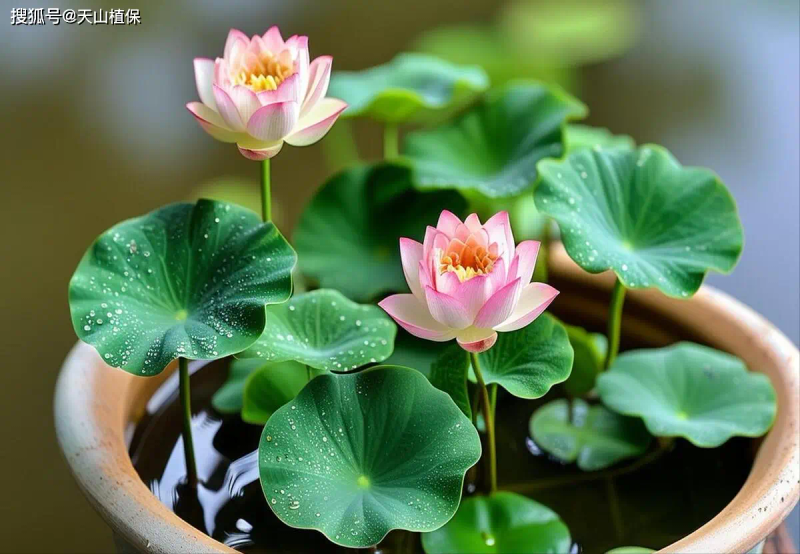
Seeding and conservation
When seeds are sprouts, they can be sowed. Prepare a transparent and wider water-breeding container, preferably with an appropriate discharge hole at the bottom of the container, to prevent excessive water accumulation. Lightly implant seed seed in containers, with due care to maintain appropriate spacing to avoid overcrowding affecting growth. The water should then be kept at about half of the root, ensuring adequate moisture of the seeds while avoiding the inundation of young buds。
V. Light and temperature control
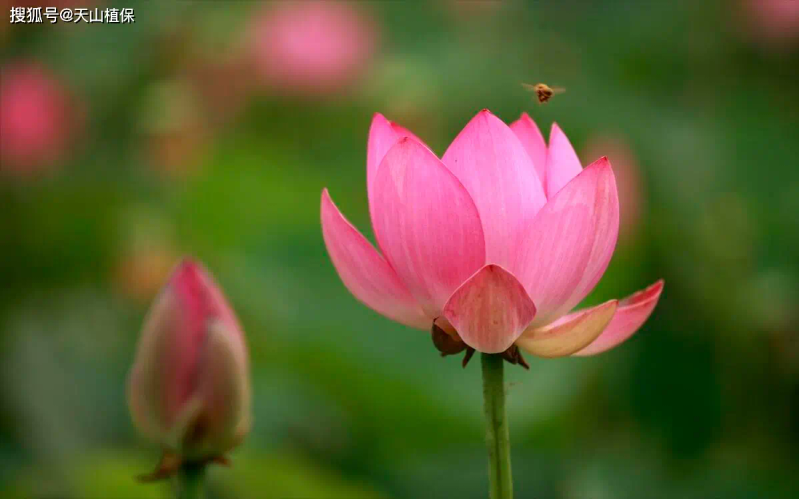
The bowls like the sun, but also avoid the sun. After seeding, containers should be placed in the interior brightness or in a semi-vaginal environment to ensure that light is available for six to eight hours per day. At the same time, temperature is an important factor in the growth of the bowl. The proper growth temperature of the bowl is between 20 and 28°c, and both excessive and low temperatures affect its normal growth. In winter or when temperatures are low, heaters or heating pads can be used to maintain the appropriate temperature。
Water quality and nutrition management
Water canteens are demanding for water quality and need to be replaced regularly to keep water quality clean. It is generally recommended that water be exchanged once in a period of 7 to 10 days, using ion, distilled or filtered tap water. In addition, in order to provide comprehensive nutrient support, appropriate hydroponic liquid fertilizers can be added to the water. The selection of fertilizers should be adjusted for the growth phase of the bowls, initially with large numbers of elements, such as nitrogen, phosphorus and potassium, and at a later stage with the appropriate addition of trace elements。
Vii. Growing management and shearing
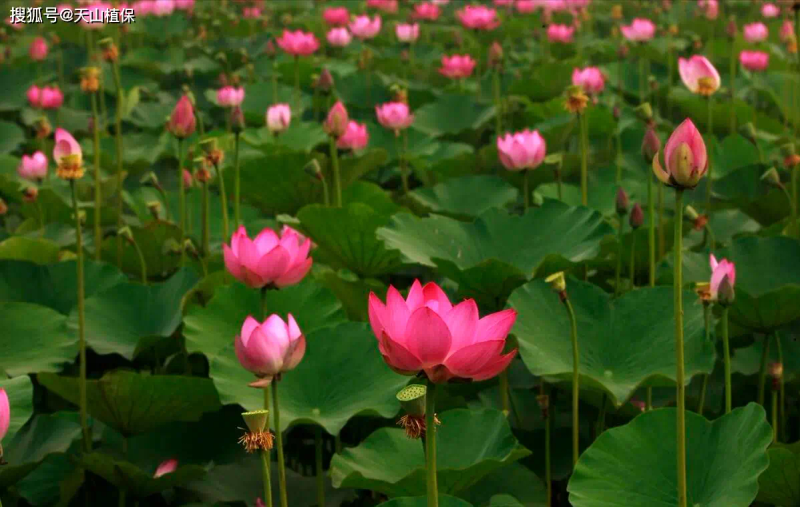
The growth of the bowl requires close attention and proper management. First, plants are regularly checked for pests and diseases, and measures should be taken to combat them as soon as they are discovered. Secondly, as the bowl grows, its leaves become thicker, and at this time proper cutting is required to maintain the cleanness and ventilation of the plant. They are trimmed primarily by removing long, dense or yellow leaves。
Viii. Notes
1. Crust treatment: when handling seeds, the shell parts should not be too large to be exposed to white beams。
2. Water temperature control: water should not be too hot to impregnate seeds in order not to affect seed germinate rates。
3. Container selection: the selection of transparent and wider packagings facilitates the observation of plant growth and adds value。
4. Light and temperature: adequate light and appropriate temperature are key factors in the growth of the bowl。
5. Water quality and nutrition: regular replacement of water sources and appropriate nutrients to ensure normal growth of plants。
6. Prevention and control of pests and diseases: periodic inspection of plant cultivation and effective measures to combat it to ensure its health。
Through the careful management and care of the above steps, you must be able to produce a beautiful pot of water. A unique green landscape can be added to the home environment while enjoying cultivation。



