Some of the basic professional terms for basketball were used earlier, and some fans were asking why there were no tactics. In terms of tactics, it should be said what tactics each of the 30 nba teams has, or some of the famous tactics in the nba history, but the nightingale is still talking about basic things in the light of white's basic needs。
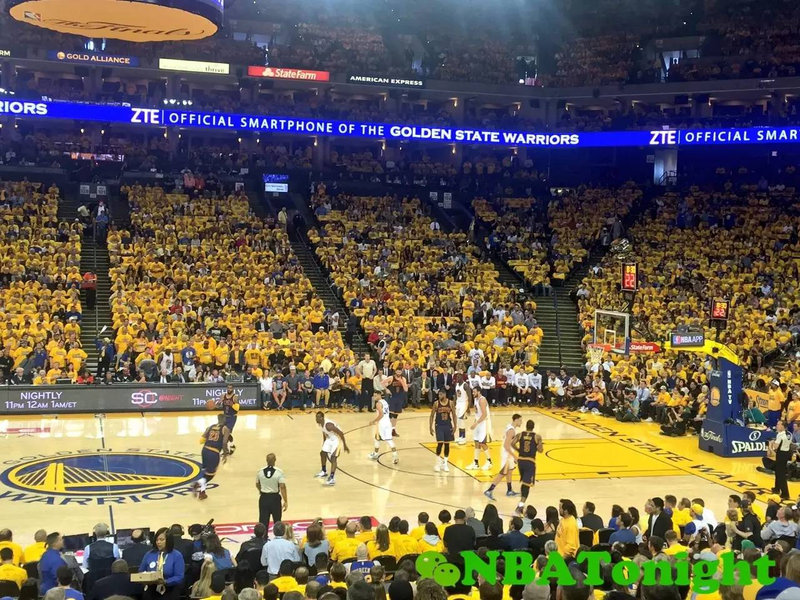
(1) passage cooperation
(2) the word “8” covers the attack method:
(3) card position: the aggressor uses footsteps to block the defensive behind himself, which is called a card slot。
(4) lead to the ball: move in the direction of the passing flight, follow the pass。
(5) defensive person standing on the side of the offensive person he was defending, preventing him from taking the ball and calling him the wrong person。
(6) prescriptive position: the attacker uses his body to block the defensive person behind him and occupy a favourable catch position。
(7) delivery breakout (drive): the delivery goes beyond the defensive。
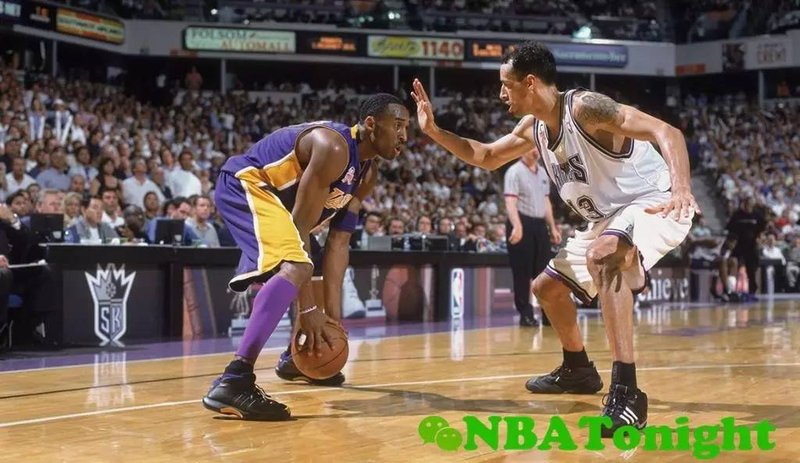
(8) empty cut: the attacker runs the basket empty-handed。
(9) one pass: the first pass of the catcher is made by the watchman。
(10) encap: the defensive managed to strike the ball in the air when the attacker shot it。
(11) filling: when one defender loses the correct defensive position, the other takes the correct defensive position in a timely manner。
(12) protection: assisting in the defence of peers。
(13) strict defence: close to the attackers, constant use of offensive defensive actions, threatening the safety of the other side or preventing the other from catching the ball。
(14) tilts: quick run from the edge to the basketball or to the middle of the field。
(15) time difference: the air stopover is used to change the timing of the shooting to avoid the other side's defensive seal during the drop。
(16) answer: no ball attacker, take the shot。
(17) falling in position: the formation of both sides of the offensive during the attack。
(18) response: the attack team's tactical coordination, organized in front of or throughout the field through the middle team, and the transfer of the ball, creates opportunities for attack, such as emptiness, bypass and cover。
(19) cover: the attacker acts in a reasonable technical manner, using his body to block the path of his partner's opponent, creating an offensive co-operation that creates an opportunity for his partner to escape defence。
(20) scooting: passing the ball after the ball is broken。
(21) passage: air cut immediately after pass by the ball-bearer, and be ready to take the ball
(22) compensatory defence: when one of the defensive elements loses position and there is a possibility that the attacker will break through with a direct score, one of the adjoining defensive elements immediately abandons his opponent to guard against the attacker。
(23) defense swapping: defence teams swapping。
(24) close the door: the two adjoining goal-bearers quickly selected in the direction of the attacker, forming a “barrier” to block the break-through route for the goal-bearer。
(25) combination: the two defenders together caught an attacker and blocked his pass route。
(26) squeeze over: when the two attackers were cooperating with the cover, they were prevented from approaching behind their backs, took possession of the position at a moment when the attackers were about to complete the cover-up, squeezing between the two attackors, destroying their cover and continuing to guard their opponents。
(27) crossing: when an attacker was covering up, the defensive coverman slightly departed from his opponent, allowing his companions to cross through between his own front crew and continue to guard against his opponent。
(28) boxing ont: basketball blocker's alias. "backing" is the sum of a variety of cover jobs, i. E., team members create a match in the course of each other's cover-up opportunities for taking a ball or second attack. Blocking is in fact a simple basketball tactic that means blocking and dismantling. It is equally highly appreciated that a well-established counter-breach strategy is being used. Marlon and stockton’s scavengers have been described as classics, because they require not only a certain degree of tactical literacy and a general vision, but also a high degree of mutual understanding among players。
"pick and roll" is translated by zhang wei-ping zhang. Pick is the english part of the basketball team that covers the players. Thus, the most basic blockage would require two participants, including a controlling player. While the handlers are moving in the direction of the upcoming wall players, they are standing in place to hold their chests against the face of the defensive players, which is the "block" and the word "peck" in english。
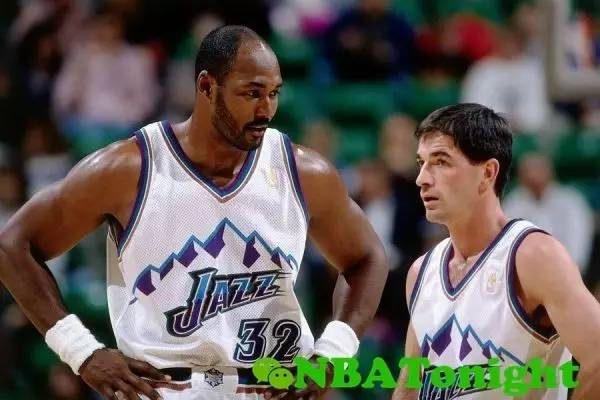
Once the defensive player had physical contact with being a wall player, the ball player went around to be a wall player and carried out the basketball, that's "dismantling." english is called "roll."。
Of course, there are a lot of options to be offered by a ballman after he's bypassed the wall. If two defensive players exchanged their defensive targets and were at the back of the two defensive players, the ball players would be given a basket if they passed the ball to the ball player. If the defensive players bypass the wall, they can also use this short undefended opportunity to carry out the jump。
In short, the principle of blocking is to give the ballholders or wallmakers the opportunity to attack in the wrong spot through human sport and ball pass. In the case of miss match, the impact of the drop and the efficiency of the attack are often very high, thus creating scores for the team。
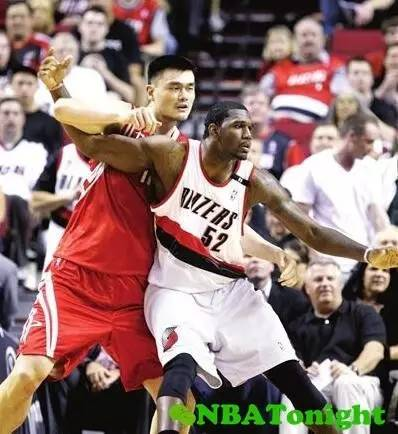
(29) upfront defense: a pre-emptive defence technique in basketball games that interferes with the other party's catch near the restricted area, mainly used to defend a single-playing, very strong front and center. Forward defence applies to those who are flexible, physically coordinated and explosive, while it is a destructive defence for slow-moving, rough-tech, low-intelligent, defensive opponents of basketball。
(30) cut-in (cut): the attacker quickly ran under the other side's basket without a ball.
(31) full-court press: in every position, every one of them has a very tight eye, and every one of them has a close eye on him, that is to say, a close guard ... The whole scene is so tight. The whole game was a big test of a player's strength, so it's usually when the game comes to the fourth, when both teams bite hard and have little time, or when, in the fourth, a team is leading and has little time, and it's going to use a foul strategy.
(32) half a game (half-court press): a defensive tactic used by the team in its rear field.
(33) l "step-in" (lcut): transpose the team 90 degrees and change direction to escape the opponent.
(34) back-up defense (sag): guards pull out of target and move to their own basket.
Cover (screen): the attacker took the position to prevent the defense from continuing to target his teammates.
(36) switch: two defense officers swapped one of their own defensive tactics to target the target.
(37) loss of control of the ball by a turnover party without a shot.
(38) "v" "vcut" (vcut): an attack method. Team members move forward two or three steps, then change their direction and run for the catch.
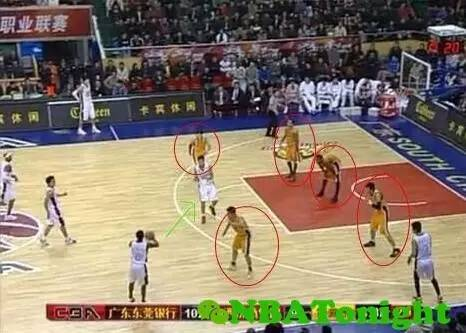
(39) regional defence (zore defence): the static position and clear division of labour of the defence elements facilitate the organization of back-field basketball and quick-attacks. Weaknesses: under the constraints of regional division of labour, all types of regional defence have a certain degree of weakness and are vulnerable to being hit more and less in local areas. There are usually “2-1-2,” “3-2,” “2-3,” and “1-3-1” areas in several forms。
A simple tactical analysis will be available tomorrow, otherwise everyone's tired again。