Orchid is a cross. It was born in the mediterranean region after two years of raw grass-grass vegetables and was dubbed “the king of vegetables” because of its tightness, softness and nutrients。
It is rich in vitamin c, vitamin k, dietary fibres and radish sulfur (antioxidated ingredients), can be defunct, mixed, corroded with water, and made of salad, and is a common diet for diets that are less fat, common and high-end。
It is more adaptable, cool, hot, fertile, summer and autumn harvests in the north (streets), multicropping in the south (autumn, winter, spring), 100-120 days of growing, field and shed cultivation, 300-500g per ball and 2,000-3000 kg per acre, market price of 4-10 pounds (high counter-season prices) and acre income of 8,000-30,000 dollars, which is the preferred category of “high-nutrient” in family gardens, and high-value agricultural-scale。
The core pain in growing broccoli is the looseness of the ball, the hollowness, the deformity, the high incidence of frosty disease — the fact that many of the new hands planted the broccoli — “flowballs spread, inner hollows, roughness”, because of temperature, water fattening, planting density! This national master plan, ranging from species selection, seedling planting to flower-forming management, pest and disease control, has helped you to grow saturated, fresh and high-quality broccoli
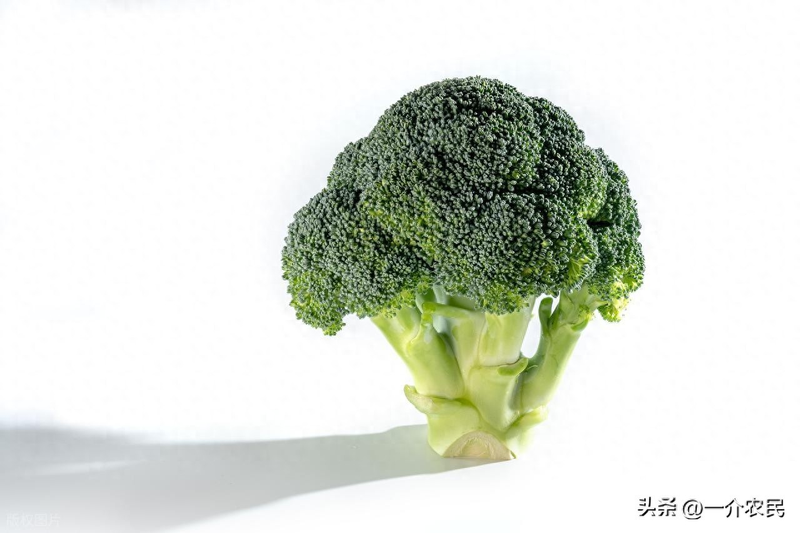
I. Recognition of broccoli: “growth codes” for highly nutritious vegetables ii. Multicropping in the north and the south: time + precision of varieties
The orchids are classified as pre-maturated species according to maturity (90-100 days of growth cycle, slightly heat-resilient), medium-maturity (100-110 days of growth cycle, highly adaptive), late-maturity (110-120 days of growth cycle, more cold-resistant) with preference given to cold-resistant and late-maturity varieties in the north, with a combination of pre- and medium-cooked varieties in the south, with the core being to avoid high summer temperatures and severe winter temperatures。
1. Northern region (north-west china, north-east china, north-west china)
Medium-specified species: green ridge broccoli (soft, large single ball, adaptive, suitable for spring and autumn cultivation)
Lately decorated species: cold-resistant broccoli (low temperature of 5°c and deep green of the florist, suitable for winter in the shed)
(a) early-literate varieties: summer light broccoli (slightly heat-resistant, 90-day harvest, suitable for early harvest in spring)
Characteristics: selection of cold-resistant, non-dispersible species, spring-spring avoidance of high-temperature harvest periods and autumn-spreading of large sheds。
2. South (south, east, south-west)
Early-literate varieties: tokyo green (95 days of growth cycle, heat-resistant and wet, suitable for autumn broadcasts)
Medium-preparated species: zhong zhong1 (flowball tight, durable storage, suitable for multicropping)
Lately decorated varieties: kansai orchids (cool tolerance, open winters, many sideballs)
Characteristics: selection of heat-resilient, disease-resistant varieties, drainage during the rainy season to avoid high temperatures。
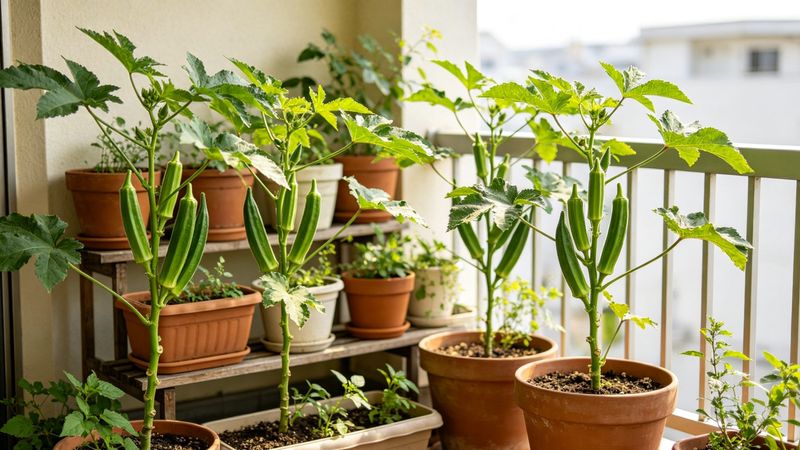
3. Monopropriation of balconies (north-south)
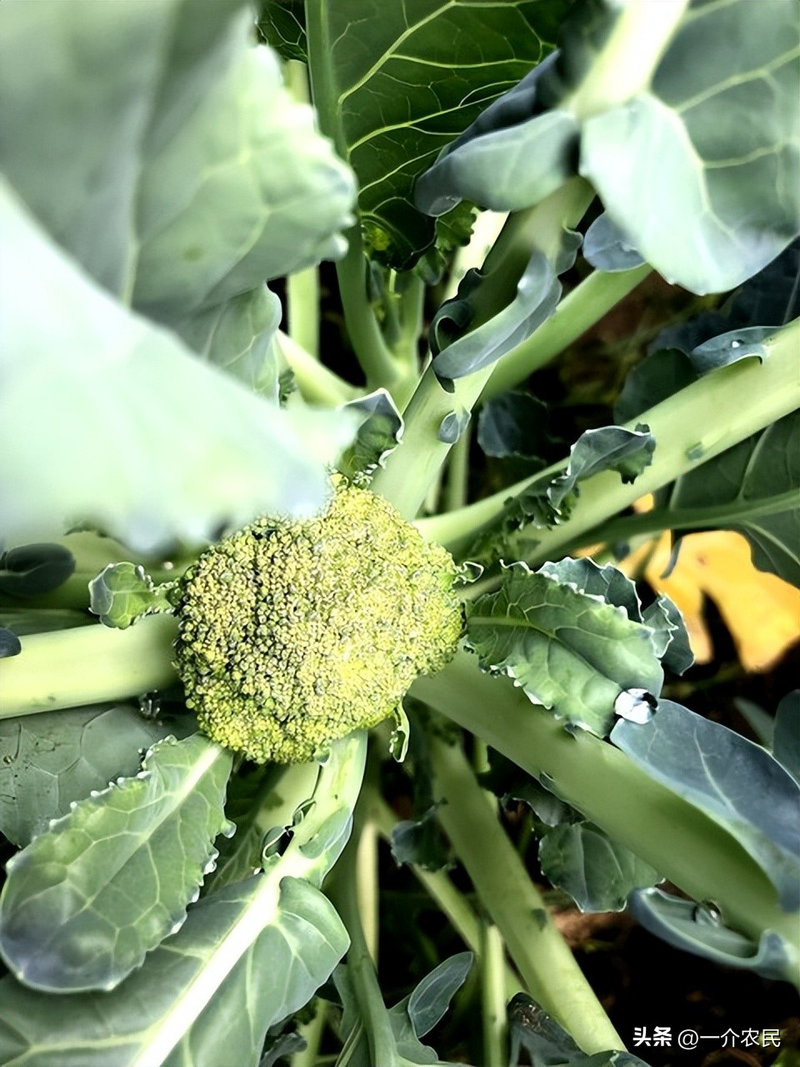
Iii. Complete transfer technology: from seedling to harvest, no newer has failed step 1: seedling (breeding, avoiding “weak seeding”)
Core principles: western orchid seedlings need to control temperature and moisture, avoid growing up and growing up to 4 to 5 plants (30 to 40 days old), and production is affected by being too big or too small
Step 2: plantation (reasonable insulation, promotion of ventilation) step 3: field management (basic bulk, hollow)
Water:
Post-plantation: pouring out of the water, slowing down the water (see dry wet soil) and promoting the laying of the roots
(a) lotus term: soil moist and water every 7 to 10 days (promoting foliage)
(a) the flower ball formation period: water is needed in the largest quantity and water is poured every 5-7 days (e. G. To avoid drought resulting in hollow, ball-spreading) and water pouring (frosting)
Seven days before harvest: stop watering, increase the hardness of the florist, and sustain transport。
Fertilizers: fertilizers: 15 days after planting, 10 kg of urea per acre (watering to promote leaf growth)
(a) lactation fattening: 30 days after planting (lituation term), 25 kg per acre plus 15 kg per acre of potassium fattening (promoting leaf fattening to accumulate nutrients for flower balls)
(b) flowball fattening: 30kg + 20kg + 0. 5 kg + boron per acre of composite fattening 30kg + potassium + 0. 5 kg / acre at 5 cm in diameter (promoting the expansion of the balls, tightness, air defences)
Leaf fertilizers: 0. 2% potassium hydroxyphosphate + 0. 1% boron fat every 10 days during flower ball formation (fascular malformation)。
Step 4: flower ball formation management (broadball resistance, deformation core)
Core principle: during the formation of a flower ball, the temperature is to be controlled at 18-22°c and the water level is to be balanced and sufficient to avoid sudden temperature changes and drought, otherwise it is likely to be loose and empty
(a) the northern spring: if the temperature of the flower ball formation exceeds 25°c and the sunnet cools
(a) the northern autumn studio: during the bouquet's formation, the temperature of 15-20°c was maintained, and the herds were kept warm at less than 10°c
Summer in the south: avoiding a high-temperature phase of flower ball formation and opting for early harvest of pre-maturized varieties。
Pest and pest management: avoiding “spreadballs, hollows, rotting leaves”
Prevention and control: select the appropriate species, control the temperature of 18-22°c for the flower ball formation period, and keep the water fattening even and ensure sufficient light。
Prevention and control: pre-plant application of boron sand, during which the flower ball is formed to supplement boron and potassium fat, and to maintain soil moisture。
Prevention and control: temperature control during seeding periods, supplementing boron fertilizer, rationally implanted (avoiding poor ventilation)。
Prevention and control: the flower ball is later formed, the upper leaf is turned towards the flower ball to cover the strong light, or the sunnet。
2. Reasonable diseases (focus on prevention)
Prevention and treatment: rotation (three years with non-crucial flower crops) with over 50% more than 800 times more liquid rooting at the beginning of the disease。
Prevention and treatment: seed disinfection (55°c hot water immersed for 15 minutes) with 72 per cent of the initial use of 3000 times the amount of liquid spray in agro-cythin。
3. Pest control
Prevention and control: artificial capture of larvae or application of 500 times liquid spray with bt emulsion (biopesticide, safe without residues)。
Prevention and control: cedar booby traps or 1500 times liquid spray spray with 10% aphid。
Prevention and control: before seeding, deep-blown soil (suntan disinfection) with 2. 5% bromocymethrin (bcm) at the beginning of the disease。
Collection and economic efficiency: high-yielding harvesting techniques 1. Timing and methods
Main flower balls: 10-15 cm in diameter, tight, dark and green, small buds not open (lower quality after opening)
Side balls: 5-8 cm in diameter, tight and collectable in batches
Note: collect in a timely manner to avoid the lateness of the harvest resulting in the looseness of the flower ball, the opening of small buds and poor taste。
2. Economic benefits (national reference)
Acre production: 2000-2500 pounds of field and 2,500-3000 pounds of shed (sideball with side florist)
Market price: 4-6 yuan per pound for ordinary season and 8-10 yuan per pound for counter-seasons (north winter, south summer)
Acre income: $8000-15000 for the field and $20,000-30000 for the shed
Cost: the total cost of seeds, fertilizers, pesticides, labour, etc., is approximately 2000-3,000 yuan/acre and net gain of 6,000-27,000 yuan/acre
Advantages: enriched nutrition, strong market demand, high returns from anti-season planting, suitable for supermarkets and restaurants。
Vi. Practical advice on family farming: new hands on pit avoidance techniques
(a) container selection: a flower pot with a diameter of 35 cm and a depth of 30 cm shall be selected (the root of the broccoli is developed and requires sufficient space)
(a) varieties selection: the selection of mini broccoli (small, suitable for pelvis) and the avoidance of common varieties (high 1-1. 5 m, insufficient balcony space)
(a) soil ratio: lands: ground: foliage: pearl rock: roted organic fertilizer = 3:2:1:1 with a small amount of boron (air core)
Skills: place it on the south balcony (eight hours of light per day) and keep it at 18-22°c during the flower ball formation period (in the north, in the winter, in the sun, in the south, in the summer)。
(b) location: selection of well-lighted and well-drained plots to avoid low-lying water (frost-resistant)
(a) plantation density: planting at 60 cm and 40 cm, strictly at line distance (avoiding the exposure to ventilation and disease)
Focus on fertilisation: organic fertilisation before planting, bouquet and potassium fertilisation during varnish formation (air cores, bulkballs)
Avoiding pits: avoiding conjunction (three years apart from the planting of cross-flower vegetables such as cabbage and radish) and preventing swollen roots。
(b) flowballs loose: excessive temperature sets to cool the sunnet or select early harvests of pre-maturized varieties
(a) emptyness of the florist: 0. 1 per cent of boron fertilizer is sprayed on the missing lobe and the water is even
Leaf is yellow and plant is aging: roots are damaged or water is accumulated to check for soil drainage, to avoid flooding, and multibacterium is used to root during the early stages of the disease。
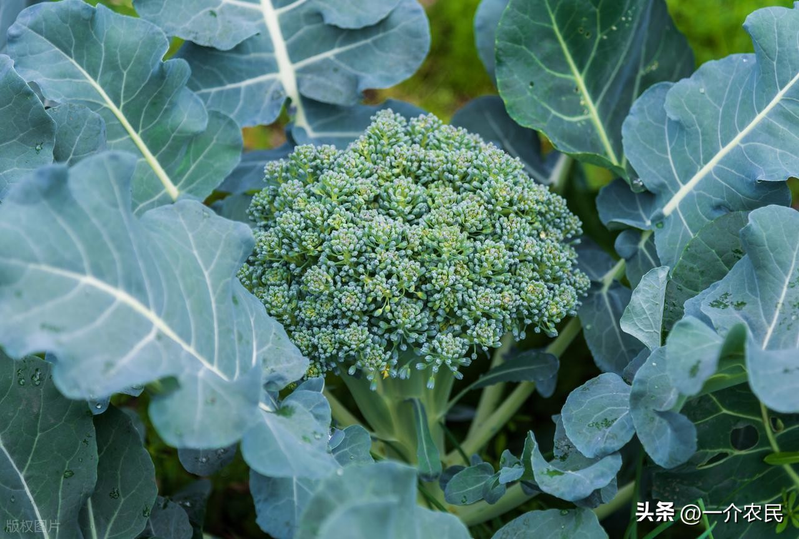
Review of the core elements and proposals for action
Core points: the key to growing broccoli is “breeding strong seedlings, rational planting, temperature-controlled water, potassium supplementation”, avoiding high temperatures (hatterproof ball), drought (air-guard cores), serialization (contagious diseases), climate-selected varieties and planting times in the north and the south, where the main bouquet harvest can produce side balls and increase total production
Proposals for action:
Orchids are “high-nutrient, high-value vegetables” grown by households and, while growing over a longer period, are managed properly to produce high-quality harvests。
With the three cores of “temperature-control water, potassium supplementation, disease prevention”, newers can grow suffocated and fresh broccoli, whether for domestic consumption or small-scale sale