


“structuring watermelon-autumn cuisine, two tri-cropping plants” is a model of highly standardized and efficient cultivation that has been promoted in a wide range of areas of the city. The average production of 667 m2 is 6200 kg of watermelon (3,600 kg of head and 2,600 kg) and 1260 kg of broccoli, with an average annual income of $11580 666 m2。
Annexes
In mid-december, the shed matured the watermelon, which was planted in mid-february, and collected in mid-may and mid-july; the watermelon was collected and ploughed into the ground. Autumn orchids were bred in mid-july, planted in mid-august, harvest began in mid-october。
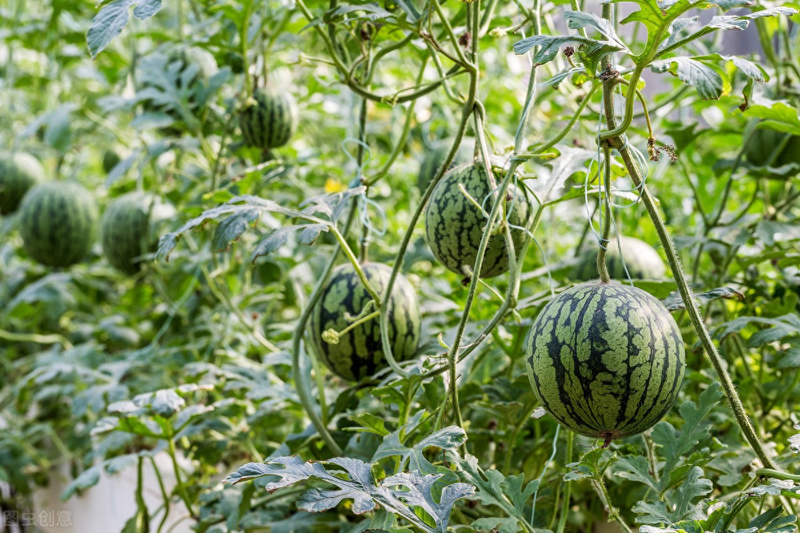
Ii. Elements for pursula
(i) varieties selection: choice of good watermelon varieties, such as sumie i, ningmei, pao, grand venus of japan, sweet and seedless. (ii) cultivation of seedlings using a four-storey "triple membrane one curtain" covered by a small shed with a membrane and a straw curtain. The temperature of the bed is controlled at 28 to 33°c during the day, at 20 to 25°c at night, at night or on snowy days. 70% of the seedlings are removed from the membrane, bed temperature 20-26°c, night 10-17°c. Before planting, seven days of proper cooling for seedlings. It's about 45 days old, three to four real leaves, and one day before it's planted, it's one day old, and it's 500 times the size of a multibacter. (iii) plantation 1. Plantation of the ground as a whole, before the harvest of the crop, and the laying of the land as soon as possible in the sun and the freezing of the fungicide. Fertilizers, membranes: 80 kg per 667 m2 of fertilized, high-quality soil fertilizers, 500 kg or more, tri-dollar composite fertilizers (20-10-16), urea 25kg, boron sulphate 20kg, boron ~ 2-3kg, pusch, cleavage half; and 667 m2 application of 3% of the othion granular agent 1. 5 ~ 2. 5 kg tectonics, tectonics ~ 1 and water ~ 5-7 days before planting, per 667 m2 with 80 ~ 100 g μd water sprayed on the side, with a rise in the background of the cover. In mid-february, the temperature of the interior of the shed was stabilized at 11 to 12°c and fixed in the middle of the morning. It's 40 to 50 cm wide, 20 to 30 cm deep. It's about 700 seed melons, 667 m2, 600 seed-free melons, around 667 m2, and it's good for the earth, and it's good for the water。
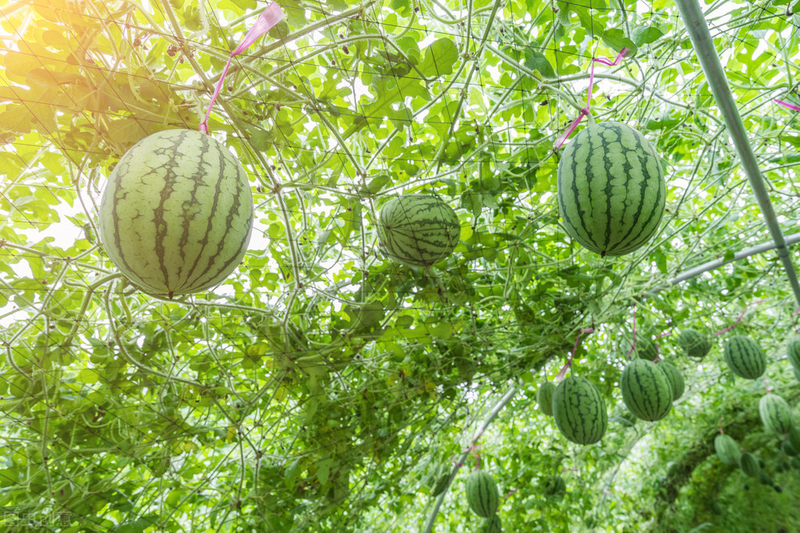
(iv) post-plant management 1. Temperature management 30 - 32°c during the day and 15 - 18°c during the night, within 3 - 5 days of planting; 2. Fertilizer management, prior control of water irrigation, on-the-job cultivation, pine soil, sun. No water before a chicken sits on a melon, in case it's fertilized. When you sit on a fruit, you water it, when you enter the guacamole, you keep the soil dry and wet, three to seven days, one water. Watermelon stopped watering for 5-7 days before it matured. In the early stages of the watermelon spasms, per 667 m2 lacquer is fertilized by 50 to 75 kg, or by rotting poultry manure by 500 to 750 kg. The eggs of the fertilizers were watered with three cents of composite fertilizer (20-10-16) per 667 m2 for 8-11 kg, potassium sulphate 5-6 kg; seven days later, three cents of compound fat 15 kg for the second batch. The second day after the harvest of the first batch of melons is fertilizing the chicken so as to promote the growth of the children's chickens; 667 m2 is applying three-dollar composite fertilizers of 15-20kg + phosphorus diazepines 0. 3 ~ 0. 4 kg ~ water 200 ~ 250 kg, followed by the application of 0. 3 ~ 0. 5 % urea or phosphate dihydrogen folates and the suspension of the application seven days before the harvest. 3. Plantation adjustment: when the main chicken grows to 50 cm, the main chicken and two strong chickens are chosen, with no fork in front of the fruit, and the small fork in the growth of the fruit is removed from the female 1. The watermelon grows into the mouth of the bowl and starts to pick up one to two cortexes, which will all be knocked out before the melon table; the watermelon grows up to egg lengths, leaves one to two melons, leaves two melons, keeps a round of melons, removes sick melons, weak melons, deformed melons; sits in front of the fruit, presses the melons, squeezes the melons, squeezing the melons and crushes them with soil near the growth point by 1 cm. 4. Artificial pollination: before 9 a. M. In the middle of the sun, from 9 a. M. To 11 a. M., a female of 2 to 3 is selected for pollination and a female of 1-2 a. M. On the chicken. Manually, the male is removed, the flower is turned off, the male is slightly painted on the head of another female column and marked with a stick, the extra guacamole is removed from the guacamole and the female, and measures such as cucumbers, matés, rolls, etc. Are used to promote the growth of the fruit and improve the commerciality of the watermelon during the maturation period. Insects and pests 72. 2% prick or heavy scrap 1 or 20% virus a, every 7-10 days, 2-3 times; aphids, lice and lice 200 times more。
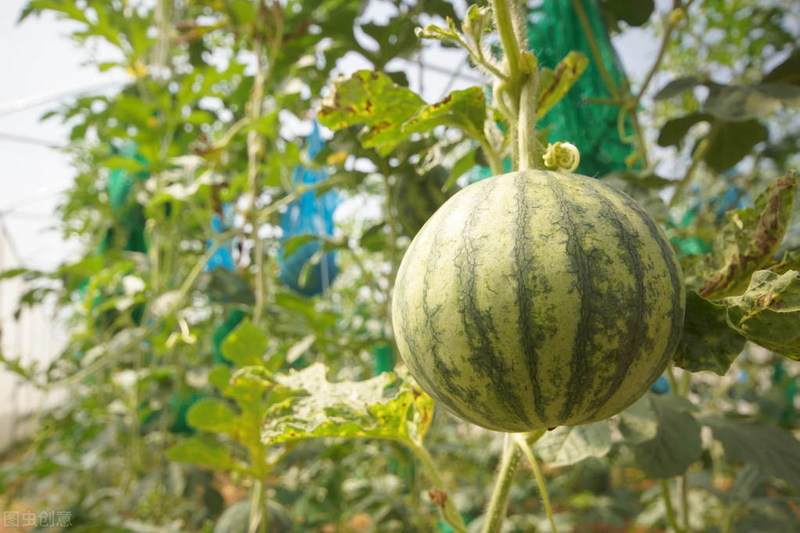
(v) harvested in due time 35-40 days after flowering, 30-35 days after flowering. The melon is harvested on the basis of changes in the morphology of the skin colours, rolls and fruit and the date of the pollination marking. The harvest takes place in the morning with scissors. The harvest began in mid-may and ended in late july. The maturity of the harvest is determined by the proximity of the market, the harvest of long-distance transport is complete, the harvest of short-distance transport is complete, and the harvest of locally sold goods is collected when fully mature。
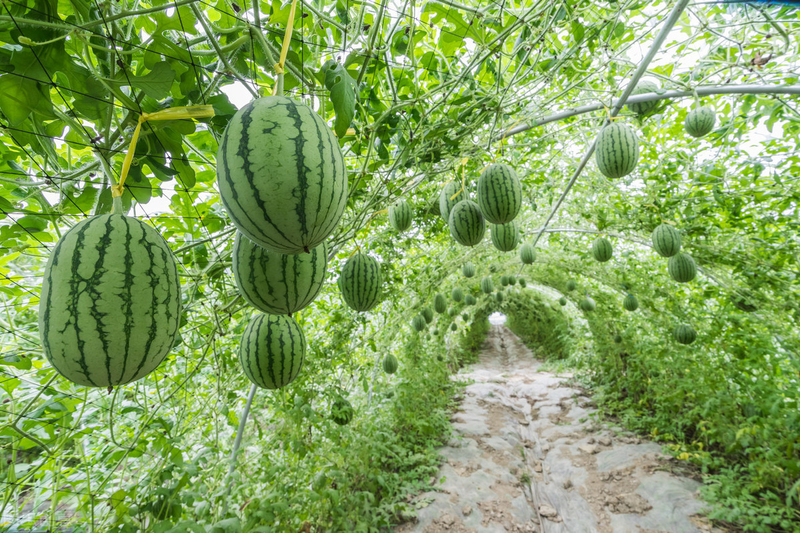
Iii. Autumn orchid cultivation
(i) the choice of varieties. It is desirable to choose the best medium- and pre-literate varieties that are strong and resilient, mountain water, etc. (ii) pre-plantation 10-25 days, tilling of land, application of base fattening, one-time application of biological organic fattening per 667 m2, tri-gram organic fattening (20-10-16) 40-50 kg, per phosphate calcium (over 12 per cent phosphorus) 80-kg, boron sand (more than 80 per cent boron) 1. 5-kg, conversion of fertilizer to soil; pre-planting, staggering, styling, presentation of textures, and planting density around 4,200 / 6,672 m. Set a depth of 4-5 cm, make a hole with a little bit of pressure, and protect the sap from the soil. It's set after 3 p. M. In the middle of the sun. It's set all day. The day after the planting, the water was filled with water and the soil was fully immersed。
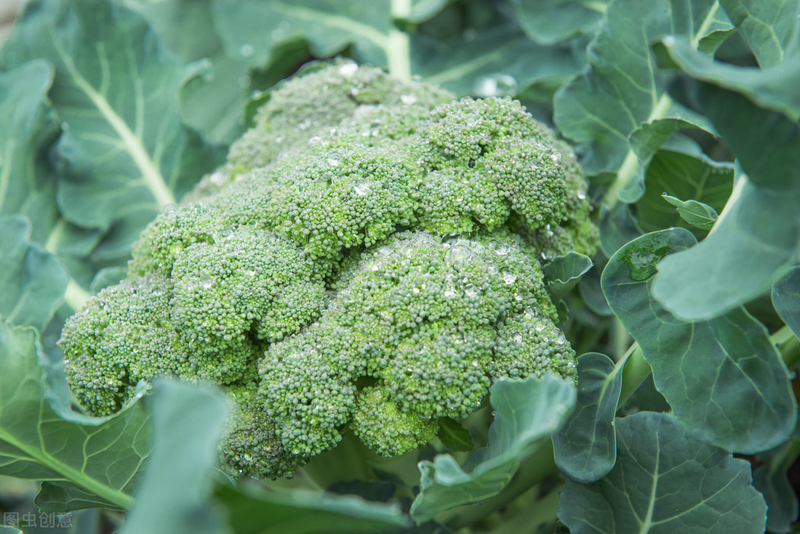
1. Fertilizer management every time water is poured, the soil is cultivated and weededed. After 5-7 days, 667 m2 followed urea 6-8kg. Second after planting 25 to 35 days, 8 to 10 real leaves. Per 667 m2 application of triple compound fertilizer (20-10-16) 15-20kg. In two meadows, 8-10 cm deep, the earth is covered; in the third case, 45-55 days after planting, each of the 15-17 real leaves was applied a compound of 3 kg per 667 m2. 2. The main pests of the broccoli are adhesive disease, frost, black corruption, etc., which can be combated by 72. 2 per cent of pesticides such as prick, 85 per cent aluminum, and 77 per cent can be killed, 5-7 days of spraying 1 and 2-3 times of continuous medicine, and 70 per cent of pesticides such as aphids, vegetable larvae, beetling night moths, tigers, etc., which can be treated by 70 per cent of the pesticides, 2. 5 per cent of the vegetables, 10 per cent of the trichlorfon. The spraying of pesticides is prohibited after the orchids show small plumes。
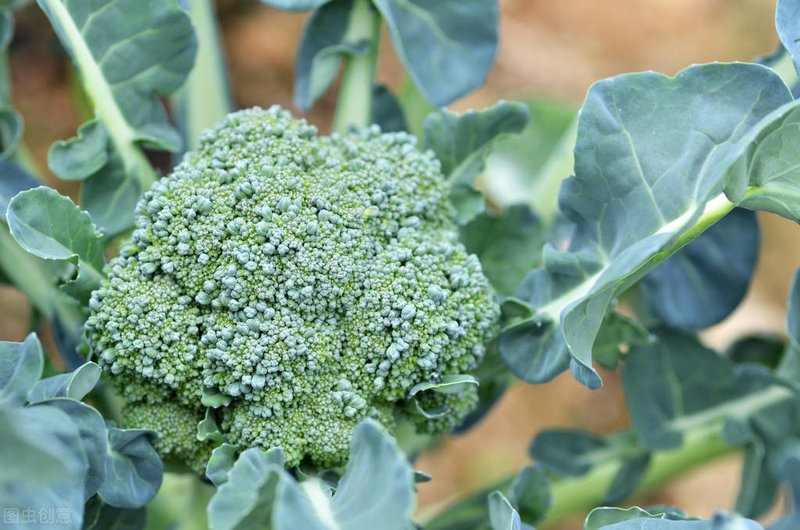
(iv) quality of timely collection and collection. The flower ball for fresh export requires a cross radius of 11 to 14 cm, with a length of 15 to 16 cm; the fast-frozen ball range is 16 to 18 cm and a length of 16 cm. At harvest, the blade must be precise, steady, with three to four leafs, the flower ball must be strong, deep green, small, with no yellow buds, disease and vermin, with a single flower ball of 280g or more, and the tubular base is not empty. The internal sales standard requires that the flower ball is not loose, is free of disease and worms, is deep green, and has a length of not more than 12 cm. The harvest takes place every morning from 9 to 10 p. M. And after 3 to 4 p. M., it stops at 10 a. M., it collects once a day and it does not rain。



