


Cultivation season
Vegetable mustard is not hot and cold and suitable for cold and wet weather conditions. Autumn mustard is used for processing, and because the heat and cold resistance of mustard leaves is less than that of cabbage, mustard mustard mustard is sowing in different areas later than local cabbage. Early broadcasts were available in early september and late in late september, with harvest periods extending around december of the same year until seeding in october, usually waiting for harvests in february-april of the following year. It is possible to sow on an annual basis if the seedlings are harvested for food or if the leaves mustard is used as hot food。
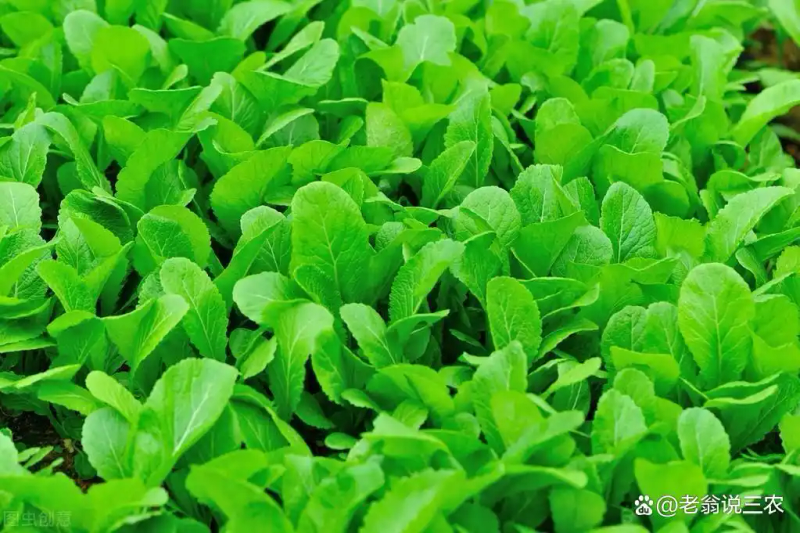
In the autumn, hot and dry, aphids are more dangerous, susceptible to infectious diseases, and sensitive varieties are spread at an appropriate late stage, and heat-resilient and disease-resilient varieties are broadcast early, with harvests in november-december. More winter-oriented varieties can be planted in october and harvested in february-april of the following year. Cold or mountainous areas can sow early, warm areas or as delayed seeding after late planting. In highly affected areas, the planting can be delayed to mitigate the disease。
Cultivation
Vegetable mustards are grown mainly on seedlings, and the varieties of small plants are frequently broadcast。
(1) the choice of seedbeds and whole ground seedlings the choice of beds should be further away from the vegetable base, especially from the cross-flower vegetables, in order to reduce the transmission of viral disease by aphids. The choice of well-filled, soil-rich plots should be used as seedbeds, which should be fully exposed to a combination of 2500 ~ 3000 kg of fertilizing chromosomes per 667 m2 and 5 kg of compound fertilisation or 1,500 ~2000 and 20 ~50 kg of fresh manure per 667 m2. Slender beds are 1. 2 ~ 1. 5 m wide and ravine 0. 3 m wide。
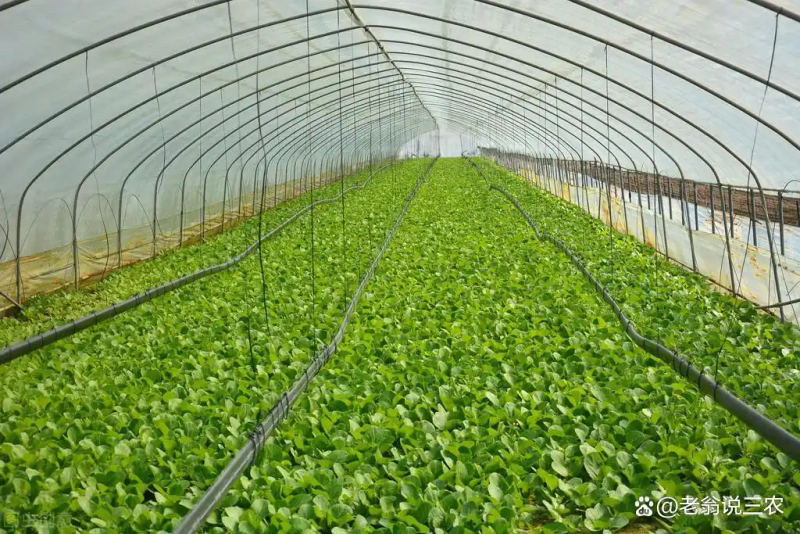
(2) the sterilization of seedbeds may be carried out in one of the following ways: the first is a hyena, which is sprayed equally with 150-250 times the formaldehyde (formalin) solution, then covered with a thin film for three days, and seeded for two to three days after it was decrepit. The second is a combination of 50 to 100 kg of lime per 667 m2 of ploughing, which can also be added to 7. 5 kg of copper sulphate and 100 kg of ammonium carbon for disease control, to be planted in 3 to 5 days. In the event of drought, water should be properly pumped to heat up the pebbles to kill bacteria and eggs in the soil, with care to regulate the acidity of the soil。
(3) cultivation is available for the months of september to october, with 30 to 50 grams per 667 m2 of seedage, and early autumns with hot weather or showers affecting seedlings and seedling growth, with an appropriate increase in seedlings; and late broadcasts with a mild, high seedling rate, with appropriate reductions. Because of the small size of the mustard seed, the seed can be sowed with two to three times the fine sand or dry ground mixed, with a layer of light soil of about 0. 5 centimetres thick, such as as as ash and grass and ash, allowing for seeding, and with more than 50% of the fungus 600 to 800 times the water to be poured once, in close contact with the soil. Early broadcasters should cover grass or sunnets to keep them wet, and avoid rain-fed bed sheeting that prevents seeding。
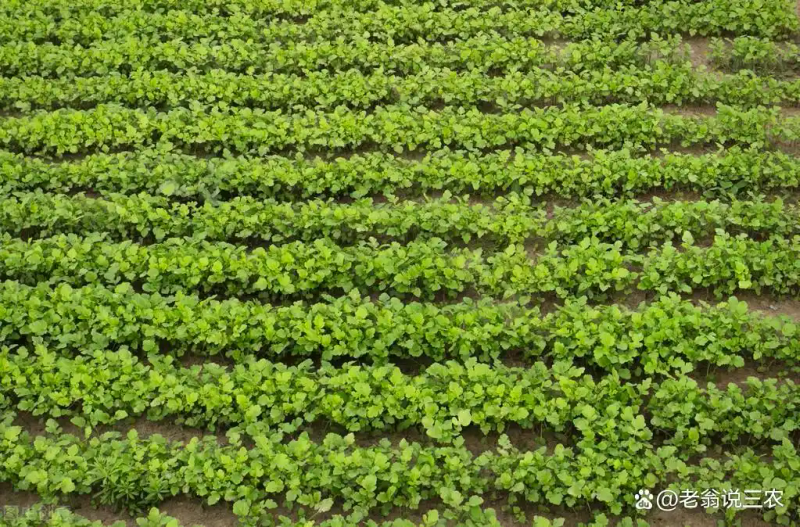
(4) the cover is removed when more than 70% of the seedlings are produced three to four days after the seeding of the seeding period. Water management during the growth of seedlings should be carried out in accordance with weather conditions, and the soil should be kept fully hydrated and watered at appropriate times. When the seedlings grow a single leaf, the first seedlings grow, the second seedlings grow at a distance of 3-5 centimetres, a combination of which removes the weeds one and two times and pursues thin marshes or septic water two and three times. Special attention should be paid to the thorough treatment of aphids in order to mitigate viral diseases, generally with 2500 ~ 3000 times more ~2 ~3 doses of emulsifiable creams (trichlorocypermethrin)。
3. Integrated planting
The soil requirements for mustard leaves are not stringent and all types of soil can be cultivated, but it is better to keep the soil fat and wet. In guizhou food areas, most of the leaves used for mustard mustard are corn, rice, potatoes, or are grown between wheat lines, or later in the crop. In areas where the disease is acute, it is not appropriate to be the rear of cross-flower vegetables, and it is desirable that plots of land planted be kept away from cabbage, etc., in order to reduce the risk of infectious disease poisoning。

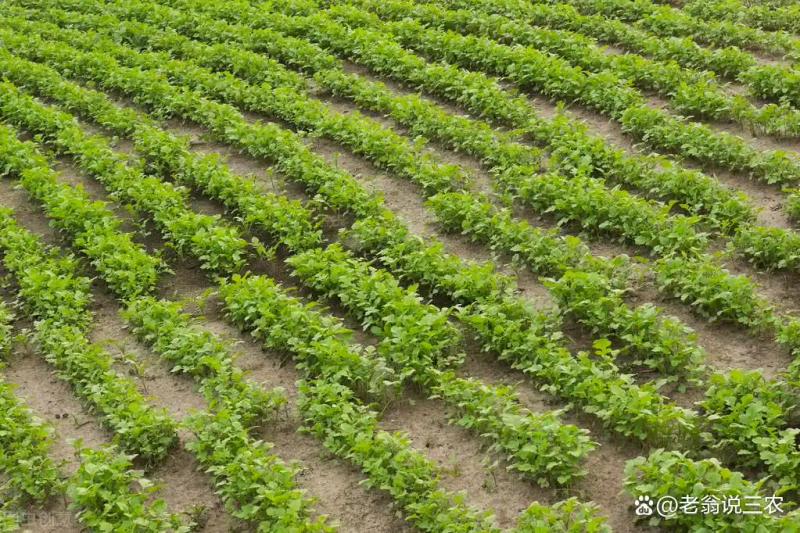
Upon the completion of the pre-harvest harvest, the ploughs were ploughed in a timely manner, with the high-twilight troughs 1. 8 to 2. 0 metres open, 20 to 30 centimetres tall and four lines per compartment. Per 667 m2 of decomposed farmers ' fats of 2000 ~ 3,000 kg, 3d compound fats of 40 ~ 50 kg, and calcium perphosphate of 20 ~ 30 kg as base fat. After 25-30 days of age, seedlings are selected to grow in the dark or in the morning. One day before the rise of the seedlings, the beds were poured into the water, choosing to plant them with well-established, well-structured and insect-free seedlings. The range and range of plants varies from plant to plant. The average long-leaf mustard, wide-wielding mustard business is 50 cm and 40 cm, and the average snow plume is 25 - 33 cm. In general, 2500 to 3,000 plants per 667 square metres are suitable. The plant is filled with solid water to ensure that it is alive and well。
4. Peak cultivation
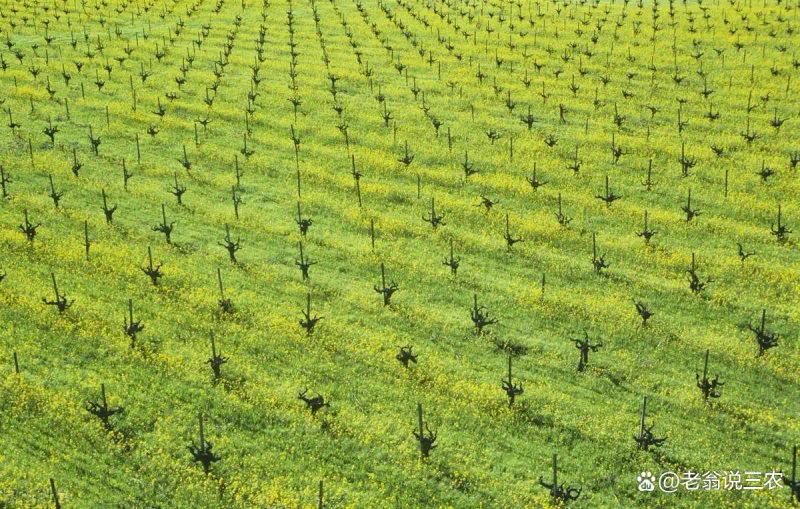
Farmers often have bad habits of deep-seated cultivation, resulting in poor growth of their plants and subsequent loss of production or harvest due to the risk of soft decay. The reason for this is the high temperature of the weather, which, if water is accumulated within the planting den and exposed directly to the noon sun, increases rapidly in the temperature within the den, making it easier to burn the plant base, thus creating conditions for the invasion of the disease. It is therefore important to change the bad habits of deep-sea cultivation and to promote high-lying cultivation. Cultivated dens should be slightly higher than 2-3 cm rims. When the root water is taken down, the soil is sunk, and the cultivation den is slightly higher than or even with the surface。
5. Field management
(1) timely identification of gaps
After planting, high-temperature and dry weather, prone to disease, rigidity and death, should be filled in a timely manner in an effort to balance early onset in a comprehensive manner。
(2) following fat
Early obscenity's fertilization, combined farming before sealing off, and application of ~2-3 seed fattings. Following the planting, the first fattening of the leaves was carried out for 5 kg of urea or 500 kg of swamp or 500 kg of septic water per 667 square metres, in order to protect the fatting and seedlings; 8 kg of urea or 1,500 kg of urea or 1,500 kg of septic water was used for the second fertilizing of the leaves per 7-8 square metres, in order to boost the strength of the baby over the winter; and a further seal was applied before the closure in late december, mainly with organic long-lived fertilizer, to increase phosphorus fattening, promote healthy growth and increase the resilience to the cold. The application of 500 kg of marshes or 500 kg of septic water per 667 m2 is 15 kg of compound fat. Following the return of temperatures in mid-february, mustard leaves entered the boom phase, re-improving fertilizer one time, dominated by urea per 667 square metres, with 10 kg of urea per square metre plus 3 kg of compound fertilizer. Stop fertilization 20-25 days before harvest to prevent nitrate levels from being exceeded。
(3) water management
Low rainfall in the pre-growth period, proper watering in the combination of fat pursuits and heavy rainfall in the later stages of growth, should be careful to drain the ditches so that the roots are not flooded for long periods of time。



