


011. Overview of mustard cultivation
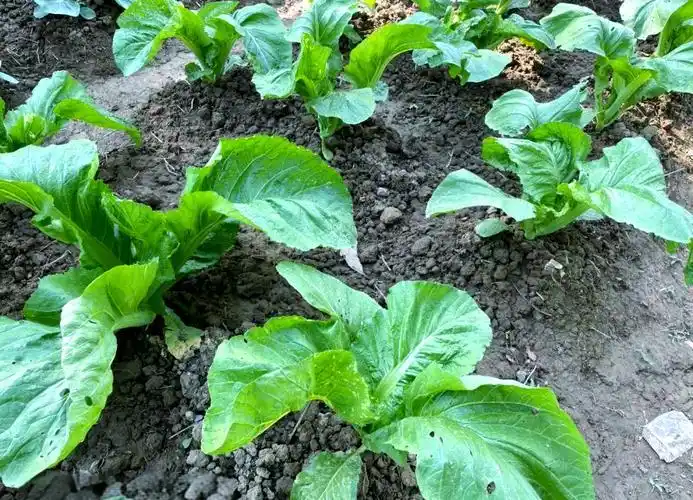
The importance of mustard: mustard, which has a unique taste of green leaves and vegetables, has become an indispensable “frequent” on our table. It's delicious after it's made, mixed or pickled. Moreover, mustard is a nutritional treasure, rich in cellulose, the ideal choice for our daily diet. As the notion of healthy diet grows deeper, so does the demand for mustard growing。
Optimal planting timing
Next, we'll explore the timing of mustard cultivation, the specific methods and the management techniques that will help you to easily start the mustard-growing journey and enjoy the good harvest。

2. 1 [spring planting]
Best planting months in the spring: normally, february is considered the best planting month. As the temperature rises, sowing mustard mustard is the most desirable place for its growth and growth。
2. 2 [summer planting]
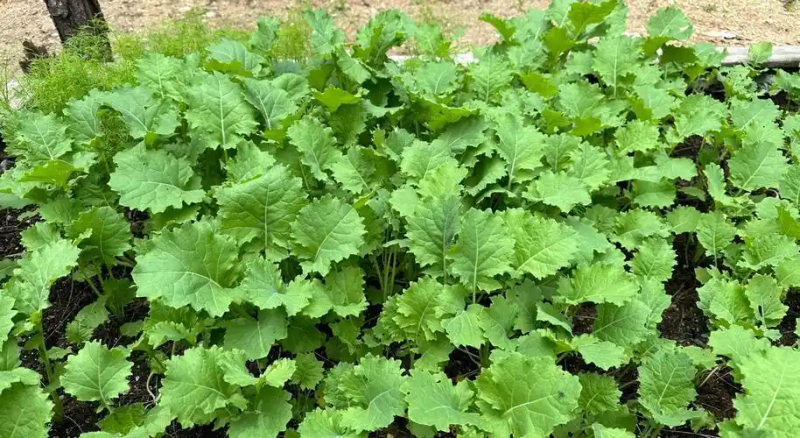
The months of july and august are suitable for planting: in high-temperature environments, soil temperatures are moderate and contribute to the rapid growth of mustard。
2. 3 [autumn planting]
September october is a suitable climate: at this point in time, mustard can mature in a relatively short period of time, giving you the joy of a harvest。
In general, mustard prefers a warm environment. If the soil in your area is too low, it may have adverse effects on the growth of mustards and even cause death. Therefore, before preparing for planting, pay close attention to weather changes and adjust your planting plans flexibly。
Cultivation methods and management
Next, we'll look into mustard planting and management techniques。
3. 1 [soil and preparedness]
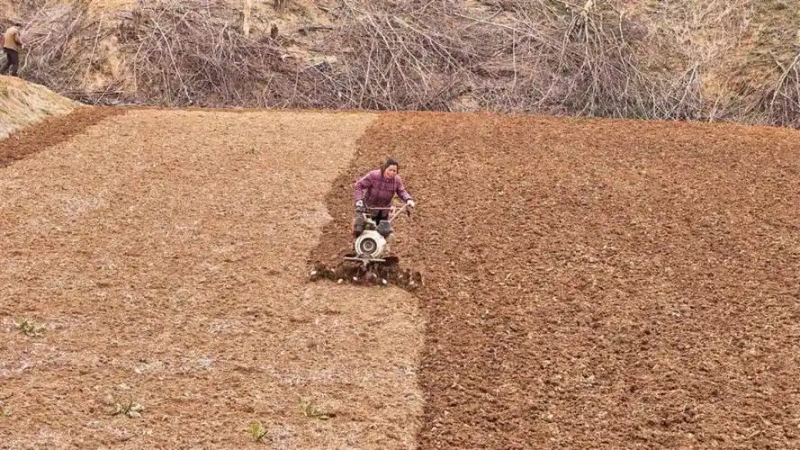
Land reclamation before planting: the choice of suitable soil is essential. Mustards prefer well-drained and air-absorbed soils to ensure healthy growth of their roots. Prior to the start of cultivation, the tillage of the land was made to pine soil and to promote the development of the mustard root system. After tillage, a suitable amount of base fat is applied to increase soil fertility。
3. 2 [advance and sowing]
When the land is made up, the land is spread evenly and the thin ground is covered: for ease of management, the land can be organized into a mosaic. This not only contributes to drainage and prevents the accumulation of water from causing root decay, but also improves the air permeability of the soil. When sowing, the seeds should be spread evenly over the soil and then cover a thin layer of soil lightly. Thereafter, water will be watered in appropriate quantities and the soil will be wet to facilitate seed growth。
Fertilisation and water-watering techniques
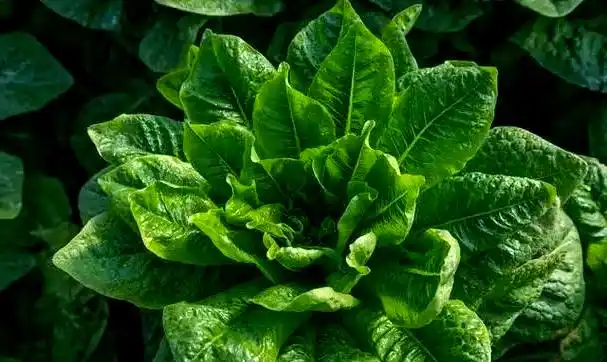
Reasonable watering and fertilization are key in the growth of mustard。
4. 1 [water management]
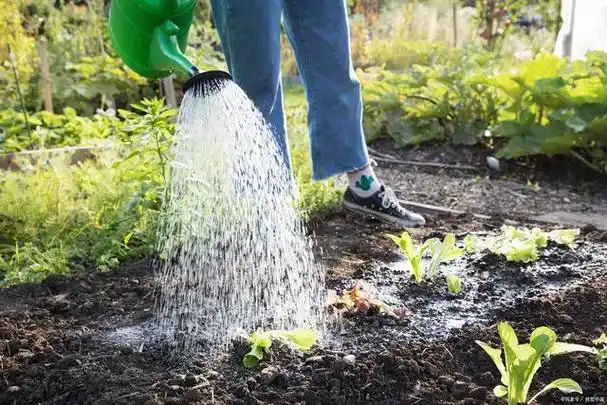
Keep the soil wet while preventing the accumulation of water leading to root decay: mustard is more wet, but careful to avoid root decay. Keep the soil wet, avoid water accumulation and replenish the water in a timely manner when the surface is dry, ensuring that the water reaches the root。
4. 2 fertilizer strategy
Mustards need to be fertilized for growth at appropriate levels during seeding: thinning fertilizer is recommended to avoid harm to seedlings. Nitrogen fertilizers are applied initially to promote the growth of leaf blades, and phosphate fertilizers are applied before flowering to improve yields and quality。
4. 3 [pest management]
Periodic inspection and timely adoption of measures: pest control cannot be neglected in management. Regular check of mustard growth and timely detection and adoption of measures such as the spraying of safe pesticides to ensure crop health。
Through the above-mentioned guidelines and management techniques, you will be able to easily start a mustard journey. Mustard not only tastes delicious, but also brings pleasure and a sense of accomplishment in planting. For friends who love family gardens, mustard is an ideal choice. It not only sets your table but also enhances your quality of life. May this practical knowledge of planting help you to enjoy the pleasure of growing while you taste and eat



