Today we'll talk about this "invisible killer" — ultraviolet light — who is accompanying you every day. Maybe you'd like to think, "violet? Doesn't it make people black and red? What's there to say?" in fact, ultraviolet light is much more complex than you think, as a “good friend” of your body and an “enemy” of your skin. Today i'll show you more about this
Let's start with the basic: uv is an electromagnetic wave that you can't see in the naked eye, just like the "light" you can't see. Its wavelength is shorter than the blue light, which belongs to the spectrum "other than purple". You can imagine a long spectral band, where ultraviolet light is hidden outside of the "turkish" and, while invisible, its existence is "real."。
Uva (long wave ultraviolet): the wavelength is the longest, permeable, able to reach the bottom of the skin. It makes you dark, old, even wrinkles and colors. You know, sunburn is actually something about uva。
Uvb (middle wave uv): a slightly shorter wavelength, which acts in the skin surface, causes sun damage, bruises and promotes the synthesis of vitamin d. Moderate uvbs are good for the body, but excessive can be “bad”。
Uvc (short wave ultraviolet): the shortest wavelength and the strongest theoretically, but fortunately it is “blocked” by the ozone layer in the atmosphere outside the earth and not reaching the ground。
Do you know the "good" and "bad" of ultraviolet light
Many people, when they hear uv, say, "hey, stay away," but it's also positive:
Vitamin d: ultraviolet rays in sunlight can help skin synthetic vitamin d, which is the “key” for maintaining bone health and increasing immunity. But don't turn "cooked chicken" in the sun. Just be modest。
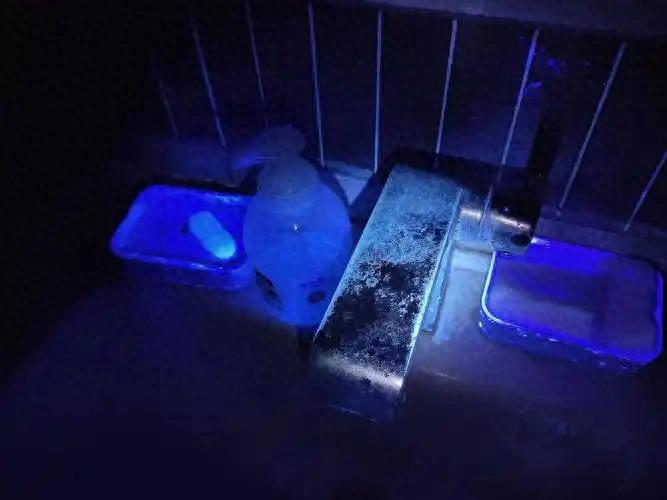
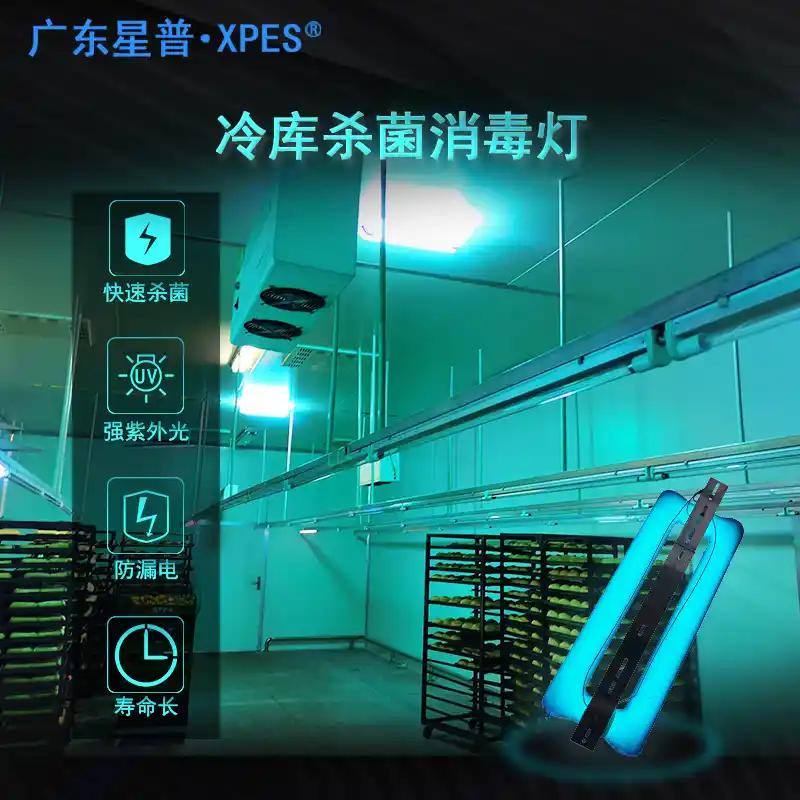
(b) microbicide: ultraviolet light kills bacteria and viruses, so ultraviolet lamps are commonly disinfected in hospitals and laboratories。
But its "bad" are a lot of things:
Skin ageing, sunburning: overexposed under ultraviolet light, skin blackened, wrinkled and even sunburned。
Skin cancer: ultraviolet has long-term injuries to skin cells, increasing the risk of skin cancer。
Eye injury: ultraviolet light can also hurt the eye, leading to diseases such as cataracts and aminoitis。
So, uvs have both “benefits” and “harm”, and the key is how we use it。
The uv's daily effects -- you and i are tanned. Medium
You think it's only summer to protect against ultraviolet? Wrong! Ultraviolet's been there all year, but with different intensity。
The summer was the strongest: the hot sun and the uv index was soaring that it was a high-precipitation period of sunburn and blackening。
Nor can spring and autumn be lightened: especially in the highlands and on the seaside, the ultraviolet light is stronger。
Outdoor exercise, tourism, sun tan: all these activities are indissociable from uv, but the skin and eyes may be “deficit” if no protection is observed。
Accumulation effect: “discretionary volatilization” in sunlight every day, and uv damage will accumulate and eventually become “old-fashioned”。
Since ultraviolet light is both “good” and “hazardous”, how can we enjoy sunlight without “sunburning”? Here are some practical sunproof techniques:
Rationally scheduled sun tantime: avoid going out between 10 a. M. And 2 p. M. Because uv is the strongest. The sun is warmer and better for the sun。
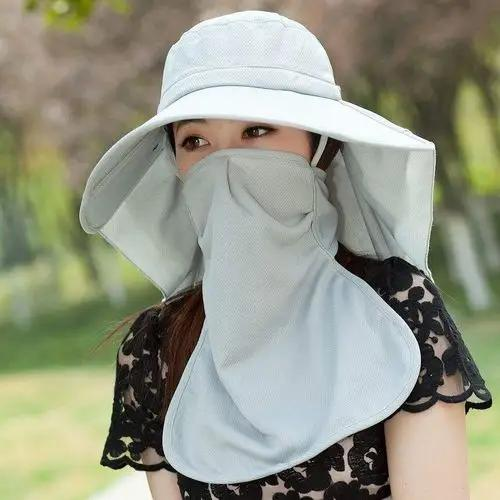
Skin jackets, hats, sunglasses: full body cover is the most effective protection. The broad edge cap covers the face and the sunglasses protect the eyes。
Use sunscreen: choosing the spf value for sunscreen suitable for their skin, covering it adequately and replenishing it every two hours. Remember your neck, your ears, your back。
(b) search for cold rest: while outdoors, rest under shades and shades and less uv directs。
(b) indoor protection: window glass can block part of the ultraviolet light, but protection is still required for long periods of time in a strong sunlight environment。
Reasonable vitamin d supplementation: vitamin d can be supplemented with food when sunlight is insufficient, such as fish, eggs, dairy products。
As science and technology develop, sunproof products continue to emerge. For example, the smart ultraviolet monitor can monitor ultraviolet intensity in real time, reminding you to protect in time. There are also high-tech fabrics that can be embedded in uv-resistant fibres and easily shielded from uv。
In the future, there may also be “super-gods”, such as sunscreens made by nanotechnologies, or smart windows that can “actively” regulate uv penetration, so that you can enjoy the sun without fear of “burning”。
Sunshine is a friend. Ultraviolet is the invisible killer
In general, ultraviolet light is like “friends” and like “invisible killers”. It helps you make vitamin d and makes you feel good, but it also risks skin ageing and cancer. What we have to do is to have the right “sun-sun” posture, so that ultraviolet light becomes the “helper” of your healthy life, not the “enemy”。
Remember, science is the smartest attitude to life. # kopp # # uv # protection #