


Elemental needs for mustard growing
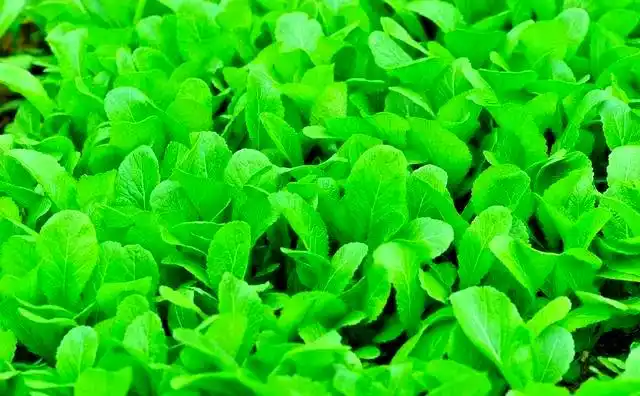
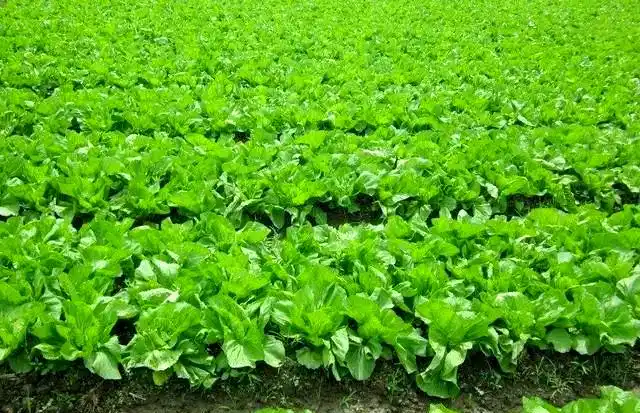
Mustard, a one-year herb plant, belongs to the crossflower. It's both good for fire and good for flooding. It is suitable for a low-temperature, long-day-light environment, which is best grown under cold, wet conditions, and which is threatened by frost. In addition, mustard is more demanding for light conditions, and its pregnancy buds, twitching and flowering processes need to be combined with low-temperature springing and long-day photos. With regard to the application of fertilizers, mustard is in high demand for nitrogen, phosphorus and potassium fertilizer and, although not very critical to soil conditions, the most suitable growing environment is the fertile soil and the deep, middle border soil。
Seed selection and timing
There are many varieties of mustard, such as mustard, snow and mustard. High-quality disease-resistant varieties should be selected on the basis of production needs and the local climate to ensure that the selected seeds are disease-resistant, resistant, high-quality and high-yield. The average temperature during the period between september and november is the most desirable in the range of 20 to 25 degrees celsius。

Plantation technology
3. 1 cultivation
First, the selection of suitable seedbed plots is essential. Ideally, seedbeds should have well-structured, non-polluted, drainage-friendly, loose and fertile characteristics. In the field as a whole, mature organic fertilizers can be added to increase soil fertility, recommending between 1,500 and 2,000 kg per 667 m2. In the process, the soil needs to be rolled and fined to ensure that the soil is fully mixed, thus providing strong support for the growth of seedlings. Seeding needs to be ensured sufficient water before planting. Seeds are then evenly mixed with fine earth or sand and are then planted to cover approximately 1 cm thick soil. Before seedlings occur, early and late water is critical and should be light and hard-fed to maintain soil moisture。
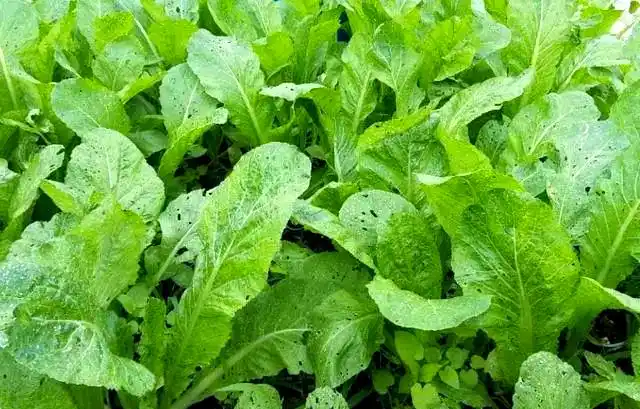
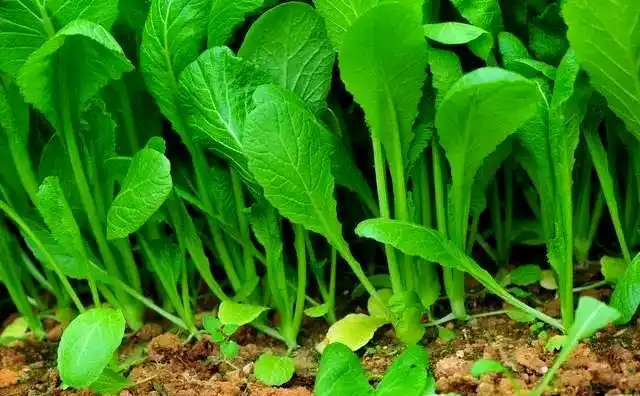
An inter-sapling operation should be carried out when a leaf grows. At this point in time, it is necessary to remove seedlings that are growing too well or that vary. The seedling can then be established when the seedling grows to three to four real leaves. In addition, seedlings are an important part of the breeding process, which should take place within five to seven days before planting, to increase the resilience of seedlings。
3. 2 plantation and field management
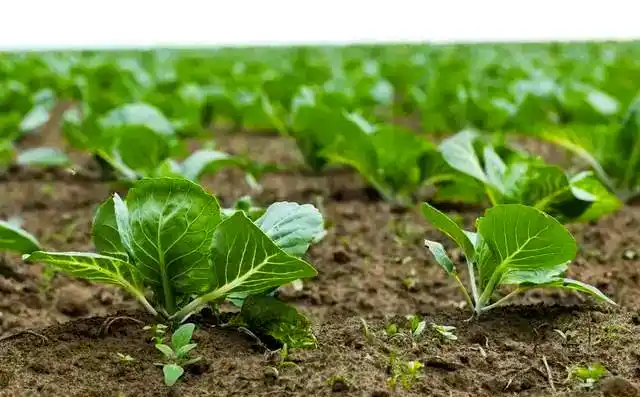
After the whole area is fertilized. In the first instance, approximately 30 kilograms of raw lime were applied to 667 square metres of land, with tillage and exposure. An additional 30 to 40 kilograms of raw lime were applied before the whole platinum. During the planting process, care should be taken to ensure a reasonable density of 3,000 seedlings per 667 m2. Such density arrangements ensure that the seedlings have sufficient space to grow and are not overcrowded and contribute to their healthy growth。
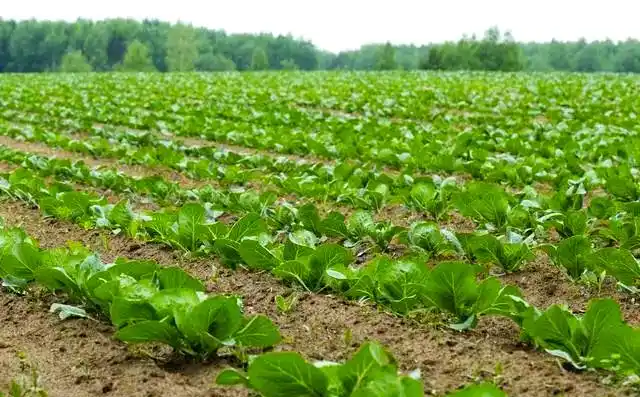
After planting, weeding is done on a shallow basis to avoid competition between weeds and seedlings. Fertilizer management is an important link in ensuring the healthy growth of mustard. The first fat hunt was carried out approximately five days after planting, mainly on nitrogen, together with phosphorus and potassium. Thereafter, as the plant grows, additional fertilizers will continue to be required, and adequate water supplies will be maintained to prevent drought。
3. 3 pest management
A variety of diseases and pests may be encountered during mustard growth. Integrated agricultural, physical and biological approaches to pest control. Rotation systems are recommended, especially for water and drought, to reduce the incidence of pests and diseases. At the same time, physical control measures, such as yellowboard booby traps, can be used. Specific pests and pests, such as frosting, soft decay, etc., can be combated with corresponding chemicals. In addition, disease-resistant varieties are recommended to reduce the pressure of disease and pests。
Harvest and storage
4. 1 harvesting and processing
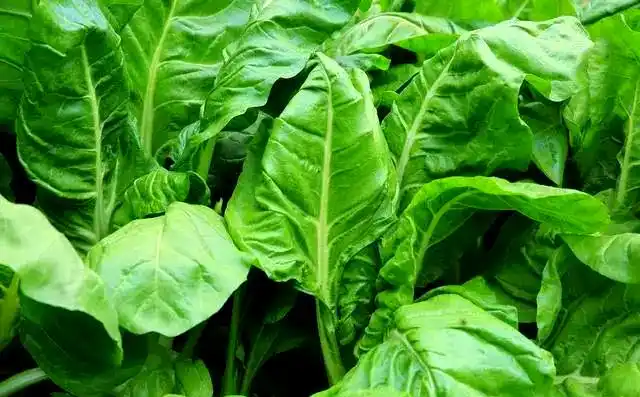
The high-yield harvest of mustard mustard is usually between february and march of the following year. Harvest before flowering in order to ensure the best quality should be harvested in time for the fall of the frost. Chongqing's mustard, especially the mausoleum, is good on the table. During processing, roots and yellow leaves are removed during the pickle process, through such steps as salt pickling until the finished product。
4. 2 storage methods
Mustards are stored in low-temperature, high-humid conditions, with an appropriate storage temperature of 0°c and relative air moisture control of between 95% and 100%. However, since they are not suitable for long storage and long-range transport, they should be sold or processed as early as possible after harvest to ensure their freshness and taste。



