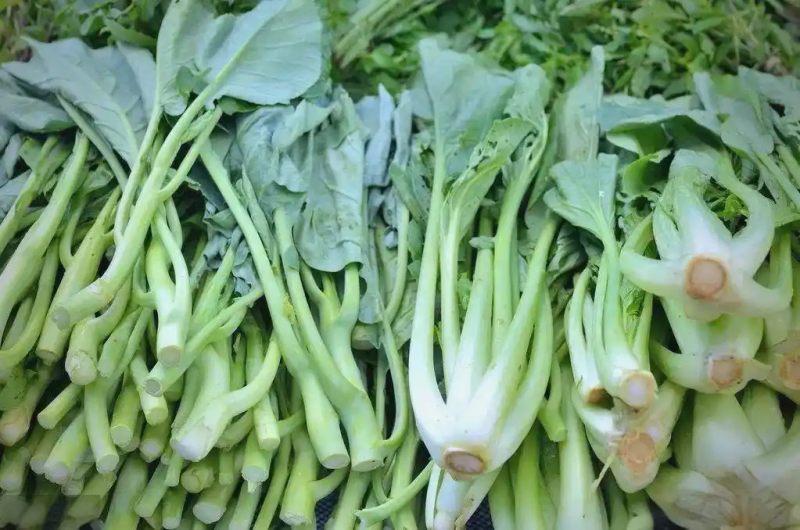
Welcome to the village small farmers' network, where you have the treasure of rural entrepreneurship. Mustard is a multi-purpose vegetable that can be used both as root and as leaf, and is popular in many places, often for cooking or pickling. As the standard of living rises, mustard has gradually become a regular guest on the table and is popular。
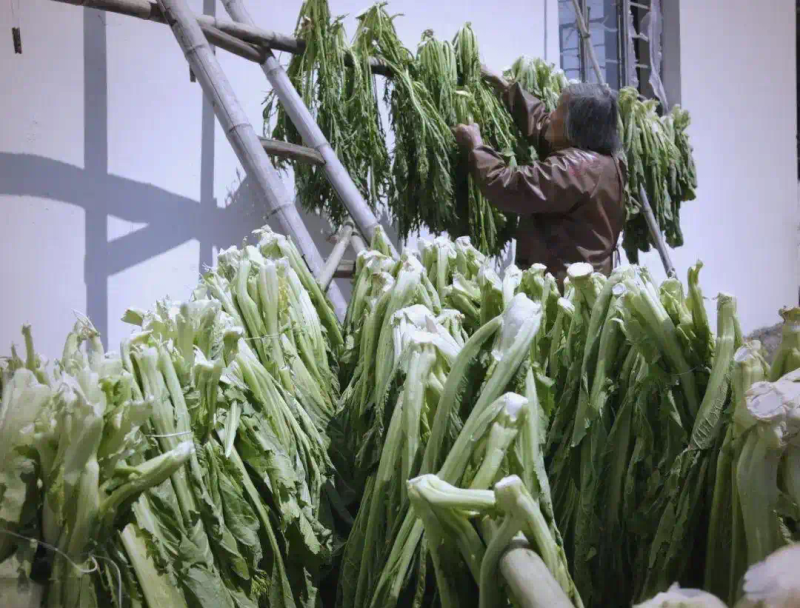
Basic knowledge of mustard 01
And then we're going to go into the high-yield cultivation of mustard, so that you can learn how to grow mustard。
Alternative planting environment
Mustards are suitable for growing in a cool environment with an optimal temperature range of 15 to 25 degrees, and temperatures above 30 degrees should be avoided. Usually, the average temperature maintained at around 15 degrees per year is the ideal place for mustard growing。
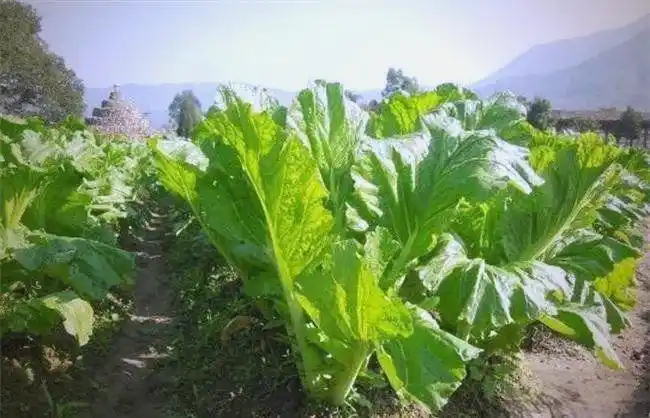
02 high production plantation technology
Appropriate temperature
The most suitable temperature range for mustard growth is between 15 and 25 degrees, and it is particularly important to choose the right planting time. What happens when the temperature is too high during planting? Typically, maintaining average annual temperatures at around 15 degrees is the ideal place for mustard growth, with particular attention to avoiding temperatures above 30 degrees, so as not to affect the quality of mustard, and may even lead to the tanping of plants in serious cases。
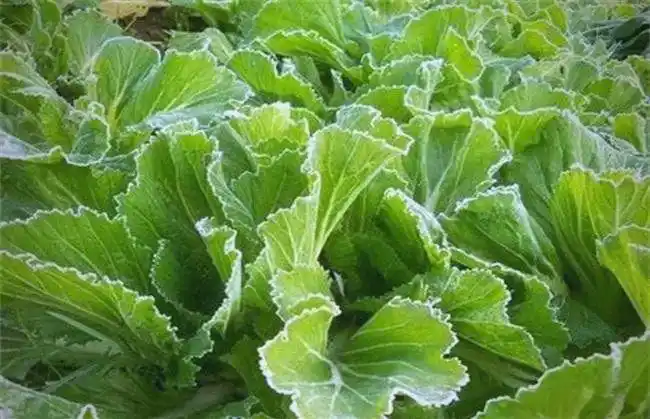
Appropriate planting time
Mustard is usually grown in the spring and autumn, mainly in the autumn, the best time being august of each year. In china's long, yellow and other places, seeding usually begins in july of each year, not later than october. The best planting time was in august, when the production and quality of mustard grown reached optimal levels. It was therefore essential to select the right planting time。
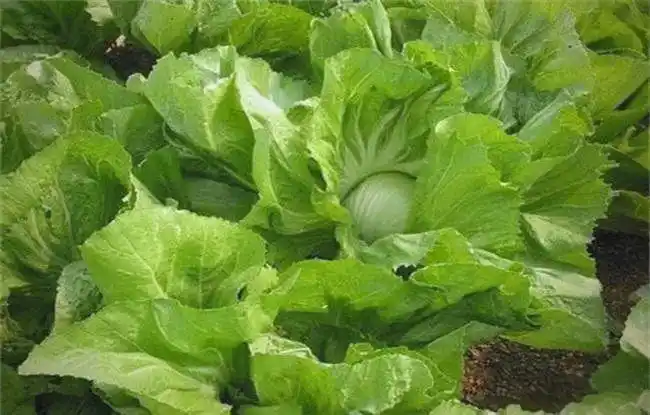
Seed treatment and seedling
Seeds must be treated and sprung before mustarding. Since mustard seeds are usually dormant, sunburning is required to awaken their activity. The seeds are then sprung in three or four degrees and after two to three days they are ready to sow. Mustard seeds need to be tanned and sprouts treated in order to increase their growth rate。
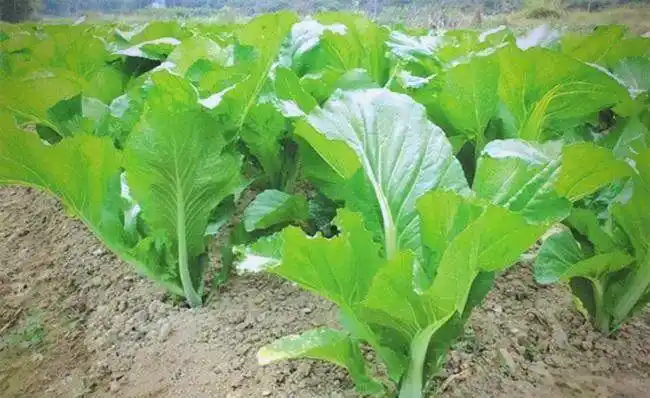
Sowing method
Mustard is mainly sowing and needs to ensure that seeds are distributed evenly and that stripping is used to save later management effort. Typically, the distribution will need to be balanced in order to avoid being washed away by the wind or rain, while also helping the seeds absorb moisture and accelerate the bud. It would, of course, be possible, if conditions permitted, to use the on-line mode, which would save considerable energy for later field management。
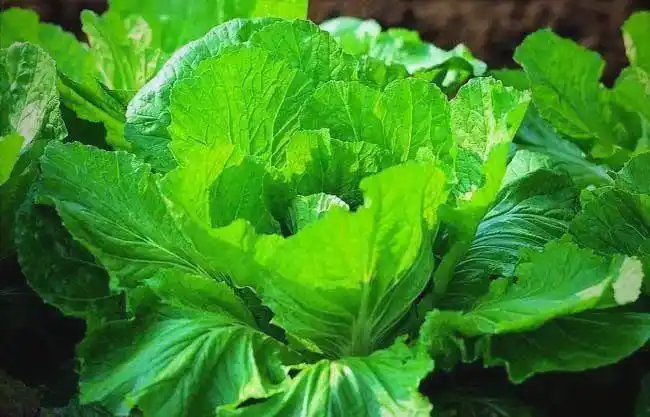
Plantation and density management
Since seed density is not strictly controlled by sowing methods, seedlings and replanting are required after mustard seedlings have grown to a certain degree. At the same time, surplus mustard seedlings can be replanted to ensure a minimum of 40,000 plants per acre. In planting, the principle of 50 to 55 centimetres between rows and 40 to 50 centimetres between stands is usually followed to ensure the healthy growth of mustard. To ensure density of cultivation per acre, rationally adjust range and soil fertility, depending on growth。
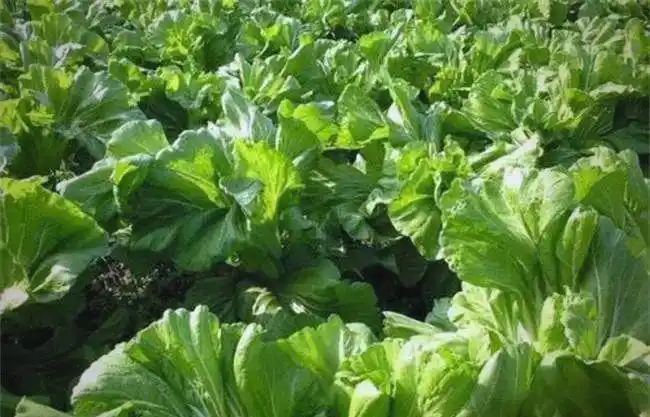
Water and nutrient management
Mustards are wet and wet and require scientific water to maintain soil moisture and rational fertilization according to the stage of growth. Usually, if there is no rainfall after seeding, one or two times water is required to ensure seed rate. Upon seedling, soil moisture should be maintained on a continuous basis, with particular attention to recharge. Ultimately, depending on the level of dry soil in the field, science waters the field with more than 70 per cent moisture, providing an ideal environment for mustard growth。
We need to apply 2,000 pounds of organic and 100 pounds of compound fat as base weight at the whole ground level, according to the standard per acre. After planting, it was followed by the first fat hunt, at which time it was mainly irrigated with nitrogen fertilizer to meet the nutrient demand in the early stages of mustard growth. Since mustard requires a large amount of nutrients throughout its growing life, at least four to five times during its entire growing life is required. Specific fertilization and frequency will require scientific adjustments based on mustard growth。