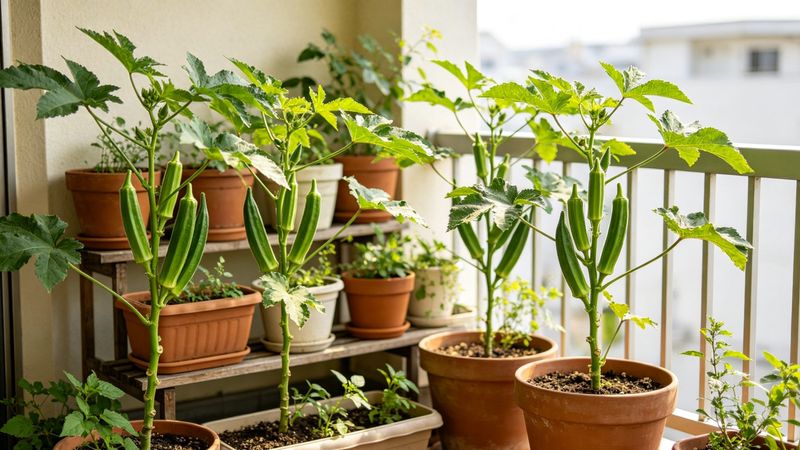
The mustard mustard for leaves does not stand up to the heat, so autumn planting is the main practice in all areas. Since the heat resistance of mustard leaves is less than that of cabbage and ball slurry, it is later than cabbage and ball slurry. The sichuan and yangtze basins generally seeded between late august and early october. Pre-cooked varieties that are heat-resistant and disease-resistant can sow early in august, mid-term and harvest in december and january of the following year; they are weak and late-drying can be delayed appropriately until late september and early october. Veal mustard plantations (e. G. Snow) are available for consumption, seeded in august-october and collected in october-march。
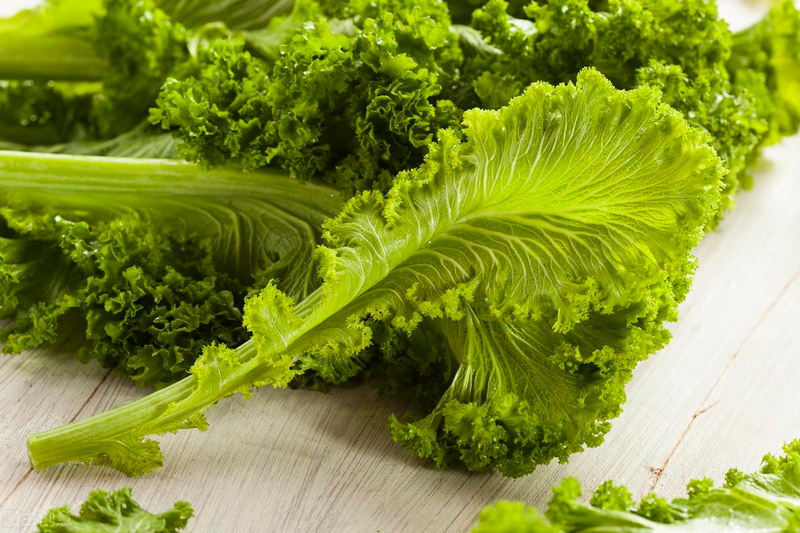
Seeding and breeding
Vegetable mustard is mostly a seed-planted plant, but small plantations, which can be used as a food product, are frequently broadcast live, and in areas with acute viral diseases, to reduce the disease caused by higher temperatures by delayed planting, there is no delay in reducing the length of life caused by the displacement of seedlings. Beds for seedlings are selected on land that does not sow cross-facility vegetables, which is then ploughed out in time for conversion, full exposure and is based on compost, phosphorus fertilizer, grass-wood ash and human and animal urine, so that the soil is loosed and nourished. The base fat is mixed with the soil and the soil is fined as far as possible to form a platinum of 1. 3 metres wide and 0. 15 metres high and to fill the bottom water. Mustard seeds are among the smallest in vegetable seeds and, in order to sow evenly, must be sowed with fine sand or fine earth, which is difficult to sow evenly。
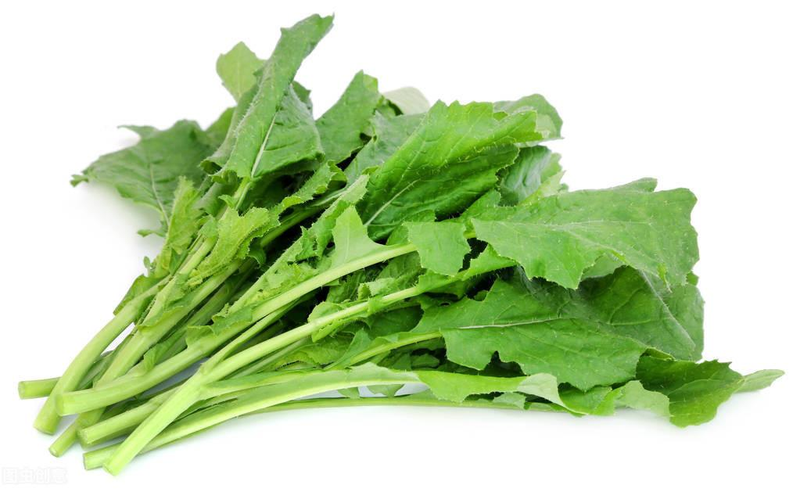
In general, the seeding volume is 0. 5 ~ 0. 75 kg/666 m2 of seedbeds, which can plant 6670 ~1005 m2 in daejeon. Early autumn seeding can be increased as a result of hot weather or showers affecting seedlings and the growth of seedlings, and can be reduced as appropriate by latecasters due to mild weather and high seedling rates. When seeding occurs, the soil is fine, approximately 0. 5 centimetres thick, and early sowing is best wet with herb cover, and rain is avoided to bind the seedbed to the ground, hindering normal seedling production, but the cover is removed as long as it is produced. The first seedling takes place when the first leaf appears, the second seedling takes place when the two to three leaf leaves take place, at a distance of about 15 centimetres, and is followed by light human and animal urine. Another important management of the seed age is the timely prevention of aphids, whose main objective is to reduce the risk of viral diseases. Weeds around production sites are removed in a timely manner and 40 per cent of the fruit is sprayed 2-3 times 1,000 times。
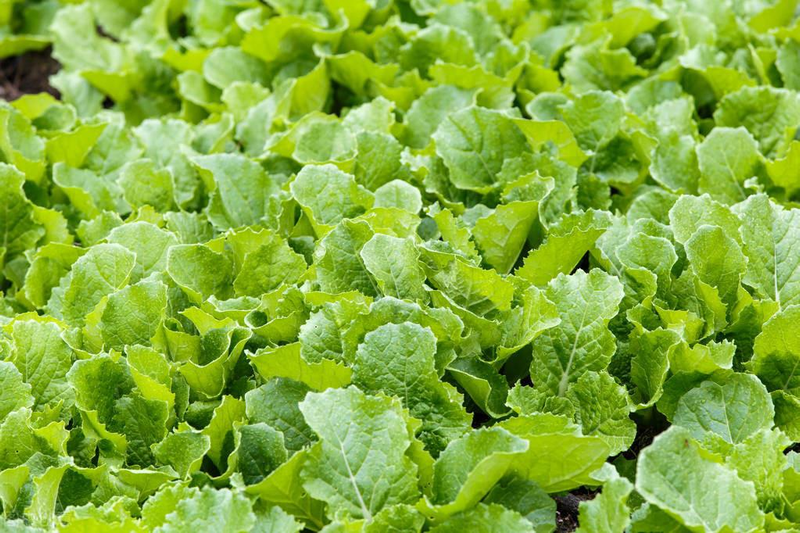
2, landscape and plant
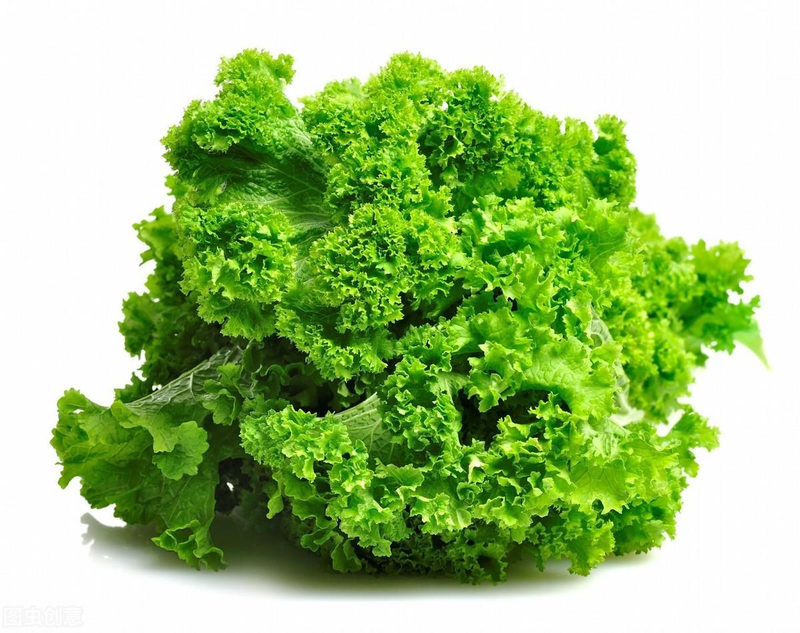
Mustard cultivation, although less demanding for land selection, must be preceded by the cutting of non-crucial vegetables. In sichuan-producing areas, most of the mustard leaves are preceded by maize, sweet potatoes, or ploughing between autumn corn or wheat. Mustard cultivation, although not stringent for soil requirements, has to be based on the choice of fertile, wet land during the high temperature season. The sand and soil are poorly protected, fattening, warm, viral and poorly grown. The range of plant ranges varies from one species to another. The range of the earlier mature species is 33-40 cm and the distance of the smaller plant is 25-33 cm; the range of the medium- and late-literate species is 40-46 cm and the distance of the larger plant is 25-33 cm; and the range of the snowline is 25-33 cm. Plantation should be done in such a way as to avoid the root damage and to water it in a timely manner。
3. Field management
The sichuan and yangtze basins are generally free of water because of the heavy rains in the autumn and winters, but attention is paid to drainage. Since mustard leaves are fed from leaves, mainly to accelerate the growth of nutrients, fertilizer is based on nitrogen fertilizer, but appropriate combinations of phosphorus and potassium fertilizer should also be used to make the plant more robust in order to increase its resistance to disease and increase its yield and quality. In particular, phosphorus and potassium fattening should be applied to leaf mustard, which is mainly a product of fat ribs and leaf handles. In general, 3-4 times of fertilization should be applied in the long term, in addition to 100 ~ 1,500 kg/267 m2 of organic fertilizer application, 20-30 kg of calcium perphosphate and 100-150 kg of grasswood ash. From the beginning of planting to the end of the product's fertilization, two to three times, diluted to thick, requiring 3,500 to 4,000 kg of human and animal urine and 20 to 30 kg of urea. Weeding should be cultivated before fertilization。
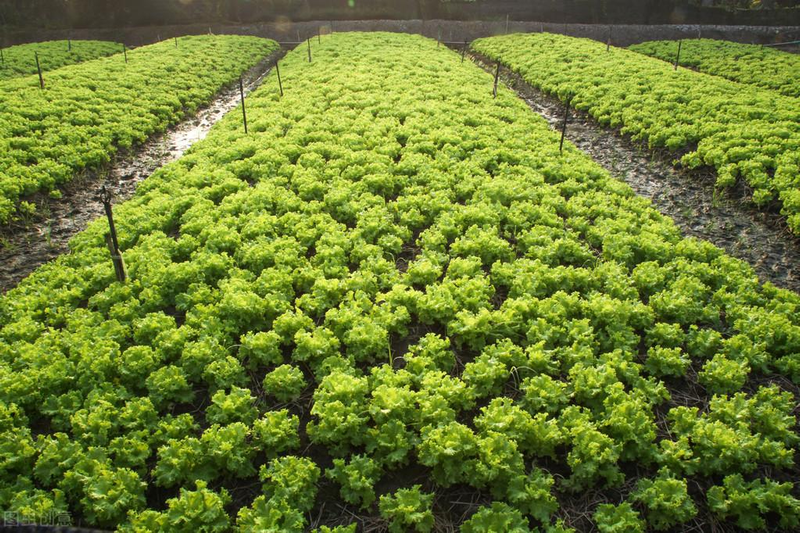
The early autumn mustard plants are growing fast because of high temperatures, and if they are not followed up early, they cause loss of weight. Mustard mustard seeded before and after the white field and re-fertilization should take place in late october and early november. Fertilizers are not suitable for winter in cold areas, otherwise they are prone to freezing, and late-cooked varieties should be fertilized in time for spring heat so as not to draw early graves. Water should be stopped about a week before harvesting in order to avoid excessive water content in the organ of the product, which cannot be stored。
4. Collection
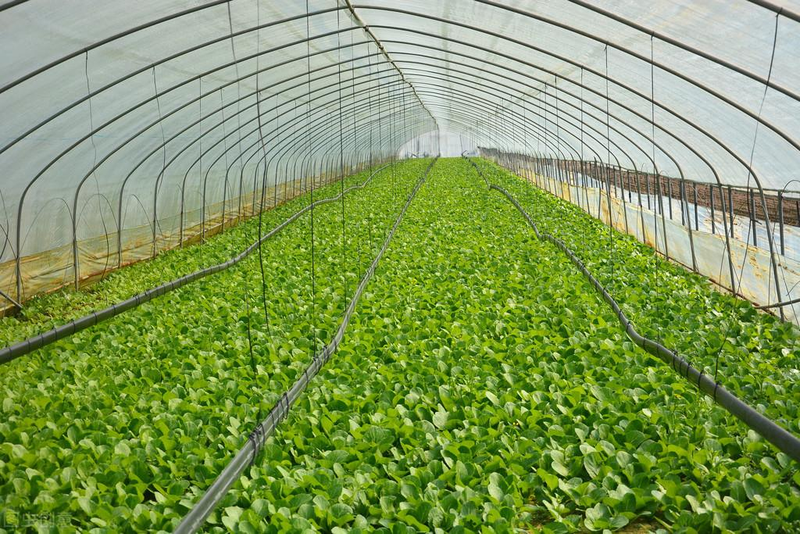
The mustard mustard seeded in the early autumn is generally collected in december and the late harvest in february-april. The harvest period shall be suitable for the requirements of fresh food or processing. Feeding with small plants is collected 30 to 60 days after broadcasting. Feeding with mature products should be harvested after full maturity. The production of mustard leaves varies according to the variety, planting season and demand for products, with 1,500-2000 kg/666 m2 from early autumns, 2000-2500 kg/666 m2 from mid-creeds from autumns and 3,500-5000 kg/666 m2 from late autumns。
Retention
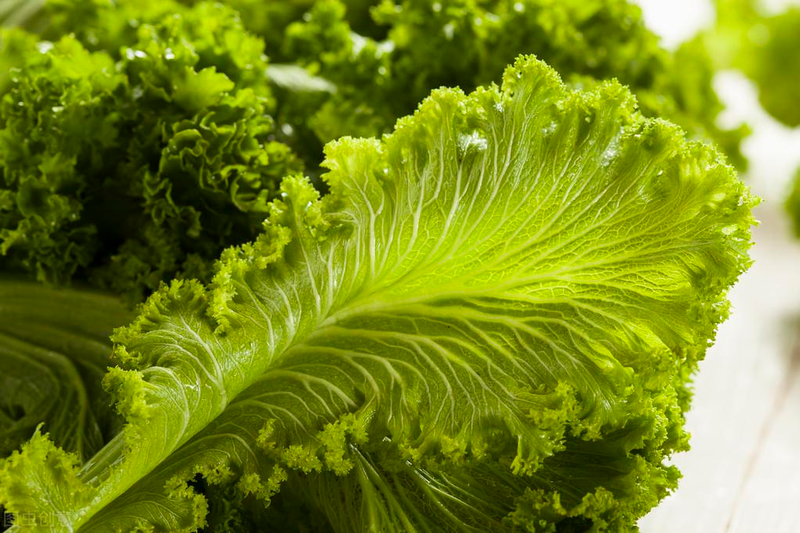
Since the existing varieties of mustard for leaf use are regular, they can be kept on their own as conditions and technology are available. The selection of healthy strains that fit the characteristics of the species when seeding is kept in place, such as those that are overgrowing and can appropriately be removed that affect ventilation in the field. During seedage, water fattening should be minimally applied, entering the terminal season, and using 1 per cent of calcium phosphate to plant a plant, which can improve the quality of seeds, while paying attention to pest control. In general, flowers start in march-april and seeds mature in may. When most of the herd matures, it is dryed and dried, then the seeds are taken off and dry and cold. Seed production was 30-50 kg/666 m2。
Mustard leaves are not easily mixed with cabbage or cabbage, but are easily mixed with mustard varieties (e. G., mustard-crackers, mustard-crumbs, mustard-crumbs, etc.) and with different varieties of mustard-crumbs, so they must be kept in isolation, otherwise the offspring left behind are very diverse, and their growth and planting performance is very poor. The distance of isolation generally reaches more than 1,000 metres and can be reduced appropriately if there are large buildings or rivers between different varieties of fields。