Mustard, a traditional high-yielding leaf crop in our country, has been embraced by many growers with its short growth cycle and easy management. For many newcomers, however, it has been a challenge to grasp the timing of planting accurately, to avoid the problems of pre-sowning, or the thinness of leaves due to late-showing. This paper will provide you with a set of scientific methods for growing mustard。
011. Timing of planting
Selecting the right timing for planting is key to ensuring that mustards grow healthy and avoid scavengerism. The planting time of mustard mustard has a crucial impact on its growth and production. We have developed specific strategies for the cultivation of demand in different regions。
1. 1 precision of temperature and light
Mustard is a low-temperature sensitive crop that needs to grow to avoid adverse temperature changes to avoid flowering. When the temperature in the early spring is below 12°c, it is easy to trigger flowering through the springing phase. Therefore, we need to choose the right timing for seeding, depending on temperature changes in different regions. In the north, the suitable planting window lasted from mid-march to early april, during which the average daily temperature was above 15°c. The yangtze basin, for its part, has the option of planting between late september and mid-october, avoiding 60 days of life before the frost. In the south china region, the winter warmth allowed the option to sow between october and february of the following year, at the wrong peak. At the same time, light is an important factor in the growth of mustard, which can be enhanced by sufficient sunlight。
1. 2 potential threat of late transmission
Late seeding leads to chronic insufficiency, which in turn affects the quality of their growth. Specifically, leaves will become weak and fibre content will increase, while the incidence of frosts will increase significantly to over 30 per cent. In order to deal with this problem, the following remedial measures can be taken: first, the selection of pre-established mustard varieties for cultivation, such as “fast chicken heart mustard”; and, second, the use of foliage to spray 0. 2% potassium phosphate to promote the healthy growth of mustard。
Land block preparation
The preparation of plots is essential before mustard is grown. Through rational land selection and preparation, it can provide a good basis for the growth of mustard, thereby ensuring its high quality。
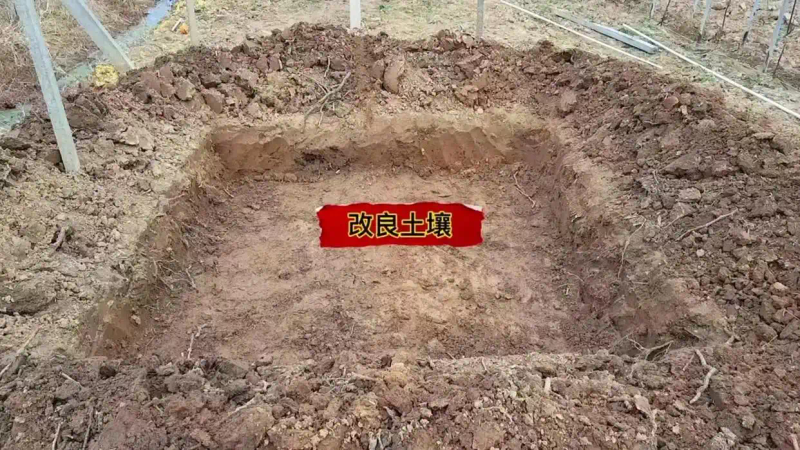
2. 1 key steps for soil improvement
During the 10 days preceding the planting, 25 centimetres of soil were tilled and 50 kilograms of raw lime were distributed per acre for disinfection. (c) producing luminium with a width of 1. 2 m and an altitude of 15 cm while ensuring that the ditch is 30 cm wide to facilitate drainage. The application of decomposed goat dung and perphosphate to improve soil structure and nutrient supply。
2. 2 key techniques for seed processing
Seeds need to be soaked in warm water at 55°c for about 15 minutes, so that 90% of the bacteria can be effectively eliminated. Using low-temperature sprouts, the immersed seeds are wrapped in wet gauze and placed in an environment of 15°c for seeding, which can be sowed as soon as the seeds become white。
Seeding techniques
Cultivation is a key part of the process, which directly affects the growth and production of subsequent crops. It is therefore essential to have the right seeding techniques. Before seeding, there is a need to ensure that the soil is suitable, the seeds are full and the right timing is chosen。
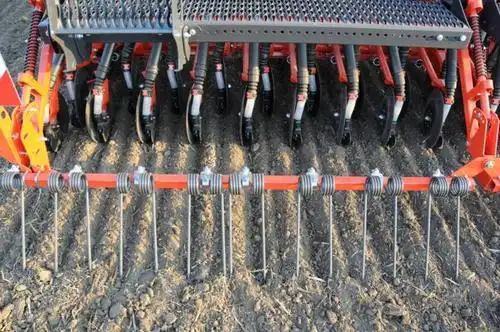
3. 1 practical operational elements of stripping
The depth of the gap, usually between 1. 5 and 2 cm, with a 20 cm line distance, needs to be maintained in the implementation of the broadcast. Ensure that the seeds are distributed evenly and integrated with the soil and that moisture is maintained with covered straw。
3. 2 finely managed seedling transfer programmes
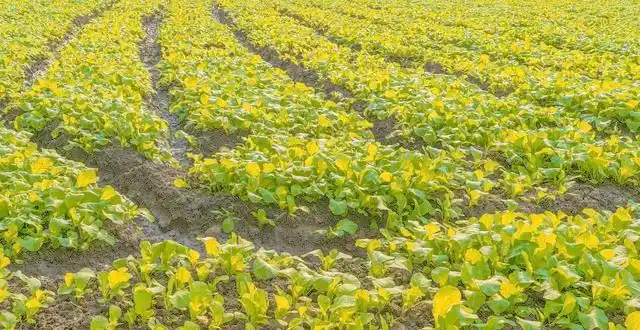
Vacation seedlings are used, 72 holes are selected and the matrix is configured at a ratio of 3:1 for grass-grass and neptunite. When the seedling grows to four to five leafs, it can be ground-drived, and the range at the time of planting should be around 15 cm to ensure ventilation。
Field management strategy
Scientific field management is particularly important after planting. Sound regulation can promote healthy crop growth and lay the foundation for harvest。
4. 1 integrated fertilizer management
The application of different fertilizers during seedlings, limons and ball seasons is combined with irrigation management to meet growth needs. For example, urea and algae are applied during seedlings, balanced water soluble during lotus, high potassium fertilizer during ball-breaks, improved yields and quality through scientific fertilization and rational irrigation。
4. 2 green controls
In response to different diseases, we have adopted the following green controls: frost can be combated with bacterium sprouts; soft scavengers can be removed as soon as they are found and grass ash is applied to the acre; aphids are lured with yellow viscos and treated with spray. These measures have been effective in reducing the use of chemical pesticides while controlling disease。
Collection and processing
On the basis of the implementation of green controls, we have further optimized the harvest and processing chain with a view to achieving both economic and social benefits。
5. 1 establishment of best harvest standards
The timing of harvests is determined on the basis of height, single weight and tight foliage to ensure the quality and production of vegetables. Specifically, the harvest standard for dispersed vegetables is 25 to 30 cm high, while condensed vegetables require 80 per cent foliage。
5. 2 process value added recommendations
The salting of snow and the making of prunes can significantly increase market value and economic efficiency. This is done by fermenting the layer by adding salt to the vegetable weight of 15 per cent. Pencreas are made through three-scrambled craft at a wholesale price of $12 per pound。