In recent years, the price of the cherry market has continued to rise, with significant economic benefits, leading to growing cultivation. However, many farmers, after planting, are faced with the problem of the age and uneven growth of new plantations because of inadequate management techniques, which make it difficult for young trees to grow into gardens, early fruits and productive production. In order to contribute to the early fruit production of sweet cherries, this paper provides a detailed summary of the management techniques of the year in which sweet cherries have been planted in recent years, with a view to providing useful references for growers。
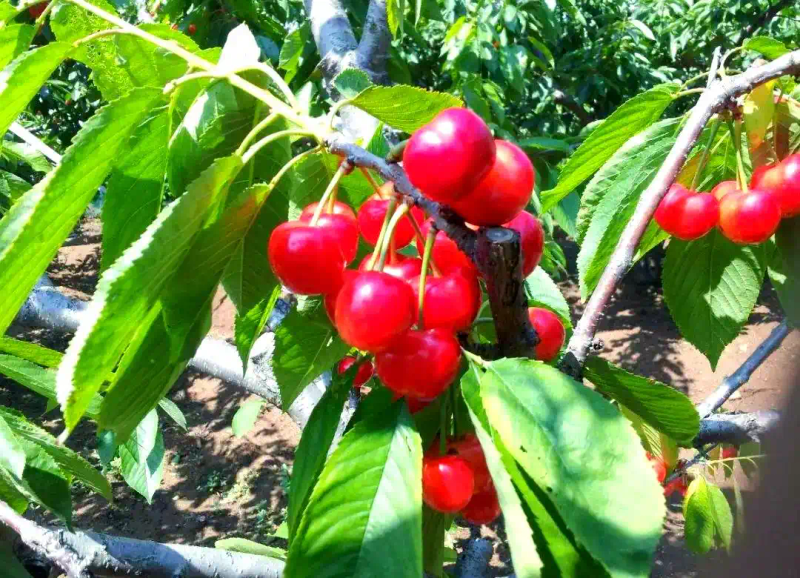
Summary of technology for sweet cherry cultivation
Plantation and management
And when it comes to drying and bag protection
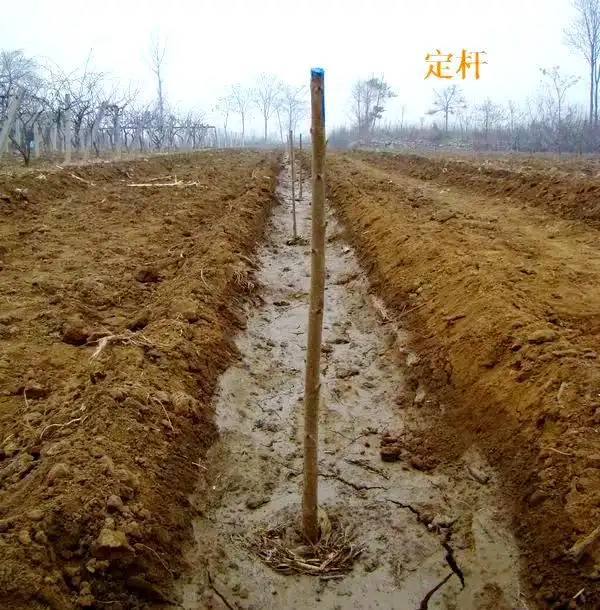
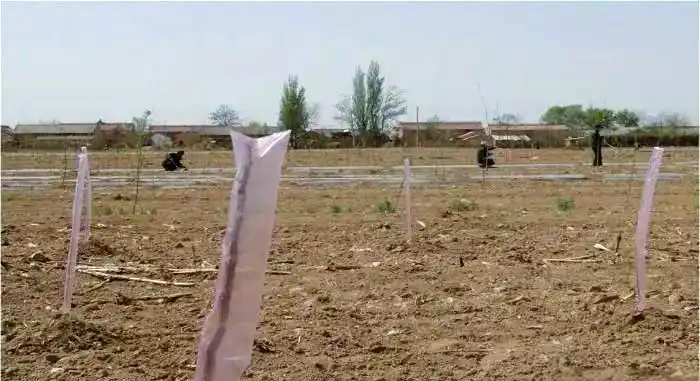
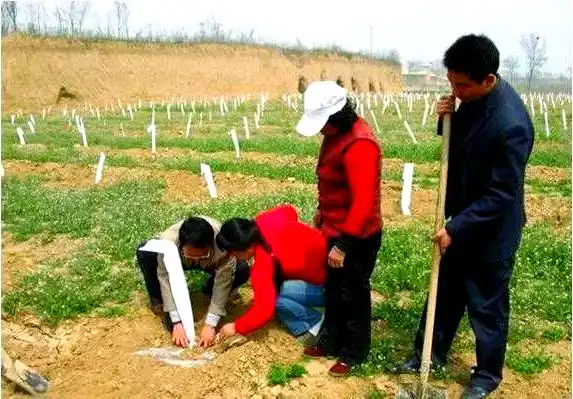
Sweet cherries are subject to the principles of “spring, fall and fall”. Sweet cherry drying needs to be based on specific principles and promote warmer, wetting and insect protection through bag protection to ensure healthy growth of the larvae. In mountainous slopes or gardens with poor water fattening conditions, 80 to 100 centimetres are suitable for drying; in parks with high water fattening conditions and flat terrain, the fixed height is set at 100 to 120 centimetres. At the time of drying, the cut should be 2 cm from the lead sprouts in order to avoid sprouts caused by wind drying. At the same time, in order to protect the cut, plastic film may be used for packaging or for painting, cutting, vaseline, etc. The whole belt is in the range of 30 to 40 cm below the cut, where the 2nd and 3rd sprouts under the clip are to be removed and the 4th to 6th staggers staggered from different directions are to be removed to facilitate the development of the main branch. Upon completion of the drying, the trunk shall be fitted with a plastic membrane cap and ensure that the lower end is buried in the soil and that the top pocket is bound to achieve warmer, wetting and insect insulation. Following the sprouting of leaves, the membrane vents need to be ventilated for two to three days and gradually removed from the membrane bags。
Post-embroid inspection and replanting
After the spring chrysanthemum, a live examination and a spare plant are carried out in time to ensure that the trees are fully grown. A living examination should be conducted immediately. In the event of a shortage of plants, dead or sick, healthy seedlings should be selected and replanted in a timely manner from the pre-established artificial seedlings in order to ensure the synchronized growth of the plantation trees and to maintain the landscape, thus simplifying management and promoting early productivity。
Rationality and water management
Fair play
After planting the trees, short and shallow crops such as green fats, soybeans, potatoes, peppers and watermelons may be selected. The planting of short-straw crops in the rows avoids planting between crops requiring water fattening to ensure that young trees have sufficient space and nutrients. This makes full use of space without disrupting the growth of the larvae. Crops requiring high water fertilization and condensation, such as maize, sunflower, wheat and oilseeds, should be avoided to ensure that young trees receive sufficient moisture and nutrients. In addition, in order to maintain ventilation and provide adequate nutrition, there should be no alternative cropping between plants and a minimum of 1. 5 metres of ventilated nutrient belts should be set aside。
Ensure adequate watering
The planting of trees requires adequate water and tree cover to cope with drought and wind weather and to ensure the water and nutrient supply of the roots. There is a need for immediate water supply with sufficient water, both static and regenerative. Water scarcity is high owing to the frequent occurrence of drought and wind in the spring of the skywater region, the low rainfall in the early summer and the relatively shallow roots of the trees. In order to ensure the productive and healthy growth of the trees, we must supplement the water in a timely manner and take measures to cover the trees, such as grass or membranes, after watering them. This not only prevents the growth of weeds, but also increases the temperature of the ground, preserves soil moisture and, in turn, increases the productivity and growth of trees。
Canopy and branch management
Erase the bud
The seedlings are immediately removed from the buds of the plastic belt in order to concentrate on the main branches and roots. The following embryos should be removed immediately and the roots cut off。
Weed cultivation in china
Weeds also grow rapidly in the long term in the larvae. Especially in july, when the rains were high, weeds were removed in a timely manner, soil aerobics were maintained and a healthy growing environment was provided for young trees. The larvae are easily covered by weeds, which requires the timely removal of the plastic membranes on the weeds and on the plate and the use of shallow soil。
Strengthening fertilizer management
When trees grow up to 15 centimetres long, the underground roots are grown in large quantities, and the new trees accelerate growth. In order to meet their nutritional needs, fertilize in combination with rainfall, in line with the long-term nutrient demand of new seedlings, and improve the nutritional level of tree bodies when appropriate. Fertilisation needs to be combined with rainfall or water. Every urea can be followed from 100 to 200 grams, every 20 days and twice to three times. At the same time, external fattening can take place five to seven times throughout the growing season。
Cardiac gain
Using the early ripening properties of sweet cherry buds, irritating secondary branches through heart-taking, thereby increasing the number of sweet cherry branches and promoting the production of early fruit. When the branch of the main is set aside to grow about 60 centimeters, the front end of the branch shall be taken from 15 to 20 centimeters, and the second branch of the branch shall be removed from it when it is extended to 60 centimeters。
Hang on, pull up
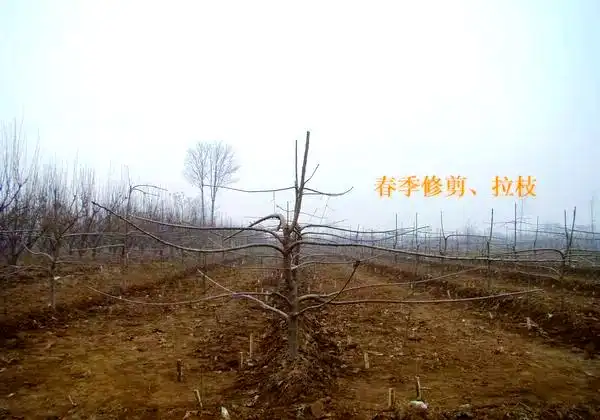
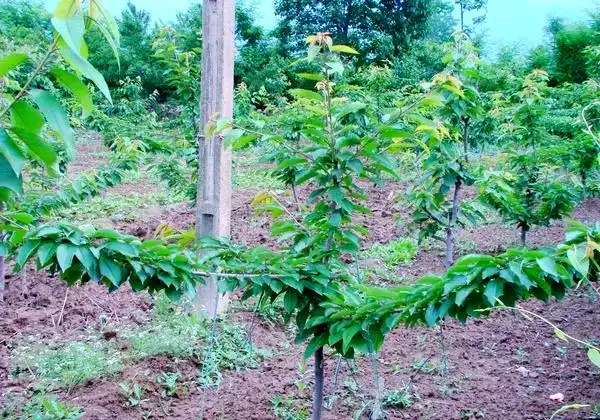
In order to achieve the goal of adjusting the main branch's angle, optimizing its layout, preventing fragmentation and promoting the production of early fruit, the layout of the branch is adjusted by means of stifling and pulling techniques to prevent fragmentation and to facilitate the formation of the outcome branches. When the main branch grows up to about 30 centimeters, it is lightly supported by sharp toothpicks or horns to open the angle of the main branch. From mid-september onwards, a single end of the ground was secured using tools such as long strips, liners or stretchers。
Controls the boom
When new branches grow, if too many branches are set aside, which leads to new ones, we control new growth, regulate the growth and ensure a balanced growth by removing and twisting. Removal measures can be taken. In addition, when the topsoil reaches semi-woody, the position of the three to four leaves in the base is rotated 90 degrees lightly。
Pest control
Comprehensive strengthening of prevention and treatment of pests and diseases
As the new leaves and buds develop, they may face the threat of gnashing from black thaws, which may lead to balding. (c) closely monitor pests and take timely artificial or pharmaceutical methods to combat them and ensure the healthy growth of sweet cherry. In the afternoon and afternoon hours, we need to pay close attention to the fact that, when pests are found, they should be killed by manual capture or spraying。
During the period between the growth of the new roof and the fall of the leaves, 65 per cent of the dysentery manganese zinc humid powder 500 times the fluid, 75 per cent of the bacteria 600 times the liquid, etc. Have been selected to combat cherry brown spots, bacterial perforation, etc., and attention has also been paid to the prevention of pests such as sumatra, pears, larvae, red spiders, etc. Two to three sprayings were carried out throughout the year to effectively control the outbreak of these major pests。