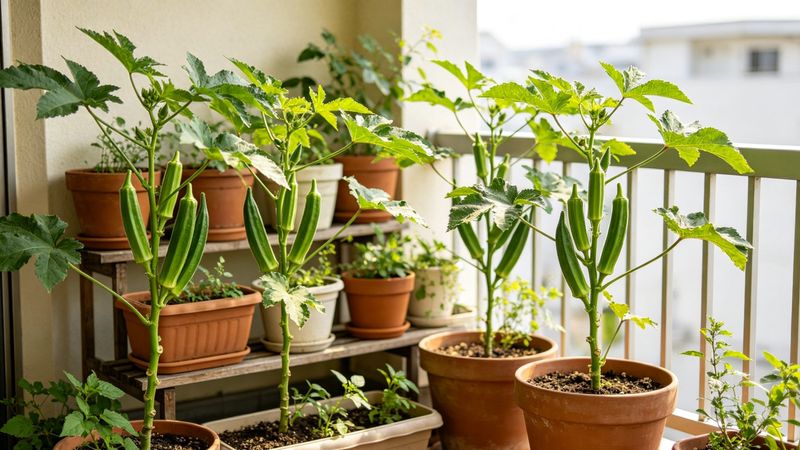
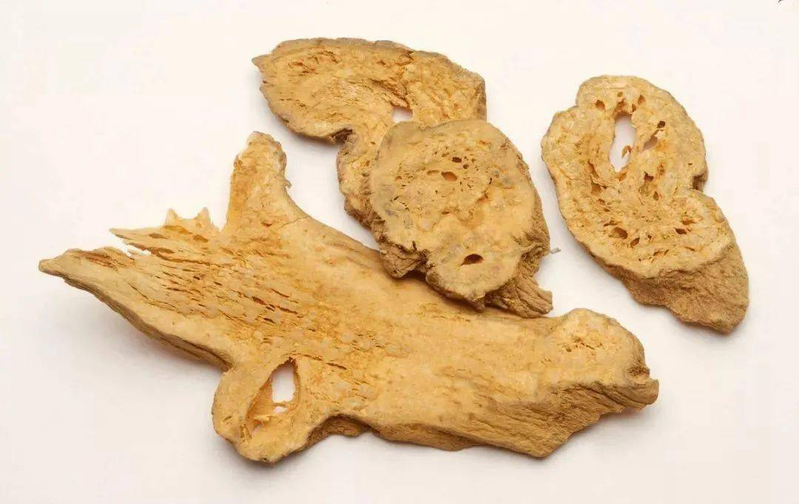
White art is the dry root of white art in the pyrethroids, known as art, zach, winter, etc. More than 20 provinces, including zhejiang, jiangsu, jiangxi, henan, anhui, sichuan, hunan, henan and fujian, are cultivated. Economically efficient, traditionally for pharmacist friends. Today, the young editor will give a brief introduction to the techniques used in the management of high-yield white crops。
High production management techniques for white arts
I. Fertilizing the whole area
The breeding grounds should select a micro-acid sandy sandy soil with medium fertility, good drainage and cool ventilation, 667 square metres of farmer weight of 2,000 kg, deep tillage, raking and finening, with a width of 1. 2 metres. Oda has chosen the fertile, ventilated, cool, well drained sandy soil that has not grown white for five years. Formerly based on a herbal crop, after the harvest, 667 square metres of farmers were fed 3,000 kg of fertilizer, with 50 kg of calcium perphosphate applied to base fattening and 20 cm deep to form 1-1. 5 m thium。
Ii. Methodology
Reproduction with seeds. The main method of production is seedling transfer。
(1) cultivation: from late march to early april, new seed seed-filled, pest-free species were selected to extract seed seed seed after a day in the hot water at 30°c. Scatter or sow. Before seeding, the broadcasters open a ditch at a distance of 15 centimetres, deep in a ditch of 4-6 centimetres, pouring water in the ditch, sowing seeds in the ditch, covering the ground, slightly repressing it, covering the herb to keep it warm and wet, and then pouring water once. Five to seven kilograms per 667 square metres. After 7 to 10 days of seedlings, the seedlings were removed and field management strengthened. By winter, 667 square metres will produce 400-600 kg of fresh plant。
(2) deplantation: a transplant is available from winter to spring of the following year. When the leaves were not drawn, the lord was strong, small and neat, and the almonds were the best. The plant is removed from the stubble, and a ten centimetre-deep ditch is opened at 25 centimetres by line, and the seedling is placed in the gutter at about 15 centimetres, with the tip of the tooth pointed up and even to the ground. A little repression on both sides was planted, and water was poured. In general, 667 square metres require 50-60 kg of white art。
Iii. Field management
(1) management of the planting grounds: the seedlings are to be weeded in a timely manner and at a distance of 4-6 cm. If the weather is dry, weeding can be done between plants to reduce water evaporation. In areas where conditions exist, it is possible to water and combat drought sooner or later. In the event of the discovery of a siphon at a later stage of growth, it shall be removed in a timely manner。
(2) daejeon management
1 weed cultivation in china: till may there were many weeds out of the fields, and weed cultivation in china was a lot of work, with the first few times being deeper, and the following must be shallow. After mid-may, the plant enters a boom and is generally no longer cultivated, with weeds that can be removed by hand。
2 fertilizers: once before and after the drop-off, 667 square metres of urea 20 kg of urea and 30 kg of compound fertilisation can be applied in the intercourse ditch, followed by dust and water. A week after the pick-up, you can get fat once。
Drainage: during white age growth, there is a need for sufficient moisture, especially during the expansion of the root, and in the event of drought, for timely irrigation. If water is accumulated after rain, it should be drained in a timely manner。
4 graffiti: the plant began to grow in mid-june and is usually removed in stages between mid-july and the beginning of the season. Gravity can help to improve the productivity and quality of white root. It should be noted that field operations such as weeding, fertilizing and leeching should take place after dew drying。
5 grasses: during the high-temperature season in july, a layer of leaves, ravioli, etc. Can be spread over the surface to regulate the temperature and make white arts more safe。
(3) insects and pests: most common are adhesive diseases, folate disease, leopard disease (roost rotting), root decomposition disease, rusty disease, seed worms, fungi nuclei, leaf disease, sticky worms, aphids, root worms, small tigers, southern silks, etc。
Iv. Pest management
White and white disease is more prevalent, with several common。
(1) low-temperature, high-moisture hairs, most of which occur on the ground and are harmful to the roots. Method of prevention: reduction of field humidity; 1,000 times more water from more than 50% fungus at the beginning of the disease。
(2) iron leaf disease is also referred to as leaf deadness. It started in april and was particularly heavy in june-august, when it was harmful. Method of prevention: clean-up of strains; initial use of 1:1 :100 bordol and later use of 50% of tobzin or polybacterial fumes by 1,000 times。
(3) platinum disease, also known as root rotor disease. It's just the same for the root. Prevention and treatment methods: rotation with grass-roots crops; cleaning of disease strains and disinfecting of pits with raw lime; soil disinfection with hatz mold before planting。
(4) the disease is also known as the disease. The onset of the disease is the same as in the case of heavy humidity, which is the root cause. Prevention and treatment methods: selection of resistant varieties; rotation with a herbal crop, or with a water dry crop; preplanting of more than 50 per cent of the fungus 1,000 times impregnated 5-10 minutes; early onset of the disease with more than 50 per cent of the fungus or 50 per cent of the methyl tobzin l000 times less irrigated area. In areas where underground pests are highly hazardous, it is possible to water l000-1500 times liquid loaf or 800 times liquid trichlorfon。
(5) rusty disease began in may, as a bad leaf. Methods of prevention and treatment: cleaning of fields; 1,000 times liquid spray of 25 per cent rusty lint at the beginning of the disease。
(6) seed insects begin to bloom in the early stages and are harmful to seeds. The method of prevention, deep-frozen thaws; water and dry wheels; 80 per cent of the diarrhea spray at the beginning of the flowering period。
In addition, diseases such as bacterium nuclei, foliasis, aphids, root nematodes, southern lobes, small tigers, etc。
Collection and processing
In late october and mid-november, the white arts leaf was harvested at a time when it began to die. When harvests, dig out the roots, cut out the straw, and take it back for processing. When drying, the initial fire can be measured at 90-100°c, cooling up to 60-70°c, flipping up and down for 2-3 hours, drying out a stifling pile of “sweating” for 7-10 days, then drying it up to the full length, and removing the muscular and stabbing. The product is better served by a large meaty, high-footed, non-root, solid, yellow-white and fragrance. In general, 667 square metres of dry cargo is 300-400 kg, representing a 30 per cent drying rate。