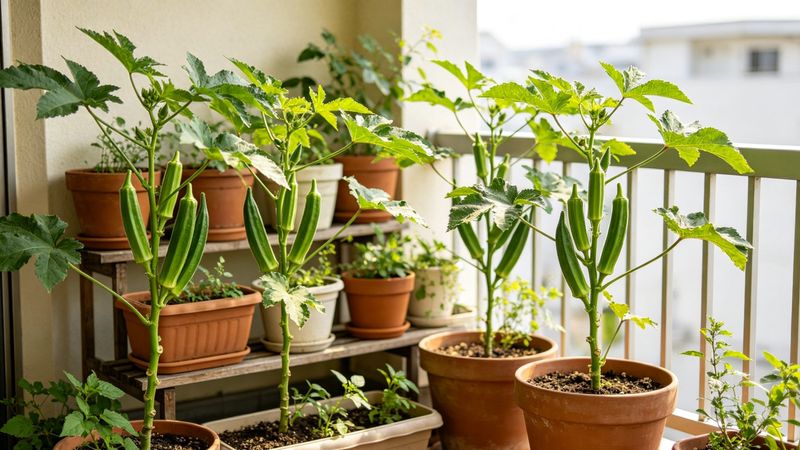
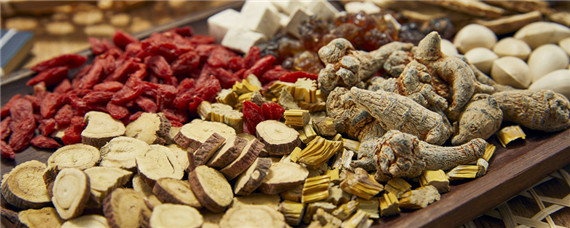
Vegetable is a plant whose roots are medicinal and can be used to treat rheumatism. Today we have a brief understanding of the growing techniques of the grass。
Plantation techniques
I. Election of the land
The grass is a root crop, which selects sandy soils with deep earthy layers, estranged and fertile soil, easy water sources, and capable of discharge. Half-way shaded hill slope or half-coloured wetland block. Potatoes and oilseeds can be used as front crops, after which the soil should be ploughed in a timely manner so that the soil is fully fertilized and fertility can be increased and pests and pests can be reduced; before seeding or planting, the soil can be ploughed twice, combined with a one-time application of base fattening, the removal of weeds, the subsequent break-up of large pieces of soil, the soil will be sufficiently fine and loose, the soil will be ploughed up, with a width of 1. 2-1. 5 m and a height of 12-20 cm, and usually the plume and slopes will move best to the north-south vertically, with a ditch of 30-40 cm between the two plumes to facilitate management and drainage needs。
Ii. Cultivation methods
1. Live feed of seeds: the chosen land will be dredged to a sapling bed; it will be spread at a line distance of 40 centimetres, 500-700 g per acre, with seeds mixed with 200 kg of sand, 0. 3 kg of sand mixed per square metre, with a cover of 0. 5-0. 7 centimetres, and lastly with grass。
The whole root seeding method is: the whole root seeding of a strong, insect-free, sex-typical plant is selected. The individual root seeding is suitable for 2-3g, with 50-70kg seeding per acre; 50% of the fungus is impregnated for 10 minutes with more than 200 times the fluid before planting, and drying up the next seed. It is always spread through ditches, each acre of which is applied to the fatty of a decompressed farmer, followed by a shallow beak, which is then integrated into the soil, then covered with a layer of 2-3 centimetres of fine soil, which is then watered in time。
3. Root sprouts: after digging, using disinfected blades, gushing 2-3 cm above the top root of the larger grass, cutting off the right and right for seeding, screeching on the mouth with a microbicide surface, drying the surface and planting the lower part of the root to be removed for commodity processing; the soil surface after seeding must be covered with shades, such as straw and pine leaves, and before seeding, it must be ensured that it is suddenly wet and that the sun burns when it comes。
Iii. Deplanting
The 15-20 days of seedling production require the application of thin nitrogen fertilizer to increase the growth rate and resistance of the seedling, gradually removing the ground cover, following the application of fertilizer at regular intervals when the seeding is complete, with a small number of applications; when the seedling is 4-5 cm high, leaves 5-7 pieces of leaf, leaves are green, roots are green and roots are two to three, normally during the planting period are cold to frost, with the possibility of a particle transfer and storage in a cool room until mid-december; and when planting is carried out, it should be grown by large, medium and small classes。
Iv. Field management
1. Irrigation and drainage: the grass is dry and watery, with different water requirements for different seasons and gestation periods; when seedlings are produced, the soil is wet throughout the whole reproductive period, and overdry or overwetage leads to poor growth. In summer, attention should be paid to drainage。
2. Fertilizers: since the main harvest of grassland is the roots, timely and adequate fatting is particularly important for the growth and development of grassland, which is generally followed two to three times during the whole reproductive period, depending on the condition of the seedling, which, if small or weak, can increase nitrogen fertilizer as appropriate, and which is dominated by the application of phosphorus potassium fertilizer。
3- chinese tillage: chinese tillage is carried out using deep tillage and later shallow tillage, depending on the growth of the grass roots。
4. Built earth: the grass is a vine-shaped plant, which must be mounted to promote the growth of unsettled roots in order to produce more
5 ceiling: in order to curb the growth of the grasslands, in addition to the planting of seeds, capping should be carried out to concentrate nutrients on the growth of the roots of the subsurface to increase production
V. Pest management
Diseases include, inter alia, frost, powder and root diseases, while pests are mainly tigers; the choice of medicines should ensure that the raw materials produced are not contaminated and pesticide residues are within a very safe range。
Collection and processing
Seed harvesting: harvests in september-november when the fruit is black and brown without opening its mouth, then drys the shell in the sun after harvest, slams it in a plastic bag, so that the seed can break the shell, remove impurities and store it in a cold dry place。
(b) root harvesting: usually in late november-early december, when the ground is partially decayed, the extraction will affect its yield and quality if the root sprouts; by digging a 30-cm ditch on one side of the ground with a hoe, then digging in sequence, digging up large goods for sale, small for seeding purposes; and by taking care not to cause injury to roots when digging, digging out leaves and mud, then digging out of leaves and mud, removing parts of the water from the ground, taking them back when they are tanned, using water to immerse the soil on the surface, and then handing them over on the mackerel。
Growing grass will require some patience, and interested friends can consult experienced people before thinking about it。