High-quality high-yield pastures — techniques for the cultivation of pine herbs
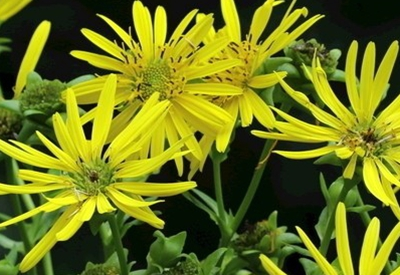
Leaf flavour, fragrance. Born in north america and canada. It was introduced from the dprk in 1979. We introduced 30 acres into the village in 1989, with high yields, high nutritional value, cold, drought-resistant, disease-resistant age, easy reproduction and sorghum, a valuable feed crop。
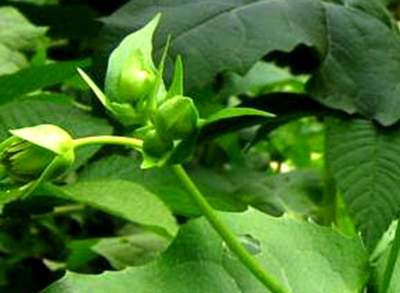
Leaf pine vanilla is a home to herbivores for many years. It is called pine herbs because it is connected to the base of the leaf-bearing blade, and it flows from the middle of the leaf. The year in which the pine herbs were grown was in the form of a leaf-leaved bed, with no stubs, a circle of large, thick, horizontal and multi-secticular roots。
The fragrance of pine herbs, warm and wet, is a warm, winter-born plant, whether in spring or autumn, which forms only a lore-like leaf in the year, after which it is squirted, flowering and solid. It is high-temperature and can grow normally at 40°c in the summer. It is also extremely cold-tolerant, with no freezing under winter-29°c. It's fertile, acid-resistant, salt-resistant. It also grows well on acid red borders, sand and clay. It is cold, it is not cold in winter, it is dry on the ground and it doesn't freeze. The pine herbs are highly regenerative and resistant to gushing。
The production of pine herbs and coarse proteins is high and adaptable, with the cultivation of 1,000 to 3,000 kg of acreage in the year, and the production of good water fertilizers in the next year can reach 1 to 15,000 kg. Fresh grass can be fed to cattle, sheep, rabbits, and hogs and poultry can be bred in green; dried grass powder can be made to feed. The fragrance of pine herbs is characterized by special fragrances, with a variety of livestock, poultry and fish, which, after a relatively short period of feeding habits, are of good taste and have the desired weighting effect. The roots of pine herbs and the platinum in the troughs are higher and the bioalkali content is higher in the roots and flowers. A high level of pine herb feeding can cause accumulation of poison to pigs。
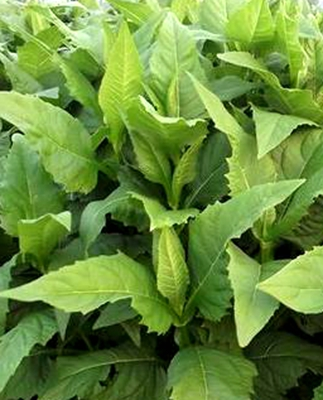
The nutritional value of pine herbs is high. Tube leaves contain abundant proteins, fats, carrots, phosphorus, potassium, calcium, sugar, amino acids, the most important of which are as high as 5. 66% lysine. The volume of protein produced per unit area of pine herbs exceeds that of maize, thorium, trifle, etc. The digestive rate of the main nutrients of pine herbs is 83 per cent and can be used as feed for pigs, cattle, sheep, rabbits, fish, etc. The pine herbs have a longer flower season, and they're good nectar plants。
Plantation techniques for pine herbs
1. The preparation of the fields of cultivation, with pine herbs, like the sun, fertile, wet and deep soil. The whole site requires foot-floor fattening, 2,000-2500 kg of rotting organic fat per acre, ploughing, dredgeing and draining。
Seeding can be done at spring and autumn festivals, where seeding occurs at intervals of 30 to 45 cm. It's 70-80 centimetres to leave the field。
3. The methods of reproduction, the fragrance of cedars and sexual reproduction. Sexual reproduction techniques reproduce by seed, sowing between three and four grains per den, with shallow cover of soil, with a crop yield of about 0. 3 kg per acre. Non-sexual reproduction techniques are distributed, usually by digging up the old gills in the middle of march or in the middle of april-october, cutting each bud apart with a knife, planting it in the field, often humid, and achieving 100 per cent survival。
4. Field management, with slow growth in the first year following the seeding of pine herbs, makes it easier to grow weeds during the seeding period, so that weeds are ploughed in time, weeds are sprouted and do not cause damage to the indeterminate sprouts and sprouts of roots. It is better to practice organic fertilisation with one mid-cropping each year before onset and after harvest, combined with fertilization。
5 harvest, which can be harvested in mid-april when the plant is 50 cm high, leaves 10 to 15 cm in the harvest, feeds on the harvest, and fermented to feed the child with other crops。
6. Retention, which can be harvested once in mid-april, with an altitude of about 40 centimetres, is followed by harvesting in the morning when the seed becomes black and spreads out to level. The tan of the back leaves can still be used as feed。
What problems do friends of livestock-raising have in their production practice, and what problems do we have to ask? More and more practical farming, feed production and planting technologies, please focus on the three farmers, as we speak。