


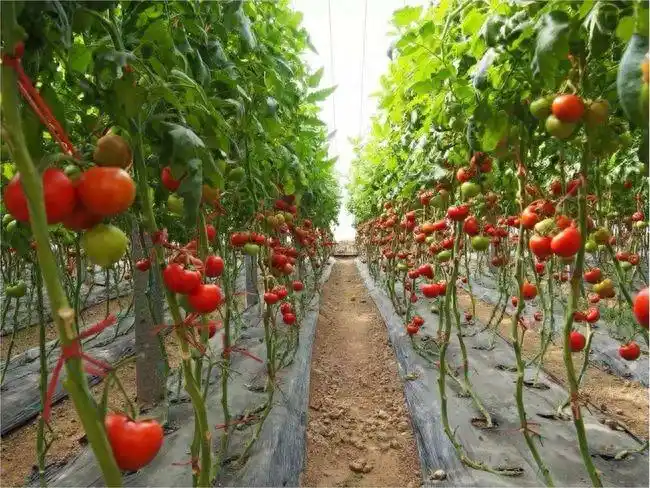
Potatoes are well nourished and sold at high prices, and the use of facilities for greenhouse cultivation is a better way for farmers to reap the benefits of the growing industry。
1. Choice of varieties
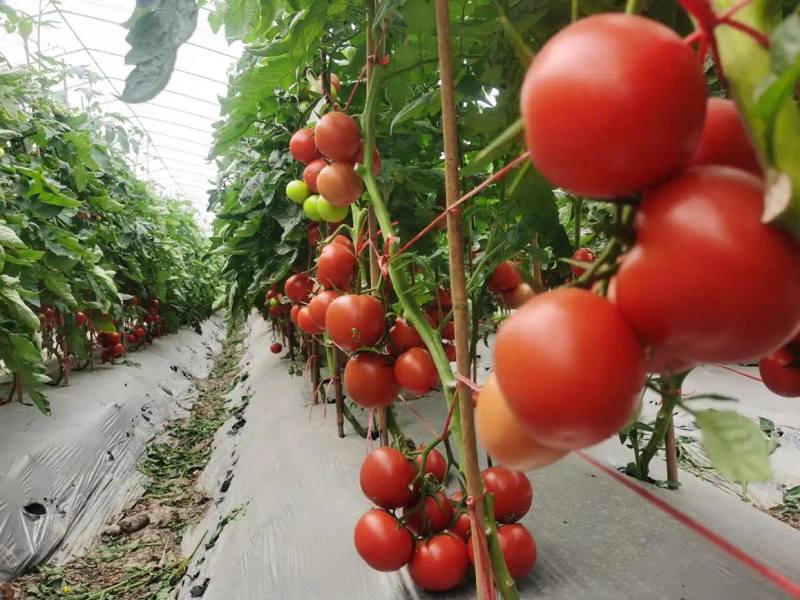
The use of solar greenhouses to plant tomatoes in the autumn and winters requires the selection of good varieties with strong cold tolerance, strong growth, sustainable storage, high resistance to folic disease, grey disease and viral disease, and the selection of medium- and very sophisticated varieties of unlimited growth, such as agropoly 3; israeli r-44; crown number 1; gold sheds 1, 3, 8, 10。
2. Cultivating seedlings
2. 1 seed treatment
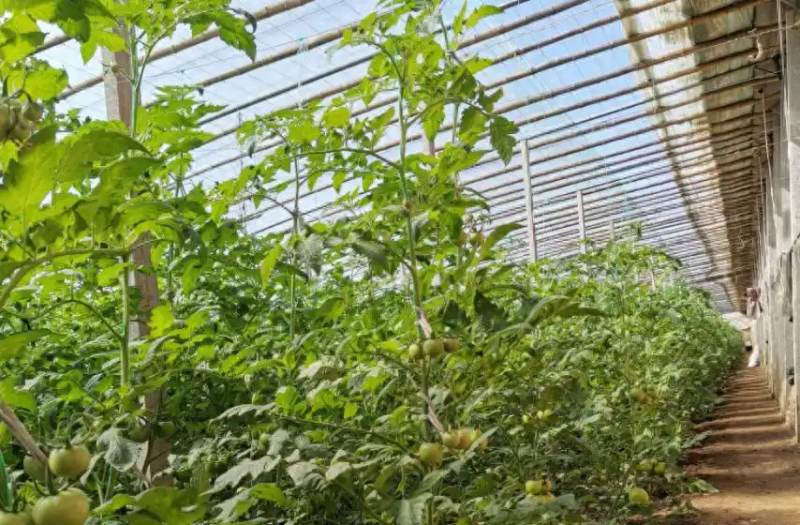
It's like 30 grams per acre. Weaked with 55 °c water, mixed by pouring water, gradually lowering water temperature to about 30 °c, then continued immersed for 8-10 hours, then impregnated with 10 % na3po4 solution for 10 ~20 minutes, extracting dry water and washing it clean and immersed in 25 ~ 28 °c environmental conditions. The seeding period requires the use of water to wash seeds one to two times a day in order to prevent the planting of adhesive skins, which can be sowed when tomatoes are sprouts。
2. 2 scrolling
The fall and winter season usually requires seeding in early august, before sowing, attention should be paid to the selection of fertile, well-breeding, disease-free fields for seedling soil, which are sifted in a 6-to-4 ratio. The well-formulated nutrient soil needs to be fed with cape 2h4o81 kg, k2so41. 5 kg, 50% of the polyglycerine humid powder 300 g per cubic metre, which should be fully evenly mixed and made into seeding beds, soaking water, sowing seedlings to seed beds evenly when the water leaks, and normally with seeds of about 5 grams per square metre of seed beds covering 1. 5 centimetres of thin field soil, then covering the membrane to sow。
2. 3 shrimp management
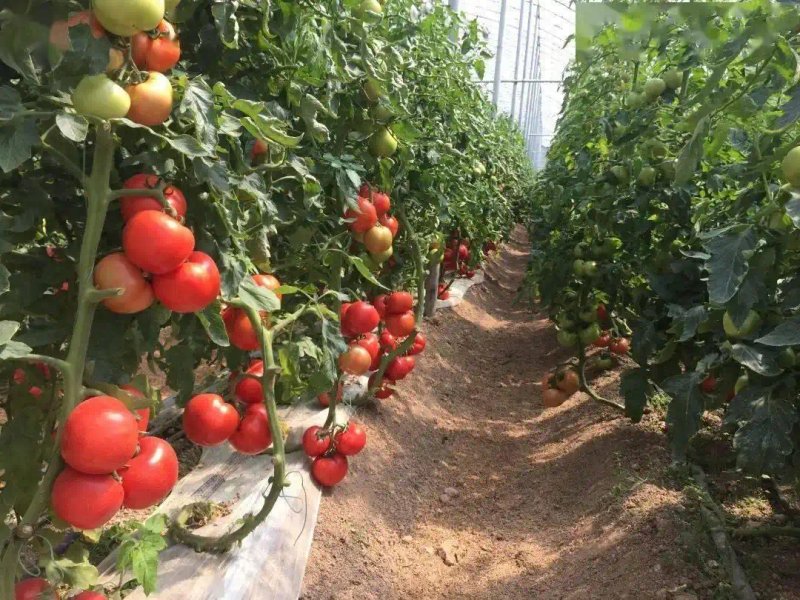
After 3-4 days of seeding of tomato seeds, suitable shades are required at high temperatures, 28-30°c at daytime and 20-25°c at night; 20-25°c at daytime and 12-17°c at night at daytime after seeding; 70% of the top soil of tomato seeds can be removed from the membrane in time to prevent the growth of the seedlings. The two leaves of the seedlings are to be sprayed with more than 15 per cent thorium 2000 times more than once; the bordo fluid can be sprayed with more than 200 ~250 times during the seeding period。
Tomato seedlings are distributed when they have three real leaves. They are distributed using a nutrient worm or a nursery, with a distance of 8-10 cm. After seedlings, care is taken to raise the temperature of the bed to contribute to the slow seedlings, while the temperature is maintained at 25-28°c during the day and at 18-20°c at night; the temperature is reduced by appropriate ventilation after seedlings, at 22-25°c during the day and 13-15°c at night; the management of moisture is consistent with dry and wetness, which should not be over-controlled; and the whole period of the seedlings is monitored to enhance light, with nutrition spread out in a timely manner when the seedling grows to 4-5 leafs, expanding the area of nutritional growth and protecting against each other's shade。
The greenhouse increased ventilation seedlings seven days before planting, the temperature dropped to 20°c during the day and remained at around 10°c at night. In autumn and winter, tomatoes are grown, which are 30 to 40 days old on a calendar, and are grown on a 20-cm-high seedling basis, with a hair of more than 0. 5 centimetres, eight to nine real leaves, intact leaves, and the first flower liner, which can be established。
Three
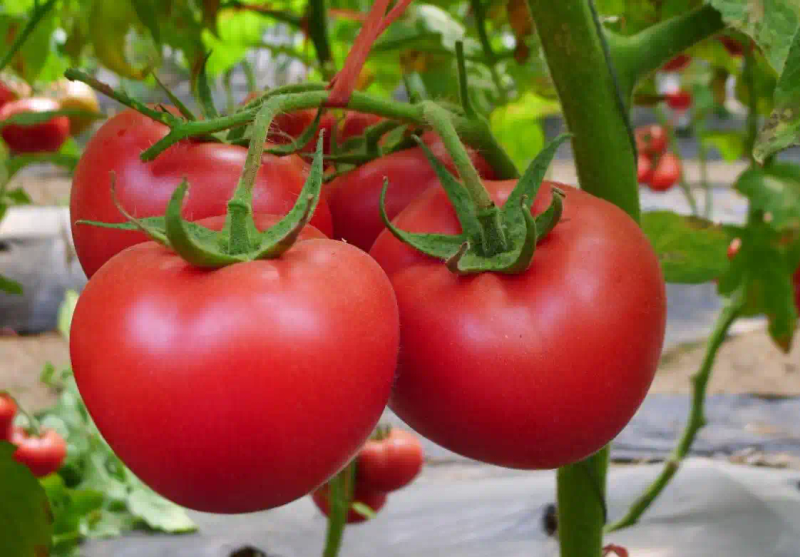
In mid-september, fertilizers were installed 14 days before the planting, with 8-10 cubic metres of decomposed organic fertilizer per 666. 7 square metres, 2 hpo440 kg (nh4), k2so430 kg, microbacterial fat 200 kg and 40 centimetres deep, so that the faeces were evenly mixed and dredged. North and south rises to a small height of 45 to 50 cm wide, 15 to 20 cm high, with 60 to 70 cm long space (walk distance) maintained and water overflowed. Before seedlings are planted, the greenhouses must be covered and the windows and doors closed and room temperature increased. The selection of the weather day was suffocated for 7-10 consecutive days, bringing the temperature to 50-60°c. The temperature cooled three days before planting. A day before the sapling, a small water platinum bed was formed, with earth-covered seedlings, with as little as possible of the roots, with 3,300 to 3,500 plants per 667 square metres of plant, watered and covered membranes for 7 to 10 days。
4. Post-plant management
4. 1 temperature light management
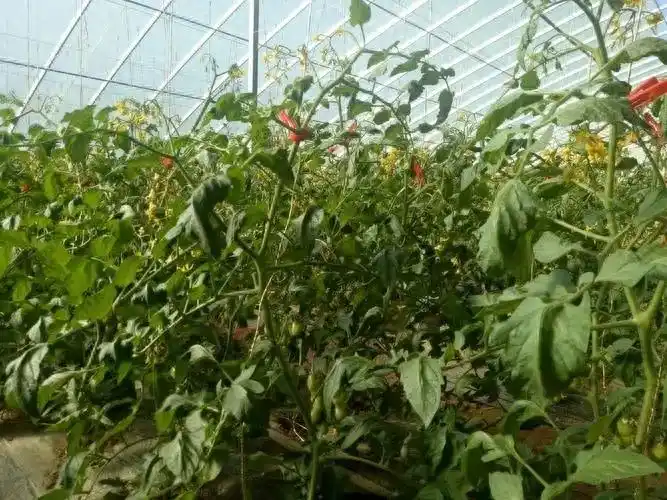
Potato seedlings are established in time to heat up in a closed room so as to facilitate the cooling of seedlings; the temperature is kept at 28-30°c during the day, at about 15°c at night, and when room temperature exceeds 30°c, vents should be closed in time for any early frosting after late october, keeping greenhouses at 26-28°c during the day and 10-14°c at night. The temperature of the tomato plant should remain at 20-25°c during the day, 13-17°c in the first half of the night, and 8-10°c in the second half of the night; between late december and late january of the following year, attention should be paid to increasing the temperature in order to withstand the adverse weather, the greenhouses should be sealed in a timely manner and not leak in the wind, and the slopes should be warmed in time with double straw curtains or temperature protection. After entering mid-february, external temperatures gradually rebounded, allowing timely attention to ventilation and high temperatures causing plant ageing and viral disease。
In autumn and winter, tomato cultivation has experienced a longer and harsh period of cold, short daylight, weak light, limited growth and development of tomato plants, delayed seedlings are followed by enhanced care, morning and evening curtains, clean shampoos, anti-reflection screens are added to the walls behind greenhouses, and polyvinyl chloride is selected as a means of increasing the intensity and length of the light. The result period is harvested with fruit, full-stamping of leaves and chickens in a timely manner, improving ventilation under the plant and reducing the incidence of disease。
4. 2 fertilizer water management
Water is used to reduce the temperature of the ground and to increase the humidity of the air in the greenhouses, which can induce disease. During winter production, care should be taken to control water recharge, which can be used to reduce indoor humidity by dripping or under-drinking. Water should be contained at 6-8 cubic metres per 667 m2. Between mid-february and mid-march, the option is to pour water around 15 days a day in the middle of the day, and after mid-march, an appropriate 7 to 10 days of water can be poured, with every two waters going after weight。
A combination of water can be provided when the tomato's first ear is enlarged to the second ear, with a 15% k2so4 compound fatty of 40 kg and 5 kg ch4n2o per 667 m2. Fertilizers are dissolved in drums in advance and washed into ditches with water (diploated into pressure tanks). As temperatures rise and the light rises, there is a need to increase the flow of wind and gradually increase the amount of water, usually once for about seven days. The late-birth tomato plant begins to age and can be sprayed every seven days with 0. 3% kh2po4 and 0. 3% ch4n2o blends to prevent the ageing of the plant and ensure the production of late tomatoes。
4. 3 plant adjustment
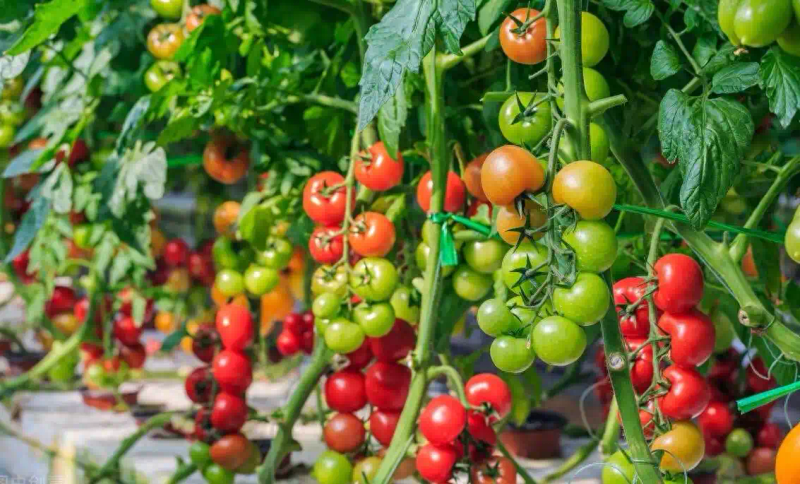
When the tomato plant is 25 cm high, the chicken should be performed in a timely manner. The chickens are grown in time with the plants. The side branch is sprawled up to 5-10 cm, using a single branch. In autumn and winter, tomatoes are generally kept in the range of 6-8 nuts, with two leaves left on the last of the nuts for graft treatment, the timely removal of redundant branches and old, yellow and sick leaves, the reduction of the source of the disease and the improvement of light and ventilation conditions. The flowering period is defined by 1 mg/kg chlorine oxen (the chlorine oxen use concentration is based on temperature, product specifications, methods of use, etc.) and is mixed with red markings to prevent heavy and leaking。
4. 4 special weather management
When the indoor temperature is less than 20 °c, the heat and light shall be increased by means of a boiler, an electric hotline, an electrical light, but at night the temperature shall be kept low at 6 ~ 8 °c, bearing in mind that no water shall be poured; on the snow day it shall be done in time to clear the straw curtains or the snow on which the temperature is protected, and the snow shall be repeated at noon to remove the snow from the balm and the snow from the balm, so that it may be radiated; and on the dark, dark weather shall be soared that the curtains shall be duly and early that, when a mild abrasion of the leaves is found, they shall be covered in the grass, or placed in a wall (which is called flower curtains), and the leaves shall be lifted in time and again until the leaves are restored。
4. 5 pest management
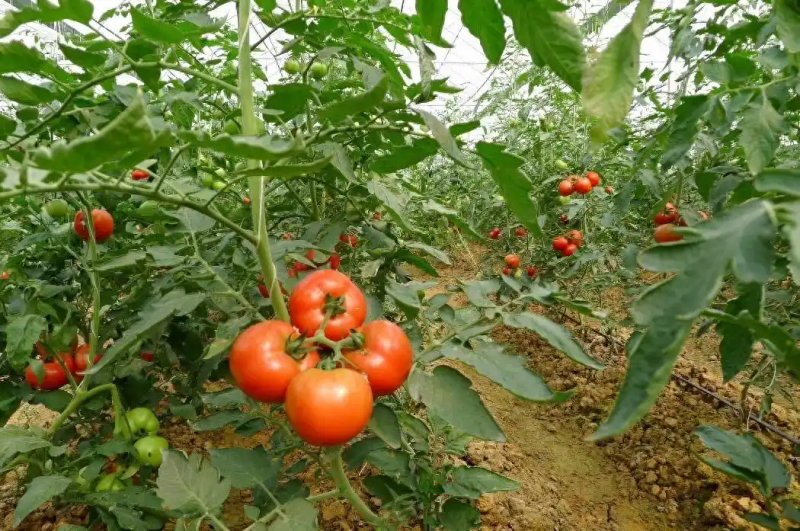
Tomato disease is mainly viral, leafy and greyy; pests are mainly aphids and white lice. A viral disease can be sprayed with 50% of the chlorobromoisocyanate soluble powder 1,500 times the fluid, or kmno4 particulate agent 1,000 times the fluid, or 23% of the pine copper acid suspension 1,500 times the fluid, or 20% of the pine copper acid emulsion 1,200 times the liquid。
Leprosy and asymptomatic foliage are sprayed 50 per cent of the filamentable powder 1,200 times the fluid, or 50 per cent of the cormorified humid powder 1,000 times the fluid, or 60 per cent of the mist-proof microparticle agent 600 times the fumes with 10 per cent of 100-400 grams of bacteria per 666. 7 m2。
Aphids, white lice can be sedated in the shed, or a 22% chromosomal slug can be sprayed with 1,200 times more fluid, or 2. 5% chlorocypermethrin emulsifiable concentrate can be combined with 1. 8% avm emulsifiable cream with 1,800 times more mixture。
Collection
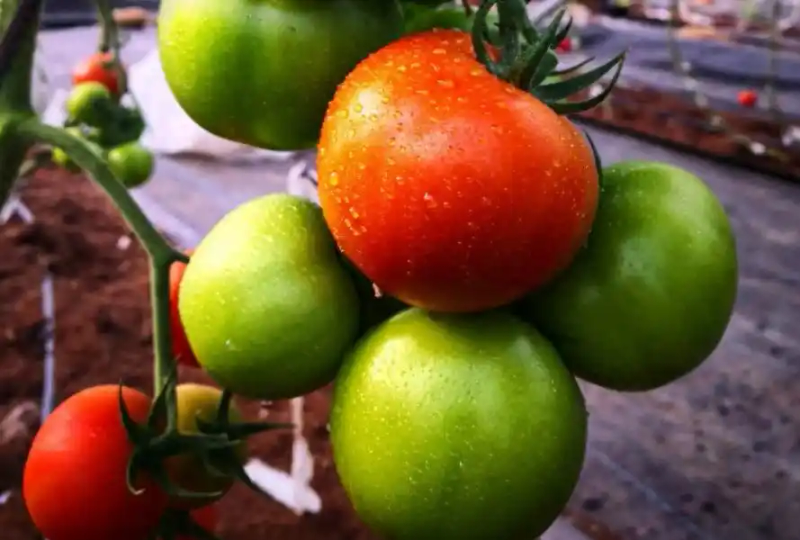
Tomatoes are vegetables made of ripe fruit, which is divided into four periods of green ripening, transliteration, maturation and finishing. After harvest, they are transported over long distances, can be collected during transliteration, can be collected in the near-market period, and can be collected lightly when collected。



