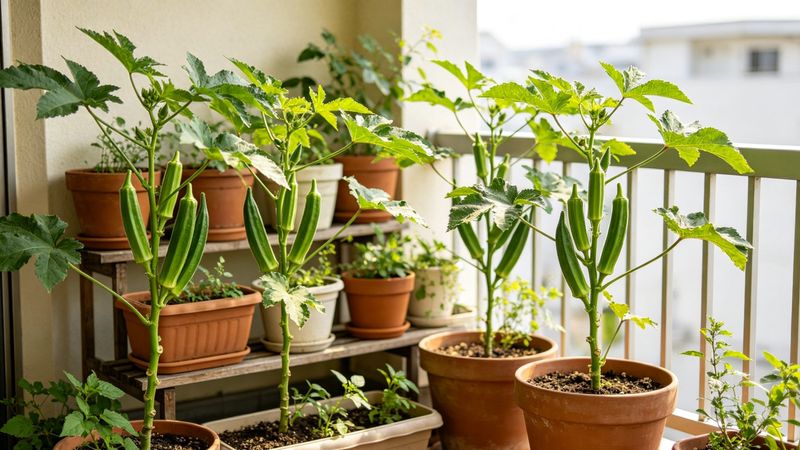
Hello, i'm an old friend of yours, i'm yang, and i'm happy to share with you the problems associated with growing pastures, and i can add a word of interest to mine。
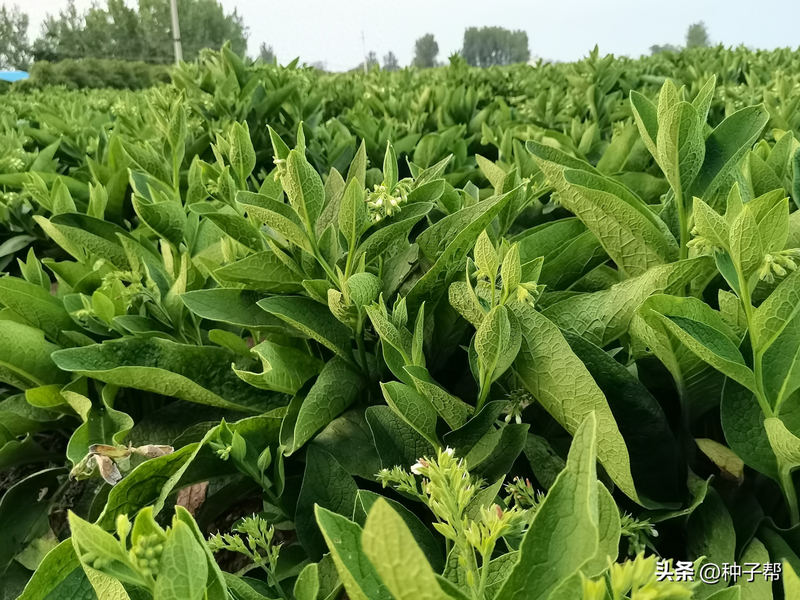
It is still the old topic of grazing, and high-yielding pastures are the dream of many growers, saving a lot of precision and thus obtaining better farming benefits. The russian forage has always been blown, and it does produce a lot, as long as you can produce about 20 or 30 tons of local fat in a year。
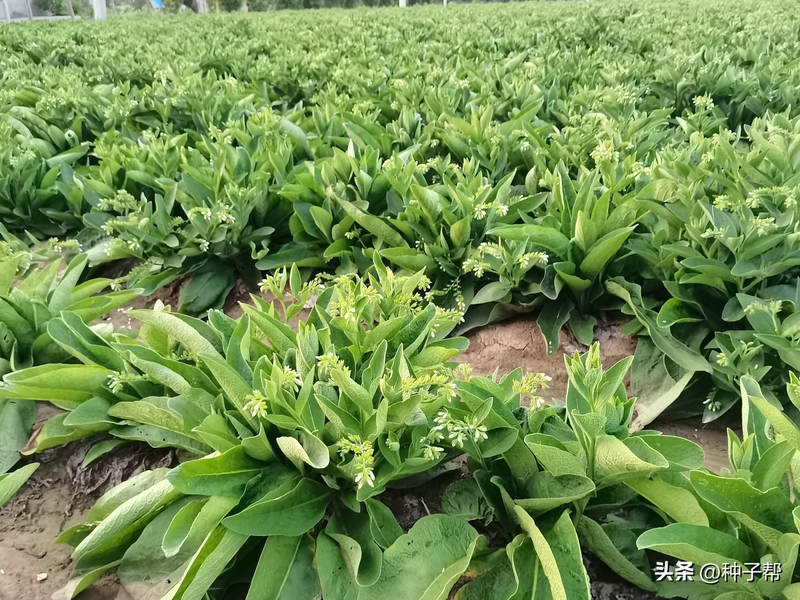
Some say that your seed gang is saying that it does actually measure production, and that it produces about 25 tons south of the qin cold huai river, that a grass can harvest as much as 3. 5 pounds at the beginning of its prime, that it can harvest as much as 3-5 tons at a time, and that it can harvest 4-6 times a year, so there is no doubt about production。
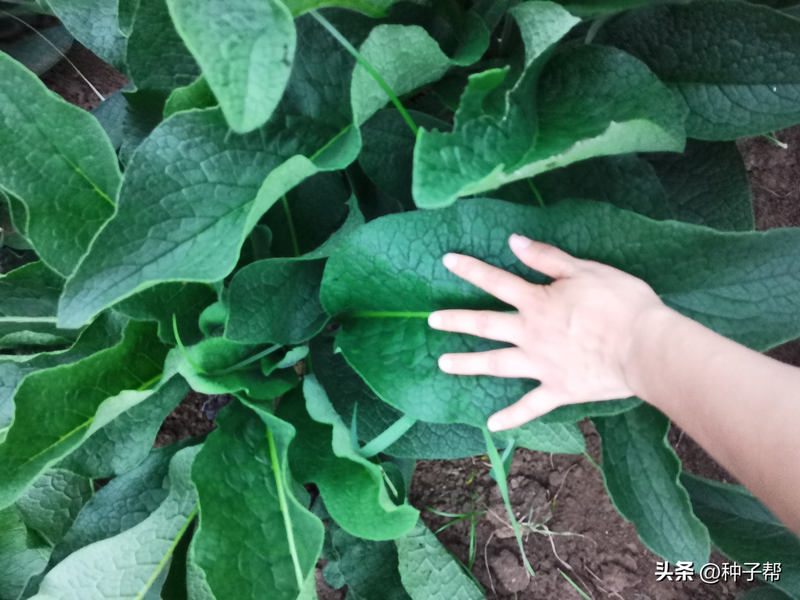
How about having friends who say it's productive, oral and nutritional? The leaves are big, some are bigger than the three or four adult palms, but the leaves are thick, but they all have fuzzy hairs on the tubs, which are a little bumpy, and which are not used to freshly touched cattle and sheep, and are best used to mix them with other pastures, or to swirl them, or to blend them, which can be a substitute for the sperm, instead of the soybeans, which works well。
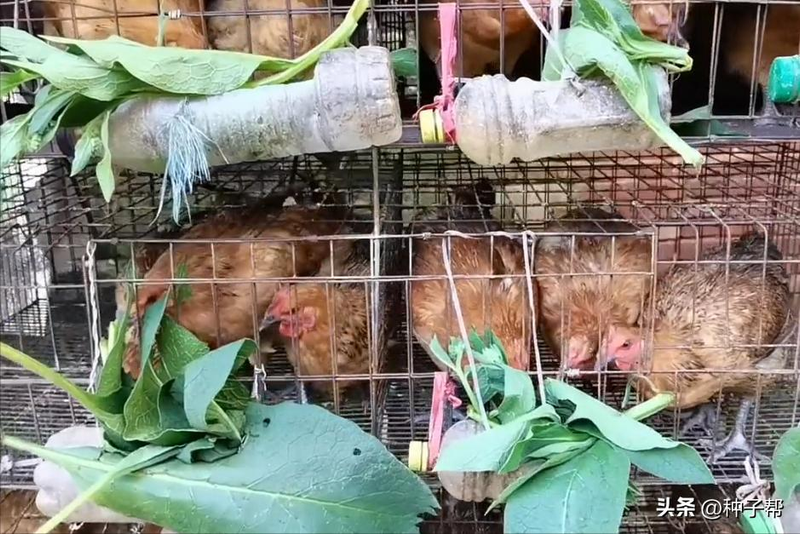
The benefits of feeding pigs and other poultry are high, and sows are fed directly, including small-scale poultry, without any processing. They are fed to fat pigs, soak as much as they can, taste as good as cucumbers, and of course they can also be used in cucumbers。
If it's nutritional value, it's nutritional value comparable to that of thorium. The protein content of dry matter is around 20 per cent, the fat is 4. 5 per cent, the fibre is 13. 7 per cent, the russian feed on one acre is up to 20 acres of corn protein, 12 times higher than the aqueous, and contains a wealth of vitamins, calcium, phosphorus, etc., with much greater economic benefits than most fodder。
After the production, mouthworthiness and nutritional value of russian fodder, we will finally talk about planting techniques. As for the method of planting, i would like to start by saying that the point of direct attention is that russian fodder leaves no seeds open, and even if it does, its seed grains are not easily used to breed pastures, poor sex and no yield。
Russian feed is a high-yielding root:
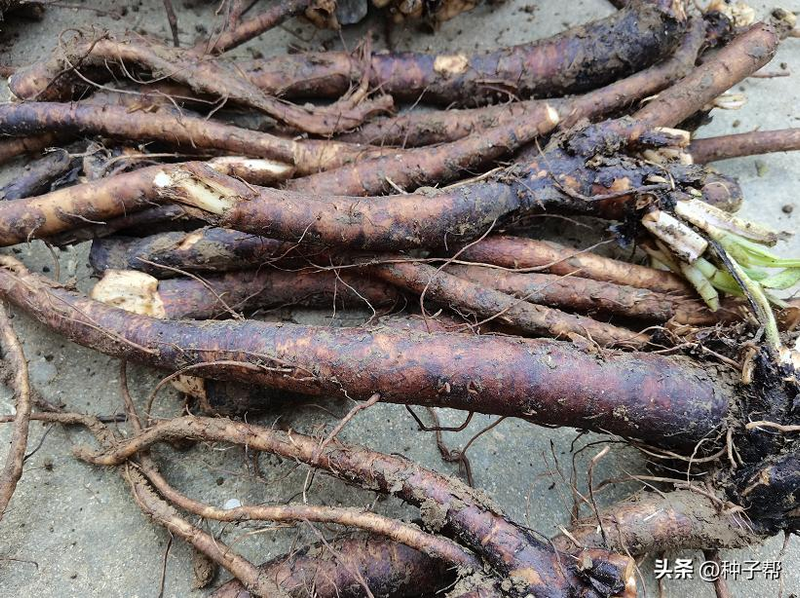
Russian feed roots: multi-year poaching, friendly graft, high-yielding, cold-resistant grass seedlings
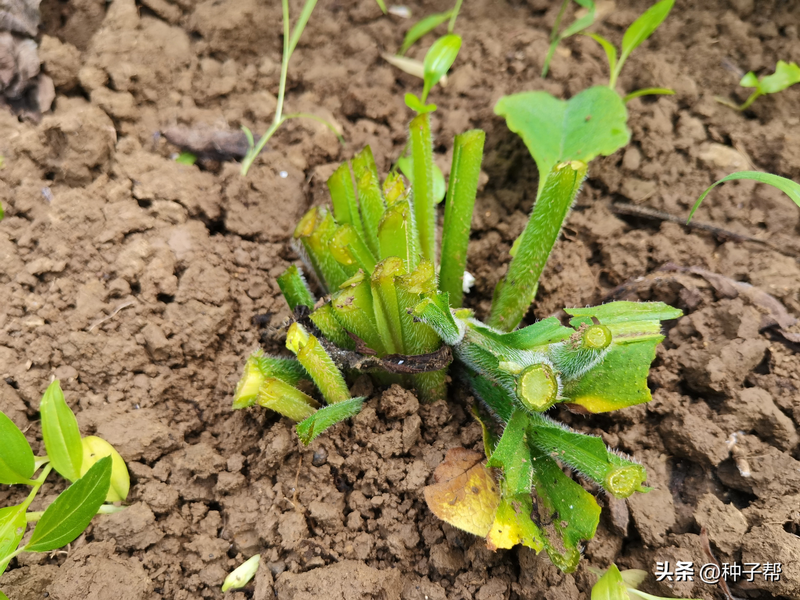
When we make grass, we reproduce by root, which is calculated by weight, using 35 to 40 pounds of root, which cuts large roots directly into 4 to 5 centimetres, and is buried in the soil, so long as the soil is watered, warms between 15 and 28 degrees, and so fast that it is not within this range that the seeding can occur slowly, but at different times, but to avoid planting in hot and wet summers, so that the roots do not rot in the ground。
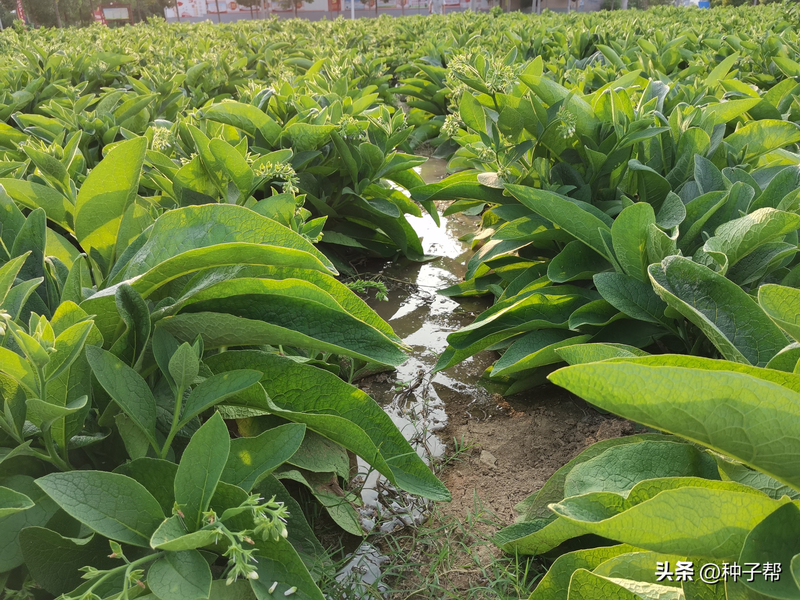
Russian fodder is cold, hot and saline-resistant, but is not very good, so planting in the south is either on slopes or on lows to make drains so that the summer mosaics save and inundate their roots. Russian fodder is generally grown in a good environment, with harvests occurring for about two months, but depending on the pattern, production is not particularly high in the first year, high production starts in the second year, northern winter sleeps in the north and the south is often green in the south, so harvest yields are better in the south。
So, again, what kind of animals do you raise mainly when it's practical to plant grass? Pay attention to the seed gang, and bring you a professional, rigorous grazing programme! If you have any questions, comment here! The seed gang, help you choose a better seed