


Most of the tomato cultivation in the solar greenhouses in the autumn and winter was planted in mid-july to mid-august, in august-september, and began to be marketed in october-november, before and after new year's day. High temperatures and rainfall during the pre-pre-birth period for tomatoes in autumn and winter, heavy diseases such as viral diseases, decreasing temperatures in the post-natal period and the need to protect against cold temperatures and freezing。
1. Choice of varieties
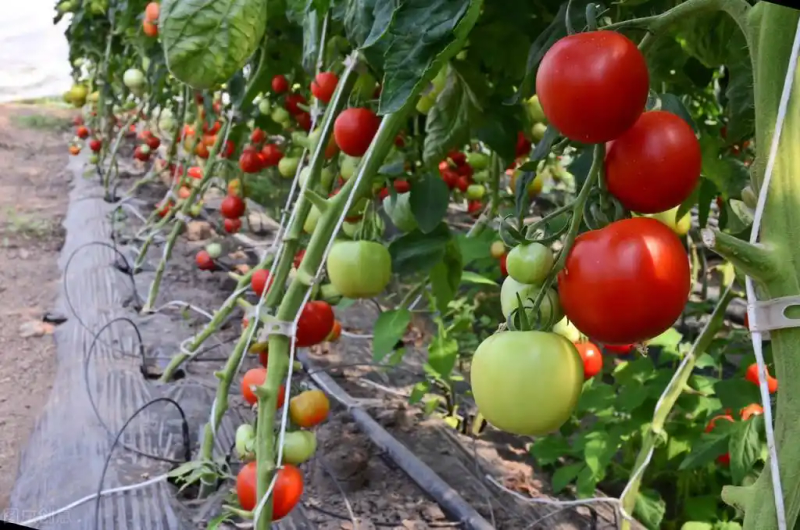
The variety of tomatoes planted in the solar greenhouses in the autumn and winter is as follows: medium ripe, medium and small, suitable for dense planting; good variety, clean fruit and durable transport. The hardness, taste, size, shape and colour of the fruit must meet the requirements of the market; the plant should grow robustly, have strong sit-in capacity and produce high yields; and the plant should grow stable. The required varieties are resistant to high temperatures, high humidity and weak light; they are highly resistant to disease. It is called for high levels of resistance to easily occurring diseases such as tomato virus disease, foetal disease and asymptomosis. The varieties suitable for tomato cultivation in the autumn and winter are the european crown, the dimoni, the zheish 702。
2. Determination of the broadcasting period
The solar greenhouses for the fall and winter tomato planting period should be determined on the basis of local market consumption needs in order to meet the market supply during the new year to spring festival, with the city of north kyoto taking mid-july as the appropriate venue。
3. Feeding
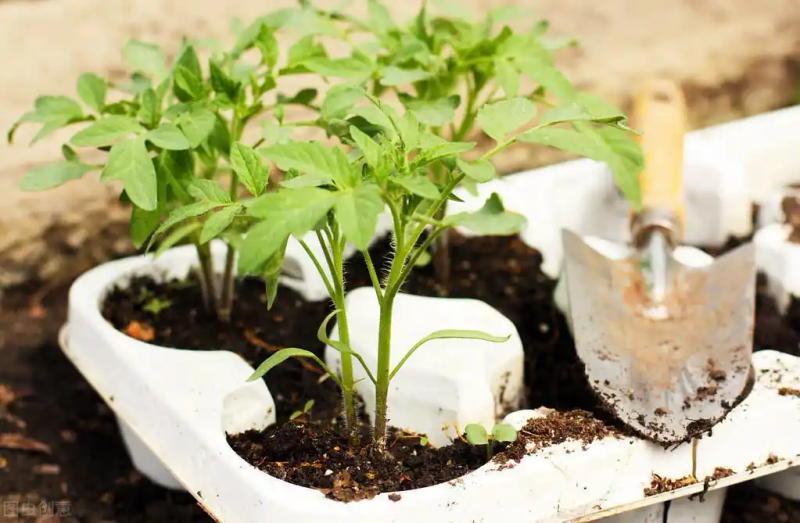
Cultivation of appropriate-age seedlings is key to successful tomato cultivation in the autumn and winter, with high-temperature droughts, strong light and severe pests that can lead to the occurrence and spread of viral diseases. During this period, the following should be done: around midday of the summer sunday, sunscreening of seedbeds with sunnets to avoid strong light- straight-fire seedbeds; (b) the spraying of congesals at the beginning of the leaf and at the first half of the leaf, together with increased measures to control the moisture, water management in accordance with the method of no-drying, small-dry water in the event of drought, to prevent the growth of tomato seedlings, the installation of insect-proof equipment such as anti-worm nets, yellowboards, etc., for insect treatment, and the spraying of pyrophos and aphids in order to avoid infestation of insects such as white ticks, smoke ticks and aphids; regular spraying is used to prevent disease, usually from seedlings, with a multibacterium of 800 times the fluid per week。
4. Plantation
(1) preparation for pre-plantation aerosol disinfects the greenhouses and keeps them in high-temperature hangout for about a week in clear weather. In the solar greenhouses, 5,000 kg of corroded organic fertilizer per acre, 50 kg of compound fertilization, 30 cm of deep tillage combined with fertilization. In order to prevent the emergence of endoline worms, 65 ml of avilin per acre was sprayed, and then made into a small high-string. Three days before planting, 30 to 40 yellow sheets per acre were hanged in the greenhouse, at an altitude of about 50 cm from the ground, to observe the removal of white powdered lice and smoked lice; pests, such as aphids, white lice, smoked lice, etc., were installed in the upper and lower vents of the greenhouse with more than 50 eyes, respectively, to prevent infestation。
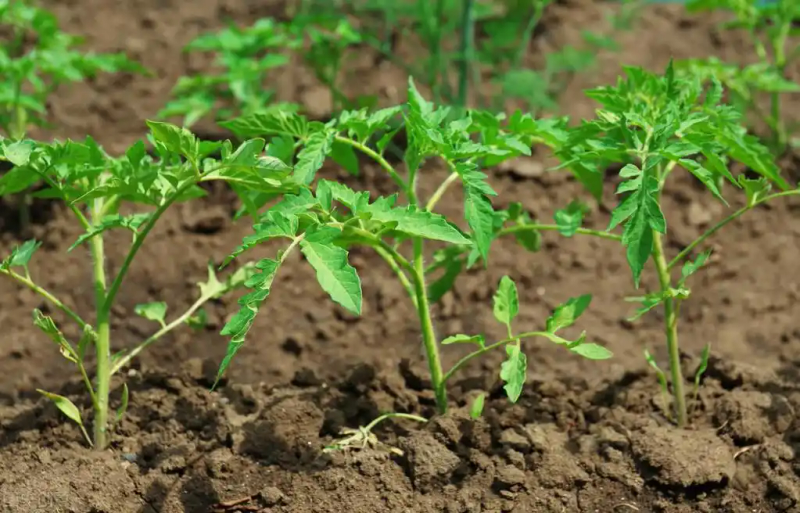
(2) the duration of tomato seedlings is generally around 30 to 35 days, with a three-leaf 1 hearttime planting. Choose whether to plant in the rainy weather or in the middle of the sun, with a planting density of 3,000-3200 units per acre, and plant them in size, 80 cm for large walks, 60 cm for small lines and 30 cm for small lines. Squeeze the base of the lair before the seedling rises and try to ensure that the sap is intact and that the roots are not harmed. When seedlings are established and water is established in a timely manner, it is possible to select large-scale irrigation at a time when external temperatures are high, which, on the one hand, can accelerate the exposure of seedlings to greenhouse soils and make them adapt to the new environment as soon as possible, and, on the other hand, can increase the temperature of the air, which reduces the temperature and is conducive to slow seedlings。
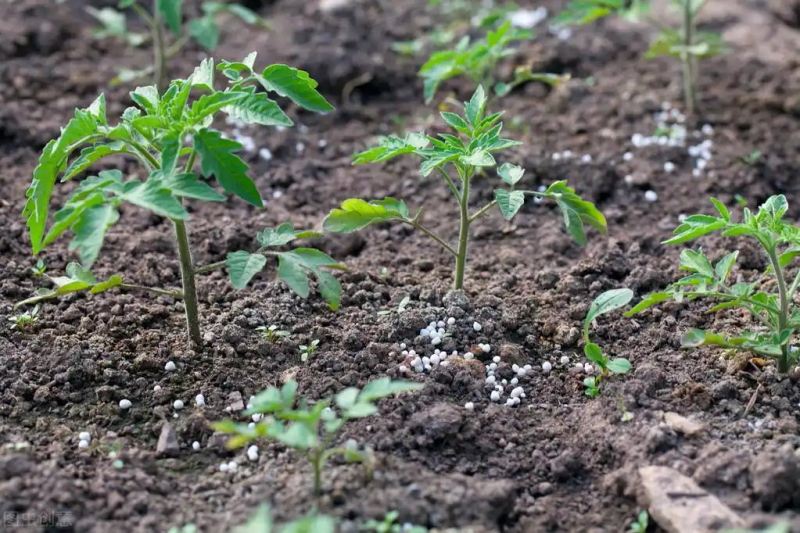
Post-plant management
(1) synthetic management. Covering sunnets around midday, typically at 10. 30-1. 30, can affect the light co-operation of tomatoes and discourage the proper growth of plants. A minimum distance of 20 centimetres is to be maintained between the shading net and the bonnet. If the shire is attached to the bonnet, the heat it absorbs is easily transmitted to the bonnet and then to the shed, it does not function well to reduce the temperature of the shire, and the heat absorbed by the shire is not distributed, thereby increasing the temperature of the shire itself and accelerating its aging. Owing to high external temperatures and lower night and day temperatures, the front and back-wall vents of greenhouses should also be ventilated around the clock so that the temperature of the shed is approximately the same as that of the outside to increase the temperature differential. Some five days after planting, water is poured to promote slow seedlings at a time chosen in the early morning, at a time when the difference between water temperature and the temperature of the ground is the smallest, and when the amount of water should not be too large, it should normally be wet enough for the back of the soil. If the water is overstretched, it tends to cause water to accumulate in the fields, causing the death of the seedlings of the tomatoes that have just taken root, even if they do not occur, due to a lack of oxygen. Roots may also be concentrated in the surface of the soil as a result of excessive surface water, to the detriment of deep roots, which can be easily injured by repeated water fertilization. Once the water has been poured out, the pine soil should be ploughed in a timely manner to ensure soil solitude and permeability. Cover the membrane in a timely manner after the lapse of the period to avoid the burning of leaves due to excessive temperatures。
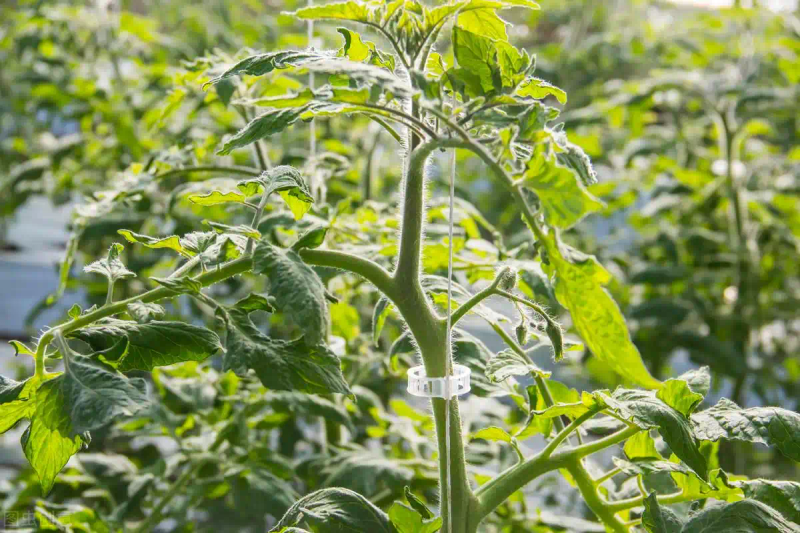
(b) long-term management of plant plants1 temperature management higher external temperatures before tomato growth in the autumn and winter, low temperature differentials during the day and night, cooling of front and back-wall vents to prevent high-temperature disturbances, when external temperatures are reduced to around 12°c, drop down of the pre-hospital membranes, close down the vents, ventilate during the day, shut down at night, take into account the size and duration of the venting in light of weather conditions, and keep the temperature at 30°c during the day and not below 15°c at night. After late october, when the minimum external temperature is reduced to below 8°c, the plume is kept warm. 2 fertilizer management after planting the seedlings, mainly in the middle of the crop, when the first ear fruit grows to the size of a walnut, and first watering. Premature watering results in a growing population (75% ~80% of the relative water content of the soil at a depth of 10 cm). The pursuit of compound fertilizer of 15 kg and potassium sulphate 10 kg when the second fruit sits; the pursuit of composite fertilizer of 20 kg and potassium sulphate 10 kg when the third fruit sits; the pursuit of compound fertilizer of 20 kg and potassium sulphate 15 kg when the fourth fruit sits; the pursuit of compound fattening of 20 kg and potassium sulphate 20 kg when the fifth fruit sits; and the effective reduction of humidity in the greenhouses by means of small water handling during each fertilizing period. In order to prevent premature plant failure and promote fruit growth, in addition to fattening during the outcome period, leaf fertilisation is carried out, i. E., leaf fertilization at the third, fourth and fifth pecks, at a rate of 1 per cent zinc sulphate + 2 bolonate. In the fall and winter tomato seasons, low temperature, weak light, high humidity conditions are highly likely to cause excessive tomato nutrient growth, long planters, reduced reproductive growth, poor plant growth, lower number of outcomes and lower yields. The whole spasm is an important tool for adjusting nutrient growth and reproductive growth. The whole branch must have four principles: “in the case of strains with viral disease, it should be carried out separately to avoid human transmission; 2 the side branch under the first bouquet, which is not left with the result branch, should not be removed prematurely. It should normally be extended to 2-4 leafs to produce nutrients to support the growth of the main dry, and then be removed in a timely manner; euphemisms above one speck should be removed in time to reach 8-12 centimetres; and tamping should be done after the barometer drying. (b) carcinology to facilitate the healing of wounds and to prevent bacterial disease; four, which combines the whole branch with chicken binding and stock correction, so that the plant leaves are evenly distributed and so that they can be radiant. When the plant has six ears, it removes the growth point in order to increase the sitting rate and promote the growth of the fruit. In order to benefit the expansion of the fruit, two to three leaves should be left to the heart。
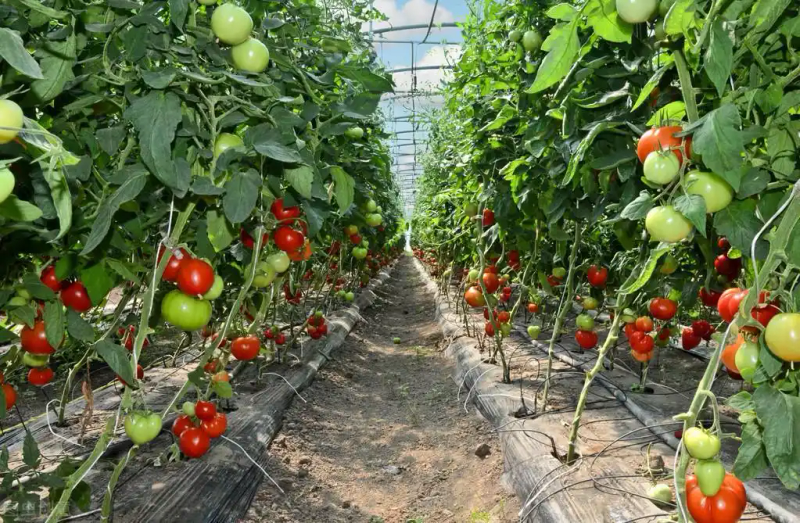
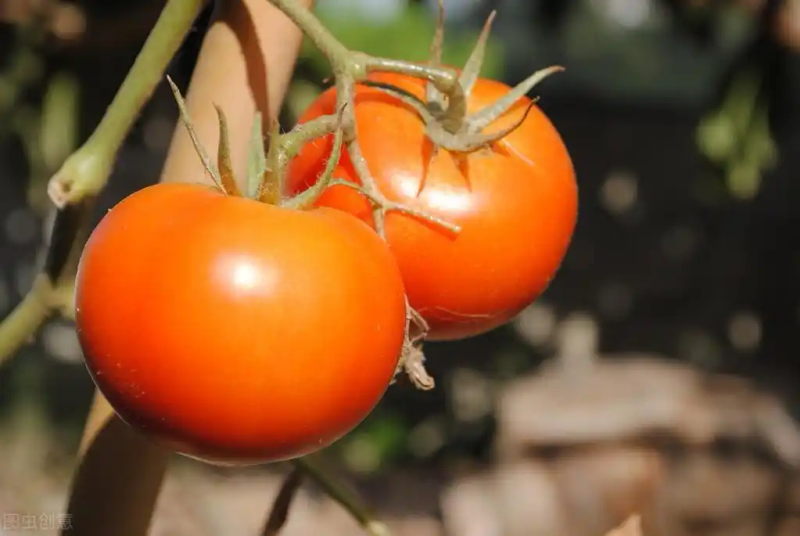
(3) management of the outcome period in tomato planting in the autumn and winter, lower external temperatures have led to stunting of flowers or low self-fabrication rates, which have resulted in the fallout. As a result, artificial spraying is required, when tomatoes have more than three openings per ear, with their left finger and index finger, and with their right hand sprayer, so that the medicine is spread evenly on the ear, effectively preventing the flower from falling fruit and not prone to malformation. In order to ensure that the plant is productive and leaves behind certain results, and that the fruits are of a high degree of integrity, commerciality and single fruit weight, the utensils need to be performed in a timely manner. During the flowering season, 4-5 species of fruit shall be kept in each ear, and the fruit shall be ploughed out in a timely manner, with poor shape and underdeveloped fruit, usually 5-6 of which shall be kept in each ear。



