Ketchup post-autumn cultivation is an important form of cultivation that can harvest tomatoes in the autumn, extend supply periods, meet market demand and generate significant economic benefits for growers. However, the model faces challenges in terms of temperature, pests, etc., and scientific planting techniques are needed to achieve high productivity and stability。
I. Selection of varieties
The selection of varieties is a critical first step in the long and high production of tomatoes. Adaptive, disease-resistant, productive and low-temperature light-resistant varieties should be selected. Like golden room 1, which is adaptable and can grow better in different environments; the varieties of the anti-ty virus are effective against tomato aromas and safeguard the health of the plant. For example, zheish 702, which is resistant to multiple diseases, produces high yield and produces good fruit of good quality; and zidali, which is strong in growth, has good capacity to sit on a continuous basis, has a high degree of hardness and durable transport。
Ii. Employment
(i) determination of seeding time
The planting time is critical and needs to be determined in the light of the local climate and the precision of the planting facilities. In general, much of the northern region was seeded from late july to early august, with an appropriate delay in the southern region. For example, in beijing, planting was more appropriate in late july; in shanghai, planting was more appropriate in early august. Premature seeding, excessive prematures, prematures and the vulnerability of young people to viral diseases, etc.; late seeding, low later temperatures and poor maturity of fruits affect yields and quality。
(ii) seed treatment
Seed treatment is required prior to seed planting in order to increase seed sprouts and reduce pests and diseases. Seeds are immersed with water for 1 - 2 hours, then immersed in warm water about 55°c for 15 - 20 minutes, during which time they are mixed and washed with water. The 10 per cent sodium phosphate solution was then impregnated for 20 - 30 minutes and washed to passivate the virus. 50 per cent of the seed weight of 0. 3 per cent can also be used for wettable powder blending to prevent disease during the nursery period。
(iii) cultivation
Caucasian seedlings can be used or nourished. Caucasian seedlings save seeds, are easy to manage, and seedlings are well developed and slow after planting. 72-hole or 128-hole chassis, filled with seedlings, watered and seeded with 1-2 seeds per den, and covered with 0. 5-1 cm thick matrix. Nutrient seedlings are used to fill nutrient soil with nutrients, soak water, sowing between one and two seeds each, and the soil. The seedling matrix can be formulated at a ratio of 3:1 for grassgrass, neptunium and pearl rock, with appropriate amounts of organic and composite fertilizers to ensure sufficient nutrients。
(iv) shrimp management
1. Temperature management: 25 - 30°c for seeding before seeding; after seeding, the temperature is controlled at 20 - 25°c during the day and 15 - 18°c at night to prevent seedlings from growing. When the temperature is too high, the temperature is cooled by sunnets, ventilation, etc.; the temperature is too low, covering grasshoppers, cotton, etc。
2. Water management: keep the nursery bed wet but avoid water accumulation. Water is usually watered every morning or evening, adjusted for weather and sapling. During periods of high-temperature drought, the frequency of water water is increased; in rainy weather, water is reduced。
3. Light management: tomato seedlings need sufficient light, but the summer light is strong and the shades must be properly covered. After seedlings are released, the seedlings are exposed to direct light, and at noon they are shaded with sunnets to avoid strong light burning. As the seedling grows, the shade time is gradually reduced。
4. Pest and pest control: the main pests and pests in the nursery age range from sudden fallout, adhesive disease and aphids. Continual and adhesive diseases can be treated with a 72. 2 per cent prick water agent of 400 - 600 times more liquid or 50 per cent more than 500 times more liquid spray; aphids are treated with 10 per cent more than 1,500 times more liquid spray. At the same time, attention should be paid to ventilating, reducing the humidity of nursery beds and reducing the incidence of pests and diseases。
Iii. Planting
(i) whole fertilization
Before planting, the soil is soaked that it is 25 - 30 centimetres deep, the soil structure is improved, air-absorption and water conservation are enhanced. In combination, the ground is covered by pneumatic fattening of 5,000 - 6000 kg of rotable organic fertilizer per acre, 50 - 60 kg of calcium perphosphate, 20 - 30 kg of potassium sulphate, or 50 - 60 kg of high-quality compound fat. They are distributed equally and then tilled into the soil, so that they are fully mixed with the soil。
(ii) declination
High-strength cultivation for drainage and ventilation. The cheeks are 1 - 1. 2 metres wide, the gutter is 0. 3 - 0. 4 metres wide and the gill is 0. 2 - 0. 3 metres high. The surface must be flat, and water must be avoided。
(iii) plantation density
Plantation density is determined according to the characteristics of the species and the manner of cultivation. In general, 3500 - 4000 varieties are established per acre and 3,000 - 3,500 are established per acre. If a single dry whole branch is used, 30 - 35 cm and 50 - 60 cm; double dry whole branch, 40 - 45 cm and 60 - 70 cm。
(iv) plantation methods
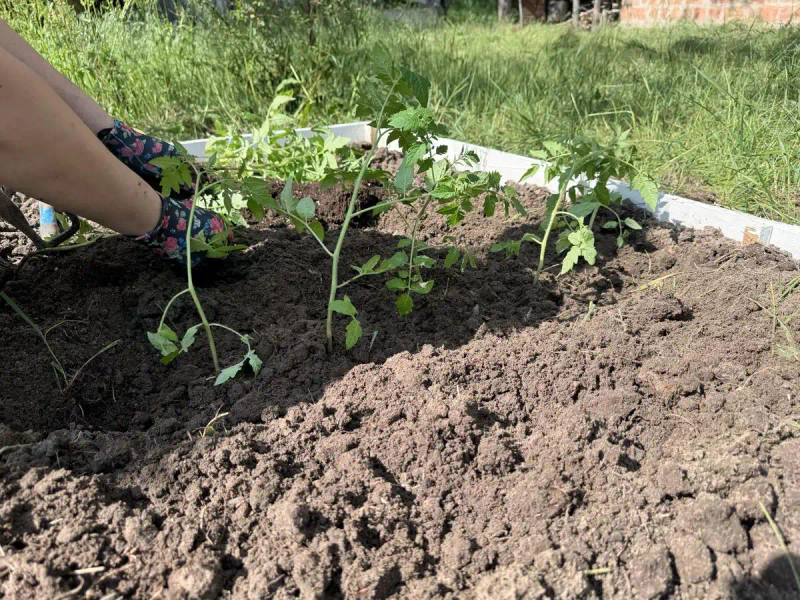
The choice is to plant it in the middle of the morning or in the middle of the day in order to reduce the evaporation of seedlings and increase the rate of survival. At the time of planting, holes were dug on the side of the sap, the seedlings were placed in the saplings, and the soil was put right behind them, and water was pouring out. Be careful not to overlay the earth, lest it affect the roots。
Iv. Field management
(i) temperature management
After planting, the temperature is high in the front period and cooled by ventilation, sunnets, etc., the temperature is 25-30°c during the day and 15-20°c at night. After late september, the temperature gradually declined, the vents were closed in time, the night covered grass or cotton were kept warm, the day temperature was 20-25°c and the night temperature was 10-15°c. When the minimum external temperature is below 5°c, measures to protect plants from freezing are strengthened。
(ii) light management
Tomatoes are radiant crops with reduced light after fall-lated planting, with a view to keeping the tectonic membrane clean and increasing the permeability. When necessary, a mirror is mounted inside the shed to enhance the light。
(iii) water management
After planting, the seedlings are filled with water, which is then watered according to soil conditions and plant growth. Water is usually poured every 5-7 days to keep the soil wet. At the end of the period, the plant will require large quantities of water, increasing the number of times it will be watered every three to five days. However, it is important to avoid flooding in order to prevent the occurrence of diseases as a result of the flooding of the fields. The use of drip irrigation or sub-film irrigation can save water and reduce the humidity of the shed。
(iv) fertilizer management
1. Fattening of seedlings: after slowing down, a combination of water application of urea fattening, 10 - 15 kg of urea per acre, promotes the growth of seedlings。
2. Creature fat: when the fruit starts to swell when the first fruit sits, the oxytocin is applied 15 - 20 kg per acre, or 10 - 15 kg per acre, which is soluble in high potassium water。
3. Fertilizers in the fertilizer season: every 10 to 15 days, with a three dollar compound fertilizer of 15 - 20 kg per acre, or 10 - 15 kg per acre of high potassium water, combined with the application of leaf noodles, such as 0. 2% potassium phosphate solution, once every 7 to 10 days, to prevent the early decay of the plant and improve the quality and production of the fruit。
(v) plantation adjustment
1. Whole swirling: using single or double branches. Only the main branch shall be retained for the single branch and all the branches shall be removed; the two branches shall be replaced by a strong branch and the remainder shall be removed. Timely removal of the lower, old and yellow leaves, improved ventilation and reduced nutrient consumption。
2. Roast and fall chickens: when the plant is 30 - 40 cm high, the chicken is timely and the plant grows upwards. As the plant grows, when the chicken falls in due course, it removes the lower leaves and the sick leaves, wraps them around the rope, reduces the height of the plant and maintains a reasonable spatial distribution of the plant。
3. Preservative fruit: the unstable temperature of the tomato flower period after autumn delays can lead to poor pollination and affect sit-in fruit. Hormonal treatment, such as 2,4-d or ketchup flowering, can also be used to pollinate bear bees and to increase sitting rate. In a timely manner, flower-sorting, large fruit-type varieties leave between 3 and 4 fruit per ear, medium fruit-type varieties leave between 4 and 5 fruit per ear, small fruit-type varieties leave between 5 and 6 fruit per ear, removing deformity, disease and surplus fruit and ensuring that the fruit is equal in size and quality。
V. Pest management
(i) disease control
1. Night disease: at the beginning of the disease, 72 per cent of the glg of irradiable powder 600 - 800 times more liquid, or 68. 75 per cent of the silver fluoride 600 - 800 times more liquid spray, sprayed every 7 - 10 days and 2 - 3 times more。
2. Ashy disease: increased ventilation, reduced humidity and timely removal of sick flowers and fruits. In the early stages of the disease, 50 per cent of the hygienic powder was treated with 1,000 - 1,500 times more liquid, or 40 per cent of the cedar suspension with 1,000 - 1,500 times more liquid spray, every 7 - 10 days and 2 - 3 times more。
3. Leprosy: selection of disease-resistant varieties to enhance ventilation. In the early stages of the disease, 47 per cent of garrinon humid powder 800 - 1,000 times more liquid, or 10 per cent of high-water dispersible particulates 1500 - 2,000 times more liquid sprayed every 7 - 10 days and 2 - 3 times more。
(ii) pest control
1. White lice: set up an anti-worm net at vents and hang yellowboard bait. A 25% aphid water dispersed granule 2000 - 3000 times the fluid, or 10% aphid humid powder 1,500 times the liquid spray, sprayed every 7 - 10 days and 2 - 3 times。
2. Aphids: aphids are treated with 1500 times the humid powder of 10 per cent aphids or 50 per cent with 2000 - 3000 times the liquid spray of anti-aphidable powder, and sprayed every 7 - 10 days and 2 - 3 times。
Cotton bellworms: timely removal of ovulations and early hatching of larvae. The treatment of 1,500 - 2,000 times the hpvc cream with 2. 5% thorium pyrethrin cream 2000 - 3000 times, or 5% hpvc 1500 - 2,000 times the spray spray is sprayed every 7 - 10 days and 2 - 3 times。
Collection
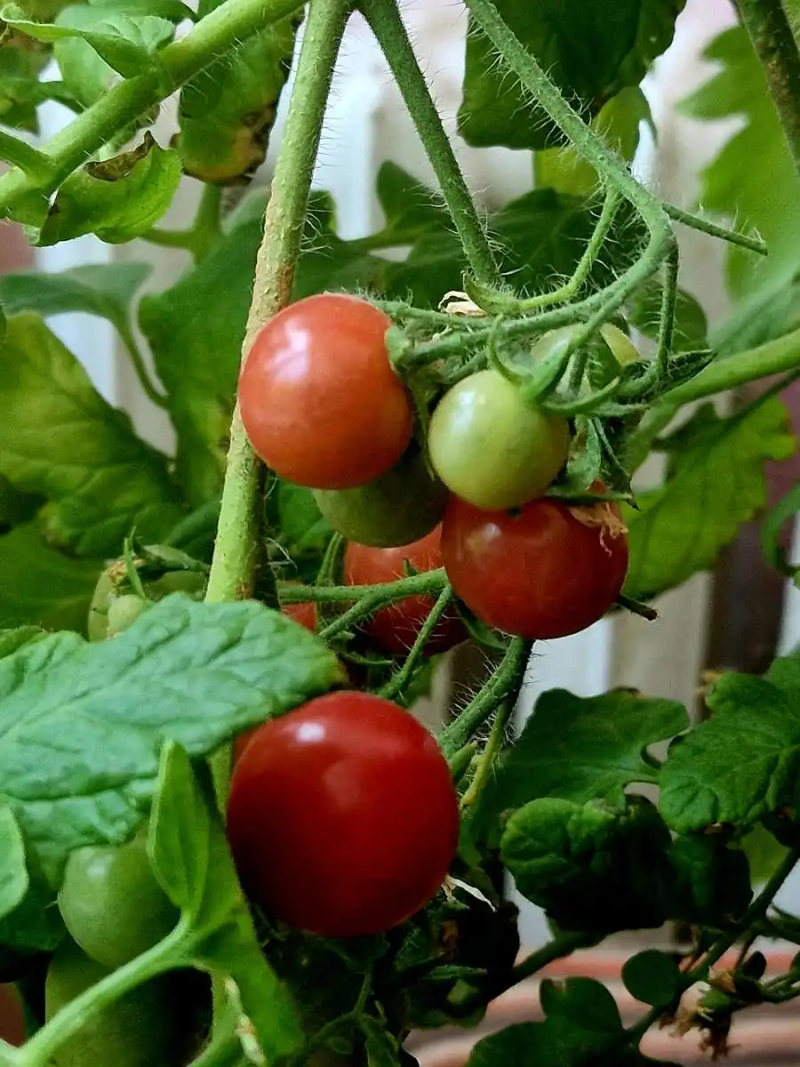
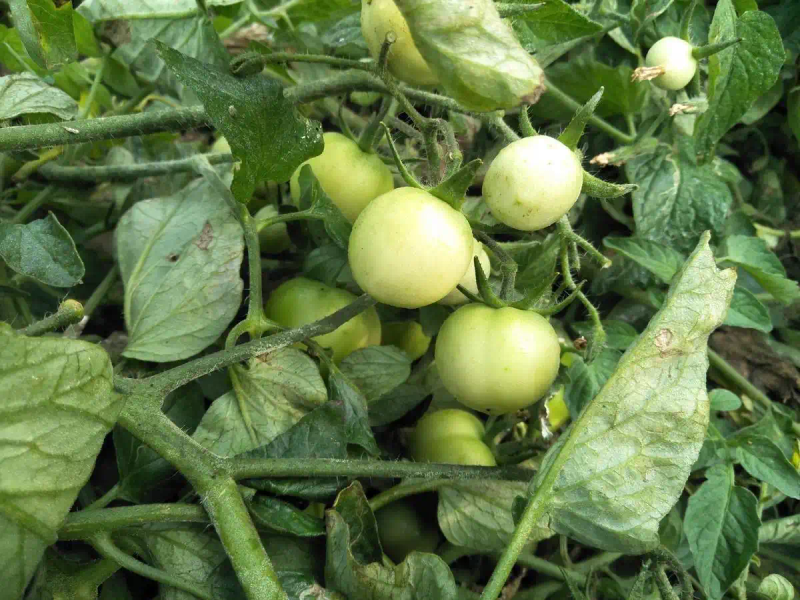
When the tomato fruit enters the green season, it can be collected in accordance with market demand. The harvest is premature, the fruits are not sufficiently mature and of poor quality; the harvest is too late, the fruits are perishable and not durable. Fruits transported and stored over long distances are collected during green seasons; the fruits sold in the near future are collected during chronology or maturity. At the harvest, the fruit is cut from the handle with scissors, which are gently released to avoid damage to the fruit。