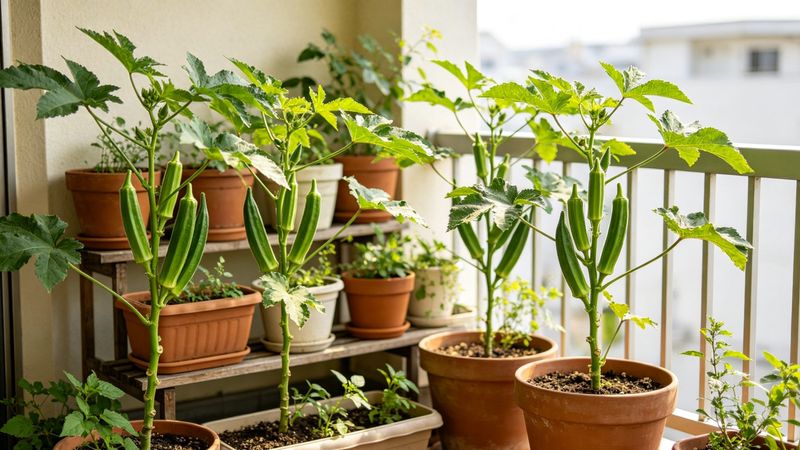
1. Land selection
Grassbird root systems are more widely distributed, intolerant to floods and drought. To achieve high yield and quality, suitable soil environmental conditions are selected. The soil on which the grasshopper is grown shall be chosen for the best soil in the sandy sandy soil, with deep soil thickness, soil perturbation, ease of drainage, high organic slopes and semi-vaginal wetland blocks. Strawbird cultivation must be rotated and associated. ... The same plot must be rotated at intervals of more than one year in order to replant. Precipice crops are based on potatoes, wheat and oilseeds。
The soil is ploughed in time after the harvest of the front crop, weeds are removed and sunbaths are tanned for days and disinfected to reduce pests and diseases. It's about 70 cm wide, 20-30 cm tall, 40 cm wide, depending on the terrain. After this process has been completed, the surface is organized to level, decompress and decompress the soil。
2. Root selection and processing
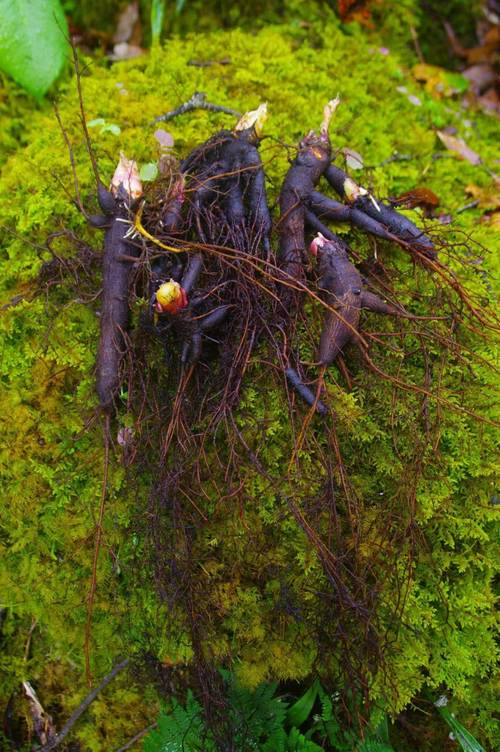
Strawbird cultivation can be carried out by root breeding, seeding, armpit breeding, etc. After many years of experimentation, the use of grasshopper roots for breeding compared to other breeding methods has proved to be a significant improvement in yields and quality. The roots used for reproduction tend to choose the roots of fresh grass and rags that were harvested in the year. They are suitable for single weights of 9-12 g, disease-free pests and pest-free, straighter, less split fork and better-looking ones. Vegetable varieties should choose excellent varieties that are disease-resistant and good for commodities。
Roots can be disinfected with grass and ash seed to prevent bacteria from impregnating wounds and to reduce the incidence of degenerative species, with a view to attaining sapling。
3. Cultivation
The best planting time in the grass is a winter “snow” festival or mid-november to mid-december. Before planting, a ditch was opened on a well-designed surface, where the roots of the grass were planted up into the gutter, with two rows of 10 to 15 cm per seed, with a planting density of 165,000 to 195,000 hm2 and a planting volume of approximately 1,500 kg/hm2 (due to differences in the size of the roots). Cultivated farmers are treated with 22. 5 t/hm2 and triads (15-15) of combined fertilizer 450 kg/hm2 evenly in the ditch, covering 3-5 cm thick ground. Cultivation is carried out on the basis of the principle of “planting first, then fertilizer later, and then soil later”。
4. Field management
(1) water management
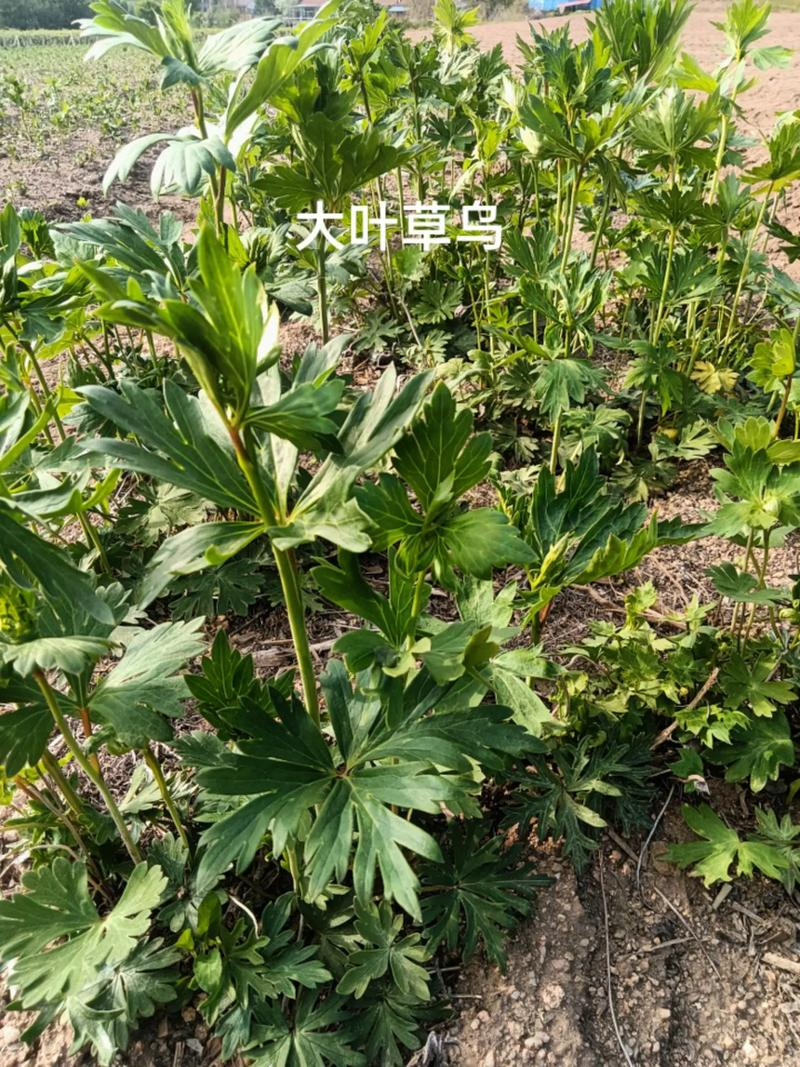
After planting, care shall be taken to keep the soil wet so as to ensure proper seedlings, such as in the event of winter or winter drought, in order to ensure proper seedlings, to cover straws or shades, to maintain soil moisture and to gradually remove the cover after seeding。
In order to ensure proper seedling and good reproductive growth, water should be poured and drained in accordance with weather conditions and soil conditions. Maintaining a soil water content of about 70 per cent is key to ensuring stable, high-yielding and quality grass。
(2) following up fat in due course
The first time the fat catch took place when the seed was 15-20 d and the seedling had 6-8 leaves. The principle of fertilisation is “low, multiple and large” and is followed by the use of fully decomposed school fats or human urine, and by the application of 8-10 kg of manure or 0. 8 kg of urea to water for 50 kg to root in order to promote the growth of seedlings, accelerate the growth of leaves and increase resistance. The second fat chase takes place before the plant grows to about 1 m, 20 d before the flower. Embedded with 0. 2% urea or 0. 15% potassium phosphate, with insecticidal or fungicides to ensure nutrient supply during the expansion of the root and to prevent infestation。
(3) plug-in frame
Vegetables are the grass, and in order to be of high quality and productivity, they must be mounted. It is usually the case that during the first fertilization, a piping pole is used in conjunction with the cultivation of grass. During this period, if the strain is found, it should be uprooted and replanted in a timely manner to ensure that it is strong and that it is not too late。
(4) agricultural management
The grass is a deep-seated crop that is managed in a timely manner according to the growth of the grass, and in accordance with the principles of “deep, then shallow, far and near”。
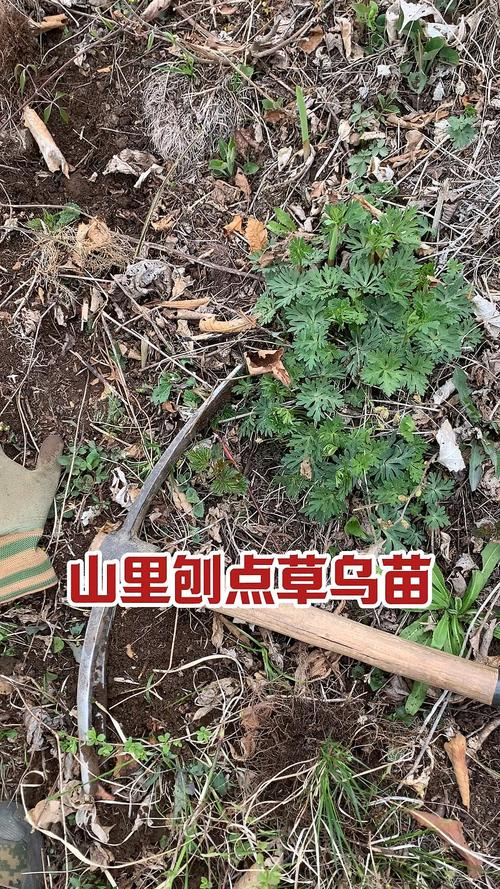
In order to prevent the intrusion of rainwater into the root, to reduce the temperature of the earth, to reduce the incidence of decomposition and to promote the expansion of the roots, the soil in the ditch is taken into the back of the plant in pursuit of fattening. It is usually combined with fertilisation prior to the frame, and is subsequently produced in a timely manner, depending on the circumstances and needs, to promote the growth of undetermined roots. In the field, care is taken to repair the drains and ensure that the grass is not watered。
Weeds should be removed in a timely manner and, as appropriate, should be kept clean of plots of land。
(5) curtains
In order to obtain high-yield quality, in the management of grassland cultivation, it is necessary to “land free of flowers and armpits”. It usually starts at the top at the time of planting a cashet, at a length of 20 to 40 cm, ensuring that it's almost complete by the time the flower blooms. Post-capture strains should be grown with a budding or sprouts removed at any time, without causing damage to the blades or to the old leaves, and in order to ensure normal luminous co-operation of the leaves. In general, two strokes of the top and germs are performed. The sprouts removed are not discarded at will and can be regenerated as a breeding source for greater efficiency。
5. Pest and pest control
Pest management should follow the “preventive, integrated” approach to plant protection, adhere to the principle of “agriculture, physical, biological and chemical” and give priority to agricultural, biological and physical prevention techniques. When using chemical pesticides to combat pests and diseases, efficient, low-toxic, low-residual pesticides are scientifically selected, treated for symptoms and highly toxic, high-residual pesticides are banned. The pesticide selection must meet the requirements of gb4285-1989 and the rational use of the pesticide must meet the requirements of gb/t 8321。
(1) agricultural control
Selection of disease-resistant varieties to increase resistance. Soils are tanned and grass-wood ash is applied, roots are fertilized and disinfected. Cultivation is carried out through crop rotation and the application of manure to mature farmers in order to reduce the source of disease. Scientific fertilisation, control of nitrogen fertilizer use and breeding of strong seedlings; rational planting, timely placement of poles to keep the fields radiant; and strengthening of chinese grassing, rational water fattening, and rational capping to increase the strength of the plant and its resistance to disease。
(2) physical control
Insecticide lanterns, palettes, and hand-catch。
(3) biological control
Rehabilitate the ecological environment, nurture and protect natural enemies, and combat biological pesticides and sexual inducements。
(4) chemical control
The main diseases of grassland are frosted, powdered, root rotor and dysentery. Frost generally occurs in cold, heavy rain and humid conditions, which can be prevented by 1:1 :1 :200 = berthorol fluid spray, and leaves sprayed by 25% more than 500-800 times more than or 50% more than 50% more than methyl tobuzin in case of initial disease. In the case of over-planted, poorly ventilated, high-temperature drying plants, which are prone to pollinosis, the disease is treated with 25 per cent rusting, or 50 per cent methyl tobuzin, and 500-800 times more. Soil aqueous water, poorly drained water, soil viscosity, incompetence to the ground, causes root decomposition, discovers that the strain is to be removed in a timely manner, removes the root soil of the strain from the plantation and prevents the fungus from spreading along with the irrigation flow, while increasing drainage resistance to flooding and reducing the occurrence of disease; 50% of the disease is followed by the use of more than 500 microbes or 20% of the methyltobutin 500 times the fluid for rooting or spray. The treatment of dysentery is subject to additional application of decomposed organic fertilizer, which is applied to the ground as a whole, with 150 kg/hm2 of phosphorus applied by 5% g and then to the ground or during planting; and 1. 8% of the avil cream from 1,000 to 1,500 times the root。
The main pest of grassland is a tiger, which can be lured to insects by glucose vinegar, can also be used to kill 2,000 times more by enemies, or can spray soil surfaces with 562. 5 ~ 750. 0 ml/hm2 = 750 l/hm2 water, with 48 per cent lace cream。
6. Collection
The grass harvest took place in november-december, usually during 70 per cent of the dead on the grassland. When the harvest is taken, it is dug from both sides of each gutter in the direction of the ravine, after which it is removed from all the roots of the leaf, stubble and clay. Do not damage the root of the block when poaching, so as not to cause deterioration without processing, while placing it in the shade in a timely manner, and graded according to the weight of the root. It is usually classified as large, medium and small 3 (large: root > 25 g; medium: root 20 - 25 g; small: root < 20 g), first 2 roots can be sold as commodities, and small 3 roots can be sold as commodities, as appropriate, and as a source of seed for the following year. At the time of harvest, all kinds of roots need to be collected, which are extremely small, cannot be sold as a commodity and can be sold as a source of seed and disposed of harmlessly。