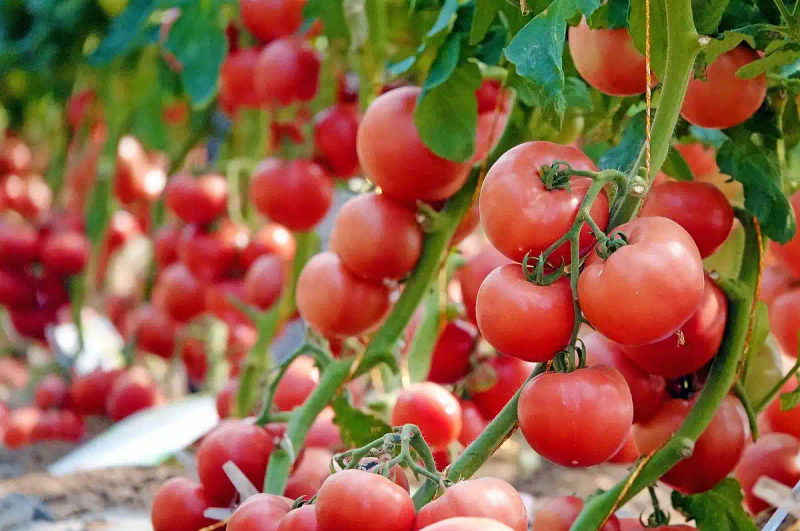
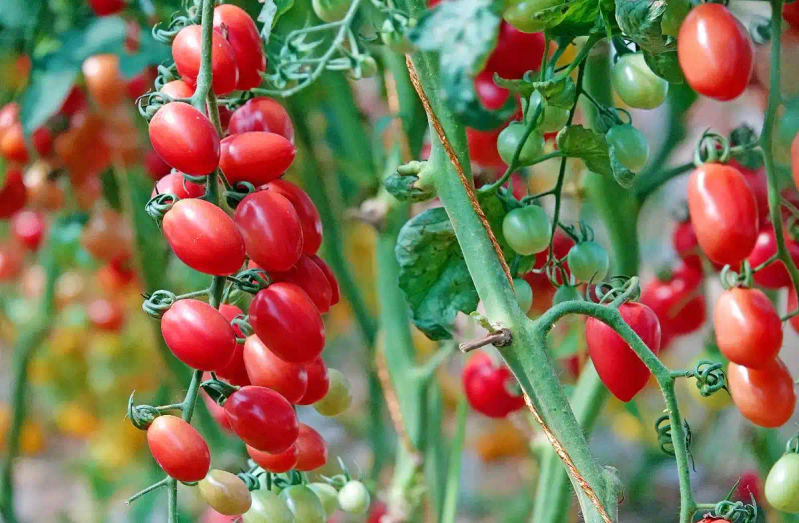
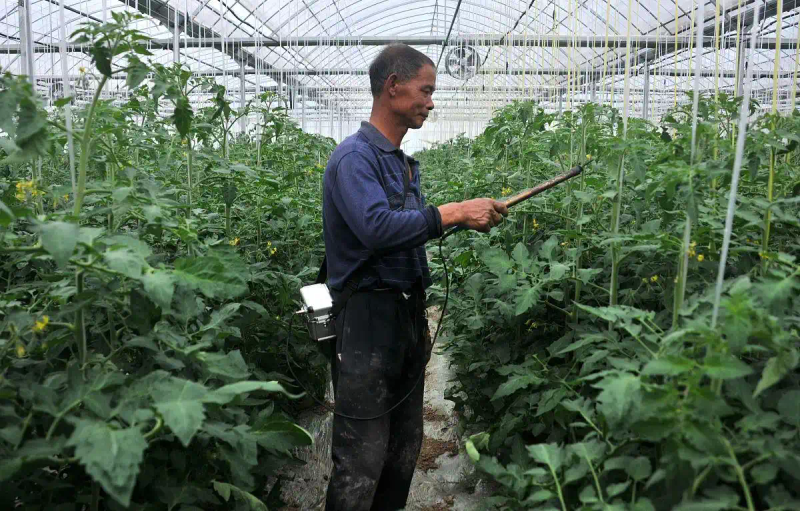
Tomatoe long autumn cultivation is an emerging efficient planting technique in recent years. In general, seedlings took place in mid-july and later in the chong cai region, which moved into cultivation in mid-august and later in the month, and began harvesting after mid-october, and replanting in early december. With a suitable temperature and a good quality of tomatoes produced in the late autumn, the market period is already in a light season of tomato supply, where markets are well marketed and economically efficient. The pre-autumn planting period took advantage of natural post-autumn temperatures and required facilities to stay warm during the second half of the period. It is therefore appropriate to take management measures to strengthen management over time。
I. Soil fertilizer
Cleaning of the field before planting to reduce the disease-source base. Finely fertilized and fertilized at the bottom, and soil fertilized to reduce the number of subsequent fertilisations. Fertilizers are based on fully fertilized organic fertilizers, typically 5 cubic metres organic fertilizer is applied in acres, of which 150 pounds are condensed, 100 pounds exceed calcium phosphate, 20 pounds of urea, 25 pounds of potassium sulphate, or 80 to 100 pounds per acre using compound fertilizer。
Ii. Emplacement and density
The yenqiu plant, which is protected by flat-stamp migration, has a slightly higher planting density than the spring crop, leaving three fruity ears alone. Regularly in the early autumn and with relatively high temperatures, evenings should be selected to be filled with timely water for early and slow seedlings. In case of strong light when planted, the sun should be covered and cooled by means such as sun-covering and water-filling. The seedlings retreat to cover the sun. During this period, small-scale water is used to maintain soil moisture and stimulate new root expansion。
Post-plant field management
1. Temperature management
After planting, there was a period of relatively high temperatures, which were reduced by sun-shielding to ensure that interplant temperatures were not above 30 degrees. After mid-september, when the external temperature dropped to between 18 and 20 degrees, protection facilities were to be installed, with proper vents kept, with temperatures at 25 to 28 degrees during the day and at 15 to 17 degrees at night. Temperature drops again, air vents are closed and no longer ventilated. However, proper ventilation is required when the temperature in the shed is high during the day and above 35 degrees. In mid-october, temperatures remained at 24-28 degrees during the day and at no less than 10 degrees during the night. In order to prevent sudden cooling from causing damage to plants, regular attention is paid to weather forecasting and preparedness。
2. Fertilizer water management is key to the high production of late autumn tomatoes. In early autumn, when temperatures are high, in order to reduce temperature and prevent the occurrence of viral diseases, frequent water should be used, but over-drive water, especially soil water, can lead to the planting of long plants and the falling of flowers and fruit. Care must therefore be taken of the frequency and quantity of water to be watered in a dry manner. On the basis of bottom application, double fattening is followed up during the expansion of the fruit crop by a combination of cropping and seedling promotion. The first fruit grows up to 25 pounds per acre of walnut fatting water. In the later stages, organic fertilizers are flushed with water and water is distributed once for 10 to 15 days. Water should be distributed in a timely manner in order to prevent the occurrence of diseases。
3. Plantation adjustment
Autumn tomatoes, using a single-bard whole branch, even if the main tuber results, the rest of the branch is removed, leaving three ears each, and the heart will be blown away, promoting more results and producing more results。
Plumbing fruit
After october, low night temperatures are detrimental to pollination and fertilisation, with an increase in the rate of results using 2,4-d or ketchup sprouts or sprays when there are 2 to 4 open flowers per ear。