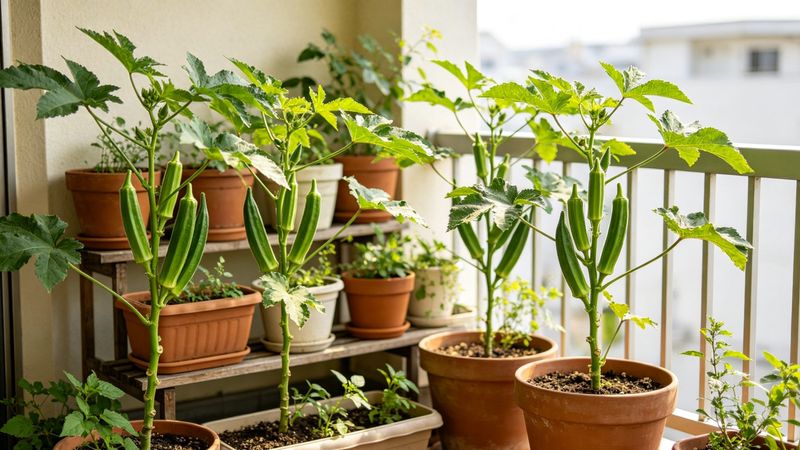
They are often confused by the fact that, while they are fertilizing carefully, their own flesh is either wearing long skirts and loose leaves, or their roots are rotting, and their leaves dry, while others' flesh is thick and bright, and they even burst into a pot. In fact, large amounts of meat are produced in poor environments such as deserts, gobis, which are inherently resistant to infertiles, demand for fertilizers is much lower than normal flowers, and the key to fertilization is not “more feeding”, but “resistence”。
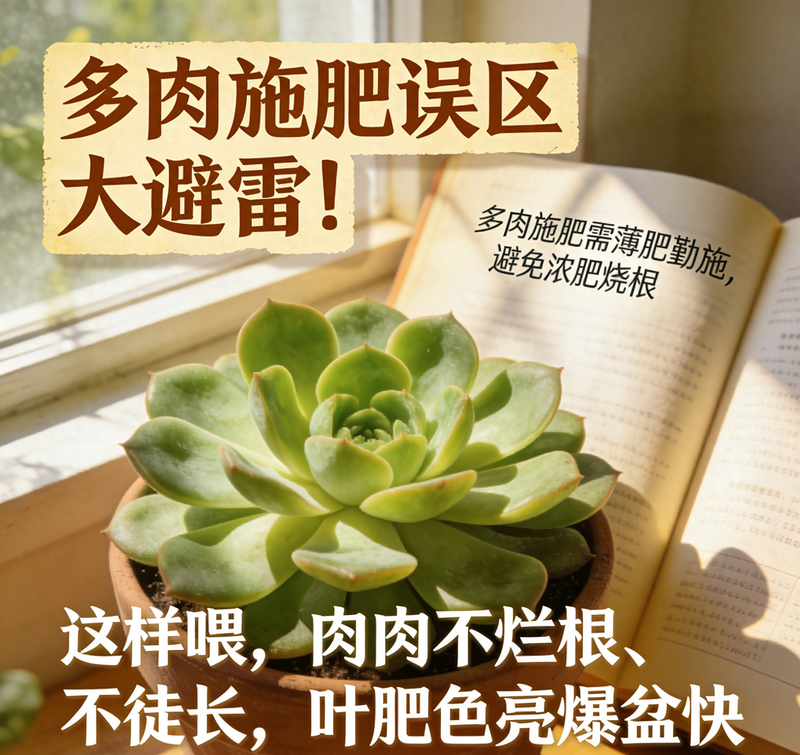
Measured data from multiple meat conservation rings at the beginning of 2026 show that the fertilization rate increased by 62 per cent from multiple meats by type, and the brightness of leaves increased by 45 per cent, much higher than the blind fertilizing plant. Today, in the context of the latest conservation experience, we will break down the most easily pedestal fertilized areas of the newer and share a set of “zero-fault fertilization” techniques, from timing, variety and concentration to practical skills, with every detail available, so that new hands can produce plenty of meat。
First, pit first: 5 high frequency fertilization areas, 90 per cent of new recruits
In many cases, it is not because of lack of fat, but because of the wrong way in which it is applied. These five common error zones must be avoided in a timely manner。
Mistake i: fertilization throughout the year, regardless of the growth cycle
The growth rhythms of meat are “long-lived” and “sleeping” and fertilization must follow the cycle. The temperature of spring and autumn is stable at 15-25°c, during which the roots are active and fertilization is efficiently absorbed, while the high summer temperature (over 30°c) and the low winter temperature (under 5°c) are dormant, growth is stagnant and roots are no longer absorbing nutrients, at which time fertilization increases the burden on the roots, while the light is long and the heavy is bad. There is also a new pot of meat, which is to be fertilized after the jar (about 1-2 weeks) and the new pelvis has not recovered and the premature fertilization will affect the root。
Erect 2: concentration exceeded and felt "more fed and grow fast"
The root of the flesh is fragile, and the weight of the fat makes the soil permeate, causing the roots to dehydrate and “burn” with yellow leaves and atrophy for 1-2 days. The mistakes frequently made by the newcomers were direct application at the certificate level, even with an unauthorized addition, but it was unknown that the rate of absorption of nutrients in the household environment was far less than in the shed. The correct approach is to be “better than thick”, with liquid fertilizers diluting by 50 per cent, with solid fertilizers of no more than 1 gram per application (about the size of the thumbcap) and preferring to be applied less often and not at risk。
Mistake three: no species, universal fertilisation
There are significant differences in nutritional needs due to the abundance of meat in different subjects. The skyscrapers grow fast and require balanced fattening; 12 rolls of roots are tender, warm and fat; cactus cactus are impotent and less fat; apricot root is thin and less fat. The use of the same generic diet blindly can only lead to nutritional imbalances — such as the application of high nitrogen to the pyrotechnics, which can cause the planters to grow apart; and the application of heavy fat to the jade field, which can burn the meat roots and make the leaves and the windows lose their sense。
Mistake iv: live fertilizer is used directly and “naturally harmless”
Many florists like to make organic fat with rice water, fruit peels, fish intestines, but unfertilized “fertilizers” are “toxics” of meat. Fertilizers produce high temperatures when fermenting in the soil, which directly “burn” root systems and breed bacteria and fly bugs. Home-made organic fertilizer must ferment for more than three months, liquid fermentation to a level that is no more than acid, darker colours, solid cedars to a minimum of 10 times less for safe application. In case of trouble, organic fats such as rotting goat and earthworm dung are purchased directly and buried on the side of the basin in a safe and improved soil。
We're in trouble
The best timing for fertilization is when the pelvis is dry, when the pine is fertilized and the roots are more efficiently absorbed. If the pelvis are still damp, fertilized, the soil is overwatered, and fertilizers tend to accumulate at root, increasing the risk of rotting roots. In addition, fertilizers are selected in the morning or evening to avoid high noon temperatures and to be applied after cooling in the summer and to avoid “burning roots” due to a steep rise in the soil temperature。
Ii. Diagnosis feeding: 4 major types of multi-corporate fertilization programme, effective
There are different varieties of meat, and the logic of applying fertilizers is very different. Below are four popular types of cactus, cactus, apricot, and apricot, which are shared through a nationwide fertilisation program that has been measured by the florist, with the newbies directly in the chair。
1. Scientific meat (chives, peach eggs, marcus, etc.): balanced fertilizer, boosting pot colour
Scene is the most popular of many meats, leaves are thick, growing faster, demand for nitrogen, phosphorus and potassium is balanced, and the core of the application is “blasting sprouts, brightening leaves”. In the selection of fertilizers, multi-meal fertilizers (about 4:6:3) that produce a balanced dose of potassium nitrogen phosphorus over the long term can boost the growth of the leaf and make the tub strong; pre-facing (end of spring) can be replaced by potassium phosphorus, such as potassium phosphate, to promote flowering; and can also be used to ease and save attention。
With regard to the frequency of application of fertilizers, one or two times a month is applied during the spring and autumn growth season, and the liquid fertilizer is applied once a day, so that the mild fertilization is buried once a month. Growing hybrids such as marcus and captain gyrograss can produce thin liquid fertilizer every 15 days to promote the growth of side-breeding; full-sized varieties of leaves, such as peach eggs and bear children, can be used once a month to avoid the increase in fattening that leads to filamental water. When the light is sufficient, fertilization can increase the proportion of potassium phosphorus fattening appropriately, making the lobes redter and the foliage more visible。
2. Twelve volumes of meat (earths, life, elephants, etc.): mild and corrosive, leaf-browing windows
Twelve volumes of meat are “negative” and roots are the root of the body, which is afraid of water accumulation and of fattening, and the core of the application is “temperature and fertilization and root feeding”. Fertilizers give preference to mild organic fertilizers or water soluble fats with corrosive acid in order to avoid high concentrations of fertilizers; they can also use a moderate decomposition at a balanced rate of potassium nitrogen phosphorus, with slow release of nutrients and safer for root systems。
This type of meat is growing at a slow pace, with low demand for fertilizers, with no more than two fertilisations throughout the year and only one each in spring and autumn. A small amount of slow-decompression fertilizer is buried by the basin in the spring, and a diluted organic fluid fertilizer is applied once in the autumn to meet annual growth needs. Fertilizers are “bare-to-extreme” and liquid fertilizers are diluted at a rate of 1. 1500, with a small amount of irrigation along the basin to avoid spilling into the heart of the leaf; a small amount of bone powder can be added to the soil as base fertilizer, with a bed-to-basket plating at the bottom of the basin to make the leaves and windows brighter。
3. Cactus cactus (cactus, cactus, etc.): less fattening and more flowering. Long
The cactus is extremely drought-resistant, has a strong capacity to store water, has a poor natural environment, and its core is “lower fertilization, with a focus on potassium phosphorus”. In the selection of fertilizers, the production and long-term use of a balanced compound of potassium nitrogen phosphorus in exchange for high phosphorus fertilizer (september-october), such as potassium phosphate, can facilitate the flowering of pregnancy buds; a slow decomposition of fertilization is the best option, which does not require frequent filling for a single application and is suitable for “slipper conservation”。
The frequency of fertilization follows the `seasonal fertilisation year ' , with one application per spring or autumn and no more than two fertilization exercises per year. The demand for growth and flowering can be met by burying three to five slow fertilizers in the spring and applying a diluted potassium phosphorus fertilizer once in the autumn. It should be noted that this type of fertilizer can lead to spherical longness, deformation or even non-flowering, and that even growing varieties are not subject to monthly fertilization; the soil ratio tends to be granularized (more than 70 per cent of the particulate soil) and fertilized so that the soil can dry quickly。
4. Pentachlor (bite, meat cones, etc.): less fattening, more strains hana
Apricotal roots are fragile, water storage is strong and resistant to infertile fertility, and the core of the application is “lower use of light fertilizers and oxen-based phosphate”. Fertilizers select organic fluids with very low levels of multi-meal fertilizers or decomposed fluids to avoid the use of high nitrogen fats that would lead to long-growing and cracking plants; before flowering (at the end of spring), they can be supplemented with a small amount of phosphorus potassium fat to promote flowering。
Fertilisation is extremely low and can be performed once a year in spring and autumn, and even if it is not applied for a long time, it can grow normally. The demand can be met once in the spring with a diluted rate of organic fluid fertilizer of 1. 1500, with a small amount of ablution in the autumn. Fertilizers are applied in a manner that avoids the foundation of the plant, slowly watering along the basin to prevent the exposure of the fertilizer to the root system leading to decomposition; no additional glycolytics are required to replace the basin, small nutrients in the soil support growth, and more fattening allows the plant to “break” the skin。
Iii. Practising skills: 3 details to work, no new ones to fail
The practical details of the application are equally crucial when selecting the fertilizer and finding the right frequency, and these three proven techniques can double the application。
Skill one: fertilization is combined with water and nutrients are more easily absorbed
Liquid fertilizer can be applied with water, which will slowly water the diluted fertilizer along the basin, allowing nutrients to penetrate the root system with water, and avoiding direct storming of the plant base. After fertilization, if the soil is too damp, it can be used for one to two hours in the ventilation area to accelerate soil drying and reduce the risk of rotting roots. The decomposition needs to be buried five centimetres by the basin, away from the root system, avoiding direct contact leading to the burning of the roots, and then the proper watering。
Skills ii: spraying of the leaves + soil and more efficient double fertilizer
A combination of “leaf-spray + basin-watering” can be used for large amounts of meat with less absorption capacity. When the leaf is sprayed, fertilizer concentrations will be reduced by an additional 50 per cent, with a thin-hole canteen being applied evenly to the right side of the leaf, avoiding the foliage and quickly replenishing the nutrients once a month; the pelvis will be ploughed at a normal thin rate of 10 to 15 days, with double fertilizer being safe and efficient。
Skill three: adjusting to state. In
When there is a shortage of fat, it is shown to be a dry, dark colour and slow growth of the leaves, when the supplementing is gradual, half-circumulation is applied, and three to five days are observed, and if the foliage is in an improved state and becomes fully full, then normal concentrations return to normal; if the foliage becomes yellow and curly, the concentration may be too high, and the soil of the basin needs to be watered immediately to dilute the excess fertility. In addition, when the light is not enough, even if it is not, it is not necessary to add weight, either to the light, or to the master。
Iv. Daily conservation: assisted fertilization, doubling the resistance of many flesh
The effects of fertilization are dependent on the daily conservation of science, which allows more meat to absorb nutrients and double resistance。
The soil needs to be soaked, which is the basis for healthy growth of the flesh. Recruiters may choose peat, pearl rock, granular earth (e. G. Wheat, volcanic rock) mixed at a 1:2 ratio, with a high percentage of particulate soil, which can improve soil permeability and drainage, avoid stifling the soil and allow the roots to better absorb fertilizer nutrients. Every spring, when the basin is changed, new soil is replaced, while the aging roots are trimmed to promote new roots。
Light must be sufficient but proportionate. Most meat prefers sufficient sunlight, ensuring three to four hours of dispersing light per day, allowing the plant to grow compact, full of leaves and better absorbing nutrients. In the summer high temperatures, appropriate shades are required to avoid the tan of the leaves; in the winter, they are to be placed in areas where there is sufficient light and the temperature remains above 5°c, and to avoid freezing leads to reduced resistance。
Watering is based on the principle of “dry-watering” to avoid prolonged dampness of the soil. Overwatering can lead to oxygen deficiency and, even when properly applied, failure to absorb nutrients normally increases the risk of rotting roots. The water is watered in the morning or evening, in the summer and in the winter, in the afternoon, by the basin and in order to avoid the fallout。
Topical discussion
Have you ever fertilized meat with a pedestal and a pedal? What are your exclusive fertilisation techniques? You're welcome to share your experience in the comment section so that more flower friends don't turn around