Requirements for environmental conditions for normal seasonal cultivation
Tomatoes are a warmer vegetable, but they are not hot. In the provinces south of the yangtze river, summer cannot be spent, mainly in spring and summer. Chongqing produced tomatoes divided into cognac tomatoes and autumn tomatoes to avoid high temperatures and drought in july-august. The summers of guangdong and guangxi were soaked in autumn and winter, with harvests in the early spring of the following year. The requirements for temperature and light are more stringent for the whole life of tomatoes. The minimum temperature at which the seed germinates is 11°c, appropriate for 25 ~30°c. It is best to warm up by 20-25°c and 15-20°c at night during nutritional growth. If the temperature is too high or too low, the bouquets are delayed, the number of flowers per sequence is reduced, the flowers are smaller, they are easily released, the temperature of the flowering result should be slightly higher, but it should not be above 30 °c, and if it is higher than 30 ~ 35 °c, it causes a physical barrier. Suitable temperatures in the outcome period are somewhat lower than in the pre-growth period and contribute to the expansion of the fruit。
The intensity of light also has a strong bearing on the growth and development of tomatoes, with abundant sunlight and abundant photosynthesis. If light is weak and light is too short (no more than 8-9 hours per day in autumn and winter), growth and production can also be affected by long tubing, thinning of leaves, light greening, poor quality of flowers, and easy to fall. Tomato roots are well developed, resistant to drought and flooding, and require high levels of fat. As a result, the conditions of soil, water and fertility are very demanding. In order to achieve a high yield of acupuncture tomatoes, it is necessary to select soil that is lax, fertile and water-protected. In addition to creating an appropriate climate of warmness during the birth process, irrigation, fertilization, weeding, earth-breeding, cropping, flower prevention and pest control are required for different reproductive periods。
2. Main difficulties of anti-seasonal cultivation
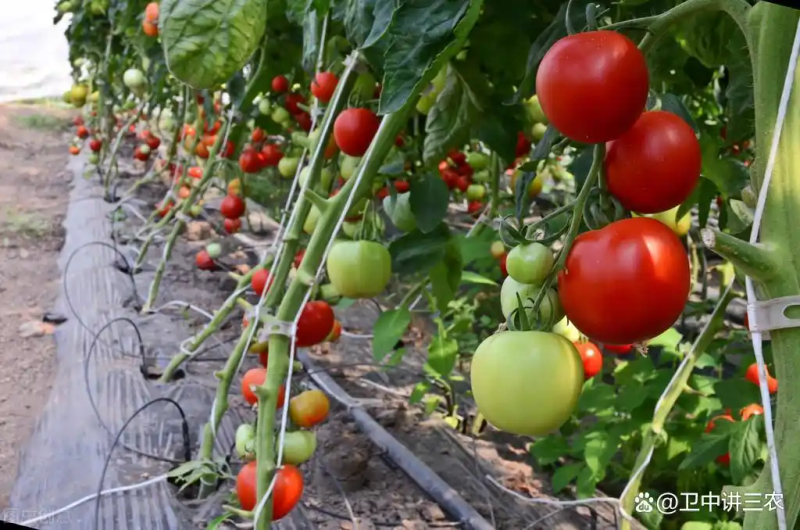
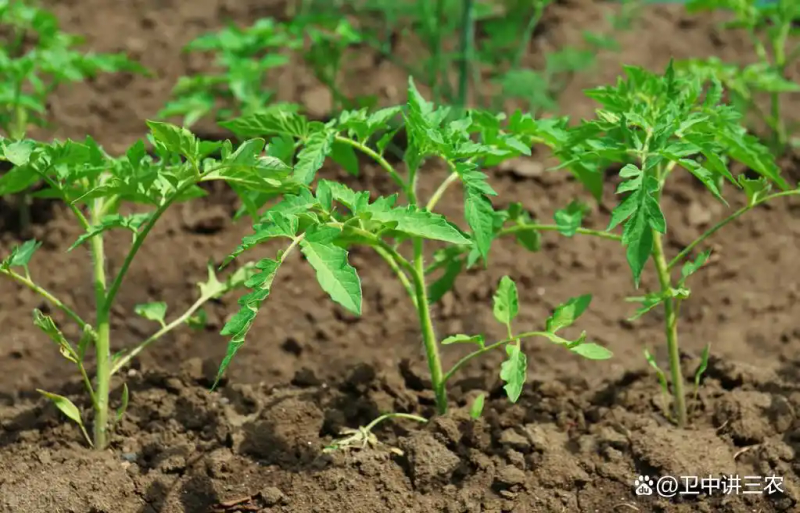
Autumn tomatoes have a fertility period of about 110 days. The fertility process can generally be divided into three stages. The first stage, from sowing to the first stage, is called the nutritional growth stage, which is about 40 days. During this period, the external temperature is high, the humidity is high and the plant is growing at a fast pace. The main problems at this stage are the vulnerability of plants to dead seedlings and viral diseases, as well as to the growing of the leaves. Of these, viral diseases are the most dangerous. The control of viral diseases is a technical difficulty in the development of the large sheds for the autumn tomatoes. The second stage, from the beginning to the end of the top, is called the flowering season, which lasts approximately 30 days. During this period, changes in external temperature have gradually shifted from high to moderate temperatures. The flowering period of the second and third bouquets is conducive to the growth and development of plants in high-temperature, well-lighted environmental conditions. At this stage of fertility, the main problem is the high temperature affecting the bouquets, which tend to cause the growth of the first fruit fruit and fruit, as a result of the deformities of the bouquets, the small color of the bouquets and the emergence of perverted leaves at the top of the bouquets. The third phase, which began with the expansion of the top precipitous fruit, ended with the emergence of a critical cryogenic force in the shed, known as the ripening phase of the fruit. During this period, temperatures fell day by day, temperature differentials increased day and night, air moisture increased in the sheds, plants were in high-humid and low-temperature environmental conditions, with severe ill conditions, resulting in premature plant failure and reduced yields。
3. Choice of varieties
Choosing a variety of resistant, productive and durable varieties, such as cooperative 903, xian jhufeng, no. 4, no. 5, no. 9, no. 3, no. 15, no. 1, no. 2, no. 2 and no. 4。
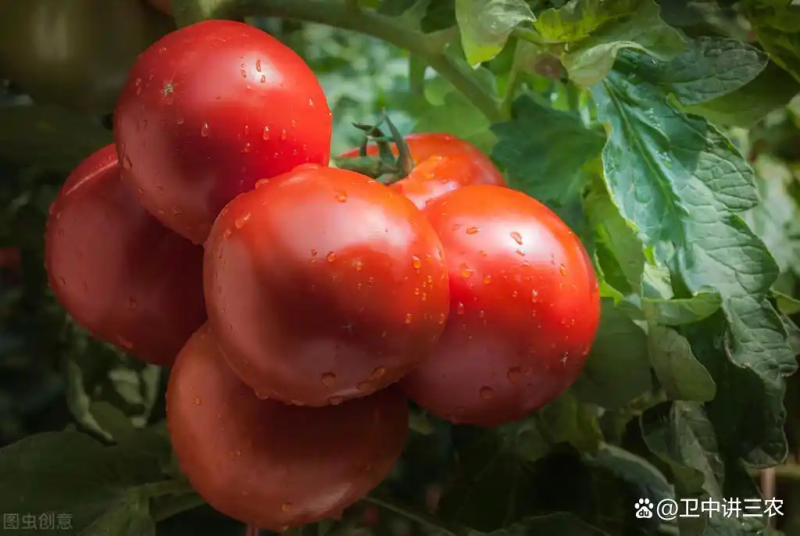
Cooperation 903: a new generation of pre-morning hybrids with a strong plant, the first of which is found in sections vi to vii, with three sequences with self-capturing, large fruit types with an average of more than 350 grams of single fruit and a maximum of 1,000 grams. Growing fruit is red, high ball shape; fruit and meat thick; fruit skin is strong, smooth, non-fracky, durable for storage and transport; tastes are good, commodities are strong, the varieties are well adapted, hot, dry, anti-virus disease is resistant and can be cultivated in the spring and autumn, with over 5,000 kg of acre. Golden plateau no. 1: potatoes in the form of tall and infinituminal pollen. Plantation is medium-growth, small in size, short in chronology, seventh in the main tuber, and every three or two leaves from now on, with one chrysanthemum; the fruit is good in hardness, thick in flesh, large in heart, large in cores, durable in storage; the fruit is high in round size, good in shape, no green shoulder in young fruit, pink in maturity, high brightness; deformities, figs, empty figs are rare; the mouth is better: in general, single fruit weighs 200 to 250 grams; high levels of resistance to the tomato leaf virus, medium-to-medium cucumber leaf virus, high levels of resistance to foetal disease and atrophy, asympathosis and the low incidence of the plague. At lower temperatures, the rate of sitting fruit is high, the fruit expands fast and is ripe for earlier。
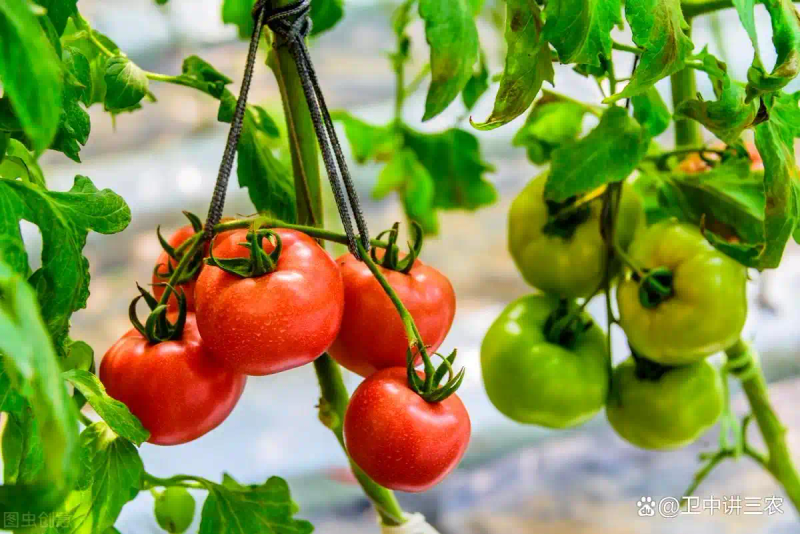
Zone no. 3: an infinite variety of red fruit types, pre-cooked, tall fruit, green shoulder-free, radiant, averaged 200 ~250 grams of single fruit, large size up to 350 ~ 500 grams, even size, deformity and fibrosis are rare. Long shelf life. Good resistance, high resistance to tomato leaf, medium resistance to cucumber leaf, cyanosis, high resistance to folate and atrophy, ash poisoning, and low incidence of late disease. Very few palsy. Good heat。
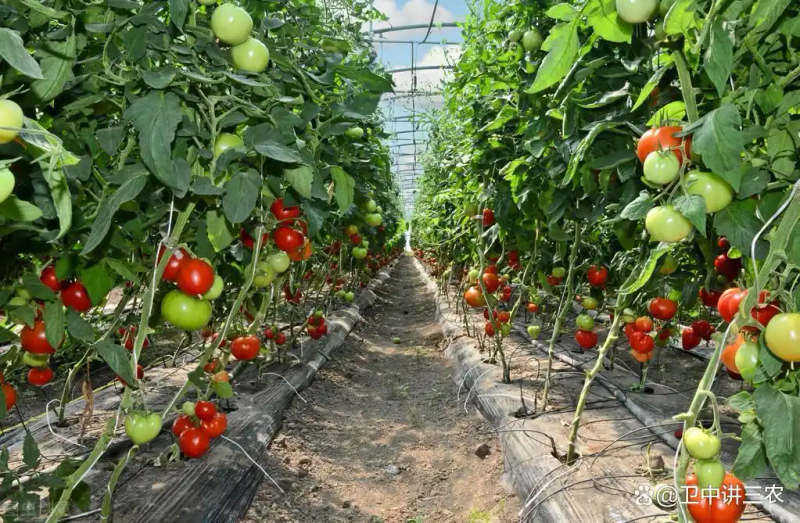
4. Plantation management measures
(1) fertilizing the whole area. Select the plots that have not been grown in eggplant crops for almost 1-2 years, with deep tillage, with 150 kg of pie fat and 30 kg of compound fat applied to each acre (one acre of 667 square metres, followed by) and poaching at 1. 2 m after 10 days。
(2) cultivation. The selection of seed-free vegetable gardens, 100 kg of garden bread, 1 kg of compound fattening, 0. 3 kg, fully mixed, filled with 12 cm x 1. 2 cm of nutrients after a month, and the suitable planting of the autumn tomato shed was in mid-july. The seeds are tanned two to three days before planting, with two to three seeds per seed cast on each sodium, and are then sown in a nutrient .. . . . . . . . . . . . . . . . . . . . . . . . . . . . . . . . . . . . . . . . . . . . . . . . . . . . . . . . . . . . . . . . . . . . . . . . . . . . . . . . . . . . . . . . . . . . . . . . . . . . . . . . . . . . . . Usually in the evening. Aphids and slashed night moths are protected from seedlings, and are selected for soil planting when they are 25 days old or so (in four or five leaves)。
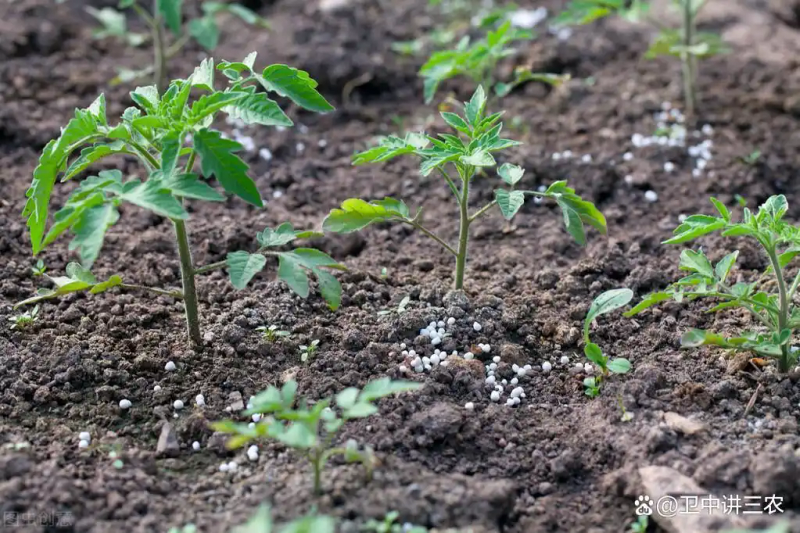
(3) cultivation. Plantation is usually established after 4 p. M., 78 cm wide, 42 cm narrow, 25 cm wide and 4,500 acre。
(4) field management。
Water for fattening: 3 per cent of the compound fertilizer or 10 per cent of the septic water takes root. After 10 days of planting, 3% of the compound fertilized fluid was ploughed. The whole life follows the strength of the plant 4-5 times. Early care for nitrogen control, 10 kg of urea per acre when one fruit walnut is large. Three of the nuts were stabilized and 10 kg were applied. The local water is filled on time, usually after 4 p. M., when the local white is displayed. At the same time, care is taken to clean water and prevent wetness from overcoming major outbreaks。
Weeding and earth-breeding in china: autumn tomatoes should not be cultivated too often, usually combined with weeding. I'm going to have to work on it. The fields are combined with the tillage in order to prevent fallback and weeds require timely removal. If you cover the membrane, you may not plant grass。
The whole of the leaves and the heart: the whole is usually a single or one-and-a-half. When the side branch grows to 5 cm long (a leaf is left on the side branch, the upper leaf is cut off, and a leaf is left on the side branch for the purpose of light cooperation), it is beaten. At the same time, the lower leaves were removed in order to ease the temperature and mitigate the disease. In late september, the heart was removed in time for three ears, each of which was better served with three to four fruit. The removal of surplus fruit is done in a timely manner through oozing。
Plumbing fruit: autumn tomatoes use 2x10-> ~3x10⁻⁵ ketchup or spray flowers during flowering, increasing sitting rate. Use concentration increases with lower temperatures。
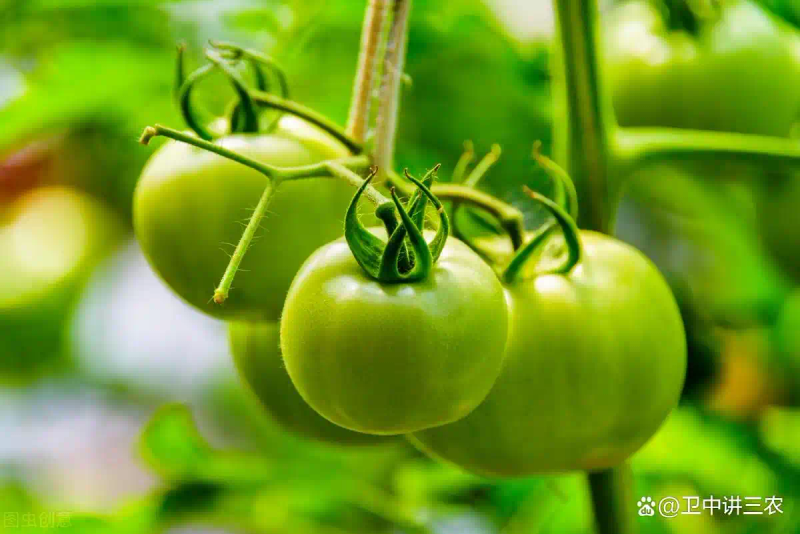
Rational use of hormones: ethylene 2x10 3 coated with a vinyl ethylene to precipitate. By mid-november, 40 per cent of ethylene 5x10* ~10 x 10,4 was sprayed with a plant, or the one-time green fruit was recovered from the room with 2x10*3 ethylene immersion, and the often hotly red tomatoes could be released in late december until january of the following year。
Insects and pests: prevention and control of diseases: early disease, disease, brown spots, can occur throughout the whole development of the autumn tomatoes, with 0. 5% to 0. 6% of bordeaux, 80% of dyson manganese zinc 800 times, 800 to 1,000 times of tobuzin, 64% of the poison-killing cylindrium 500 times the fluid substitution control, 7 to 10 days of spraying -- three times a day apart if the disease is severe. For the initial viral disease, 5 per cent of potassium permanganate spray can be used, and the severely ill plant should be destroyed to avoid infection. The treatment of viral diseases from the seed age onwards can be treated with 1. 5 per cent of the virus a 500 ~ 700 times more liquid than 800 ~ 1,200 times, or 20 per cent of the virus a 500 ~ 700 times liquid, 83-1 antigens 100 times liquid (7 days of seeding, 3 times). The main pests are aphids and pyrotechnics, which should be treated as early as possible. Aphids are treated with 40 per cent of the fruit 1,000 times the fruit, and pyrethroids are treated with 20 per cent mirex 2,000 times or 10 per cent purifier 2,000 times。
4. Special technical requirements
(1) cave. In order to prevent the direct splattering of plants by rain, it is advisable to plant seedlings in a membrane-covered shed, which is a key measure for the success of the autumn tomatoes, in the run-up to the high temperature rainy season。
(2) ventilation management. High external temperatures in the pre-reproductive period of the autumn tomatoes, and in the shantytowns covered by the membranes, -i will be careful with ventilation management to prevent high-temperature physical disorders. The usual practice is to roll up all the films around one metre high around the base of the shed, so that they can be ventilated day and night until external temperatures are reduced to about 12°c, so that they are gradually lowered and turned off during the day and night. At the end of the gestation period, the external temperature drops sharply and when the minimum temperature drops to 5°c, there is no ventilation in the shed and coverage measures are used。
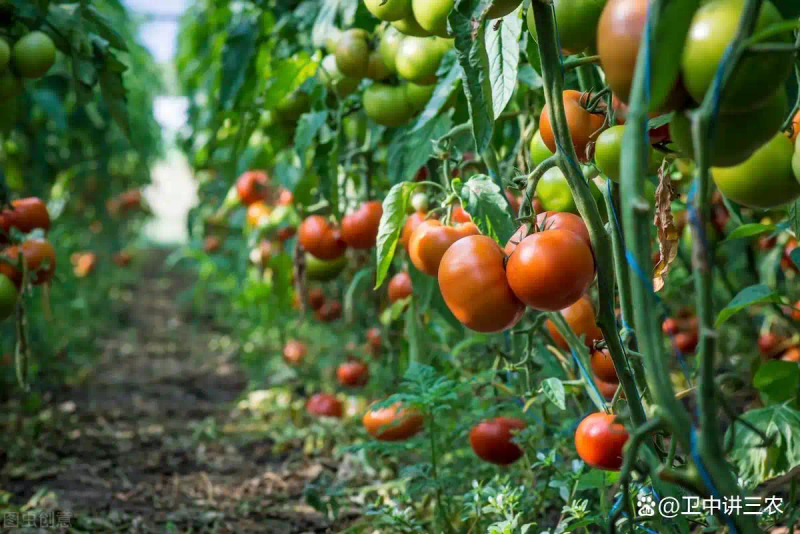
(3) cover the cold veil. After the seedlings were planted in the shed, cold veils (sunnets) were covered with cold veils at high noon temperatures. The cold veil, which can be pulled up and down, is covered during the day and lifted at night. It can also be covered with cold veils at 30 to 50 centimetres apart on the sheeting of the shed, which can be unexplored for the preceding period, and all of which can be removed if the temperature falls below the suitable growth temperature of the tomatoes。
(4) application of growth regulators. Autumn tomatoes are growing with high temperatures, poor sunlight, high respiratory consumption, and the plant leaves are often long. In order to adjust the fertility status of the plant and to maintain a balance in the scavenging relationship, in addition to the strengthening of middle farming and strict control of water management, regular application of contusions at the nutritional growth stage is an effective method. It can begin with a centrifugal of the three leaves of the seeding period until the first bouquet is ploughed every seven days at a concentration of 1 x 10 ~. In order to increase the sit-in rate of tomatoes and promote their expansion, the application of plant-flooding to the autumn tomatoes is an indispensable technical management measure, which can be sprayed every 2-3 days with 2x10⁻¹⁰- or 4x10-s of tomato omelet。
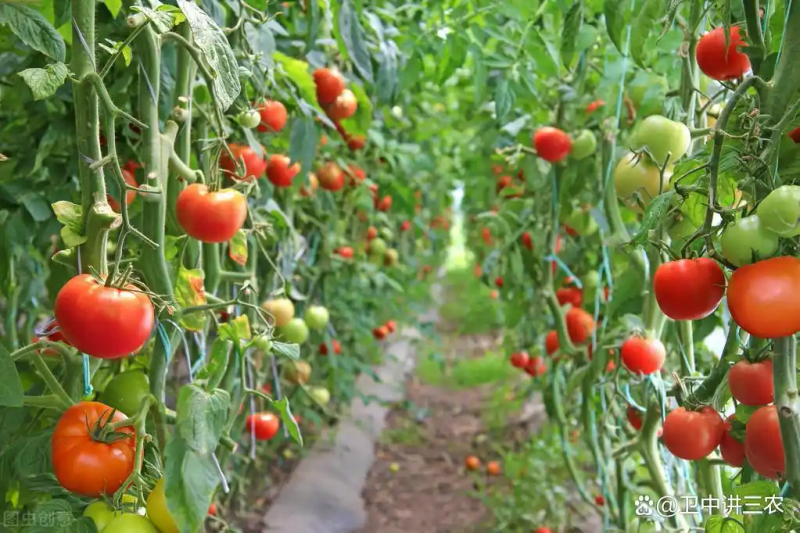
(5) additional co2. In the early stages of fruit expansion, co2 was used continuously at a concentration of 1 x 10, during the negative days of 5x10** ~ 8x10* and during rainy days approximately 30 days of co2. The application of co2 can promote tomato growth and increase production, early marketing, good quality and high prices, with the aim of increasing yields。
(6) autumn tomato pre- and post-trip arrangements. Spring cucumber + summer cabbage + ketchup + winter spinach. That's mid-february to mid-june (about 120 days). Summer cabbage from late june to late july (about 30 days) autumn tomatoes ranged from early august to early november (about 90 days) and winter spinach from mid-november to early february (about 70 days)。
Note: autumn tomatoes cover their seedlings with cold veils in the open, and in early august, the time was specified for planting in the shed。
Concluding remarks