01 full-way technology management programme
[introduction]
The cold winter climate poses considerable challenges to tomato growth. In order to ensure that tomatoes grow healthy and produce fruitful fruits, we need a comprehensive technology management programme. This package will cover technical guidance from seedling selection, planting management to the end of the period. It will help you cope with the harsh winter and allow your tomatoes to thrive during the cold season. We will then elaborate on the specific content of the package。
The best-chosen species and growing seed
The first priority is to select suitable varieties before planting tomatoes. The selection of highly disease-resistant, heat-resistant and productive varieties provides a solid basis for subsequent growth. And then, there's an indispensable link to the careful nurturing of seedlings. To ensure the healthy growth of tomato seedlings and adequate preparation for winter planting through sound fertilization, water and pest control measures。
In preparing for tomato planting, the first priority is to select suitable varieties. The selection of large fruit varieties that are resistant to cold, weak, high-quality and productive to ensure robust subsequent growth. Next, it is also essential to carefully cultivate seedlings. Traditional methods of seedling are usually used, including the use of nutrient blocks or cups for seedlings, appropriate front-stage shades to avoid high temperatures and direct light, and the application of lime or fine sand in seed beds to maintain proper wetting of bed surfaces and to reduce evaporation, thus preventing the occurrence of seed-bearing diseases such as runoff, stand-down diseases, etc. Where ventilation is required, light wind should be selected and fluorine avoided to ensure healthy growth of tomato seedlings. Finally, some seven days of low-temperature, drought-resilient seedlings are implemented before planting to increase the adaptability and resilience of tomato seedlings。
The whole ground and fertilizer
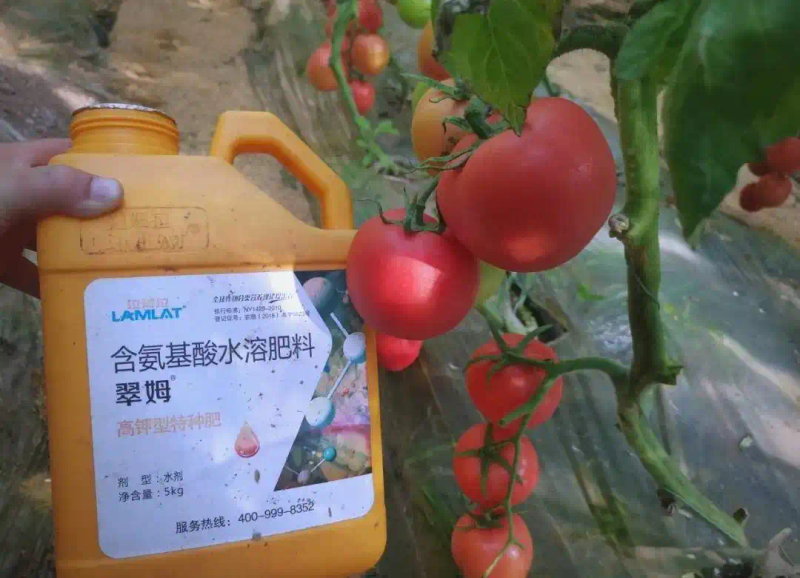
In mid-september, 10 to 15 days before planting, it was a critical period for ground consolidation and fertilization. At this time, tomato growth can be adequately nourished by a combination of trim-resistant five-particle microbacterial agents, particle-type, large-scale elemental hydrofertilizers and acid alkaline fertilization strategies. Once fertilization is completed, deep tillage will also be required to ensure an even distribution of soil laxity and fertilizer。
[deathing]
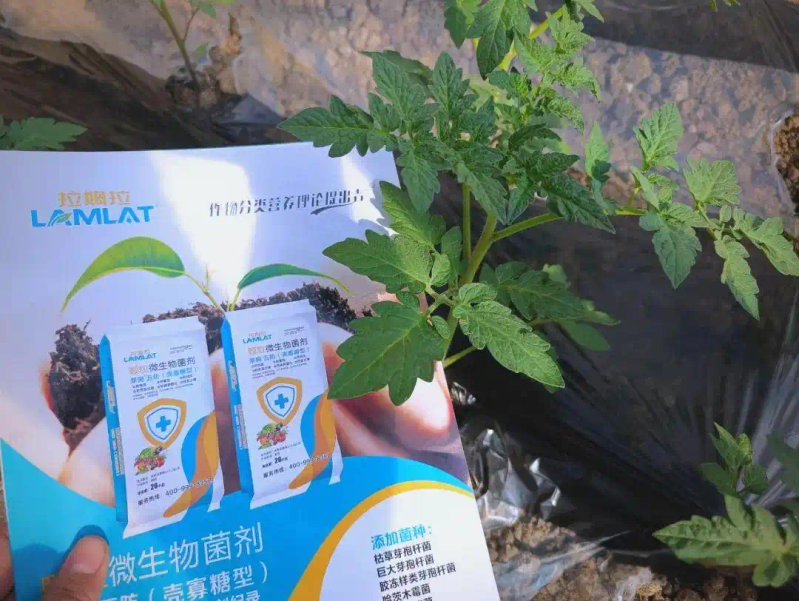
In the morning of the sun from 1 to 10 october, work was done on the planting of tomatoes in the shed. Plantation is done in a row-to-size rotation to ensure that the roots of tomato seedlings are closely integrated with the soil and that there are no gaps. The depth of the seedlings should be moderate and the leaves should happen to be 1 cm above the surface. The density of plant planting is 80-90 centimetres, 50-60 centimetres and 30 centimetres, with approximately 3,100 tomatoes per acre。
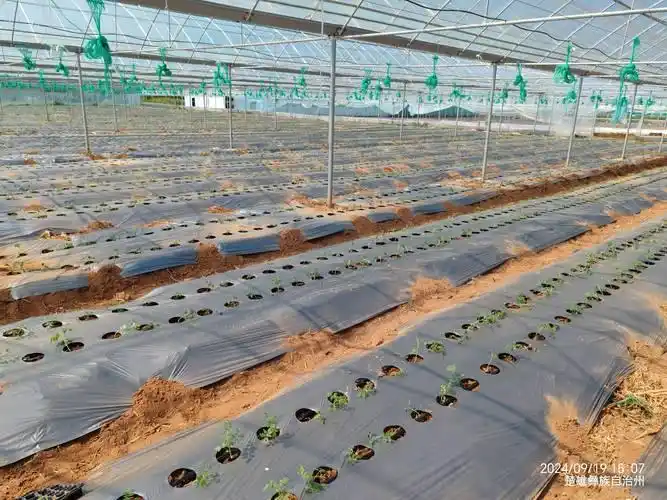
Field administration
It is not usually appropriate to water or catch up with fat for about 10 days after planting, i. E. Before the end of the scalding period. The first priority is to ensure that proper temperature conditions are in place to promote seedlings. Once the seedling is ready, a suitable amount of dark water can be poured together with the use of trimgenbido and trim microbicides to adjust the soil and stimulate the growth of new roots. Please note that the amount of water should not be excessive at this time, and that it should be used in a timely manner。
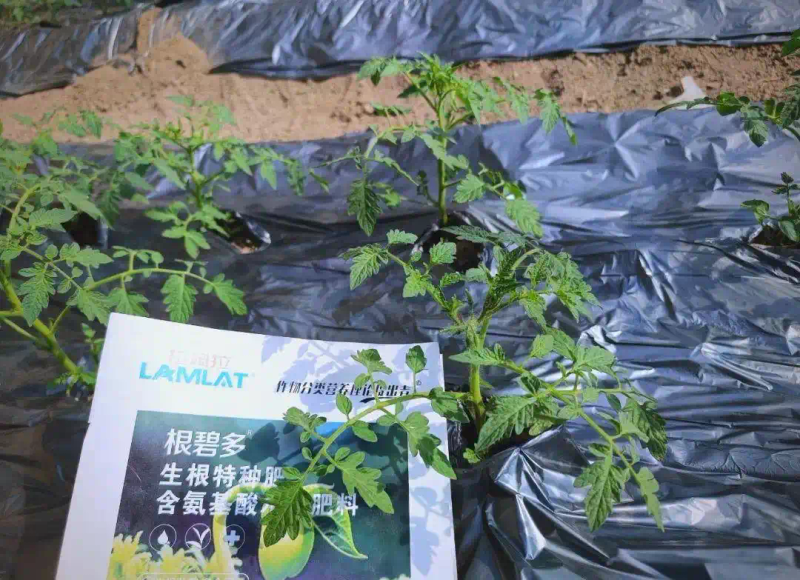
The period begins with the flowering of the first ear and ends with the styling of the last fruit, which is referred to as the flowering season. During this process, external temperatures change from warm to cold and then to cold to warm, and therefore technological management measures need to be differentiated at every stage。
In the area of temperature management, especially in the early stages of flowering results, it is easy to cause low temperature, high humidity hazards to tomatoes due to severe external weather conditions, especially with regard to the ionosphere of the wrench and the wrench, which can lead to the fallout. The management focus at this stage should therefore be on the prevention of low-temperature, high-humid hazards。
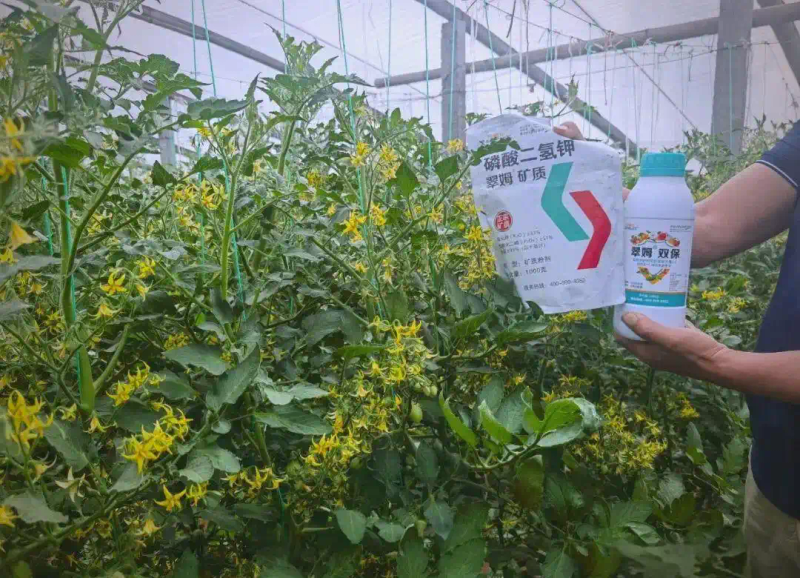
During this period, the temperature in the shed should be kept within the appropriate limits. The indoor temperature shall be maintained at 22-28°c during the day and at 12-18°c at night, and the minimum temperature at night shall not be less than 10°c or 8°c at short notice. At the same time, care needs to be taken to keep the temperature differential between day and night at around 10°c for the healthy growth and outcomes of tomatoes。
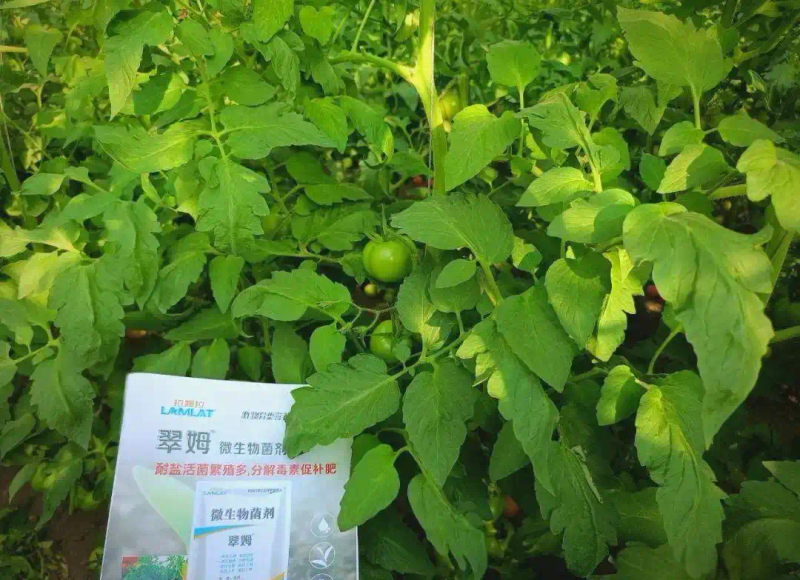
♪ follow the fat and the whole branch ♪
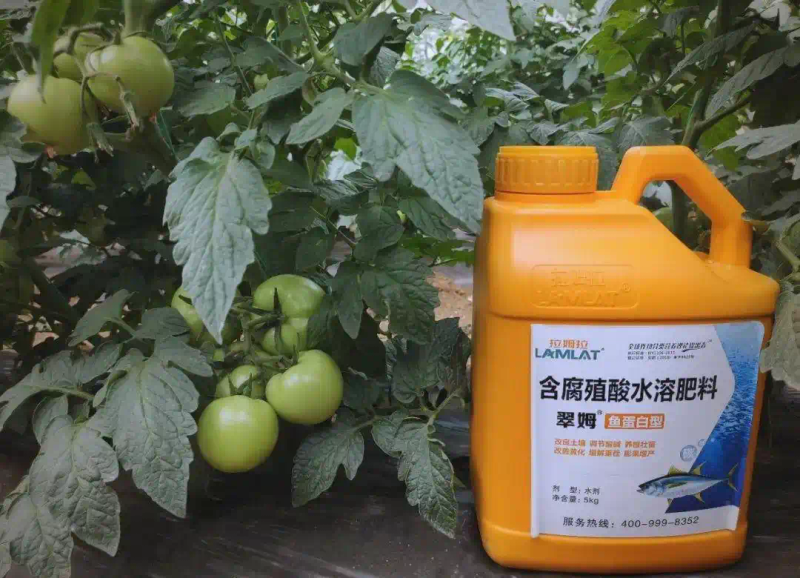
Because of the relatively slow growth and growth of the indented tomatoes, their nutritional absorption is not only large but slow, so the strategy of fattening is mainly based on root pursuit, supplemented by leaf cover. We recommend the use of large amounts of elemental hydrofertilizers in trim, combined with the application of trim carbamate and potassium phosphate to fully meet the nutritional needs of tomatoes。
[pest control ]
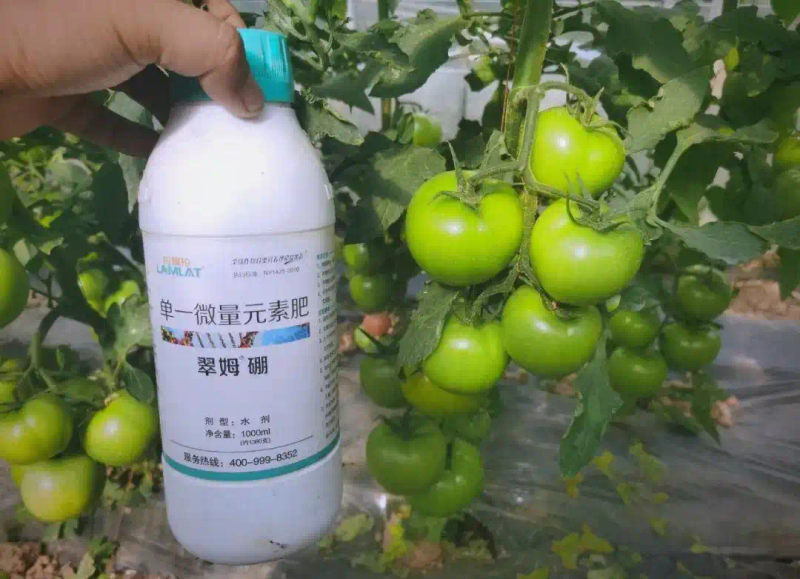
In the production of tomatoes, there are multiple pests and diseases. Physiological diseases, such as deformation, umbilical disease, fibrosis and poor colour, are often caused by nutritional imbalances caused by poor environmental conditions or mismanagement. In response to these conditions, we can use the principle of “what is missing” to prevent and treat them through the application of appropriate leaf-faced fertilizer。
At the same time, rational pathologies, such as viral diseases, early diseases, assemblage, assortment and stasis, cannot be ignored. In addition, there may be a threat of pests such as white ticks, aphids and cotton worms. For these pests and diseases, we must identify and implement appropriate measures at an early stage to ensure the healthy growth and high quality of tomatoes。