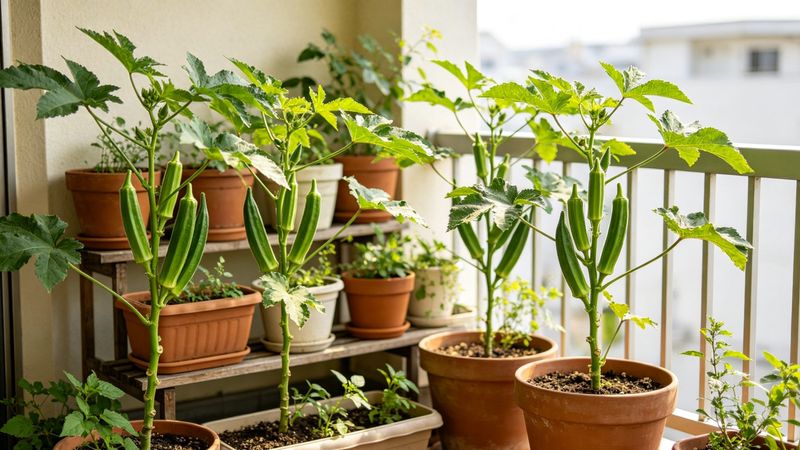
1- combination combination species: the selection of the multi-year herb mix is: white three leafs + duck mackerel + long-year sheath + one year of super-high and multi-fast grass (a pioneer herb)
2. Land selection: the selection of fertile mountains, low slopes and the improvement of natural grassland under forest cultivation or low grass production
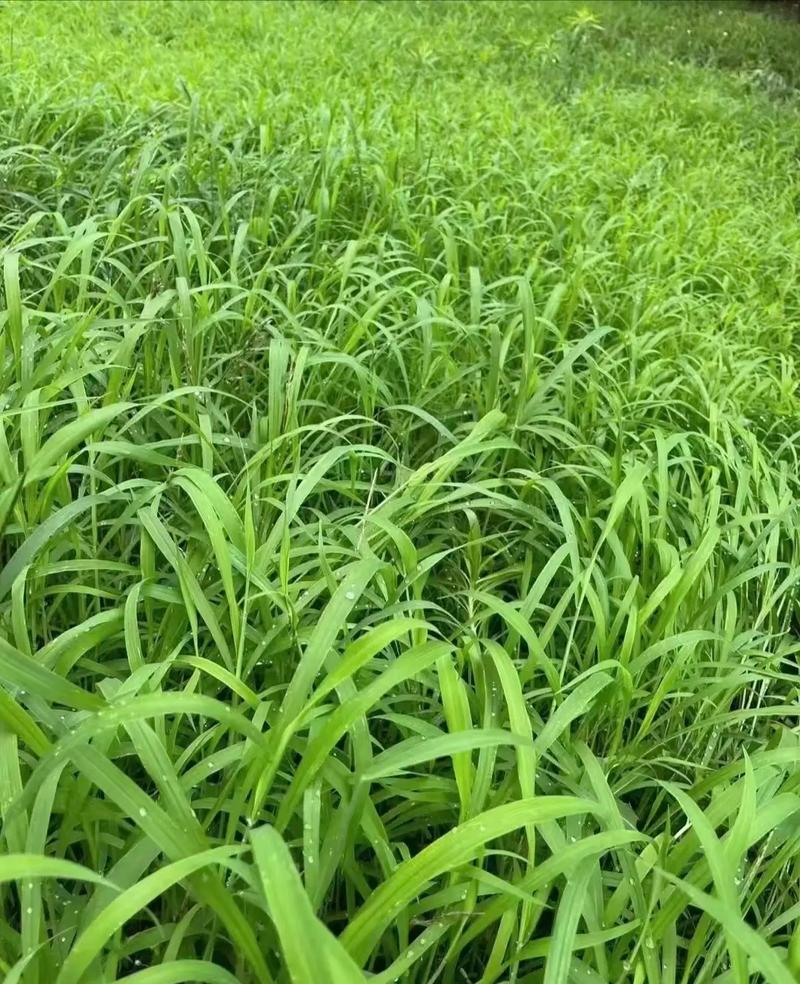
3 usage: 0. 5 kg of white leaf per acre + 0. 5 kg of duck millet + 1. 0 kg of long-year-old black wheat grass + 0. 2 kg of high-growth year-old black and brown wheat grass
The planting period: from early may to late september. During this period, the rain is abundant and suitable for seeds to germinate and grow. Areas with a relatively high concentration of rainwater are suitable for pre- and post-planting
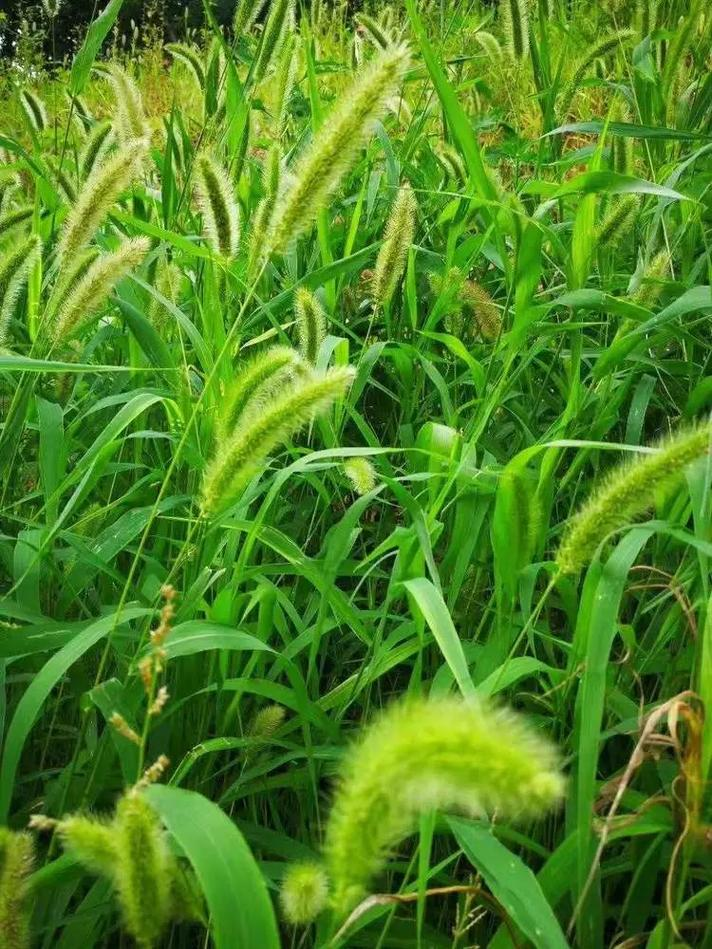
Seeding methods: using tillage, dredging, flatting and spreading, seeds are evenly mixed with fine earth and phosphate fertilizer, spread over fine, flat plots and control the amount of seed per acre. Post-scaling fully connects seeds to the earth to promote seed germinates
Fertilizers: 500 kg of farm fat, 40 kg of compound fat, 20 kg of phosphorus fat per acre for bottom fat, 10 kg of compound fat or 5-10 kg of urea
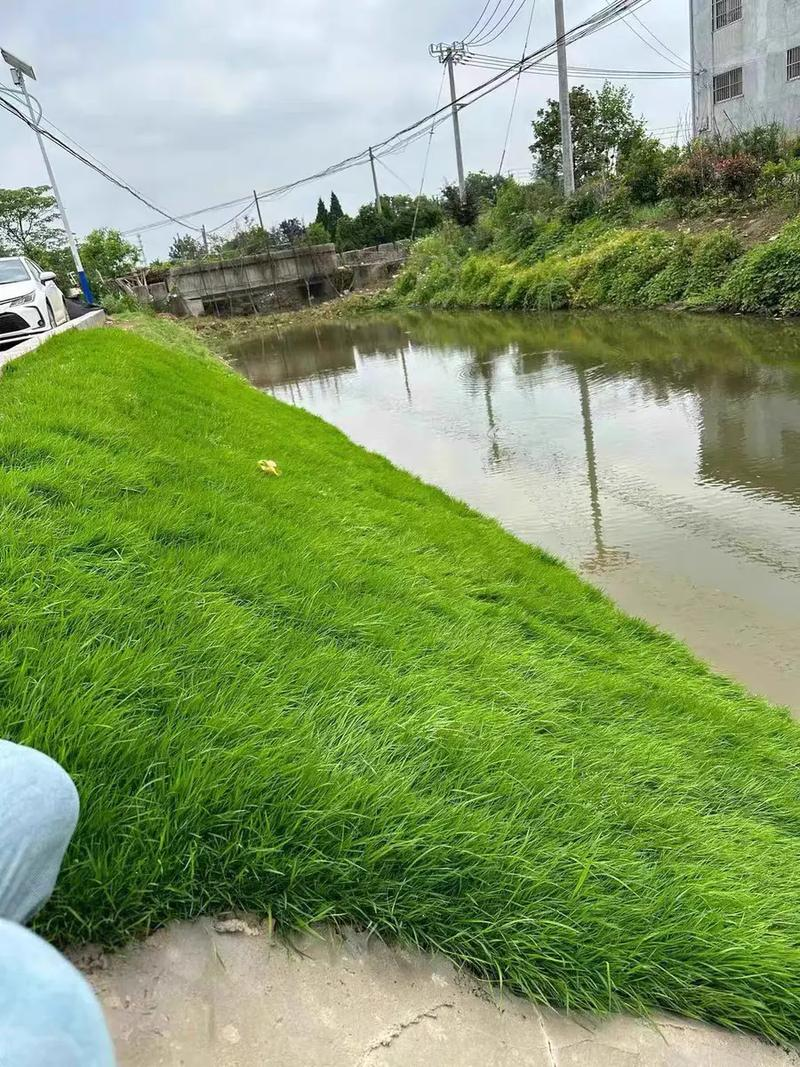
7. Grassland management: the combination of nitrogen fertilizer after rain can significantly improve production and quality. After 20 days of seeding, fattening 5-10 kg of nitrogen is used. (b) require that every weeding be followed by fattening, preferably urea, and that the pastures not accumulate water
8. Harvest utilization: weeding is done for the first time for 70-90 days and must be done for good or bad times, in order to profit from it, and thereafter every 45-60 days, depending on the herb's strength, in which weeds can be used to store or sunen dry grass. Owing to the high moisture content of herbs, an earlier harvest may be undertaken in order to prevent the “shrunk” of livestock。