


I. Three pre-plant preparations. New players can make mistakes
(i) tool preparation: 5 lists of essential items
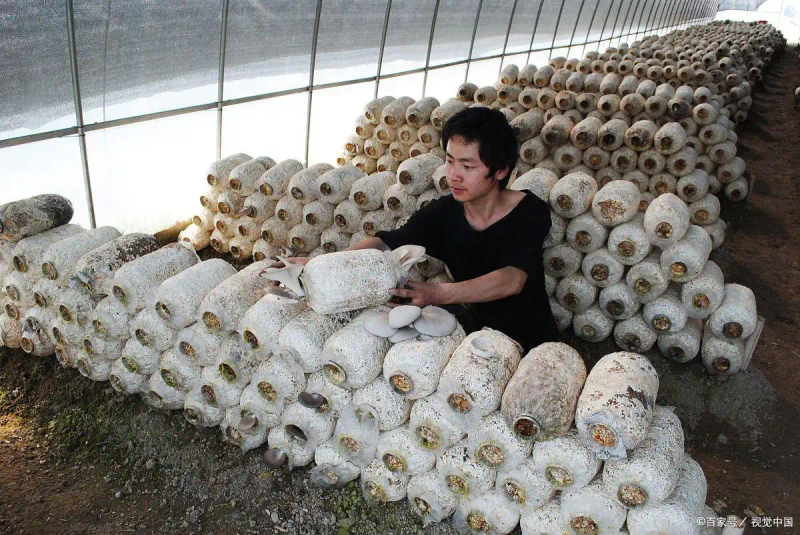
The preparation of appropriate tools before the cultivation of mushrooms is essential not only to provide good conditions for their growth but also to make the process of cultivation smoother. The first are containers, which may be selected with a flower basin or foam box 20-30 cm in diameter, which are space-neutral and provide sufficient space for mushroom growth. It is important to note that, regardless of which container is chosen, holes are to be placed at the bottom, which effectively prevents the accumulation of water and the decay of the roots of the fungus due to excessive moisture. If you pursue a more professional planting experience, a special mushroom barrel is a good option, with a formula that better preserves internal humidity and creates a stable growth environment for mushrooms。
In addition to containers, some assistive tools are required. A thin mist canteen is essential, so that the fungus can be watered evenly and the humidity appropriate, like a soft "light rain" for mushrooms. Thermometers and humidity meters are also key, helping you monitor the temperature of the environment in real time. Most mushrooms are suitable for growth at 15-25°c, and the humidity remains at 60-80%. With these two little tools, you can easily control the best temperature conditions for mushroom growth. In addition, a pair of scissors will be prepared for the opening of the fungus to facilitate the growth of mushrooms。
Nor should it be overlooked that the laxation of soil provides a good growth base for mushrooms. The foliage and pearl rock can be mixed at a ratio of 3:1 and the foliage is rich in nutrients, while pearl rock can increase soil permeability. A well-mixed land is tanned by high temperatures for three days, which effectively disinfects, kills bacteria and eggs in the soil and creates a healthy soil environment for mushroom growth. If you have just received the unconstructed bacterium pack, don't rush to open it, let it remain static for 24 hours, let it adapt to room temperature, so that the effect of temperature change on mushroom growth is reduced。
(ii) environmental construction: building “triple” growth space
The environment plays a decisive role in the growth of mushrooms, which can thrive at appropriate temperatures, light and ventilation. In terms of temperature, the requirements of the mushrooms vary slightly, but overall, 15-25°c is the best temperature range for most mushrooms to grow. In this temperature zone, for example, mushrooms and mushrooms, their fungus can grow rapidly and the sub-entity can develop healthyly. Care should be taken to avoid direct air conditioning or heating, where temperature changes are significant and not conducive to mushroom growth. If the temperature is low in winter, heating pads can be used to keep the temperature at about 20°c to keep the mushrooms growing in a warm environment. It's a good option to put mushrooms on a cool northern window table in the summer heat, which is relatively low temperature and avoids the growth of mushrooms due to high temperatures。
Light is also an indispensable factor in the growth of mushrooms, although mushrooms require dispersed light rather than direct sunlight. A weak light of 3-4 hours per day is sufficient to meet their growth needs, and excessive strong light inhibits the growth of mushrooms and may even cause sunburning of mushrooms. You can use curtains to shield the strong light so that the sun can form soft dispersing light through the curtains, creating a comfortable light environment for mushrooms。
Good ventilation provides adequate oxygen for mushrooms, removes co2 and promotes healthy growth of mushrooms. A 10-minute daily window ventilator is a simple and effective method, but it is necessary to avoid a strong wind blowback pack, so as not to harm the fragile mycelium. In the case of planting on a closed balcony, a small fan can be mounted, the fan can be moved to a low-speed slot, the air can be slowly recycled and the mushrooms can be well ventilated。
Cultivation 5
(i) dismantling: a key first step in activation of the capsule
When you get the bag, it's like starting a journey to plant magic, and breaking it is the first step in that magic. First, prepare a sharp pair of scissors, carefully cut a circle of 5-8 centimetres along the top of the bacterium pack, which is like opening a door to the new world for mushrooms. Note that it is important not to completely remove bags and that keeping the bottom serves as a moisture to create a wet environment for mushroom growth. If the face of the bag appears to be dry, it can be filled with hot water of up to 30°c, with a light spray of water, so that the surface of the bag is slightly humid, as if it had a little water。
And then, with the tweezers, the tweezing of the surface of the twilight twilight twilight, the white fungus, the step is like waking up a little sleeping life. Before doing so, 75% of the alcohol rivals must be sterilized to avoid bacterial infections on their hands that affect the growth of mushrooms. And don't break the internal web of fungus, which is like the "lifeline" of mushrooms, which can thrive only if it is protected。
(ii) landing: creating an environment suitable for mushrooms
When the bag is dismantled, you have to choose a comfortable home. First on the bottom of the basin, two centimetres of wet wood crumbs, which are like a natural wet cushion that provides a good water-to-air environment for mushrooms. When the package is placed in the container, fill the surroundings with shredded straw, which enhances the aerobics and gives the mushroom “breathing” smoother。
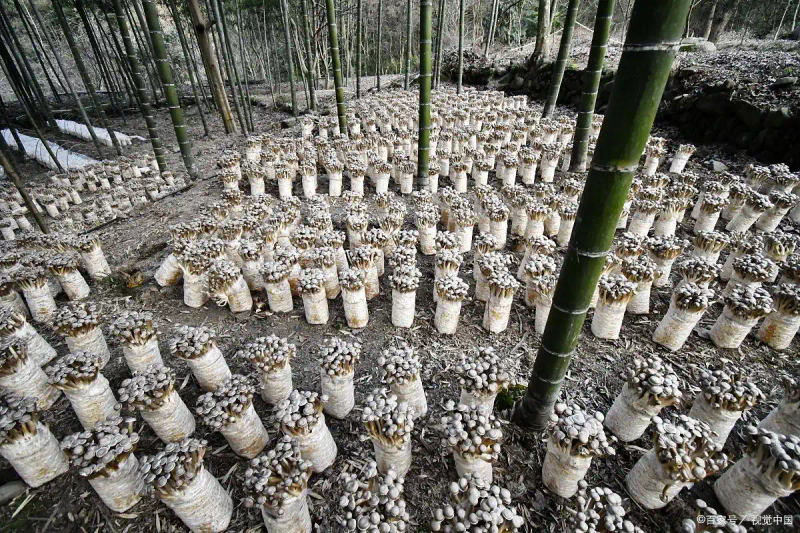
Dusts are a key part of mushrooming, and the requirements for it vary from fungs to dust. Most mushrooms need to be covered on the surface of the baptism pack with 1-2 centimetres of corrosive soil, which is rich in nutrients and can provide adequate nutrition for mushroom growth. The particle diameter is less than 0. 5 centimetres, so that it can better bind to the fungus pack and promote mushroom growth. When the soil is covered, the pressure is pressed lightly, but not on the ground, leaving enough space for mushrooms to grow. An exception to this is the fact that mushrooms are easy to grow。
(iii) spray management: mastery of the “twice-no-spray” principle
Water spraying is the most skillful part of mushroom cultivation, and mastering the "three no sprays" principle allows mushrooms to grow healthy. Before mushrooms come out, the fungus packs are vulnerable, and water is sprayed around containers every day to increase environmental humidity, but canteens are 30 cm or more, avoiding the drop of beads directly on the face of the fungus, which otherwise can easily lead to fungus. It's like creating a wet little climate for mushrooms that grow in a comfortable environment。
When the time comes, the water will change. This is to be converted into a direct fungus spray, but with mist, two to three times a day, keeping the fungus wet and dry, with light touch on the finger. It's like washing a soft "fog bath" for the mushrooms, so they can thrive。
After the harvest, the bag needs a break, at which point the water will be suspended for three days, so that the silk will recover its aerobics and then spray a small amount of water to boost the next growth. When water is sprayed, the temperature of the water must be consistent with the temperature of the room, which is greater than 5°c, which stimulates mycelitis and affects mushroom growth. So, before spraying, water can be placed for a period of time, so that it warms up to room temperature, and then sprays mushrooms。
(iv) waiting for mushrooms: different species time bad
The growth of mushrooms is like a surprise waiting period, and different varieties of mushrooms take different times. The fungus and the fungus are the quickest mushroom varieties, 7 to 10 days, and the fastest, 5 days, just like i can't wait to meet you. The best time to harvest is when the microfilms on the edge, before the fungus is fully spread, when the fungus tastes the best, fresh and juicy。
The growth cycle of mushrooms and golden needle mushrooms is relatively long and takes 12-15 days. They also need a day and night temperature difference of 10°c, and 20°c during the day and 10°c at night can make them grow better. It's like going through a "temperature travel" that stimulates them to grow delicious mushrooms. The mushrooms are collected when the membrane is unbreakable, when the meat of the mushrooms is strong and the scent is strong。
(v) harvesting techniques: the key to ensuring multiple growth
When mushrooms mature, harvesting is also a subject. And when you take it, you squeeze it with your hand and pull it up, like playing with the fungus with a soft "deep river" and never pull it in order to damage the bag. After harvest, the residual shroom root is flattened with scissors to keep its surface flat and to avoid its rotting infection。
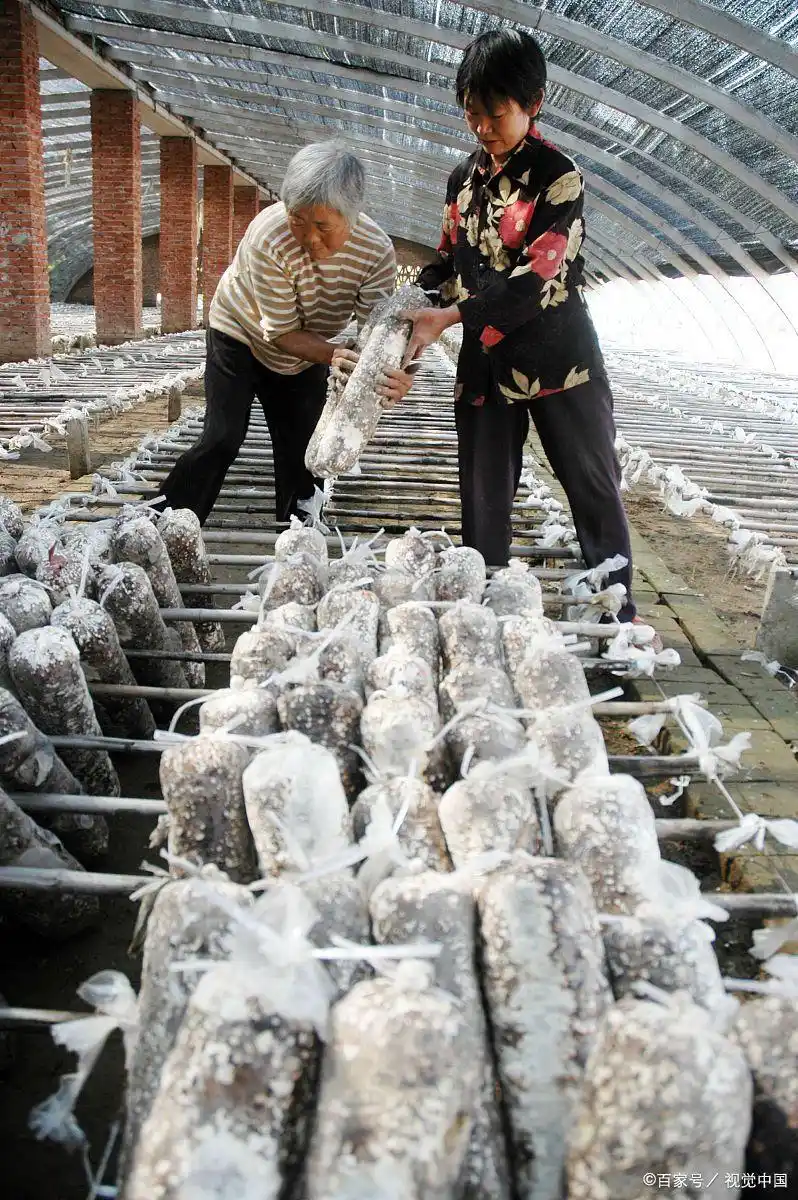
After harvest, do not forget to treat the bag. Clean up the surface and keep the bag clean. If the bag is lighter, it is short of water, so that it can be immersed in clean water for two hours, but not more than two thirds of the package, like a glass of "water energy." after leaching, put the bag back into the environment and continue to care for it, waiting for the next mushroom to grow。
Iii. 3 large core management points, avoiding 90% planting traps
(i) uncontrollable humidity? 3. Quick adjustment of recruitment
Temperature is a key factor in the growth of mushrooms, which, if out of control, affect their growth. When the temperature is too high to exceed 28°c, the growth rate of the mushrooms increases, but the quality decreases and may even cause the death of the fungus. At this point, the bag should be moved immediately to the air-conditioning room to keep the temperature at about 25°c and to create a cool growing environment for mushrooms. At the same time, a wet gauze is placed on the surface of the fungus so that it both cools and keeps it wet so that the mushrooms continue to grow in a comfortable environment。
If the humidity is not enough, less than 50%, the growth of the mushrooms will be inhibited, the lids will become dry and affect the taste. At this point, a transparent plastic bag in the packaging coat and three to five air vents can be placed on it so that humidity can be maintained effectively. Or put a water tray next to it, where evaporation increases environmental humidity and creates a wet growing environment for mushrooms。
The difference in day and night temperature is also important for the growth of mushrooms, which stimulate their growth and development. Most mushrooms require temperature differentials of more than 5°c, and more than 5°c and 10°c for mushrooms. During the day, the bag can be kept indoors and moved to the balcony at night, using natural temperature to stimulate mushroom growth and to make mushrooms stronger。
No mushrooms. No mushrooms? Three major causes
In the case of mushrooms, the absence of mushrooms or mushrooms is a problem of headache, and the cause of the disease can only be drugged. If the fungus does not contain mushrooms, the first check is if the film is not torn, which prevents the mycelium from contact with the air, resulting in a lack of oxygen for the fungus to grow the mushrooms normally. At this point, the film is to be ripped out in time for the mycelium to breathe into the fresh air. It is also necessary to see if temperatures are higher than 30°c or less than 10°c in the long term. Excessive or low temperatures put mybs in hibernation and prevent mushrooms. After adjusting the ambient temperature, wait for three days to see if there are signs of mushrooms。
Yellowing of the bacterium cover is also a common problem, which may be caused by excessive light. The mushrooms like to scatter light, too strong light signs to tan and make them yellow. At this point, the bag should be moved to a darker place to avoid sunlight. Inappropriate water spraying can also lead to yellowing of the bacterium cover, causing injury to mushrooms directly on the premature baptism cap, and should be replaced by spraying patterns, so that the beads fall evenly on the bacterium cover。
The fungus is a major enemy in the planting process, which can affect the growth of mushrooms and even lead to their extinction. Once the fungus is found, it is necessary to dig in time to remove the molded parts to a depth of 1 cm to ensure that the fungus is completely removed. A small amount of lime powder is sprayed in the wound, which acts as disinfection. At the same time, improving ventilation, reducing humidity to 60 per cent, depriving the fungus of a living environment and ensuring the health of the pack。
(iii) multiple mushrooms: 3 step operation extended harvest period
You can harvest more fungus. After the head is harvested, the bag needs a break to accumulate nutrients. At this point, the water will be suspended for five days, allowing the mycelium to recover its aerodynamics, during which time the ambient temperature will be maintained at 18-20°c, creating good conditions for the growth of the mycelium. Just as after a sportsman's game he needs rest to recover his strength, the fungus needs time to adjust and prepare for the next mushroom。
The "cold water irritation" method is used for the second mushroom. Insulated in cold water at 15°c for two hours, simulated natural rainfall irritation that awakens the growth activity of the silk. After leaching, put back in position and wait for new mushrooms. It's an effective way of boosting both mushrooms and re-energizing your kit。
From the third point onwards, the nutrients of the bacterium pack have been gradually reduced and need to be adequately replenished. After each harvest, 0. 1% of the glucose solution, i. E. 1,000 ml water plus 1 g glucose, can be sprayed with wet face. Glucose can provide energy for mushrooms, stimulate mycelitis growth, sustain the fungus, extend the harvest period, and give you more fun and good harvests。
Iv. Solutions to common problems. New players can respond easily
(i) the fungus smells stingy
And when you open the bag, a stingy smell comes in, it's a panic. Relax, the smell of stinging can be caused by incomplete fermentation or bacterial contamination. If the fermentation is incomplete, the organic matter in the bacterium package is not sufficiently decomposed and can produce a bad smell. Microbacterial contamination is mixed with other harmful bacteria or fungus, destroying normal growth environments and creating a stingling smell。
In that case, open the bag for two hours, let fresh air in, take away the smell. Ventilation is like a "deep breath" for a fungus bag to help it drain out bad gas. If the fragrance continues after ventilation and the fungus is dark, it means that the capsules have been heavily contaminated and cannot be saved, at which point they are simply discarded to avoid infection with other fungus. It's like segregating sick little partners in time to prevent infection。
(ii) frozen mushrooms
It's certainly not the same thing to watch the fratricidal mushroom buds die dry. In fact, most of this is due to the humidity of the air < 50% or the excessive ventilation. The air is too dry, and mushrooms are like plants in the desert that lack water and cannot grow properly. Excessive ventilation results in rapid loss of moisture around mushrooms and can lead to decay。
And when you find the mushroom bud dry, you need to get a bag wet immediately, like wearing a "wet coat" for the mushroom bud, and leave a few air holes in the bag to make sure it breathes. Water is sprayed three times a day, one in the morning and one in the evening. If we stick to this, within three days, the mushrooms will recover and regenerate。
(iii) long and small bacterium caps
If your mushrooms have a small amount of bacterium, it's probably due to insufficient light or high temperatures. When the light is low, the mushrooms are like plants without sunlight, and they go up and grow, causing the bacteria to grow thinly, which is what is known as the long. Excessive temperatures of more than 25°c accelerate the growth of mushrooms, but excessive growth can lead to an uneven distribution of nutrients and a small length of baptism。
To solve this problem, the fungus pack is moved to a dispersible light, providing three hours of weak light per day to allow mushrooms to be photocooperative and grow healthy. At the same time, temperature control is at 20-22°c to create suitable growth temperatures for mushrooms. When these are done, the new mushrooms that follow will return to normal and grow into large and delicious mushrooms。
Concluding remarks
Growing mushroom bags at home is both an interesting horticultural experience and a green option for harvesting fresh food. From unpacking to harvesting, control of temperature, humidity and ventilation and timely response to common problems are key. Remember, "thirty, sevens," and patiently observe every change in the kit, so that the fungus can produce fresh and delicious mushrooms. Let's try and enjoy what we've achieved, from mushrooms and whites to growing people



