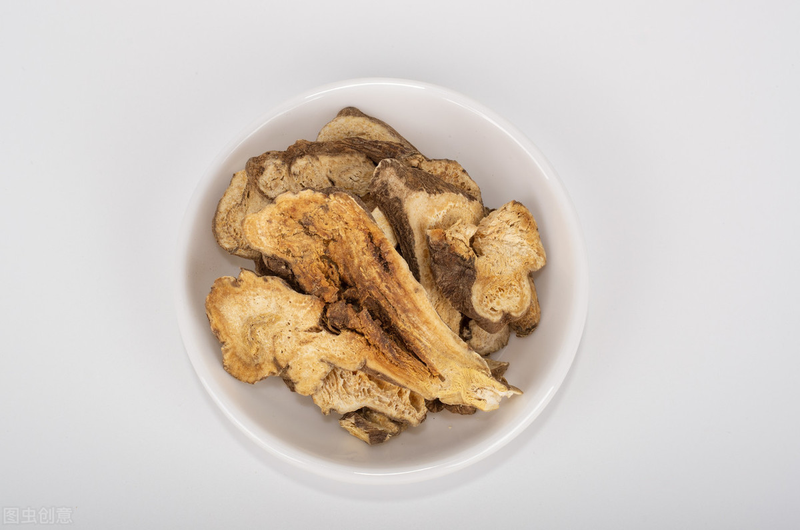
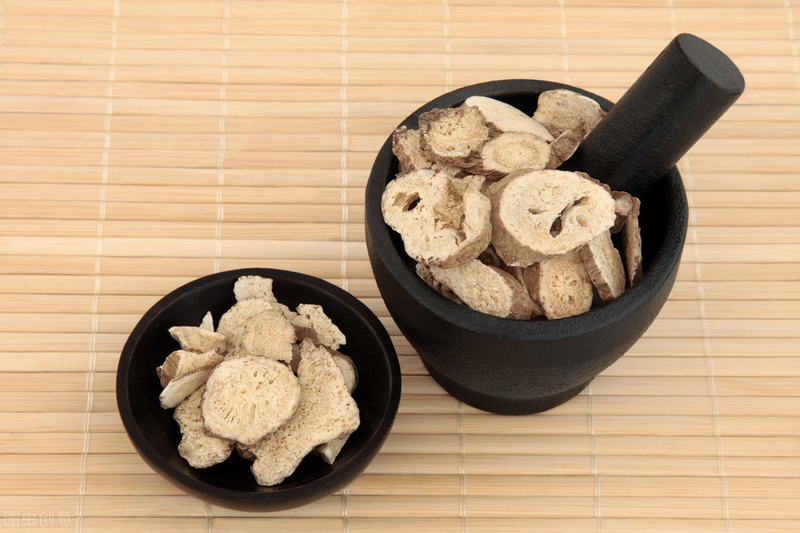
The most common chinese white art is the root of the white art of the pristine (atractylo dayes macro-cephala koi dayz.). Wet spleen, medium effect. For low spleen consumption, indigestion, chronic diarrhoea, swollen water swelling, self-sweeting, fetal disturbances, etc. It is spread across the provinces of the yangtze river basin and is mostly cultivated throughout the country. Zhejiang, hunan, hubei, jiangsu and anhui provinces. Shaanxi also grows。
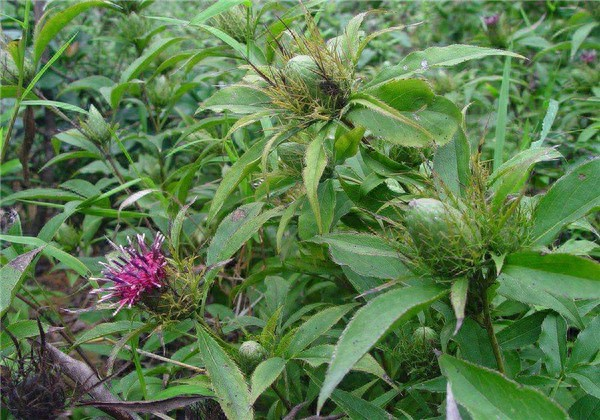
(i) land selection
Cultivated land is selected in the plains for sandy sandy soil with soil pine, medium fertility and good drainage. The soil is too fertile for the seedlings to thrive, and the guillotine blooms that year, affecting the quality of planting. In the mountains, where the earth is thicker and some slopes are selected, new lands are preferred. Poorly fertile sand or clay is not optional. The choice of relocation sites is essentially the same as that of nursery grounds, but the requirements for soil fertility are higher. It takes more than five years to plant the land in which white art is grown. It is not advisable to switch crops such as wheat, corn, grain; tobacco oils, mussels, cabbage, tomatoes, radish, white twilight, yellow, adjoining, peanuts, etc., for example, to cause serious illness. In winter before harvest, before planting, one more time before planting, 1,000 kg of manure per acre of farmer on nursery grounds, 4,000 kg of urea and 50 kg of calcium per phosphate on transplanted land. The ground is to be flattened in pieces and made high by 1. 2 metres wide. The gutter is 30 cm wide, 15 cm deep, and its face is balconies。
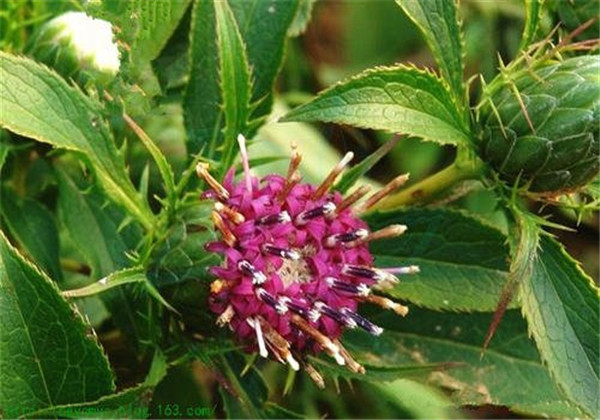
(ii) cultivation
White arts are grown mostly by first-year seedlings, second-year plantings and winter harvests. Smaller use is made of live broadcasts in the spring and the second year of winter harvests, with lower yields under the act。
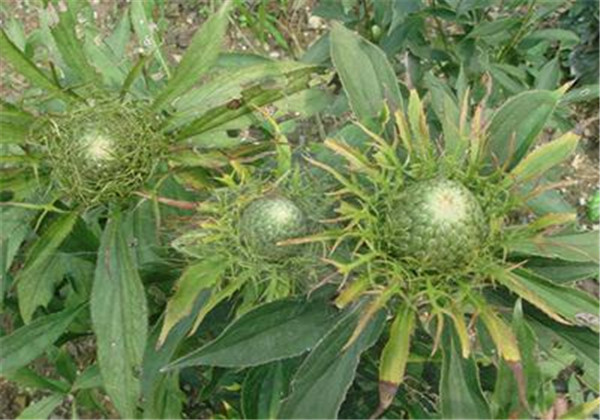
1. The choice and nurturing of seeds is based on the choice of a strong, large, small branched and large luminous plant. The flowering buds that grow at the top of the plant are flowering early, the seeds are abundant, the buds of the side branches are flowering late and the seed of the side branches are small and thin, so they can be cut off, leaving only 5-6 buds at the top, so that the nutrients are concentrated and the grains are full, and so that the seedlings can grow. When head-form hulls become purple and black, seeding takes place after the clear open water drys, otherwise the seeds are prone to mold or bud and affect their quality. The fruits may be piled up in a cool vent... Or laced in small bundles with the tubers, then dried, taken off seed, carried off impurities and stored in reserve after half a month. It is desirable to dry the seeds when they are taken off, so that they do not have to be sunburned so as not to affect the gestation, and the roots of the seeds can still be processed into medicine。
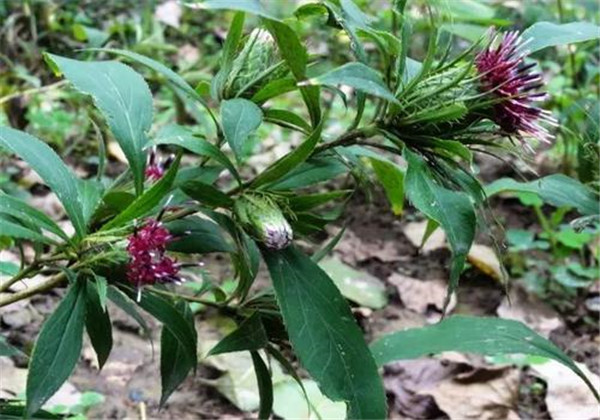
The planting period was mid-march to mid-april. Multiband. A ditch with a depth of 3-5 centimetres by 15-20 centimetres in length spreads the seeds evenly into the ditch, covering the earth, covering the grass or covering the membrane in order to reduce the evaporation of water, increase the temperature of the earth, prevent the earth's surfaces and stimulate the germinate. A seeding volume of 2. 5-4 kg per acre。
3. Soil moisture is regularly maintained after seed management. When the seedlings are ready, they should be removed from the grass or membrane in time. The seedlings grow slowly and work on weeding. At a height of 3-5 cm, seedlings are established at a distance of 3-5 cm, which is generally followed twice, 5 kg of urea per acre in the first half of june, and 5 kg of urea or 10 kg of ammonium phosphate per acre in july. Droughts in the weather require water and can reduce evaporation through inter-crops。
The harvest and storage of the plant took place between mid-october and the beginning of november and picked the weather day to dig the roots and cut the roots of the tail ... And cut the leaves from the roots between 2 and 3 cm. Do not damage the main sprouts and root surfaces while removing the strains of disease, weakness, malformation, low root, broken plant, and cooling the plant. Ventilation area for 3 to 5 days, to be stored when the surface is dry。
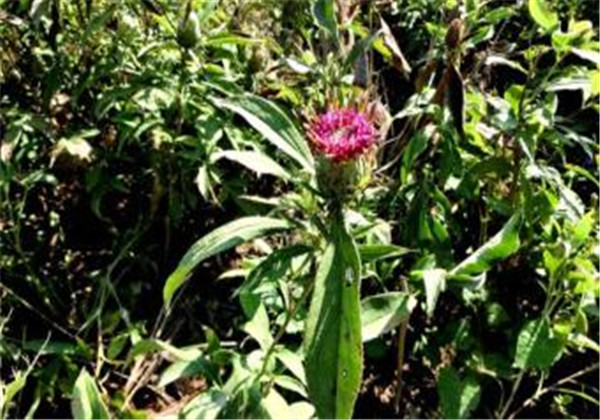
Storage methods: (1) layered sand collection: select a coolly ventilated room or a dry, dark and untaneous place, lay on the ground three to five centimetres thick sand first, lay a 9 to 12 centimetre thick plant, lay a thin sand layer on top of it and plant a plant as high as 30 centimetres, top of which is 6 centimetre thick sand or fine soil, and set a barbed of straw or straw every 1. 5 metres or so, in order to ease the heat and air and prevent decay. The sand should be dry and wet: (2) pits. - ... Selecting the pit of the back of the ground - a pit of one metre deep, the length of which depends on the extent of the planting, which places the seed in the pit about 15 centimetres thick, 5 centimetres of covered soil, gradually thickened with temperature, 30 to 50 centimetres at the coldest. The plant shall be inspected once in 10 to 20 days, so as to remove the soft, decaying seedlings and prevent further deterioration. If the buds are incubated, they shall be stacked to prevent their growth and affect the quality of the plant. (3) in warmer areas of winter, it is possible to survive the winter. Before freezing, a thin sheet of grass or farm fat on a nursery bed was dug by the spring of the second year, with a high rate of growth, survival, growth and resilience。
(iii) plantation
1. One of the measures to improve production and quality is the selection of plant varieties for good breeding. It should be full of sprouts, well-developed roots, thin skins, long tops and long tails. For management purposes, planting is done separately by size。
The planting period runs from late december to the end of march of the following year in favour of early planting. Early planting is well developed, deep-rooted, robust, drought-resistant and strong。
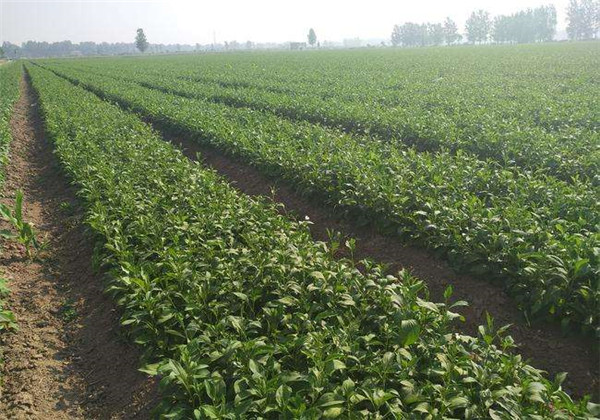
3. The cropping method is to be planted at a distance of 10-18 centimetres at a depth of 6 centimetres on a well-established ground at 20-30 centimetres by line. And set the bud straight up, and put it right in the middle of the ditch, and then open it with a little earth to cover it. About 50 kg of seedlings per acre. It's a good time for water and fat. In inter-walk ditches, 3000 kg of fattening per acre and 25 kg of calcium per phosphate。
(iv) field management
Weeding and weeding shall be done in such a way that the earth is free of weeds and weeds. However, weeds are not allowed after the rain or when dew is dry, otherwise they are vulnerable to iron leaf disease. The pre-ploughing period was slightly deeper, contributing to the stretching of the roots and later, so as not to cause injury to the roots。
2. The pursuit of white and fat is based on the application of foot-based fertilisation, early application of seedling fertilisation and re-fertilization of pickles. Acreage of 750 kg of human urine or 7. 5 kg of urea. In late may, 10 kg of urea per acre, 80 kg of grasswood ash or 5 kg of potassium chloride were followed in order to boost the strength of the plant. In mid-august, five to seven days after the buds were removed (pre-flowering), 100 kg urea per acre, 5 kg urea and 30 kg calcium per phosphate were applied to facilitate the rapid expansion of the root underground. The pursuit of fat should take place in the middle of the sun or before the rain, when rain or dew is not dry。
During the rainy season, drains and drains are to be cleaned up. After august, the roots have grown rapidly, requiring adequate moisture and timely water in the event of weather drought to ensure water supply。
In addition to the fields to be planted, pick buds should be removed in due course. Before the front line opens in mid-july, the picks are divided and the picks are made by the sun, or they are susceptible to disease。
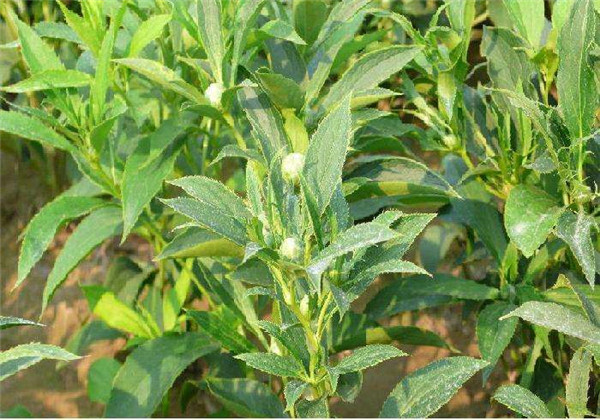
V. Pest management
1. Platinum (rhizocto)This is the main disease of the shrunk period. The core, top blades and buds of the affected seedlings showed signs of tan and spread into black and dry dents, causing a partial reversal of death on the ground and decomposition of the roots. The primary source of the disease is the winter filament and nuclei of the soil and the sick tissue. In the early spring, there was a heavy incidence of rain and high soil moisture。
Prevention methods: (1) enhanced management of seeding periods, timely pine soil and prevention of soil wetting; (2) re-speculation of new areas for production development; (3) application of 70 per cent of quintozene to 200 times the fluid infestation areas or 70 per cent of quintozene tossed areas in 1:25
(4) prevention by 5 per cent lime water or 3 per cent well-gangicillin 500 times the fluid; or 40 per cent of polybactrin 800 times the fluid, or 50 per cent of the fungrin 1,000 times the fluid, or 40 per cent of the anti-dioxin 800 times the fluid spray, or 50 per cent of the pistol 800 times the spray once every 10 days, three times in a row。
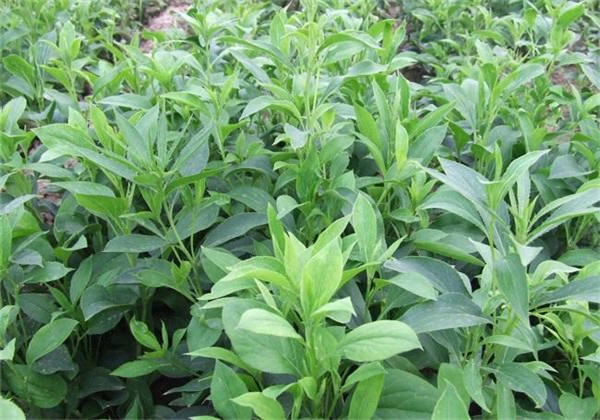
2. The iron leaf disease (septoria attractylo) is yu et chen, which is harmful to the leaves and the stem. In the early stages of the onset of the disease, small yellow and green spots were born, spread from the tip of the leaf and the edge of the leaf internally, and several of the symptoms were combined into polygonal or irregular spots, which were quickly covered with full leaves, making the leaves black. The source of the infection was mainly the winter spores of the sick and disabled organization, which caused a serious outbreak in june-august。
Prevention and treatment methods: (1) cleaning of fields after harvest and central burning of the leaves of the remaining branches; (2) leaching for three to five minutes, drying and planting, with 50 per cent methyl tobuzin 1,000 times less immersion prior to planting
(3) it is not appropriate to go down after the rain or before the dew has dried up; (4) at the beginning of the onset of the disease, 1:100 times the bordeaux or 50% of the debacterium 1000 times the fluid, 7-10 days and 3 consecutive times。
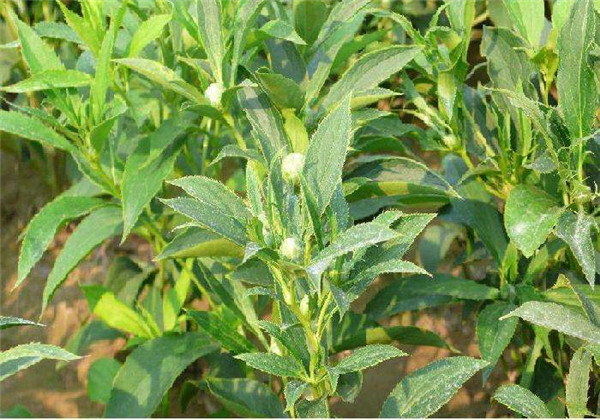
3. Rusty disease (puccina atractylo dayia sy) is a harmful leaf. The worst in the months of 6 to july was the emergence of yellow and white spots on the initial leaves, which gradually expanded, with the foliage bursting and the dispersing of yellow and brown powders (sprouts). The disease is found on the handles and on the troughs. Sick leaves are deformed, falling early, piercing, decaying。
The method of prevention: (1) choice of anti-disease plant and burning of sick strain leaves; (2) prevention of the accumulation of water in the field; (3) spraying of thiomers of 0. 3-0. 5 in the pomegranate or 1:300 berthorol, or 97 per cent of sodium dichloride, 300 times the fluid, or 65 per cent of the zinc disen, 500 times the fluid, once every 10 days, 2-3 successive times。
4. Root decomposition (fusarum oxysporum schl. Emen, day by day. Sny dayer et hansen.) is a major disease in white arts production, often resulting in a severe reduction in production. The disease occurred in september and was severe in june and august. The first is the graft of the roots, which gradually spread to the roots, causing them to decomposition, and rapidly to the main troughs, partly aging on the ground. The strain is easily removed from the soil. The source of the pathogen is mainly soil-borne bacteria, followed by planted bacteria。
Prevention and treatment: (1) rotations with herbal crops, such as cassava, white, southern star, regenerous, etc., should be for more than three years, with a life limit of less than three years; (2) selection of non-illactivated growth plants and application of 50 per cent debacterium or 50 per cent more fungus, or 50 per cent more than 1,000 times more immersed methyl tobuzin, for 3 to 5 hours after drying; (3) during the rainy season care to reduce the humidity of the field and to increase phosphorus fattening during the period of seeding and to increase the resistance of the plant; (4) timely removal and burning of the strain at the beginning of the disease, and subsequent soil disinfection with lime powder or 1 per cent more than 50 per cent or 1,000 times more of methyl tobuzin; (5) timely prevention of the effects of underground pests。
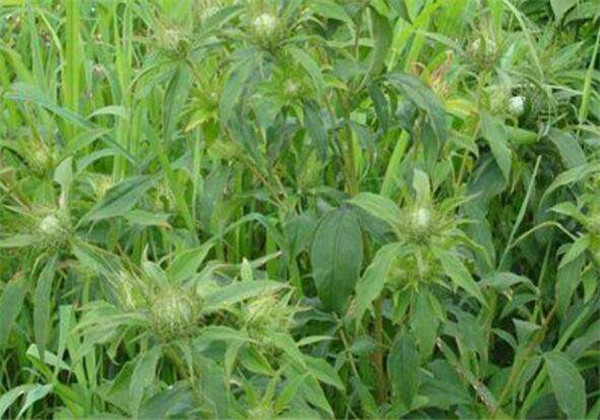
5. Sclerotium rolfsi sace. The fungus of the fungus filaments and the surrounding earth's surfaces form the seed cores of the herbs, which are first milked and then brown: the roots are dry in the form of “smug” and wet in the form of “fast potatoes” in the form of high temperature and humidity. The ground is shrinking. In late may and at the end of september, there was a severe outbreak in june-august, resulting in a series of deaths, which resulted in a reduction in productivity。
The method of prevention: (1) rotation with a herbal crop, which cannot be made with an epidemiologist, thylene, yolk, pharmacist, peanuts, soybeans; (2) timely drainage during the rainy season to reduce soil moisture; (3) selection of a non-pathic growth plant, with a 50 per cent degenerative 1000-fold leachation for 3 to 5 minutes and subsequent drying; (4) treatment of soil with 70 per cent of quintozene or 30 per cent of fentanium per acre prior to planting; (5) timely extraction of strains and surrounding soils and plasterization; (6) irrigation of disease areas with more than 50 per cent fungus or 50 per cent of methyltobutzine 1,000 times。
(vi) collection, processing and storage
The harvest took place in late october to mid-november of the year, when the straw was turned green and yellow. Early harvests, dry matter are not sufficiently accumulated, quality is poor, and the rate of drying is low; new sprouts occur late, nutrient consumption also affects quality. The sun is chosen to dig up the plant, shake the soil, cut off the leaves, process them in a timely manner, do not accumulate and are not suitable for exposure in order to prevent hot buds and oil and affect quality。
(i) processing methods (1) dry: sun tan 15-20 days, often flipping in the course of the sun, so that the roots can be rinsed, the showers can be spread thinly in the air, and high or heavy. And the dry white arts, which are full of supplementation, and of good quality, but they do not store, and are infested with worms and rot。
(2) drying: the fire should not be too heavy when baked, after four to six hours at 60c ~70c ... Flipping up and down one time to level it evenly, while the thin roots naturally fall off and then dry to 80% dry, extracting a pile of 5 to 6 days, causing internal water to seep, softening the skin and drying. Be careful not to use fuel with resin, such as cedar, in order not to affect quality by fumigation and drug-stuffing. And the dry whitery, and its storage, and it is not susceptible to infestation or decay. The dry medicine is 200 ~250 kg per acre。
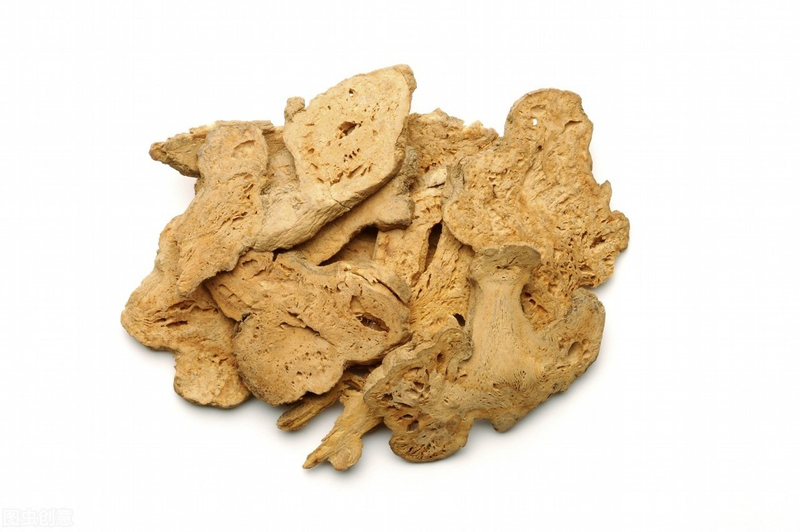
Class i: the irregular root of the leg of a chicken, tan, internal yellow or grey, no oily, less than 36 per kg; class ii: 38 ~ 100 per kg, the rest of which is the same; class iii: more than 100 per kg, the same shape, etc., but there are oil and fragments。
When the white arts are dryed, they shall be packed with bamboo and sacks shall be placed in a dry place. As white art is prone to damp, moths and oil, it is required to dry during the rainy season. It's easy to freeze and need to be smoked with sulfur. White arts should not be stored for too long, otherwise the interior is blackened。