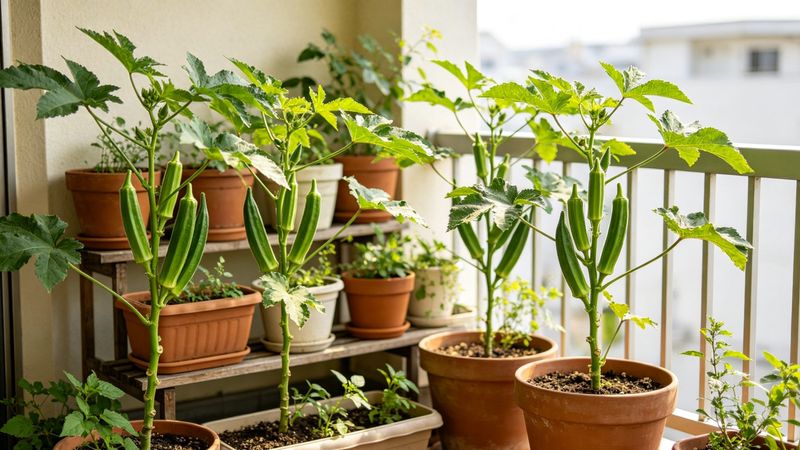
How do you grow it
As a common and uniquely flavoured vegetable, it not only plays an important role in cooking but also has some medicinal value. It has growth properties adapted to multiple soil environments and resistant to cold and heat, and can become home to it, be it by the edge of a village, by the edge of a ditch or by the surface. Moreover, once cultivation succeeds, it is possible to harvest leaves for years after seeding, or even to harvest for many years without replanting. Next, we will give a detailed description of how the aroma is grown to help readers achieve the goal of having food for years。
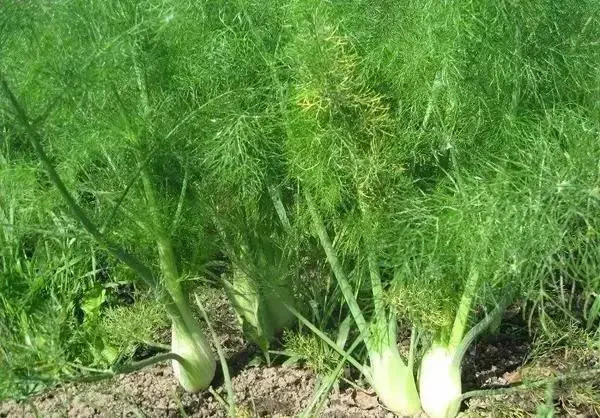
The aroma is a residential plant with well-developed roots that are resistant to temperatures of less than a dozen degrees, and can germinate at 2-3 degrees. Since they can grow for many years, deep tilling of the soil before planting is essential. In general, the depth of deep-drive soil should be above 30 cm. The aim is to improve the air and water retention of the soil and to provide a good environment for the growth of the thorium roots。
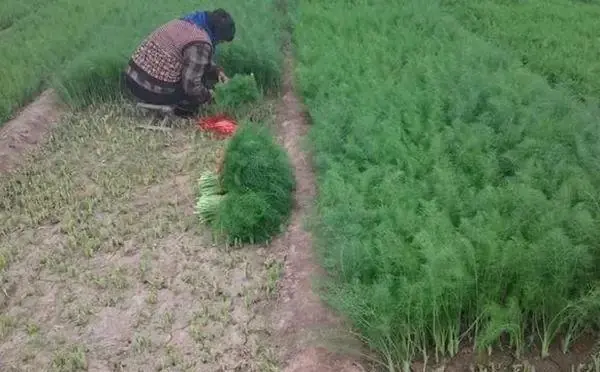
Deep tilling is accompanied by the application of bottom fattening. The choice of bottom fertilizer should be dominated by consumable organic fertilizers, which can help increase the organic content of the soil. Specifically, in the case of large-scale fertilisation, organic fertilisation should be applied to each acre of 3 - 5 squares, 80 kilograms of compound fertilisation; if only a few plants are planted, they can dig up 50 by 50 centimetres of caves, then they can apply soil fertilisation in the den 20 - 30 pounds, plus a small sheet of compound fertilisation, and spread the fertilizer evenly within the den。
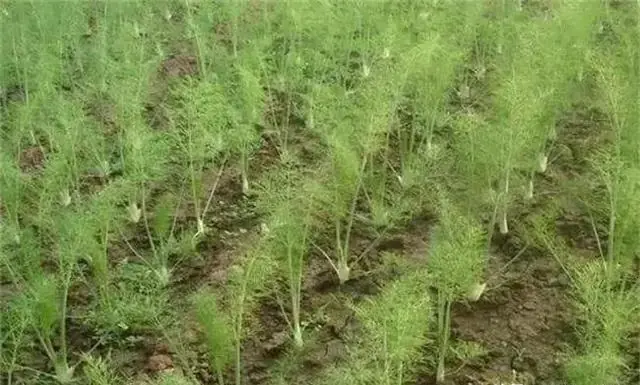
From 2 to 5 or 9 to 10 may be transplanted. The climatic conditions of this period are more appropriate and conducive to the survival and growth of the roots。
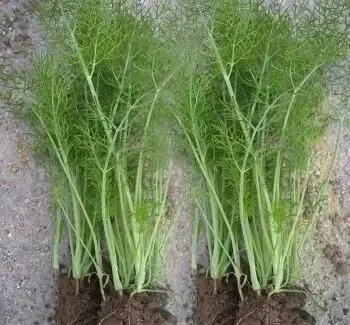
The root should be used for planting within two years, with the previous year's roots being better because of its vitality and speed. In moving plants, care is taken to ensure the integrity of the old roots and the subsequent planting。
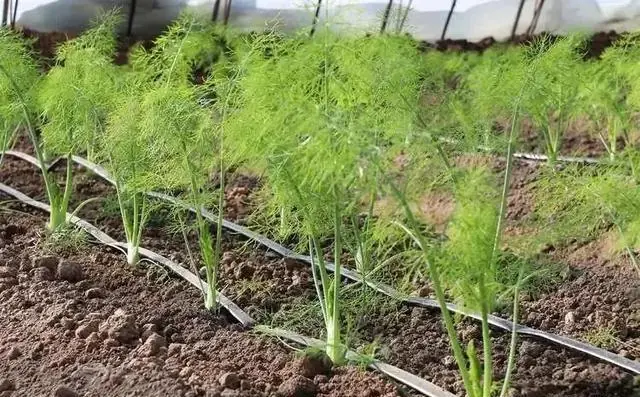
When the old roots are put into the caves, they will be filled with water and soil. The depth of planting is determined on the basis of the size of the old pile, which is suitable for burying the roots. Due to its soil-bearing roots, the planting period is virtually non-stop. If the field moves, it can be grown in size, 60 - 70 centimetres, 50 centimetres in small row, 30 centimetres in cave, 3 - 5 columns per den。
The aroma is more drought-resistant, but in the case of planting a few plants, care is taken not to cause the soil to dry. When planted on a large scale, the plants are properly watered in accordance with soil conditions and the soil is wet, especially when the plants reach their growth peak two months later。
The aroma is a lazy, relatively simple management. A few plants, 30-40 days of nitrogen fertilizer. In the case of large-scale cultivation, when the plant is established, the cultivation is carried out in the middle, the pine earth is carried out, and after the first leaf is harvested, 15 kilograms of urea are applied per acre, followed by fat every 50 - 60 days and combined with water. Meanwhile, weeds are eradicated every 30 days in the row。
High-quality decomposed farmer fat 3 square feet per acre, compound fat 80 pounds, or ammonium dim 30 pounds + potassium sulfate 20 pounds. After fertilizing, you're going to have to go deep and deep, and you're going to be 1-1. 2 meters wide. This allows soil to be loose and fertile and provides good conditions for seed germinate and growth。
The aroma seed is a double-suspension, containing two seeds that need to be removed before sowing. The aroma can be broadcast live by dry seed, soaked and sprouts. Live broadcasting of dry seeds for field cultivation can also be sowed after seeding. The leachate is soaked 24 hours with 18°c - 20°c water; the seedling is sowing the immersed seed in a 20°c - 22°c environment, washing it with water one time a day to wash away the slime, which can occur in about six days。
First, the bottom water is poured on the flat thaw, and seeds can be spread twice, then the soil is covered 1 cm thick, usually requiring about 5 kg of seeds per acre. Cultivation is usually possible within a week or so。
Since seeds are sowing, seedlings are to be removed from the bush after the leaf spreads. 3 after spreading, seedlings are produced, 15 - 20 cents are found. This will ensure that each aroma has sufficient space to grow and will facilitate the growth of the plant。
At a height of about 10 cm, pine fields are cultivated and weeds are removed. Cultivation can deplete soils, increase soil permeability and promote root system growth, while weeding can reduce weeds and aroma for nutrients and moisture。
After seeding, the soil is kept wet by spray, and when the seed is about 20 centimetres high, the water is watered with a moderate amount of water and the acre is followed by urea 10 - 15 kg. After 30 centimetres of height, a large plant can be taken and a batch collected for fatting, by analogy. The normal growth and development of the aroma plant can be ensured through sound management of water fertilizers, which enhances production and quality。
In the case of emulsions from old roots, the method of taking leaves to keep the principals is used. Each plant is taken at once from the bottom of 2 - 3 leaves so that 20 days can be taken. This harvest ensures that the aroma plant is sustainable and provides fresh leaves。
Seed-planted aroma can be harvested at 30 - 40 centimetres of high seedlings, poached at 8 centimetres, or gleaned at small root. Since the aroma is eaten by green leaves, it can be harvested as long as the leaves grow. In harvesting, care should be taken to operate rationally to avoid excessive damage to plants and to affect subsequent growth and production。
The aroma may be affected by some pests during its growth. Common diseases are dust, root diseases, etc., and common pests are aphids and larvae larvae. In the case of diseases, agricultural measures, such as rational rotation, maintenance of ventilation in the field, etc., can be used as well as chemical agents, with attention to the levels of use and safety intervals. For pests, biological control methods, such as the release of natural insects, can also be used for spray control using chemical pesticides。
The aroma prefers a warm growing environment, and during planting, attention is paid to controlling environmental conditions such as temperature, light and humidity. In the spring, it is important to avoid harm to the young, and in the autumn, to keep the cold warm. At the same time, adequate light should be guaranteed, but appropriate shades should be kept at high summer temperatures to avoid the harm caused to the plant by direct fire. In addition, care should be taken to keep the soil wet, but not to accumulate water in order to avoid root decay。
Both root and seed cultivation need to be rationalized. Excessive planting densities can lead to competition between plants for nutrients, moisture and light, affecting the growth and development of plantations; and too little cultivation can waste land resources and reduce production. Therefore, cultivation density needs to be reasonably determined according to different cultivation methods and soil fertility factors in order to achieve high productivity and quality objectives。
With the above detailed description of the method used to plant the aroma, we can see that, with the right technical points, whether the roots are moved or the seeds are planted, the good growth and continuous harvest of the aroma can be achieved. At the same time, during planting, attention should be paid to pest control, environmental conditions control and plant density adjustments to ensure the production and quality of aroma. It is hoped that the reader will be able to choose the appropriate planting method according to his or her actual situation and that he or she will fulfil his or her desire for food and food for many years。